






Name Tag Ideas For Camp Overview
You're probably here because you need a quick guide to understanding the teeth names chart and its various systems. It's a handy reference tool, and you're right to seek out a simple explanation. This chart, often referred to as a dental anatomy chart, provides a visual guide to tooth identification, and it's important to grasp the basics. While the specific values and formats may vary depending on the system used, be it the universal numbering system or the palmer notation method, the core concept remains the same.
Teeth Names Chart: Decoding Your Dental Anatomy
The teeth names chart is your guide to understanding the unique language of dental anatomy. It's a visual reference tool that helps identify and locate each tooth in your mouth. This chart is essential for dentists, dental students, and anyone interested in oral health to communicate effectively about teeth positions and conditions.
Key Details: Understanding Tooth Positions and Naming Conventions
The chart typically follows a standard format, with teeth represented by numbers or symbols. The most common systems are the universal numbering system and the Palmer notation method. The universal system uses a simple numbering sequence, while Palmer notation employs a combination of letters and numbers. These systems ensure consistency in identifying teeth across different regions and dental practices.
Reading the Chart: A Step-by-Step Guide
When reading a teeth names chart, you'll notice a grid-like structure. Each row represents a dental arch, either the upper or lower jaw, and each column corresponds to a specific tooth. Here's a breakdown:
- Start by identifying the jaw: upper or lower. This is usually indicated at the top of the chart.
- Locate the specific tooth you want to identify. Each tooth is assigned a unique number or symbol.
- Understand the tooth's position: central, lateral, canine, premolar, or molar. These are the different types of teeth and their positions in the mouth.
- Note any additional details: The chart may provide extra information, such as the tooth's side (right or left) or specific quadrant.
Variations and Differences Across Standards
While the teeth names chart provides a standardized framework, variations exist due to different dental associations and regions. The FDI World Dental Federation, for instance, uses a unique notation system. Additionally, some charts may include extra details like tooth surfaces or specific conditions. It's crucial to be aware of these variations, especially when consulting international dental resources.
Common Mistakes and How to Avoid Them
One common mistake is misinterpreting the chart's symbols or numbers. Always refer to the chart's legend or key to ensure accurate understanding. Another pitfall is assuming a universal chart fits all contexts. Always double-check the specific standard or system being used, especially when dealing with international patients or dental records.
Practical Tips for Accurate Results
To make the most of the teeth names chart, familiarize yourself with the different numbering systems and their applications. Practice reading and interpreting the charts regularly to enhance your dental knowledge. When in doubt, consult a dental professional or refer to reputable dental resources for clarification. Remember, accurate tooth identification is crucial for effective dental treatment planning.
Hey there, teeth enthusiasts! We hope this guide has given you a solid foundation to understand teeth names and their charts. Remember, while we've covered the basics, the specifics might differ slightly based on your unique situation or the source you're referring to.
Don't stop here! Our site offers a wealth of other practical guides and resources to enhance your dental knowledge. Why not check out some related content and keep learning? We've got you covered with more tips and tricks to make your dental adventures a breeze.
Related: Best Construction Name Guide
"What's in a name?" I often wonder when it comes to best construction name. It's an important consideration for any business, especially in the construction industry. So, let's dive into this topic and uncover some insights!
The Significance of a Construction Business Name
Choosing the best construction name for your business is crucial. It's the first impression you make on potential clients and can leave a lasting impact. A well-chosen name can set the tone for your brand and reflect the values and services you offer. It's like a calling card, so you want it to be memorable and professional.
When selecting a name, consider the following:
- Simplicity: Keep it simple and easy to remember. Avoid complicated or lengthy names that might confuse customers.
- Relevance: Choose a name that hints at your construction expertise. It could incorporate words like "build," "construct," or "renovate" to give an immediate idea of your services.
- Uniqueness: Stand out from the crowd! Opt for a name that's distinctive and not easily confused with other businesses.
- Availability: Before finalizing, check if the name is available for registration. You don't want legal issues or confusion down the line.
Practical Tips for Choosing a Name
Here are some practical steps to help you find the perfect name:
- Brainstorm: Write down ideas and keywords related to your business. Think about your specialty, target audience, and unique selling points.
- Combine and Play: Experiment with different word combinations and see what resonates. You might find inspiration in unexpected places!
- Get Feedback: Share your top choices with friends, family, or colleagues. Their fresh perspectives can offer valuable insights.
- Research: Ensure the name isn't already trademarked or copyrighted. A quick online search can save you from potential legal headaches.
A Few Name Ideas to Inspire You
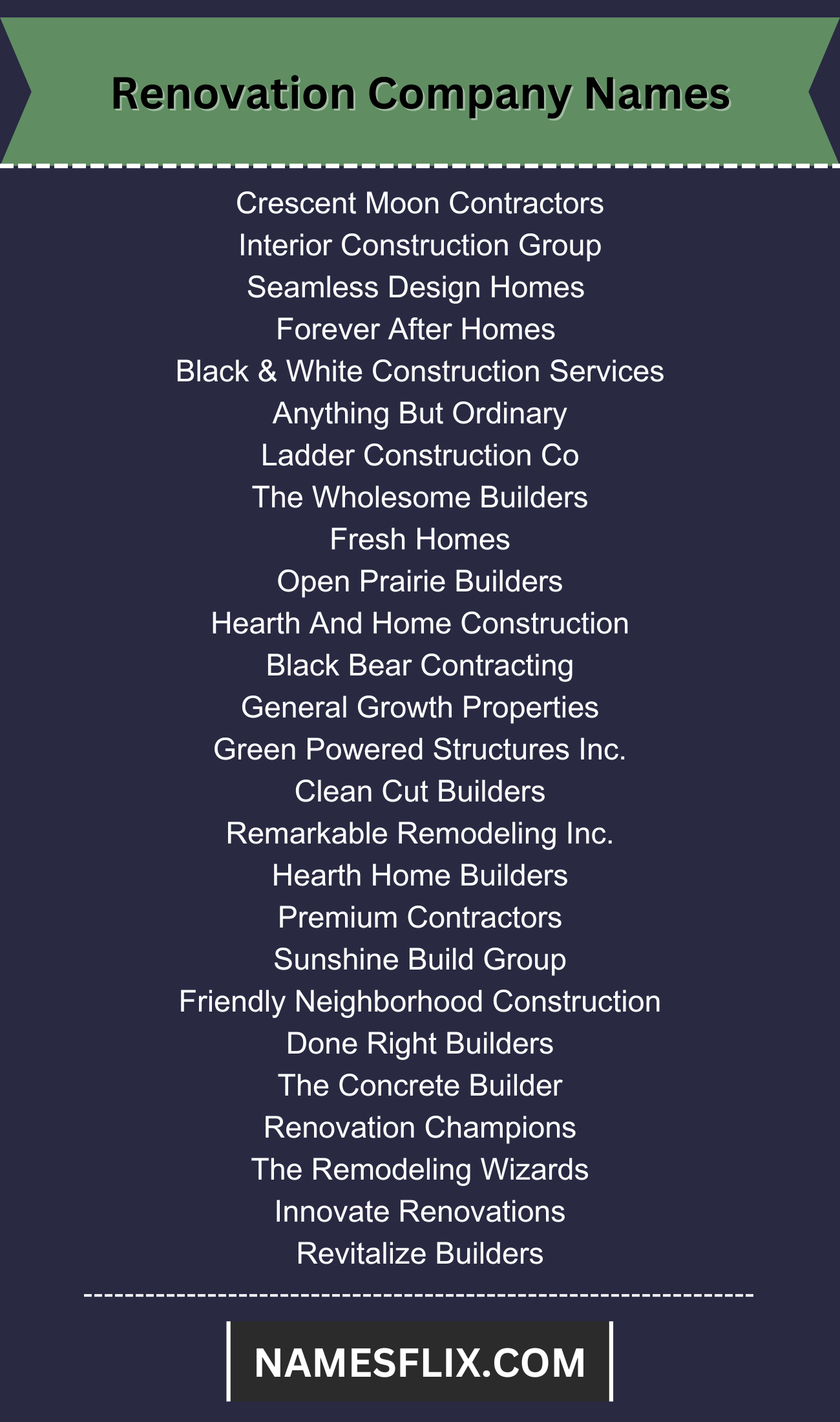
If you're stuck for ideas, here's a short list to spark your creativity:
- Build-Pro
- Construct-Rite
- HomeCrafters
- Renova Solutions
- BuildTech
- Crafted Spaces
Remember, these are just suggestions! Feel free to tweak, combine, or come up with your own unique twist.
Construction Jobs and Salaries
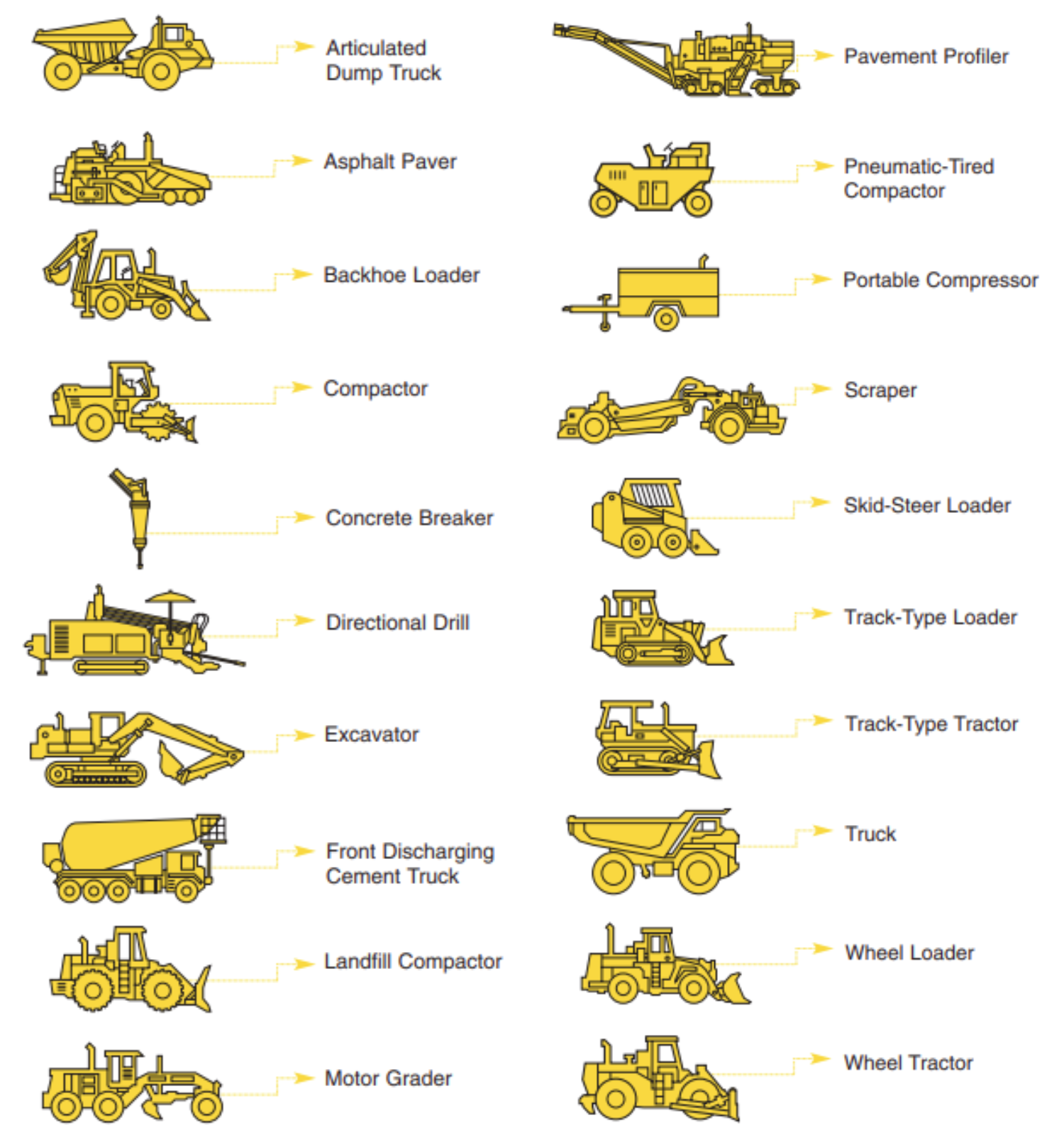
The construction industry offers a wide range of roles, from general contractors to specialized tradespeople. Salaries can vary depending on experience, location, and the specific job. When searching for construction jobs, consider the following:
- Experience: More experience often leads to higher pay. Highlight your skills and past projects to negotiate a competitive salary.
- Specialization: Specialized roles, like estimators or project managers, may command higher salaries due to their unique expertise.
- Location: Construction jobs in urban areas or regions with high demand may offer better compensation. Research local markets to understand the going rates.
Industry Tools and Data
Tools like RSMeans provide valuable data for construction professionals. It offers cost estimating services, helping contractors and businesses plan and budget accurately. By using such tools, you can stay informed about industry trends and make more informed decisions.
Wrapping Up
Choosing the best construction name is an important step in establishing your brand. It's a fun process, but it requires some thought and creativity. Remember, the right name can set the foundation for a successful business. So, take your time, consider your options, and don't be afraid to get creative!
Related: A Simple Guide to Understanding CKD Stages Chart
You've landed on this page, likely with a specific goal in mind: to understand and utilize the ckd stages chart effectively. This chart is your go-to reference, a simple yet powerful tool to grasp kidney health and its progression. It's a straightforward guide, offering insights into the kidney disease staging system, which can vary slightly depending on your region and specific context.
A Quick Overview of the CKD Stages Chart
The ckd stages chart is a valuable tool for understanding kidney health and the progression of kidney disease. It provides a clear visual representation of the different stages of chronic kidney disease (CKD), helping patients and healthcare professionals monitor and manage kidney function.
Interpreting the CKD Stages Chart: Key Categories
The chart typically uses a simple scale, often from 1 to 5, to represent the stages of CKD. Each stage corresponds to a specific range of kidney function, with Stage 1 indicating the highest level of kidney function and Stage 5 representing kidney failure. This classification system is based on the glomerular filtration rate (GFR), a key indicator of kidney health.
Step-by-Step Guide to Using the CKD Stages Chart
- Locate your GFR value: This is a crucial step. Your GFR is a measure of how efficiently your kidneys are filtering waste from your blood. It is typically provided by your healthcare provider.
- Identify the stage: Match your GFR to the corresponding stage on the chart. For example, a GFR of 60-89 would be Stage 2.
- Understand the implications: Each stage has specific characteristics and treatment considerations. Stage 1 and 2 often require monitoring and lifestyle adjustments, while later stages may involve more intensive medical interventions.
Common Misunderstandings and How to Avoid Them
One common mistake is assuming that the chart is a one-size-fits-all tool. It's important to remember that individual experiences with CKD can vary greatly. Factors like age, overall health, and other medical conditions can influence kidney function and the progression of CKD. Therefore, it's essential to consult with healthcare professionals for personalized guidance. Additionally, the chart may use different scales or categories depending on the specific CKD classification system being followed. Always confirm the standard being used to ensure accurate interpretation.
Hey there! I hope this guide has given you a clear understanding of the ckd stages chart and its practical use. Remember, while the basics remain the same, the exact details might differ slightly, so always refer to the most relevant and up-to-date sources for your specific needs.
Feel free to explore our other guides; we've got a bunch of helpful resources on various topics that might interest you. Happy reading and learning!