



Navy Ribbon Chart Blank Overview
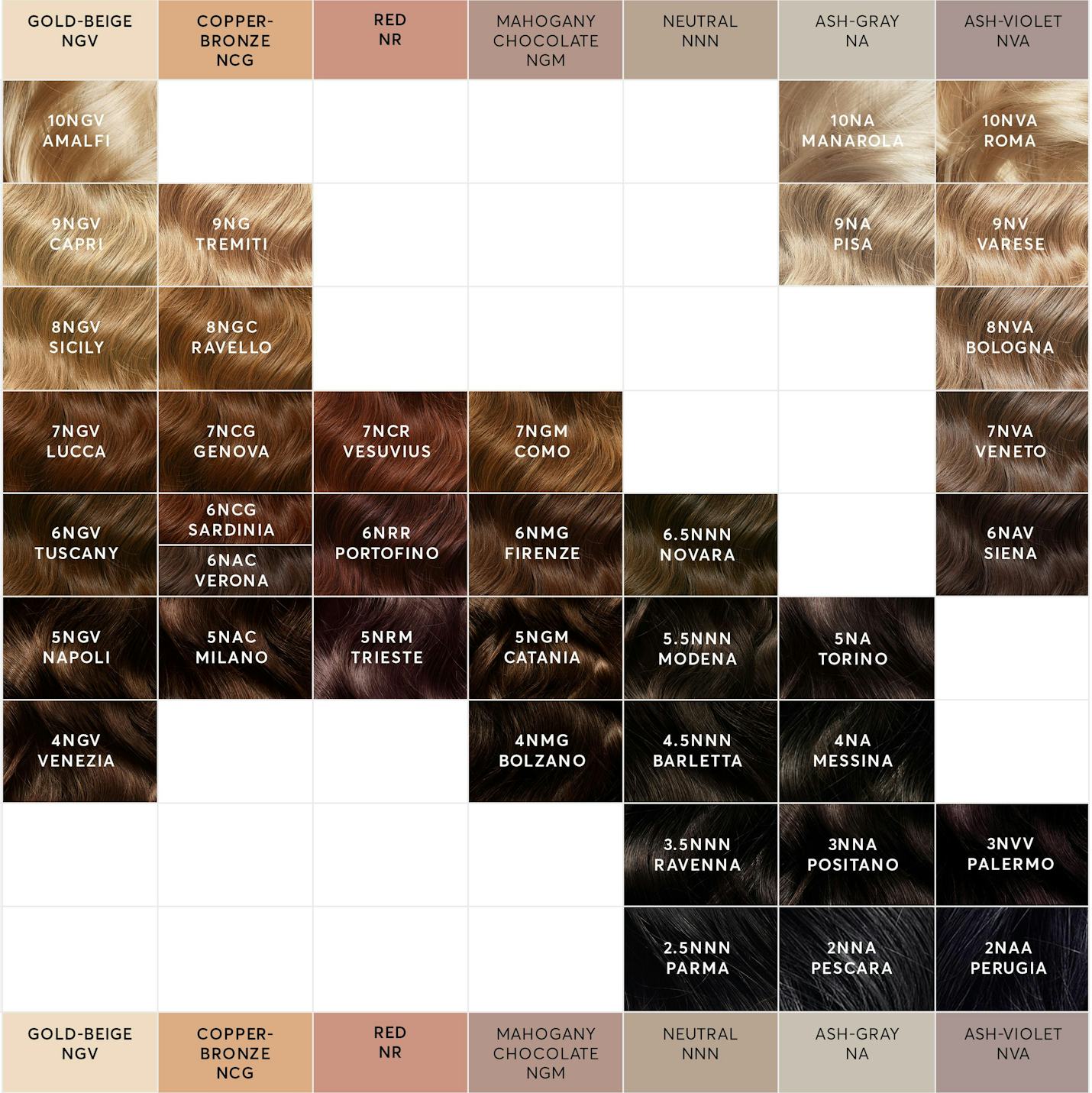
A hair color chart is a valuable tool for anyone seeking to explore the world of hair coloring, offering a visual guide to an array of shades and tones. This simple yet effective reference, often presented as a table or diagram, provides an easy way to navigate and understand the vast options available. In this guide, we'll uncover the key elements of the hair color chart, ensuring you can confidently interpret and utilize it for your hair coloring needs. Whether you're a professional stylist or a home enthusiast, a basic understanding of this chart is essential, as it can vary slightly between brands and regions.
Hair Color Chart: A Visual Guide to Hair Dye
Hair color charts are essential tools for anyone looking to achieve a specific hair color. These charts provide a visual representation of various hair shades, helping individuals choose and understand the desired color outcome.
Key Details and Categories
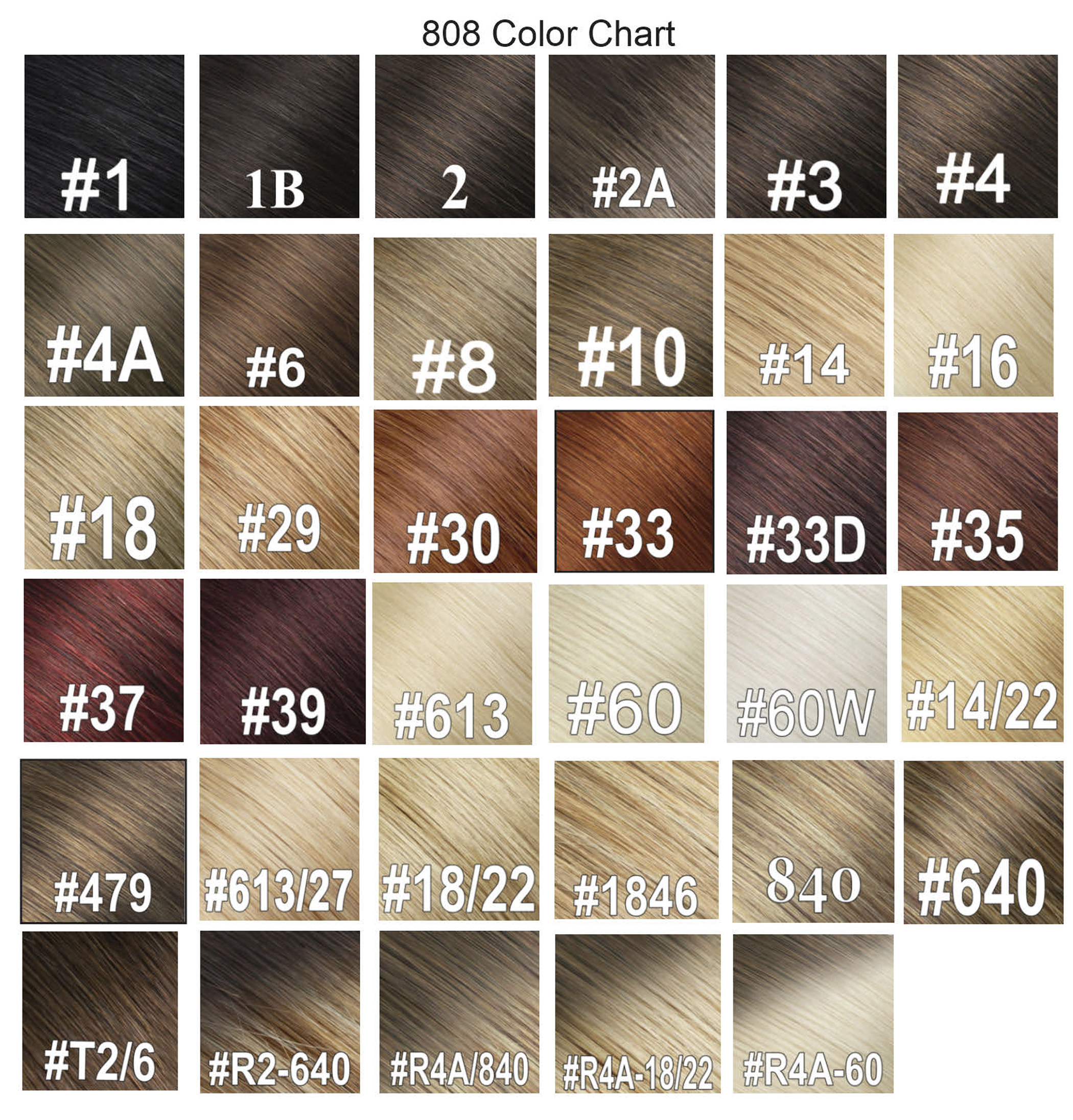
The hair color chart typically consists of a range of colors, often organized in a grid or palette format. Each color is assigned a unique code or number, indicating its position on the chart. These codes are essential for accurate communication when selecting and purchasing hair dye. The chart may also include additional information, such as tone, level, and intensity, to further describe the color.
Reading and Applying the Chart
To use the hair color chart effectively, follow these steps:
Identify the desired hair color by referring to the chart. Compare the existing hair color to the chart to determine the best match or desired change.
Note the color code or number associated with the chosen shade. This code is crucial for selecting the correct hair dye product.
When purchasing hair dye, check the product label for the color code. Ensure it matches the desired shade to avoid any surprises.
Follow the instructions provided with the hair dye for application. Pay attention to the recommended development time and any specific mixing instructions.
Test the color on a small strand of hair before full application. This step helps ensure the desired result and prevents any unwanted surprises.
Variations and Differences
It's important to note that hair color charts can vary depending on the standard or brand being used. Different manufacturers may have their own unique charts and color codes. Additionally, factors like lighting, hair porosity, and previous hair treatments can influence the final color outcome.
Lighting conditions can affect how the color appears, so consider testing the dye in natural light to get an accurate preview.
Hair porosity, which refers to the hair's ability to absorb moisture, can impact color absorption and intensity.
Previous hair treatments, such as bleaching or using certain shampoos, can also alter the way hair absorbs and displays color.
Common Mistakes and How to Avoid Them
One common mistake is relying solely on the hair color chart without considering individual hair characteristics. Always take into account your hair's natural color, texture, and any previous treatments. Another pitfall is neglecting to test the dye on a small section of hair before full application. This simple step can prevent unwanted color results.
Practical Tips for Accurate Results
To achieve accurate results, consider the following best practices:
Consult with a professional hairdresser or colorist, especially if you're new to hair dye or seeking a dramatic change. They can provide expert advice and ensure a safe, satisfactory outcome.
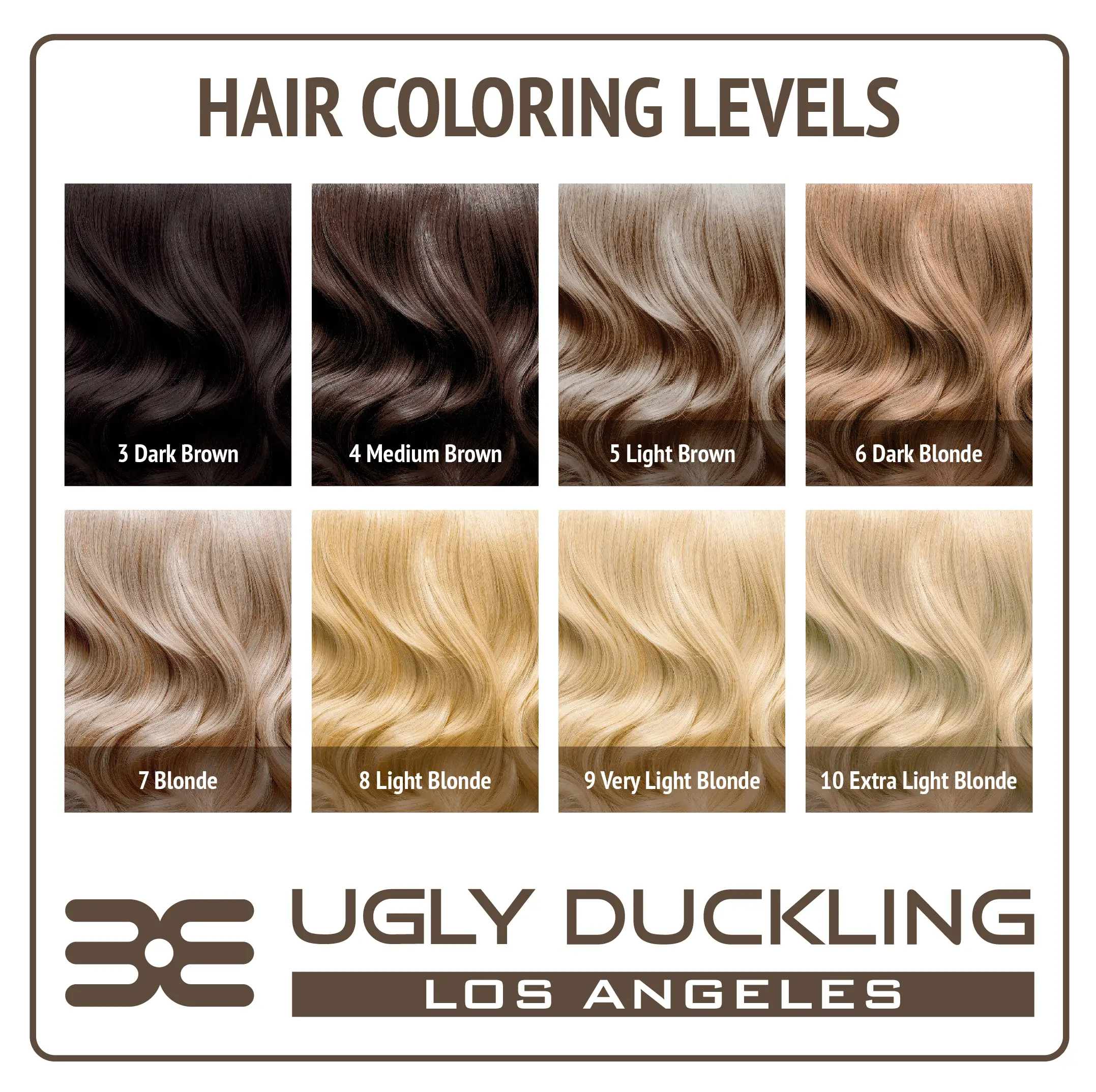
Understand the hair color levels and their impact on the final result. Levels refer to the lightness or darkness of a hair color, and choosing the right level is crucial for achieving the desired shade.
Be aware of the color wheel and how colors interact. Complementary colors can enhance each other, while contrasting colors may create a unique effect.
When mixing colors, start with a small amount and gradually add more to avoid over-saturation or unwanted results.
Remember, hair color charts are valuable guides, but they are not infallible. Always consider individual hair characteristics and consult professionals when needed.
Remember, while this guide provides a solid foundation, the specifics may differ slightly depending on the context and reference you're working with. It's always a good idea to double-check and adapt to your particular situation.
Feel free to explore our other guides for more practical tips and insights. We've got a range of topics covered, so you can find the information you need to navigate any project with confidence. Happy learning and experimenting!
Related: A Quick Guide to Lyon Charter Twp: Reference Values
Frustrated by the endless scrolling and unclear charts? You're not alone. Many people seek a quick, reliable reference when dealing with Lyon Charter Twp and its various charts and diagrams. It's a common challenge, and understanding these visuals is crucial for getting things done efficiently.
Whether you're a resident of Lyon Township or just need to navigate the local government's systems, the charts and references can be a real headache. Rest assured, you're not alone in this, and there are ways to simplify the process.
Understanding Lyon Charter Twp: A Practical Guide
Lyon Charter Twp is a unique form of local government, offering a specific set of services and benefits to its residents. This guide will help you navigate the charter township's structure and operations.
Key Details and Categories
The charter township of Lyon operates under a unique legal status, providing a range of services and powers not typically found in standard townships. It's important to understand the key personnel and their roles, as well as the various departments and their functions. The township's administration is headed by a supervisor, who oversees the daily operations and acts as the chief executive. Other key personnel include the clerk, treasurer, and trustees, each with specific responsibilities.
Reading and Applying the Township Chart
The township chart is a visual representation of the Lyon Charter Twp's organizational structure. It outlines the various departments, their functions, and the reporting hierarchy. To read the chart effectively, start by identifying the supervisor at the top, who has overall authority. Below them, you'll find the clerk, treasurer, and trustees, each with their own areas of responsibility. The chart also shows the various departments and their interconnections, helping you understand the flow of information and decision-making.
Variations and Differences
While the charter township of Lyon follows a standard structure, variations can occur due to specific local needs and preferences. Different townships may have slightly different department names or functions, depending on the community's requirements. Additionally, the size and population of a township can influence its organizational structure. Larger townships may have more specialized departments, while smaller ones might combine certain functions. It's important to be aware of these variations when comparing different townships.
Common Mistakes and How to Avoid Them
One common mistake is assuming that all townships operate identically. While there are standard practices, each township has its own unique characteristics. Another pitfall is overlooking the specific roles and responsibilities of key personnel. It's crucial to understand who does what within the township administration to ensure effective engagement and communication. Finally, failing to consider the township's unique services and benefits can lead to missed opportunities for residents.
Practical Tips for Accurate Understanding
When navigating Lyon Charter Twp, take the time to familiarize yourself with the township's website and official documents. These resources provide valuable insights into the township's structure, services, and contact information. Attend township meetings or events to gain a deeper understanding of local issues and engage with community leaders. Building relationships with township staff and officials can also provide valuable insights and assistance.
Double-Checking and Handling Exceptions
While the township chart provides a useful overview, it's important to double-check specific details and exceptions. Certain services or functions may vary depending on the township's unique circumstances. For example, the availability of certain recreational facilities or specialized programs might differ. It's always a good idea to confirm these details with the relevant department or township office to ensure accurate information.
Hey there, we hope this guide has given you a clear understanding of Lyon Charter Twp and its practical applications. Remember, while we've covered the basics, exact details can vary, so always refer to the most relevant and up-to-date sources for your specific needs.
Feel free to explore our other guides; we've got a whole range of topics to help you navigate various concepts and standards. Happy learning, and stay curious!
Related: Need a shirt size chart? Find your perfect fit!
You're probably here because you need a quick fix, a simple solution to finding your perfect shirt size. And what better tool than a shirt size chart? It's a handy reference, a map to navigate the world of clothing sizes, and it's right at your fingertips. These charts offer a straightforward way to ensure you get the right fit, and they can vary slightly depending on the brand or region, so it's always good to have a reliable guide.
Shirt Size Chart: A Practical Guide
A shirt size chart is a handy reference tool that helps you find the perfect fit for your shirts. It provides a standardized way to determine your size based on key body measurements. These charts are essential for online shopping or when you need to order custom-made shirts.
Key Details and Categories
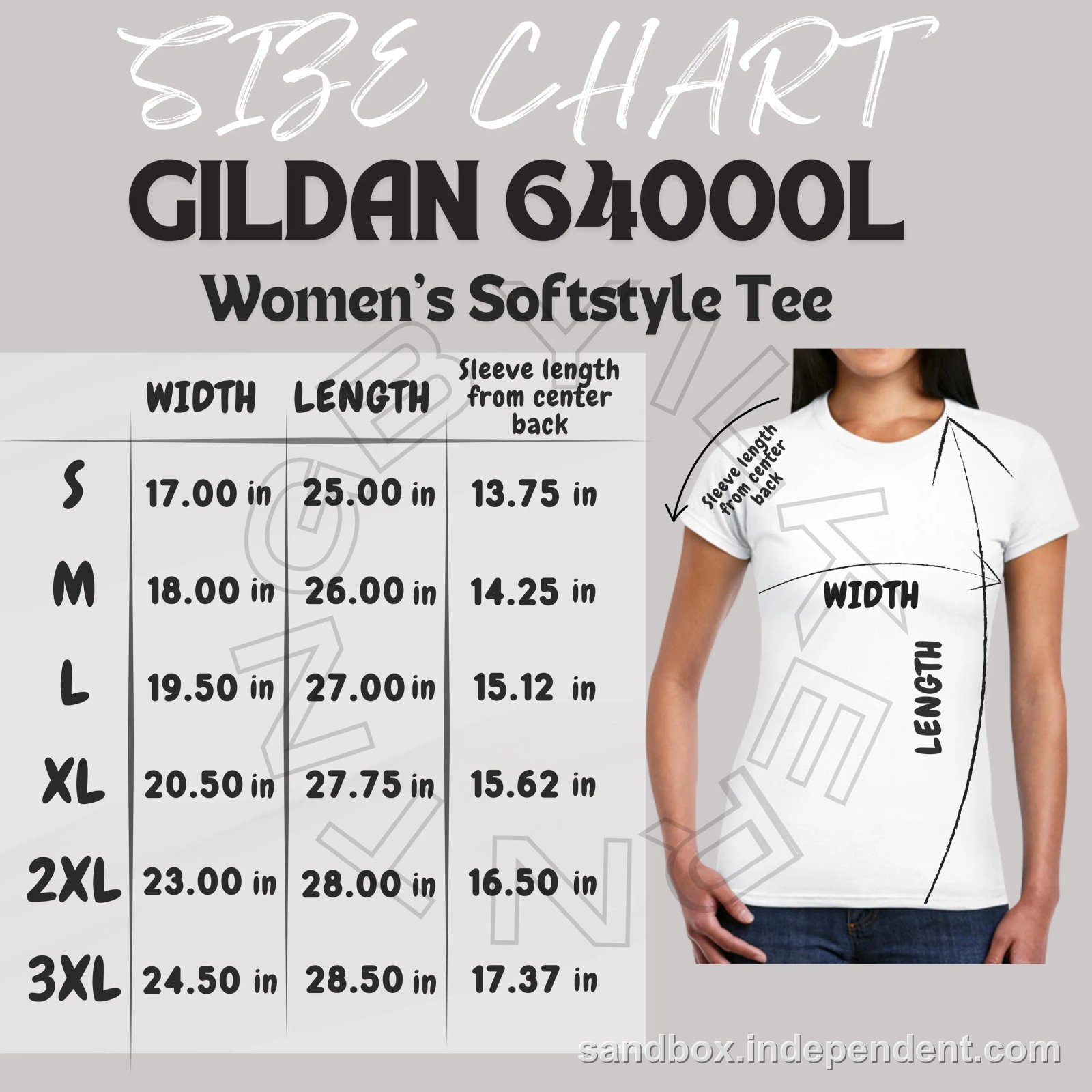
The shirt size chart typically includes measurements for chest circumference, waist circumference, and sometimes arm length. These measurements are usually given in inches or centimeters, depending on the standard being used. The chart also provides a range of sizes, often in small increments, to ensure a precise fit. For example, a chart might offer sizes from XS to 5XL, with each size representing a specific measurement range.
Step-by-Step Guide: Reading and Using the Chart
Follow these steps to accurately determine your shirt size using a size chart:
Measure your chest circumference at the fullest part of your chest, keeping the measuring tape parallel to the floor. This measurement is crucial for finding the right fit.
Locate your chest measurement on the chart. The chart will guide you to the corresponding size, often with a range of measurements for each size. For instance, a size Medium might fit chest circumferences between 38 and 40 inches.
If the chart provides waist circumference measurements, repeat the process for your waist. This measurement ensures a comfortable fit around your midsection.
Compare your measurements to the size chart's ranges. Choose the size that aligns most closely with your measurements. If your measurements fall between two sizes, consider factors like your preferred fit (more relaxed or snug) and the fabric's stretchability.
For more precise fitting, some charts may include arm length measurements. Measure your arm length from the base of your neck to your wrist. Match this measurement to the chart's arm length column to ensure a perfect sleeve length.
Understanding Variations and Differences
It's important to note that shirt size charts can vary depending on the brand, manufacturer, or even the specific style of shirt. Some brands may have slightly different measurement standards or size increments. Additionally, the intended fit of the shirt (e.g., slim, regular, or relaxed) can impact the size chart. Always check the brand's size guide or any notes about fit to ensure an accurate selection.
Common Mistakes and How to Avoid Them
One common mistake is relying solely on your usual shirt size without considering the specific brand or style. Each brand may have its own unique sizing system, so it's crucial to refer to their size chart. Another mistake is neglecting to measure yourself accurately. Take precise measurements, especially for the chest and waist, to ensure an accurate fit. Avoid guessing or estimating, as this can lead to disappointment with the final product.
Practical Fitting Tips for Accurate Results
To ensure the best fit, consider these tips:
When measuring, stand naturally and relax your arms. Avoid pulling the measuring tape too tight or too loose.
If you're between sizes, choose the larger size for a more comfortable fit, especially if the shirt has a slim or tailored cut.
Pay attention to the fabric and its stretchability. Some fabrics, like cotton blends, have more give, while others, like linen, are more rigid.
Check the brand's size guide for any specific notes or recommendations. They might offer tips for their unique sizing or suggest sizing up or down for certain styles.
Consider the intended use of the shirt. If it's for a formal occasion, you might want a more tailored fit, while casual shirts can allow for a looser fit.
Remember, the shirt size chart is a valuable tool, but it's just a guide. Always prioritize your comfort and personal style when making a final decision.
Well, there you have it! A shirt size chart is a handy tool to ensure you get the perfect fit every time. Remember, while these charts provide a great starting point, exact values can vary, so it's always wise to check the specific guidelines for your chosen brand or standard.
Don't forget to explore our other guides and resources; we've got plenty of practical tips to help you navigate the world of fashion and sizing with ease. Stay tuned for more!