







Nd Depth Chart Editable Overview
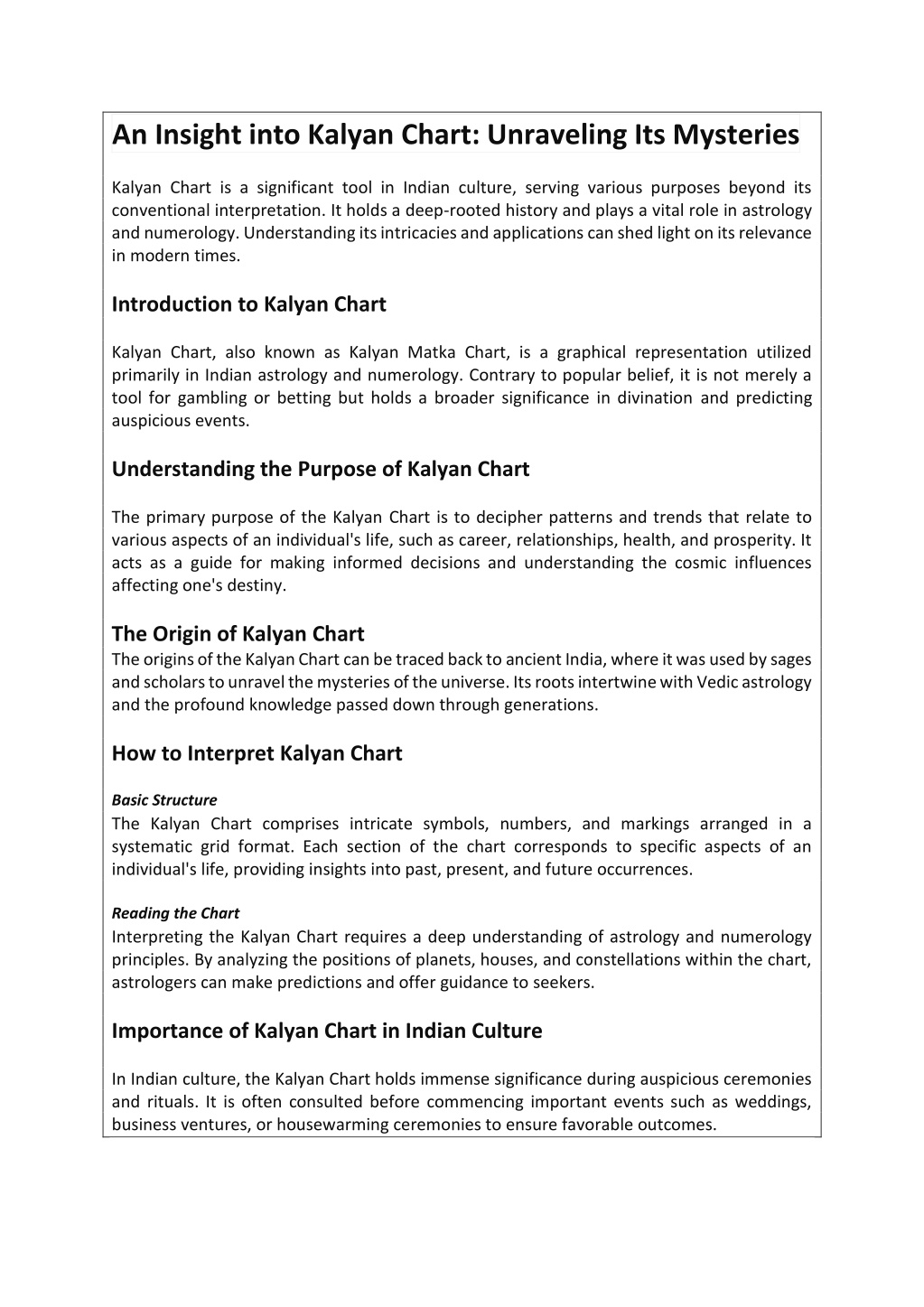
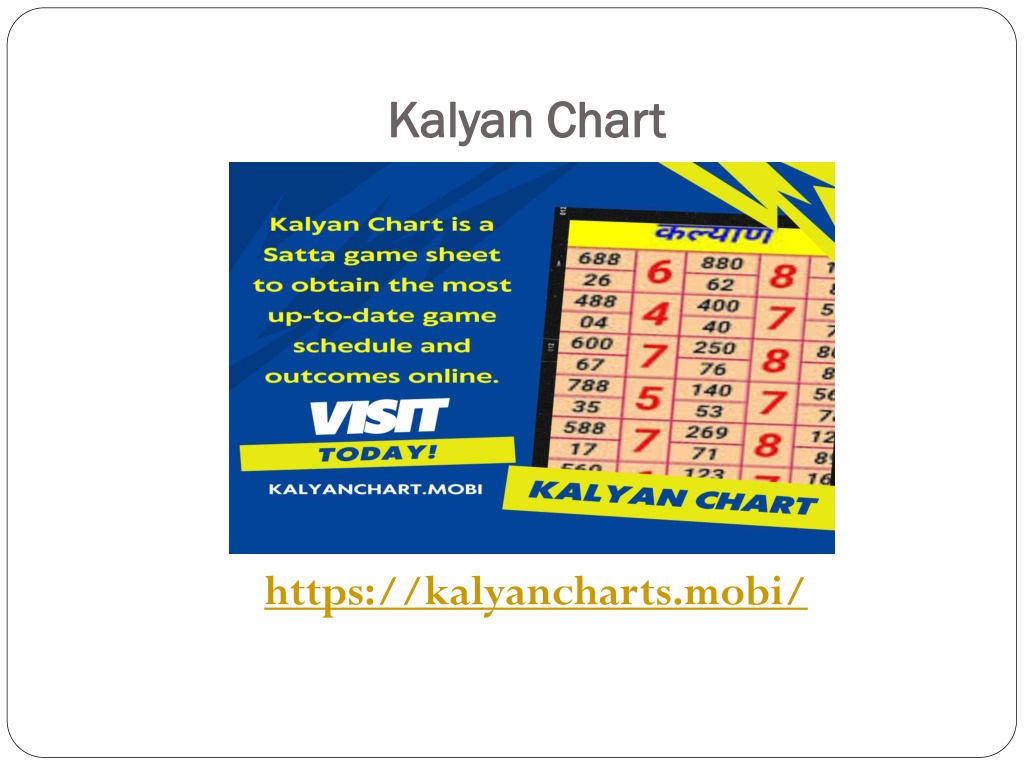
Many people often mistake the chart of kalyan for a complex and mysterious tool, but it's actually a simple and incredibly useful reference guide. The kalyan chart is a straightforward visual aid, and while it may look intimidating at first, its purpose is to provide a quick and easy reference for specific tasks. Think of it as a handy, universal language that simplifies complex information.
You'll find that this chart, in its various forms, is an essential tool for many, offering a clear and consistent way to understand and apply certain standards. Whether it's a kalyan diagram or a reference table, the key is to remember that its values and formats might vary depending on the context, so it's always a good idea to check the specific standards for your needs.
Understanding the Chart of Kalyan
The Kalyan chart is a reference tool that provides a visual representation of key data points, helping users quickly grasp complex information. It's a handy guide, often used in various industries, to make informed decisions and ensure accuracy in measurements and calculations. This chart is a valuable resource, offering a simple yet effective way to interpret and apply specific data.
Comparing Chart Variations
There are different versions of the Kalyan chart, each tailored to specific needs. These variations can include different measurement systems, such as the metric system or imperial units, depending on the region and industry. Additionally, charts may differ in their level of detail and the data they present, ranging from basic overviews to highly detailed breakdowns.
Step-by-Step Guide to Using the Chart of Kalyan
Using the Kalyan chart is straightforward. First, identify the type of chart you're working with, ensuring it aligns with your measurement system and data requirements. Next, locate the specific data point or category you need. Read the values or categories carefully, noting any units of measurement. For instance, if you're using a chart with imperial units, ensure you understand measurements like inches or feet. Finally, apply the data to your calculations or decision-making process.
Common Misreadings and How to Avoid Them
Misinterpreting the Kalyan chart is easy, especially when dealing with multiple variations. To avoid this, always double-check the chart's units and ensure they match your needs. For example, mistaking inches for centimeters can lead to significant errors. Additionally, pay attention to any notes or legends on the chart, as these often provide crucial context. Misreading these can result in incorrect assumptions about the data.
Key Factors Affecting Accuracy
Several factors can impact the accuracy of the Kalyan chart and its real-world applications. These include:
- Standardization: Ensure the chart follows the relevant industry or regional standards.
- Data Freshness: Regularly update your charts to account for any changes in specifications or tolerances.
- User Experience: Familiarity with the chart's format and data can impact accuracy.
- Environmental Factors: Consider any external influences, like temperature or pressure, which may affect measurements.
Choosing the Right Chart Format
Selecting the appropriate Kalyan chart format is crucial for accurate results. Consider your specific needs and the data you require. For instance, if you need detailed measurements, opt for a chart with a higher level of precision. On the other hand, a basic overview chart might suffice for general decision-making. Always ensure the chart's units match your measurement system to avoid confusion and errors.
Keeping Your Reference Reliable
To maintain the reliability of your Kalyan chart, regular updates are essential. Stay informed about any changes in standards or specifications relevant to your industry. Additionally, consider creating a system to track and manage different chart versions, ensuring you always have access to the most recent and accurate data. This practice helps avoid using outdated charts, which can lead to significant errors.
Well, there you have it! A comprehensive guide to the Chart of Kalyan, a handy tool for your reference needs. We've covered a lot of ground, from understanding the different options to ensuring accuracy and reliability.
Remember, when it comes to practical guides like this, it's always worth taking a moment to ensure the specifics match your unique situation. So, double-check those details, and you'll be all set!
If you found this guide helpful, feel free to explore our other resources. We've got a range of practical, no-nonsense guides to assist with various topics. Happy learning, and we hope to see you around!
Related: Understand Chicos Size Charts Easily
Many folks assume that chicos size charts are a one-size-fits-all deal, but that's a common misconception. These charts are actually tailored to the brand's unique sizing system, which can vary from other standard measurements.
So, while it's a simple reference tool, understanding how to read and interpret chicos size charts accurately is key to getting the perfect fit. It's all about knowing your measurements and finding the right correlation on the chart.
Understanding the Chicos Size Chart
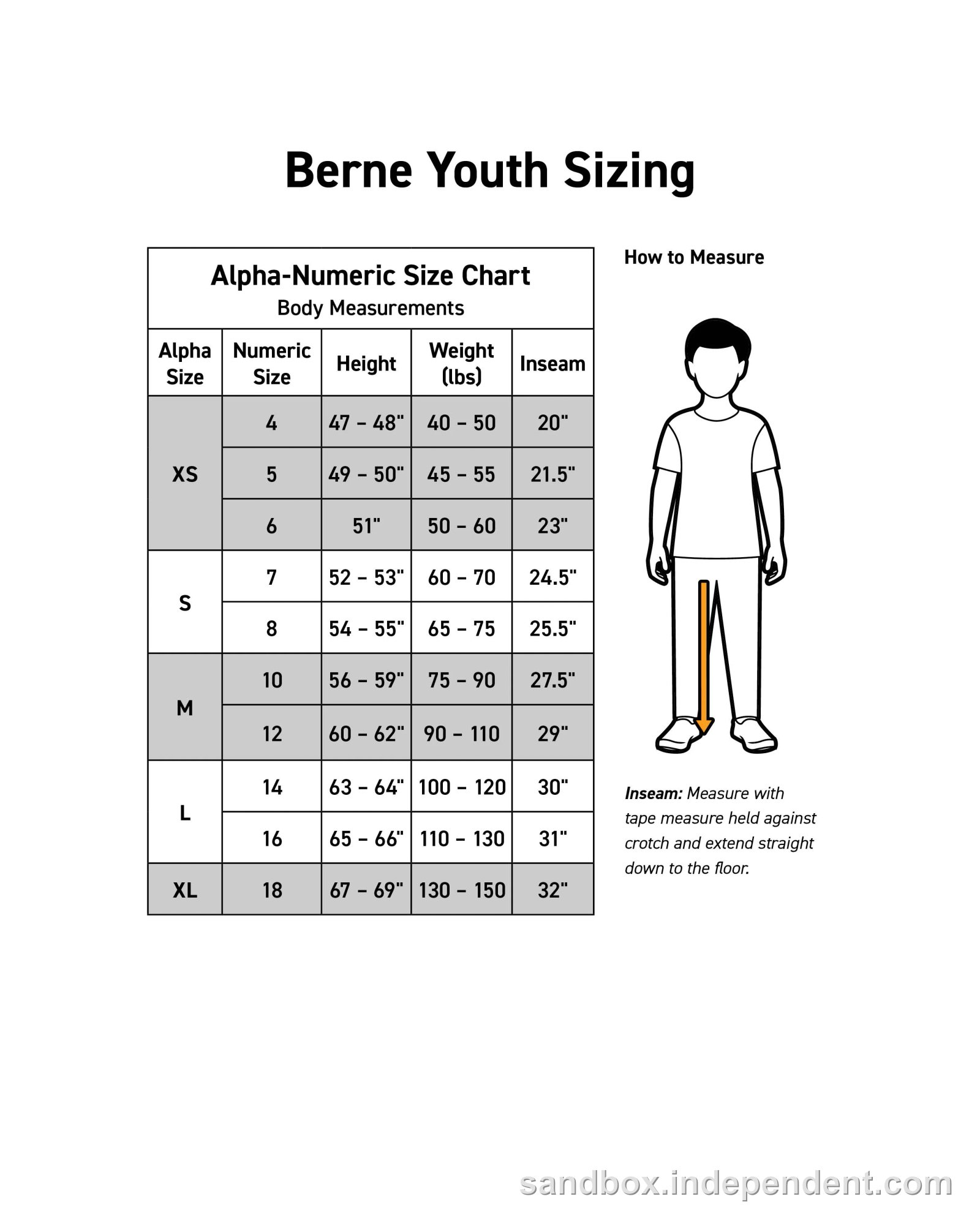
The chicos size chart is a handy tool to help you find your perfect fit when shopping for clothing. It provides a clear guide to the standard measurements used by Chicos, ensuring you can easily navigate their sizing system. This chart is a great reference, especially when shopping online, as it gives you an accurate idea of the sizes available and how they correspond to your own measurements.
Comparing Size Chart Standards
Chicos' size chart follows a standard format, typically based on US sizing, which is widely used in North America. This chart provides measurements for various body parts, including bust, waist, hips, and inseam, to ensure a precise fit. It's important to note that while US sizing is common, other regions may use different standards, such as metric or European sizing. So, if you're used to a different system, it's a good idea to double-check the specific measurements and conversions.
Measuring Yourself for Accurate Sizing
To use the chicos size chart effectively, you'll need to take some key measurements. Here's a step-by-step guide:
- Bust: Measure around the fullest part of your bust, keeping the tape measure parallel to the floor.
- Waist: Measure your natural waistline, usually just above the belly button.
- Hips: Find the widest part of your hips and measure around, ensuring the tape is level with the floor.
- Inseam: For pants and jeans, measure from your crotch to the desired pant length.
Once you have these measurements, you can refer to the size chart and find the closest match. The chart will provide a range of measurements for each size, so you can choose the one that best fits your body.
Common Misreadings and How to Avoid Them
One common mistake is assuming that all clothing brands use the same size standards. While Chicos' size chart is a great guide, it's always a good idea to check the specific brand's size guide, especially if you're a regular customer. Another pitfall is measuring yourself incorrectly. Ensure you're measuring the right body parts and following the guidelines accurately. Finally, don't forget that sizing can vary slightly between different styles and fabrics, so always check the product details for any specific size notes.
Hey there, we hope you found this guide helpful and that it's now easier to navigate the world of Chicos size charts. Remember, while we've covered the basics, exact details might differ slightly, so always double-check with the brand's guidelines or consult our other guides for more specific info.
Consider bookmarking this page for future reference; it's a handy tool to have at your fingertips when you need to quickly look up those size charts!
Related: What is the vocal ranges chart?
Many people mistakenly believe that vocal ranges charts are complex and intimidating, but in reality, they are a simple and powerful tool for singers and vocal enthusiasts. These charts, often presented as visual guides, provide a clear overview of the different voice types and their respective ranges. While the specifics may vary slightly depending on the source, the vocal ranges chart serves as an accessible reference, helping singers navigate and understand their vocal potential.
Understanding the Chart: An Overview
The vocal ranges chart is a handy reference tool for singers and vocal enthusiasts. It provides a visual representation of the different vocal ranges, helping you identify and understand your voice type and its capabilities. This chart is a great starting point for anyone wanting to explore their singing potential and improve their vocal technique.
Comparing Voice Types and Ranges
The chart typically categorizes vocal ranges into several standard types, including soprano, mezzo-soprano, alto, tenor, baritone, and bass. Each category has a specific range of notes, shown as a visual scale, that defines the voice's capabilities. For instance, a soprano voice, often associated with higher pitches, has a range that extends to the higher end of the scale.
How to Read and Use the Chart
Using the vocal ranges chart is straightforward:
- Identify your voice's general range by singing through a scale or using a pitch-detecting app.
- Locate your lowest and highest comfortable notes.
- Refer to the chart and match your range with the closest vocal type.
- Use this information to choose songs that suit your voice and explore your vocal potential.
For example, if your range aligns with the soprano category, you'll know you can comfortably sing higher-pitched songs.
Common Misconceptions and Pitfalls
One common mistake is assuming that the chart provides an exact, rigid definition of your voice type. In reality, vocal ranges can overlap, and some voices may not fit neatly into one category. It's essential to understand that the chart is a guide, and your voice may have unique characteristics that set it apart. Additionally, factors like age, training, and vocal health can influence your range, so regular assessment is beneficial.
Factors Affecting Accuracy and Real-World Use
Several key factors can impact the accuracy of the vocal ranges chart and its real-world application:
- Age and Development: Vocal ranges can change as you age, especially during puberty and early adulthood.
- Training and Practice: Consistent vocal training can expand your range and improve your technique.
- Vocal Health: Illness, strain, or damage to the vocal cords can temporarily alter your range.
- Musical Style and Genre: Different music genres may require specific vocal ranges or techniques.
Adapting the Chart for Specific Needs
While the standard vocal ranges chart is a great starting point, it might not cater to everyone's needs. For instance, some charts provide more detailed subdivisions for specific voice types, offering a more precise guide. Others might use different measurement systems or cater to non-traditional vocal styles. It's essential to choose a chart that aligns with your musical goals and preferences. If you're unsure, consulting a vocal coach or expert can provide valuable guidance.
Hey there! I hope this vocal ranges chart guide has been a helpful tool for you. Remember, these charts are a great reference, but they are not set in stone; the exact details might differ slightly based on your specific needs and the context.
Feel free to explore other guides and resources to deepen your understanding. And don't forget to bookmark this page for future reference; it's always handy to have these tools at your fingertips!