




Negative And Positive Space Overview
An eye shape chart is a valuable tool for understanding and identifying the various shapes and structures of the eyes. This guide aims to provide a straightforward overview, offering insights into how these charts work and their practical applications.
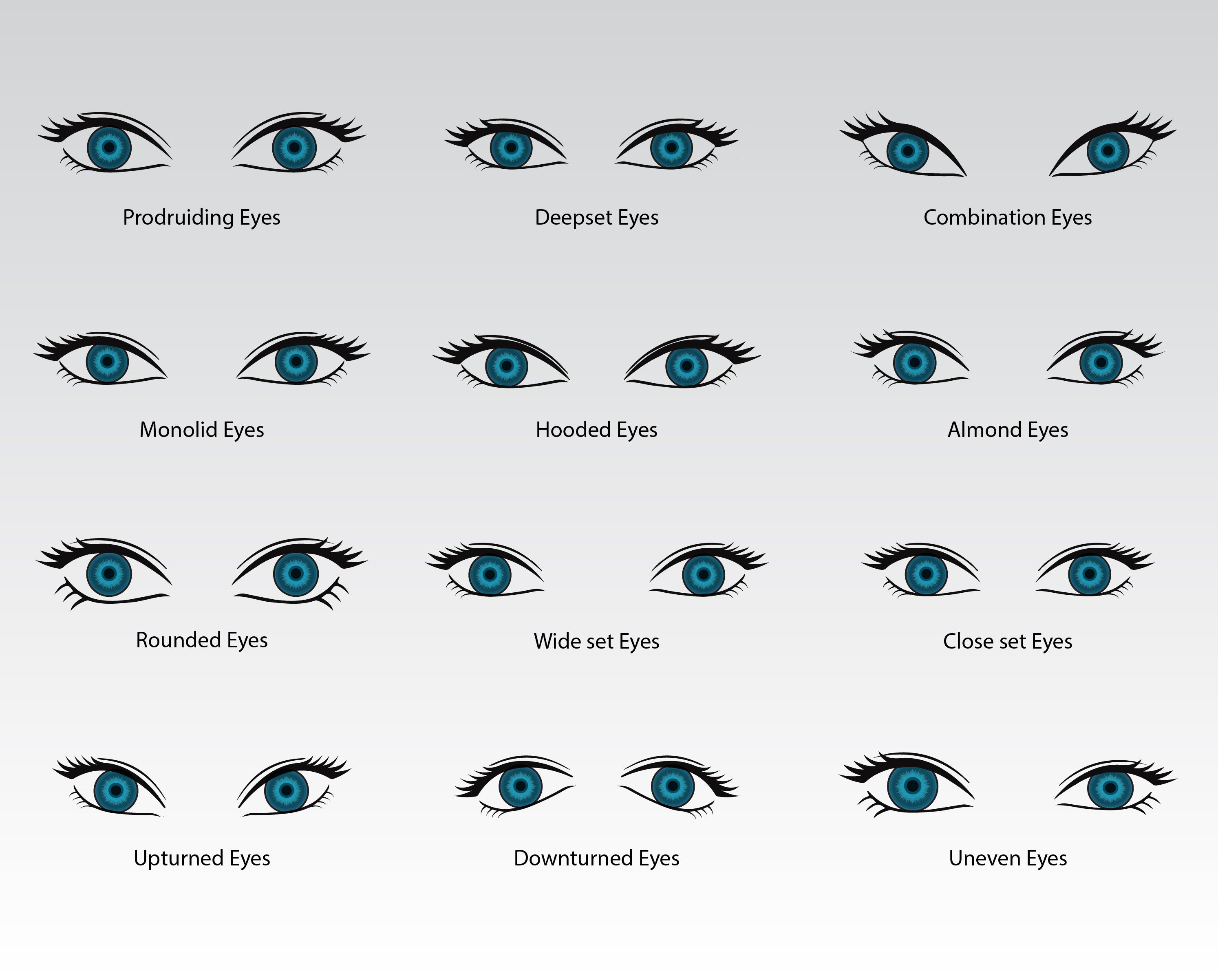
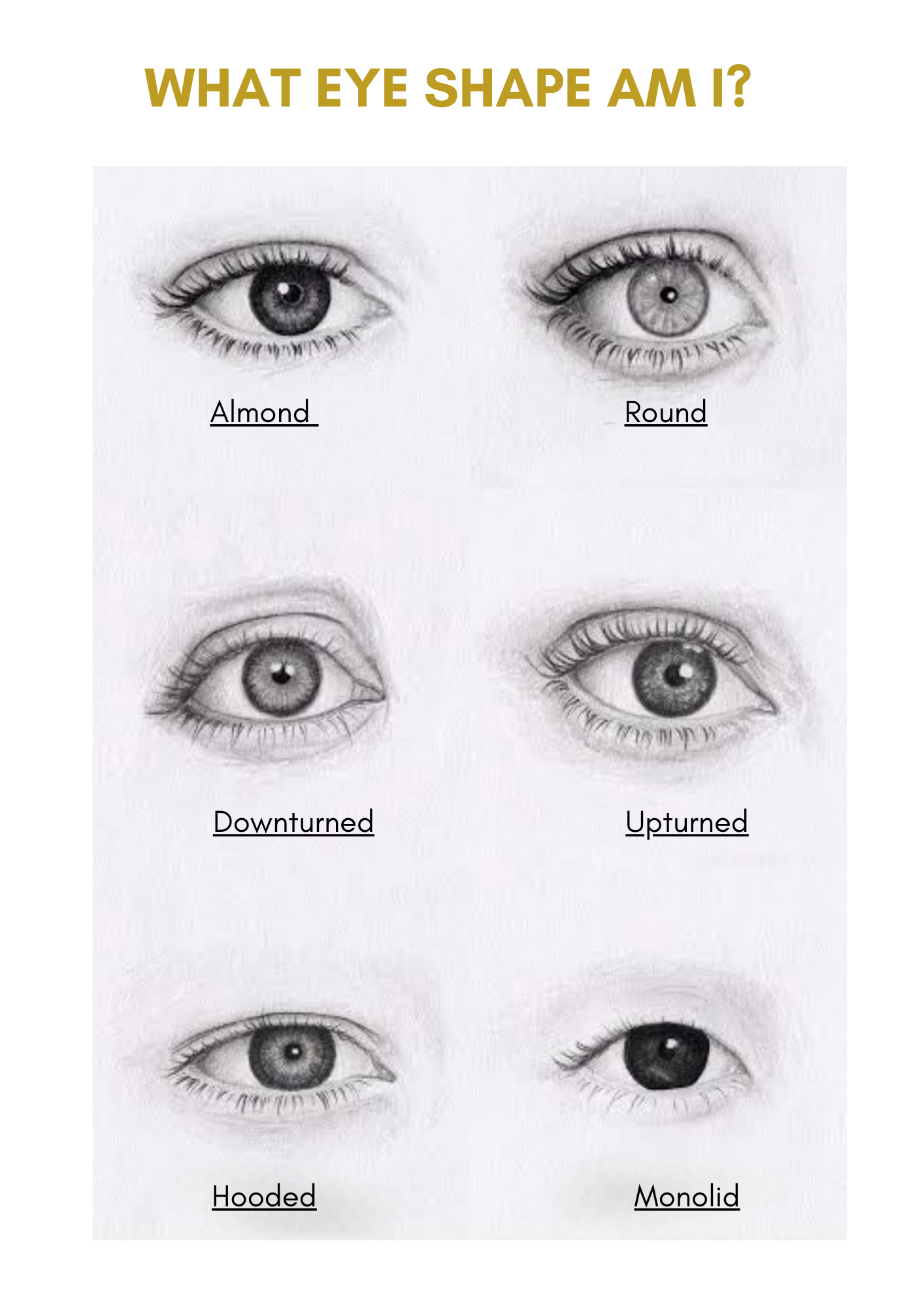
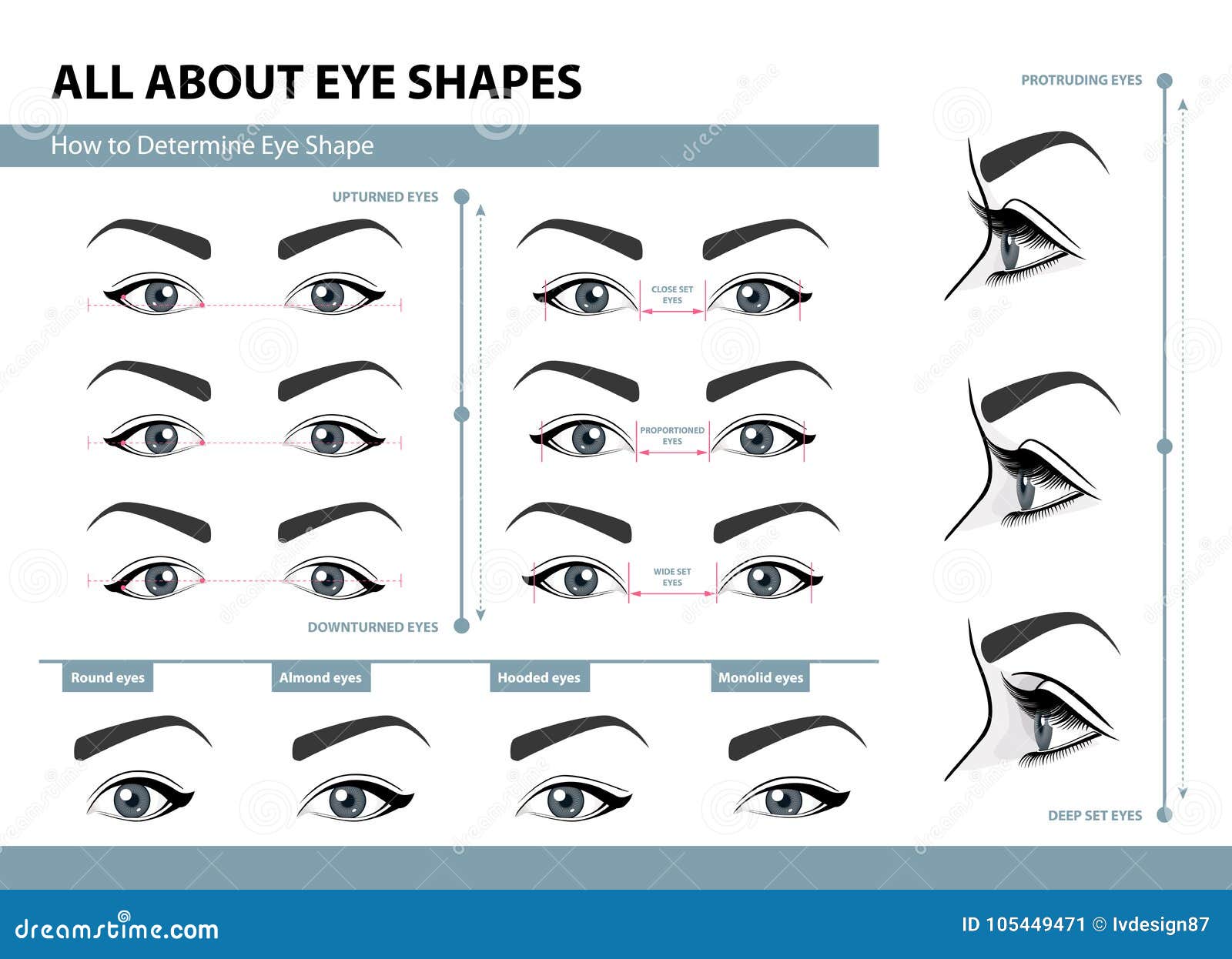
The chart serves as a visual reference, categorizing eye shapes and often including measurements. It can help individuals recognize their eye type and understand the associated terminology, such as monolid or hooded. While the specifics may vary depending on the source, the eye shape chart remains a reliable starting point for self-analysis and a great foundation for further exploration.
Understanding Eye Shapes: An Eye-Opening Guide
The eye shape chart is a valuable tool for anyone seeking to learn about the diverse shapes of eyelids and eyes. This guide will help you navigate this chart, offering a clear understanding of its purpose and use.
Key Details and Categories
The eye shape chart typically categorizes eye shapes based on the appearance of the eyelid and the visible portion of the eye. Common categories include monolid, hooded, almond, round, and deep-set eyes. Each category has unique characteristics, such as the presence or absence of a visible eyelid crease or the shape of the eye itself.
Reading the Eye Shape Chart: A Step-by-Step Guide
To read the eye shape chart, follow these steps:
Start by identifying the primary features of your eyes. Look for the presence of an eyelid crease, the shape of the eye opening, and the overall contour of the eyelid.
Compare your observations to the categories on the chart. Match the visible features of your eyes to the corresponding category.
Once you've identified your eye shape, you can explore the chart further to learn more about your specific eye type. The chart often provides additional information, such as common traits, makeup tips, or even optical considerations.
Variations and Differences: Why Do They Exist?
Variations in eye shapes are a natural part of human diversity. Genetic factors play a significant role, as eye shape is often inherited. Additionally, factors like age, ethnicity, and even lifestyle can influence the appearance of the eyelids and eyes. For instance, as we age, the skin around the eyes may change, affecting the shape and visibility of the eyelid crease.
Common Mistakes and How to Avoid Them
When using the eye shape chart, it's important to avoid these common mistakes:
Relying solely on the chart: While the chart is a great guide, individual variations exist. Take it as a starting point, but consider seeking professional advice or conducting further research for a more precise understanding.
Overlooking personal features: Each person's eyes are unique. Pay attention to your specific eye traits, such as the color, size, and spacing, as these can influence the overall appearance.
Ignoring context: The eye shape chart may not cover all situations. For example, certain medical conditions or previous surgeries can alter eye shape. Always consider your personal context and consult experts when needed.
Practical Tips for Accurate Results
To ensure accurate results when using the eye shape chart, consider these tips:
Lighting: Ensure you examine your eyes in natural light or good artificial lighting to get an accurate view.
Angle and Distance: Maintain a consistent angle and distance when observing your eyes to avoid distortion.
Compare and Contrast: Compare your eyes to the chart's examples, but also contrast them with other eye shapes to gain a broader understanding.
Seek Expert Advice: If you're unsure or have specific concerns, consult an optometrist or ophthalmologist for a professional opinion.
Remember, the eye shape chart is a valuable tool, but it's just one part of understanding your unique eye characteristics.
Remember, while this guide offers a comprehensive overview, the specifics of eye shape charts can differ slightly based on individual needs and contexts. Feel free to adapt and customize the chart to suit your unique requirements.
Consider bookmarking this page for future reference. Whether you're a makeup artist, a fashion enthusiast, or simply curious about eye shapes, having this guide handy will ensure you always have a reliable resource at your fingertips.
Related: Understanding DVC Point Charts: A Simple Guide
You're likely here because you're seeking clarity on DVC point charts, a valuable tool for Disney Vacation Club members. These charts provide an overview of your DVC points, offering a quick reference for understanding your vacation ownership and the associated benefits. While the specific values and formats may vary, depending on your membership and region, the DVC point charts serve as a reliable guide to help you navigate and make the most of your Disney vacations.
Understanding the Chart: DVC Point Values
DVC point charts are a valuable tool for members of the Disney Vacation Club (DVC) to understand and manage their vacation ownership and resort points. These charts provide a clear overview of the point values assigned to different DVC resorts, allowing members to plan their vacations effectively. By referring to this chart, members can determine the cost of their desired accommodations and make informed decisions about their vacation plans.
Comparing Resort Point Values
The beauty of DVC point charts lies in their ability to standardize point values across various resorts. Each resort is assigned a specific point value, reflecting its popularity, location, and amenities. These point values are crucial for members as they determine the number of points required to book a stay. The chart typically displays resorts in a hierarchical manner, with the most sought-after destinations having higher point values. Members can easily compare and contrast the point requirements for different resorts, helping them choose the perfect vacation spot.
Step-by-Step Guide: Using DVC Point Charts
To make the most of DVC point charts, follow these simple steps:
- Identify your preferred DVC resort(s) and the desired dates for your vacation.
- Refer to the DVC point chart to find the point value associated with each resort during your chosen time frame.
- Calculate the total number of points needed for your stay, considering the length of your trip and the point values of the resorts.
- Check your DVC account balance to ensure you have sufficient points for your desired reservation.
- Proceed with booking your vacation, utilizing your DVC points effectively.
Avoiding Common Misunderstandings
While DVC point charts are straightforward, it's essential to be aware of potential pitfalls. One common misunderstanding is assuming that point values remain constant throughout the year. In reality, point values can fluctuate based on seasons and demand. Always check the specific dates you wish to travel, as point values may differ between peak and off-peak periods. Additionally, be mindful of any special events or promotions that could impact point values temporarily. Staying informed about these variations will ensure accurate planning.
Factors Affecting Point Value Accuracy
Several factors influence the accuracy of DVC point charts and their real-world application. Firstly, it's crucial to note that point values are subject to change, especially during peak travel seasons or for special events. Members should regularly update their knowledge of point values to ensure they are planning their vacations based on the most current information. Additionally, the availability of certain resorts and accommodations can impact point values, as popular options may require more points during high demand. Staying flexible and open to alternative choices can help members optimize their point usage.
DVC point charts are a handy tool, offering a quick and clear reference for your planning needs. Remember, these charts are a guide, and while they provide a great starting point, it's essential to tailor them to your unique situation.
So, take a moment to review your specific requirements and ensure the chart you choose aligns perfectly with your goals. Then, you'll be all set to make the most of your DVC points!
If you're keen to explore more, our site offers a wealth of resources to enhance your understanding. Why not check out some related guides and continue your learning journey?
Related: Understanding the Mens Size Chart
You've found yourself searching for a mens size chart, perhaps for a specific item or to understand the sizing standards better. This chart is a handy tool, offering a quick and visual way to navigate clothing and shoe sizes, especially when you need to get the right fit. It provides a simple reference, often with clear columns and rows, making it easy to find your size and ensure a comfortable, well-fitted garment. While the values and formats may vary, depending on the brand or region, the mens size chart is a reliable starting point for anyone seeking a precise fit.
Understanding the Mens Size Chart
The mens size chart is a valuable tool for anyone looking to find the perfect fit for their clothing or footwear. It provides a standardized guide to help determine the right size for men's garments, ensuring a comfortable and well-tailored look. This chart simplifies the process of finding your size by offering a clear reference for various measurements.
Key Measurements Explained
The mens size chart typically includes essential measurements such as chest, waist, and hip circumference, along with height and sometimes sleeve length. These measurements are presented in a tabular format, with columns indicating different sizes and rows for each measurement. The chart may also include a size guide, offering a quick reference for the corresponding measurements of each size.
Reading and Applying the Chart: A Step-by-Step Guide
Identify the measurement you need: Start by determining the specific measurement you want to find, whether it's chest size, waist size, or any other relevant dimension.
Locate the correct column: Find the column on the chart that corresponds to the size you believe you are. This is usually indicated by a size label, such as "Small," "Medium," or "Large."
Check the measurements: Within the chosen column, look for the row that matches the measurement you're seeking. For instance, if you're finding your chest size, locate the row labeled "Chest."
Compare and select: Compare the measurement on the chart with your own body measurements. If your measurement falls within the range provided, that size should be a good fit. If not, try the next size up or down and repeat the process until you find the closest match.
Consider other factors: While the chart provides a general guide, individual body shapes and preferences may vary. Consider factors like your desired fit (loose or fitted) and the style of the garment when making your final size selection.
Common Size Variations and Their Causes
Size charts can vary depending on several factors. One significant influence is the standard being used, as different regions and manufacturers may have their own sizing systems. For instance, a size "Medium" in the US may not align with a "Medium" in Europe. Additionally, the intended use of the garment can impact sizing; athletic wear, for example, often has a different fit compared to casual wear. It's essential to be aware of these variations and refer to the specific size chart provided by the brand or retailer.
Mistakes to Avoid and How to Get it Right
A common mistake is relying solely on your usual size without considering the specific brand or style. Each brand may have its unique sizing, so it's crucial to refer to the provided size chart. Additionally, ensure you measure yourself accurately, as slight variations can make a difference in finding the perfect fit. Always double-check the measurements against the chart to avoid any sizing errors.
Tips for Accurate Sizing and a Perfect Fit
To ensure an accurate fit, measure yourself with a flexible tape measure. Take your measurements while wearing minimal clothing to get the most precise results. If you're between sizes, consider the fabric and style of the garment. Some materials have more give, allowing for a slightly looser fit, while others may be more structured and require a precise size match. Don't be afraid to try on different sizes and trust your judgment based on the provided size chart and your own comfort.
While we've covered the essentials, it's worth noting that the specifics of size charts can vary, so it's always a good idea to double-check the source and ensure you're using the right measurements for your context.
Don't worry, though; with a bit of practice, reading and applying size charts will become second nature. If you ever need a quick refresher, feel free to revisit this guide or explore our other helpful references. It's always good to have these tools at your fingertips!