



New Era Size Chart A4 Overview
A quilt sizes chart can be a handy tool, but it's often misunderstood as a rigid, one-size-fits-all guide. In reality, these charts are flexible and adaptable, offering a range of standard sizes as a starting point for your quilting journey.
While the quilt sizes chart provides a great reference, it's important to remember that these dimensions can vary slightly depending on your region and personal preferences. Whether you're crafting a crib quilt size or aiming for a king-size masterpiece, understanding the chart is key to achieving your desired quilt measurements.
Understanding the Quilt Sizes Chart
The quilt sizes chart is your practical guide to creating quilts with precision and ease. It provides a clear overview of standard quilt dimensions, helping you choose the right size for your project and ensuring a perfect fit every time. This chart is a valuable resource for quilters, offering a quick reference to common quilt sizes and their measurements.
Comparing Quilt Size Categories
When exploring the quilt sizes chart, you'll notice a range of categories, each representing a specific quilt size. These categories are typically based on standard bed sizes, such as crib, twin, full, queen, and king. The chart provides the length and width measurements for each size, allowing you to select the right dimensions for your quilt. It's a simple and effective way to ensure your quilt fits its intended purpose.
Step-by-Step Guide to Using the Chart
Using the quilt sizes chart is straightforward. Here's a simple guide:
- Identify the intended use for your quilt. Are you making a crib quilt, a baby quilt, or a larger quilt for a bed?
- Refer to the chart and locate the relevant category.
- Take note of the length and width measurements provided. These are the standard dimensions for that particular quilt size.
- Measure your available space or the intended recipient's bed to ensure the quilt will fit perfectly.
- Use the chart's measurements as a guide to create your quilt pattern and ensure a comfortable and well-fitted result.
Avoiding Common Misreadings
While the quilt sizes chart is a reliable reference, it's essential to avoid common misreadings. Always double-check the units of measurement, as some charts may use imperial or metric units. Additionally, be aware that the chart provides standard measurements, and variations may exist based on personal preferences or specific projects. Always measure your space or the intended bed to ensure an accurate fit.
Factors Affecting Accuracy
Several factors can influence the accuracy of your quilt size selection. Firstly, the intended use of the quilt is crucial. A crib quilt will have different dimensions compared to a king-size bed quilt. Additionally, personal preferences and design choices can impact the final size. Some quilters may opt for a larger or smaller quilt, depending on their style and the recipient's needs. Always consider these factors when referring to the quilt sizes chart.
Adapting to Specific Needs
While the quilt sizes chart provides standard measurements, it's flexible enough to accommodate custom quilt dimensions. If you require a unique size, you can use the chart as a starting point and adjust the measurements to fit your specific needs. This adaptability allows quilters to create one-of-a-kind quilts that perfectly suit their vision and the intended recipient's preferences.
Keeping Your Reference Reliable
To ensure the continued reliability of your quilt sizes chart, it's essential to keep it updated and accessible. Regularly refer to reputable sources to verify the accuracy of the measurements, especially if you notice any significant changes in standard quilt sizes. Consider printing the chart or saving it digitally for easy reference during your quilting projects. By keeping your chart up-to-date, you'll always have a trusted guide for creating beautifully sized quilts.
Well, there you have it! A handy guide to quilt sizes, covering all the bases and giving you the tools to tackle any quilting project.
Remember, every quilter's needs are unique, so take a moment to ensure the sizes and standards you're using fit your specific project. With these tips and tricks, you'll be quilting like a pro in no time!
Feel free to explore our other guides and resources; we've got plenty of practical advice to offer, so you can keep crafting with confidence. Happy quilting!
Related: How to Use the Helmet Size Chart
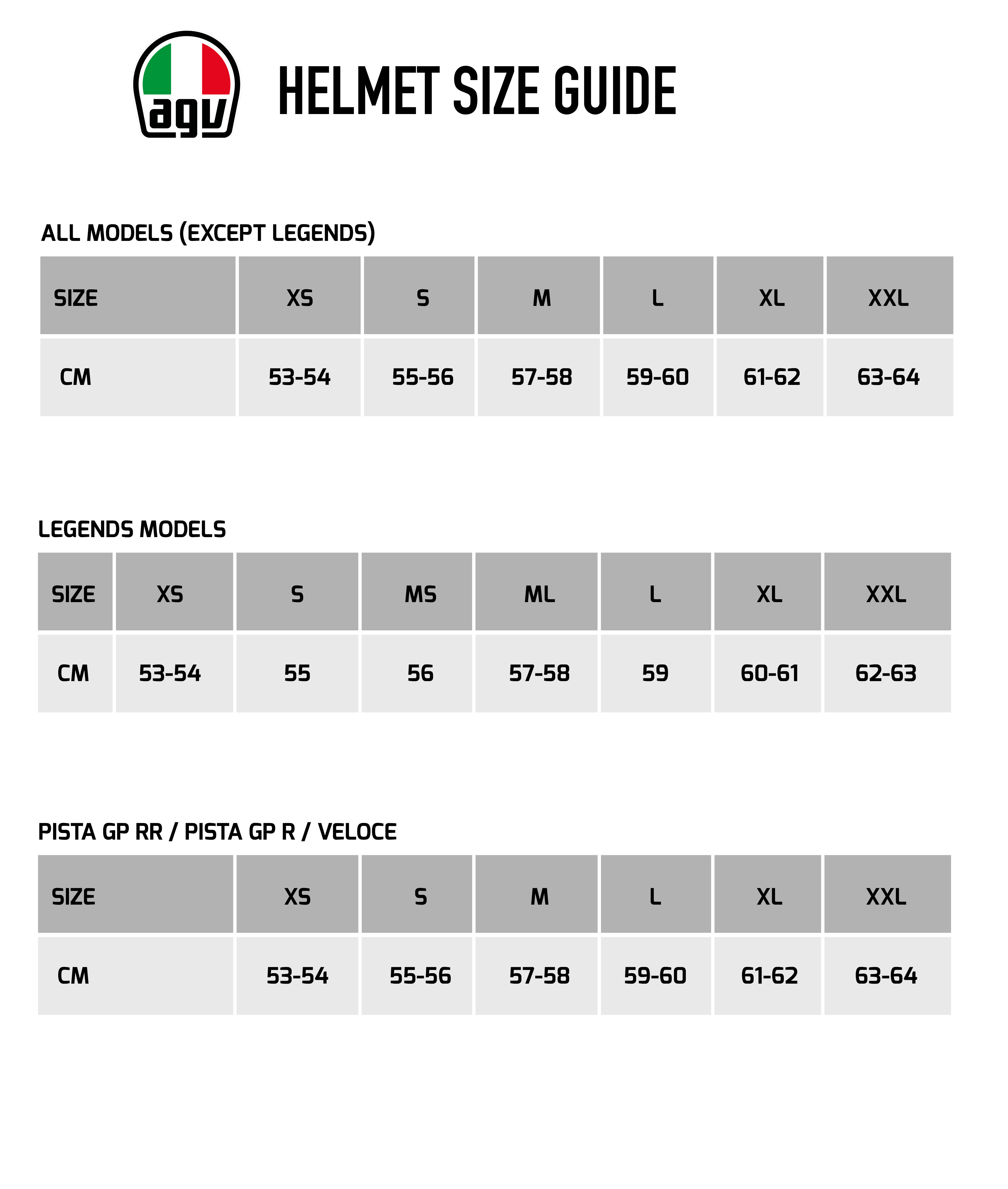
Many folks assume that a helmet size chart is a one-size-fits-all guide, but that's not always the case! While it's a handy tool, it's important to understand that these charts can vary and are tailored to specific standards and brands.
So, when you're measuring for a new helmet, whether it's for biking, skiing, or any other adventure, remember that the helmet size chart is your friend, but it's just one part of the sizing process. You'll want to ensure an accurate head circumference measurement and consult a helmet size guide or fitting guide for the best results.
Understanding Helmet Size Charts
Helmet size charts are your go-to guide for ensuring a perfect fit. They're like a map, showing you the different sizes and helping you find the right one for your head. These charts are essential for anyone looking to buy a helmet, be it for cycling, skiing, or any other activity.
Key Details and Categories
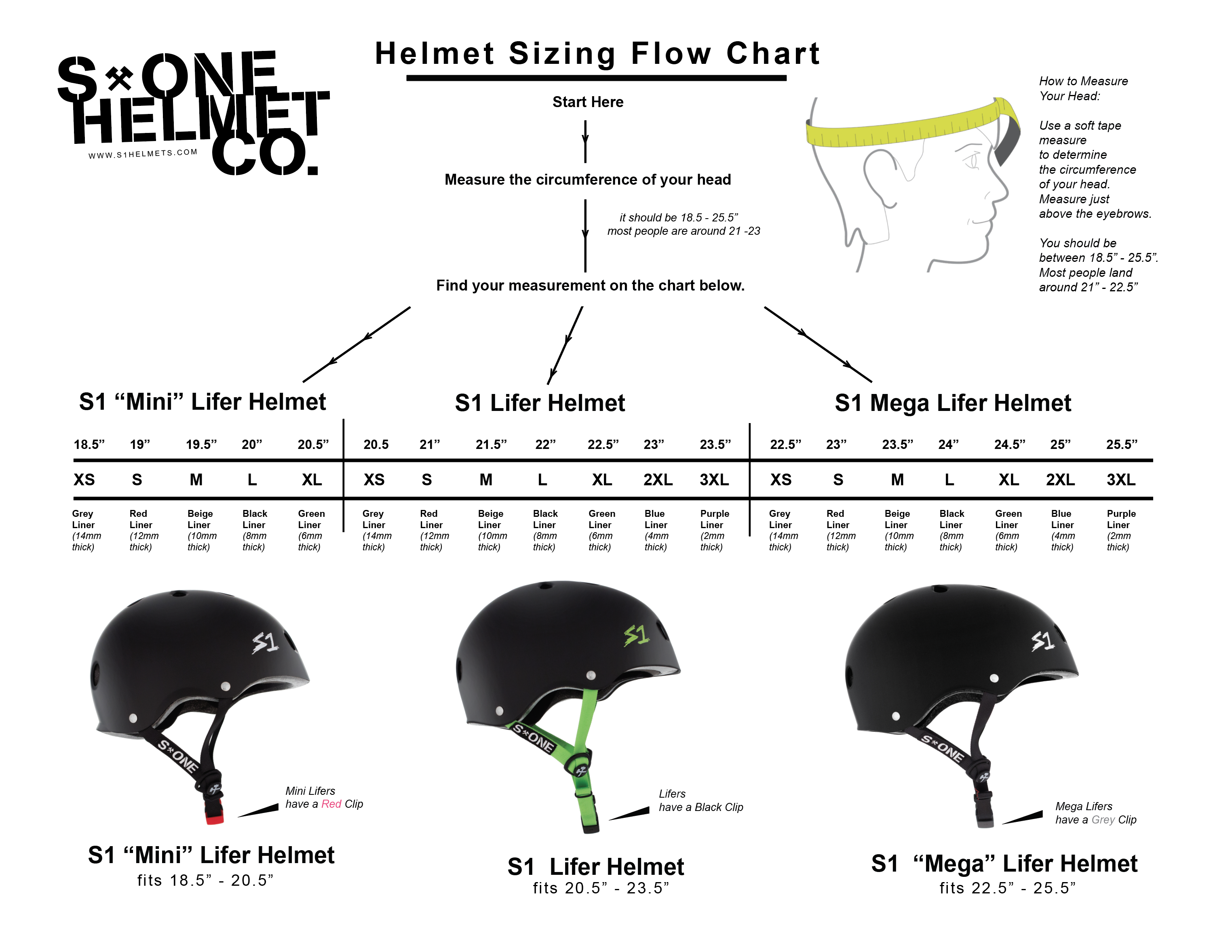
The helmet size chart typically includes two main measurements: head circumference and helmet size. Head circumference is the key measurement, often given in inches or centimeters, and it's a crucial factor in finding the right fit. Helmet sizes, on the other hand, can vary depending on the standard and the type of helmet. Some charts may use letters (e.g., S, M, L) or numerical ranges to represent sizes.
Reading and Applying the Chart
Using a helmet size chart is straightforward. Here's a step-by-step guide:
- Measure your head circumference. Wrap a flexible tape measure around the widest part of your head, just above your eyebrows and ears. Ensure it's not too tight or too loose.
- Refer to the chart and locate your head circumference measurement. This will give you a range of helmet sizes that should fit you.
- Try on helmets within this size range. Adjust the helmet's fit system (if available) to achieve a snug, comfortable fit.
- Ensure the helmet sits level on your head, covering your forehead and not tilting back. It should feel secure without excessive pressure.
Variations and Differences
Variations in helmet size charts can arise due to different standards and manufacturers. Here are some key factors to consider:
- Measurement Units: Some charts use inches, while others use centimeters. Always check the units to ensure accurate readings.
- International Standards: Different countries may have their own sizing standards. For example, the US and Europe might use different size ranges.
- Helmet Type: The chart may vary based on the helmet's purpose. A cycling helmet size chart might differ from a motorcycle helmet chart.
- Manufacturer Preferences: Some brands might have slightly different sizing guidelines, so always refer to their specific charts.
Common Mistakes and How to Avoid Them
When using a helmet size guide, avoid these common pitfalls:
- Wrong Measurement: Ensure you measure your head accurately. A slight difference can lead to an ill-fitting helmet.
- Assuming Sizes are Universal: Don't assume that all helmets of the same size will fit the same. Always refer to the specific chart for each helmet.
- Neglecting Comfort: A helmet should feel comfortable and secure. Don't sacrifice comfort for a "close enough" fit.
Practical Tips for Accurate Results
To ensure you get the perfect fit, consider these tips:
- Measure your head circumference multiple times to ensure consistency.
- If you're between sizes, opt for the larger size to allow for a comfortable fit.
- Try on helmets in-store if possible, as this gives you a better idea of the fit and comfort.
- Consider the shape of your head. Some helmets are designed for specific head shapes, so pay attention to this detail.
Double-Checking and Handling Exceptions
While helmet size charts are a great guide, there are some cases where you might need to double-check:
- If you have an unusually shaped head, consult an expert or a professional fitter.
- For custom-fit helmets, the manufacturer's guidelines should be followed precisely.
- In cases of extreme head sizes (very large or very small), specialized helmets might be required. Always check with experts or medical professionals in such cases.
Remember, a properly fitted helmet is crucial for your safety and comfort. Take the time to understand and utilize the helmet size chart effectively.
Well, there you have it! A helmet size chart is a handy tool to ensure a perfect fit, and it's important to understand the basics and know the potential variations.
Remember, while this guide offers a solid framework, every situation is unique. So, take a moment to consider your specific needs and requirements. Whether it's for cycling, skiing, or any other activity, ensure you're aware of any unique standards or guidelines that may apply. With that in mind, you're all set to measure and find the perfect helmet size!
Consider bookmarking this page for future reference; it's always good to have a quick and easy reminder when you need it. Happy measuring, and stay safe out there!
Related: Understanding the Youth Sizes Chart
Many folks assume that a youth sizes chart is just for clothes, but it's so much more! While it's true that these charts are essential for nailing the perfect fit in kids' clothing, they also cover a wide range of products, from shoes to sports gear. A quick glance at a youth sizes chart can save you time and ensure an accurate fit, whether you're shopping for your own kids or buying a gift.
Understanding the Youth Sizes Chart
The youth sizes chart is a handy reference tool for parents and caregivers to navigate the world of kids' clothing and footwear sizing. It provides a standardized guide to help you choose the right size for your child, ensuring a comfortable and well-fitted outfit. This chart is a valuable resource, especially when shopping online or for specific brands, as it can vary from the standard.
Comparing Standards and Formats
There are a few key standards and formats to be aware of when using a youth sizes chart. The most common are the US standard, which is widely used in North America, and the metric or international standard, which is more prevalent in Europe and many other parts of the world. These standards may have slight variations in measurements and categories, so it's essential to know which one you're dealing with. Additionally, some brands might have their own unique sizing systems, especially for specialized sportswear or fashion lines.
Step-by-Step Guide to Using the Chart
Here's a simple process to follow when using a youth sizes chart:
Identify the standard: Determine whether you're using the US or metric standard. This information is usually indicated on the chart or provided by the retailer.
Measure your child: Take accurate measurements of your child's body, including height, weight, and key dimensions like chest, waist, and hip circumference. You can use a measuring tape or refer to existing measurements if you have them.
Locate the relevant category: Using the measurements, find the corresponding size category on the chart. This will typically involve matching height and weight ranges or specific body measurements.
Check the brand's fit: Some brands may have a slightly different fit or style, so it's a good idea to check their size guide or reviews to ensure the chosen size will fit as expected.
Consider growth: If you're buying for a growing child, you might want to opt for a slightly larger size to allow for growth spurts. Just ensure it's not too loose, as this can affect comfort and safety, especially with footwear.
Common Misreadings and How to Avoid Them
One of the most common mistakes is assuming that all brands and retailers use the same sizing standards. Always double-check the specific brand's guidelines or consult the youth sizes chart for that particular brand if available. Another pitfall is relying solely on age-based sizing, as children's growth rates vary, and this method may not always provide an accurate fit. It's best to measure your child and refer to the chart for a more precise size recommendation.
Factors Affecting Accuracy
When using a youth sizes chart, keep in mind these key factors that can influence the accuracy of the size selection:
Growth spurts: Children's bodies can change rapidly, so regular measurements are essential to ensure the chosen size is still appropriate.
Brand variations: As mentioned, different brands may have unique sizing systems, so always check their guidelines.
International travel: If you're shopping while traveling abroad, be aware of the different standards and ensure you're using the correct chart or guidelines.
Activity-specific sizing: For sports or specialized clothing, the fit and sizing may differ, so consider the purpose of the garment.
Adapting the Chart for Specific Needs
While the youth sizes chart provides a general guide, you might need to adapt it for specific situations. For example, if your child has a unique body shape or is particularly tall or short for their age, you may need to adjust the size selection accordingly. Some charts offer extended size ranges or special categories for these cases. It's also worth noting that certain clothing items, like coats or jackets, may have a more relaxed fit, so you might opt for a larger size to allow for layering.
Keeping Your Reference Reliable
To ensure you have a reliable reference for future purchases, consider the following:
Update measurements: Regularly measure your child's body dimensions, especially during growth spurts or seasonal changes.
Save the chart: Keep a digital or physical copy of the youth sizes chart you're using, along with any brand-specific size guides.
Share with caregivers: If others, like grandparents or babysitters, are shopping for your child, ensure they have access to the correct sizing information.
Check for updates: Sizing standards and brand guidelines can change over time, so periodically review the charts and guides to stay up-to-date.
So, there you have it! You're now equipped with a comprehensive understanding of youth sizes and how to navigate the various charts and standards. Remember, it's always a good idea to cross-reference and ensure you're using the right measurements for your specific needs.
Feel free to explore our other guides for more practical tips and tricks. We've got you covered with a range of handy resources to make your life easier!