

Newborn Size Chart A4 Overview
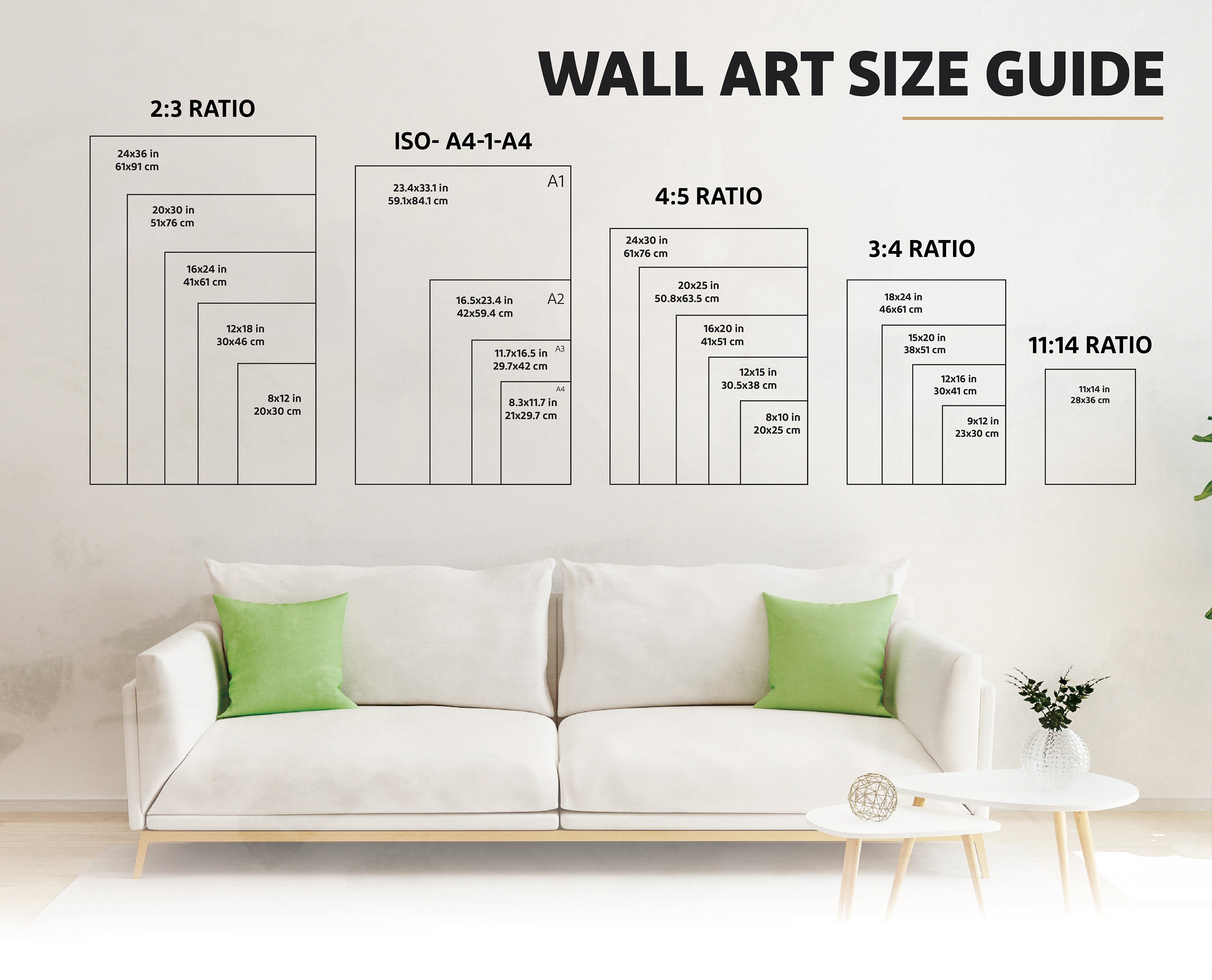
Many people often overlook the importance of a frame size chart and its accuracy, assuming it's a simple guide that can be ignored. But, trust me, this chart is your friend and a crucial tool for getting the right fit! A frame size chart is an essential reference, offering a quick and easy way to find your ideal size, whether it's for a bike frame or even clothing. It's a simple yet powerful tool, and getting it right can make all the difference. These charts provide a clear visual, often with metric and imperial measurements, to ensure you choose the correct size, avoiding any potential discomfort or performance issues.
Understanding the Frame Size Chart
A frame size chart is your go-to guide for determining the right size of a frame, whether it's for a bike, a piece of clothing, or any other item with standardized dimensions. This chart provides a quick and easy reference to ensure you get the perfect fit. It's like having a personal assistant who knows your measurements and preferences!
Comparing Common Frame Types and Standards
Frame size charts can vary depending on the type of frame and the industry standards they follow. For example, bike frame dimensions often use different measurements and categories compared to clothing size charts. The metric and imperial systems also come into play, so it's essential to know which standard your chart is based on. Some charts may even offer conversions between these systems.
Choosing the Right Size: A Step-by-Step Guide
Identify the Type: Determine what kind of frame you need, whether it's for a bike, clothing, or another item. This step is crucial as it sets the foundation for accurate sizing.
Find the Right Chart: Locate the specific frame size chart relevant to your chosen frame type. Ensure it follows the correct standard (metric or imperial) for your region or preferences.
Measure and Compare: Take your measurements or refer to existing ones (like your shirt size). Compare these measurements to the values on the chart. Most charts will provide a range of sizes, so find the one that best matches your dimensions.
Adjust for Comfort: Consider your personal preferences and comfort level. Some charts may offer guidance on adjusting the size slightly to ensure a perfect fit. For example, you might prefer a slightly larger frame for a bike to allow for more leg extension.
Double-Check: Always verify the specifications with the manufacturer or retailer, especially for critical items like bike frames. This ensures you get the exact dimensions and tolerances required.
Common Misreadings and How to Avoid Them
One common mistake is assuming all frame size charts are universal. As mentioned, they can vary based on frame type and standards. Always confirm the chart's applicability to your specific needs. Another pitfall is neglecting to measure accurately. Take precise measurements to ensure the chart provides an accurate recommendation.
Factors Affecting Accuracy and Real-World Use
Various factors can influence the accuracy of a frame size chart. These include the tolerance levels allowed by manufacturers, which can vary slightly between brands. Additionally, personal preferences and body types play a role. What might be a perfect fit for one person could feel too tight or loose for another. It's essential to consider these factors when using a frame size chart and make adjustments as needed.
Well, there you have it! A frame size chart is a handy tool, but it's important to remember that it's just a guide. Always check the specific details and requirements for your project, as the exact values might differ slightly between sources and standards.
Take a moment to ensure you've considered all the unique aspects of your situation before you finalize your choices. And, as always, feel free to explore our other guides and resources for more practical tips and insights. Happy measuring!
Related: How to Use the Shrimp Size Chart?
A shrimp size chart is a handy tool for anyone seeking precise information on shrimp measurements. This guide aims to provide a clear understanding of these charts, ensuring you can confidently interpret and utilize them.
The chart offers a quick reference for standard shrimp sizes, which can vary slightly depending on the region and specific shrimp variety. It's a simple yet effective way to ensure you're getting the right size for your needs, whether for cooking, aquaculture, or any other purpose.
Understanding the Shrimp Size Chart
The shrimp size chart is a valuable tool for anyone working with shrimp, whether you're a chef, a seafood enthusiast, or even a scientist studying these fascinating creatures. It provides a clear and concise overview of shrimp sizes, helping you choose the right shrimp for your needs and ensuring accurate measurements.
Comparing Size Categories and Standards
The chart typically categorizes shrimp based on their length, using either metric or imperial units. Common size categories include:
- Extra-large shrimp (15-20 pieces per pound)
- Large shrimp (21-30 pieces per pound)
- Medium shrimp (31-40 pieces per pound)
- Small shrimp (41-60 pieces per pound)
- Extra-small shrimp (61-80 pieces per pound)
These categories are based on the number of shrimp that would fit into a standard pound, giving a rough guide to their size. It's important to note that these categories may vary slightly between different standards and regions.
Using the Shrimp Size Chart: A Step-by-Step Guide
Identify the standard you are working with. Shrimp size charts can vary depending on the region and industry, so ensure you are using the correct chart for your needs.
Determine the size category you require. Consider the recipe or purpose for your shrimp. Are you looking for a specific size for a delicate dish or a larger shrimp for a robust flavor?
Check the chart for the appropriate size category. The chart will give you a range of lengths for each category, helping you select the right size. For example, if you need large shrimp, the chart might indicate a range of 7-8 inches (17-20 cm).
Convert units if necessary. If your recipe or requirements use a different unit of measurement, convert the values using standard conversion factors.
Double-check with specific recipes or guidelines. While the shrimp size chart provides a useful reference, some recipes or culinary traditions may have specific size requirements. Always refer to these guidelines for precise measurements.
Avoiding Common Misreadings and Pitfalls
Shrimp size charts are a guide, and actual sizes can vary slightly. Always allow for a small margin of error, especially when working with fresh shrimp.
Be aware of potential variations due to factors like shrimp species, fishing methods, and even the time of year. These can impact the average size of shrimp.
While the chart provides a useful reference, it's essential to consider the context. For example, if you're working with a specific recipe that calls for a precise size, ensure you understand the implications of using a slightly larger or smaller shrimp.
Remember, the shrimp size chart is a practical tool to help you navigate the world of shrimp sizes, but it's always beneficial to have a basic understanding of the factors that can influence these measurements.
Before you put this guide to use, remember that while this chart provides a handy reference, it's always wise to verify the specific requirements for your particular project or recipe. Exact values can vary, so a quick double-check ensures you get it just right.
Consider bookmarking this page for future reference; it might come in handy more often than you think! With this simple tool, you'll always have a reliable guide at your fingertips.
Related: Demystifying the Dental Chart Dog: A Simple Guide
A dental chart dog is a handy tool for anyone dealing with canine dental health. It's a simple yet effective visual guide, offering a quick reference to understand a dog's teeth. This guide will walk you through the basics, covering what these charts reveal and how to interpret them accurately.
You'll find these charts useful for identifying teeth, understanding their development, and even getting insights into common dental issues. While the specifics may vary slightly depending on the source, the core information remains consistent, providing a reliable framework for dog owners and professionals alike.
What is a Dental Chart Dog?
A dental chart dog is a reference tool used by veterinarians and dog owners to understand and identify a dog's teeth. It provides a visual representation, often in the form of a diagram or table, that helps locate and name each tooth in a dog's mouth. This chart is an essential guide for anyone involved in canine dental care, offering a quick and easy way to identify teeth and their positions.
Key Details and Categories
The dental chart dog typically displays a comprehensive layout of a dog's dentition, including both permanent and deciduous (baby) teeth. It often follows a standard tooth notation system, which uses specific symbols or letters to represent different teeth. For instance, 'I' might represent incisors, 'C' for canines, and 'PM' for premolars. Additionally, the chart may include information on the tooth's position in the mouth, its side (left or right), and sometimes even its specific quadrant. It's important to note that while there are international standards, slight variations in notation and layout may exist between different veterinary organizations or regions.
How to Read and Apply the Chart
Reading a dental chart dog is straightforward:
- Identify the tooth symbol or notation on the chart. For example, 'I' for incisors.
- Locate the corresponding tooth in your dog's mouth based on the chart's visual guide or written description.
- Note any issues or abnormalities, such as missing, damaged, or misaligned teeth, and compare them to the standard layout on the chart.
- Record the findings for future reference or to share with your veterinarian.
Variations and Differences
Variations in dental chart dog standards can occur due to several factors. Different veterinary associations or regions may have their own specific tooth notation systems and layouts. Additionally, the chart's design might vary depending on the breed of dog it is intended for, as tooth structure and positioning can differ between breeds. For instance, a chart designed for a small breed like a Chihuahua might have a different layout compared to one for a large breed like a Great Dane. It's crucial to ensure you are using the correct chart for your dog's breed and that you understand the specific notation system it employs.
Common Mistakes and How to Avoid Them
One common mistake is using the wrong dental chart dog for your dog's breed, which can lead to incorrect tooth identification. Always ensure you have the appropriate chart for your dog's breed and that you understand the specific notation system it uses. Another pitfall is failing to account for individual variations within a breed. While charts provide a standard layout, individual dogs may have slightly different tooth positions or structures. Regular dental check-ups with a veterinarian can help identify and address any abnormalities. Finally, remember that dental chart dogs are tools for identification and reference. They should not replace professional veterinary advice or treatment. If you notice any dental issues, consult a veterinarian for proper diagnosis and care.
Well, there you have it! A handy dental chart dog guide to keep things simple and clear. Remember, when it comes to these charts, it's important to ensure you're using the right one for your specific needs. Exact values and details can vary, so always double-check the relevant standards or guidelines for your context.
Consider bookmarking this page for future reference. It's a quick and easy way to ensure you have the right info at your fingertips when you need it most. Happy charting!