







Ninja Printables Coloring Sheets Overview
You've landed on this page, perhaps after a quick search, because you need a straightforward answer about your steak done chart. It's a handy tool, a simple visual guide, that ensures your steak is cooked to your liking every time. This chart, a quick reference for any cook, provides an easy way to understand the different doneness levels and their corresponding temperatures. While values may vary slightly, the steak done chart offers a reliable starting point for achieving steak perfection.
The Steak Done Chart: A Guide to Perfectly Cooked Steak
The steak done chart is your ultimate tool for achieving the perfect steak doneness every time. It's a simple yet effective reference guide that tells you exactly how to cook your steak to your desired level of doneness. This chart is a cook's best friend, ensuring your steak turns out just right, whether you prefer it rare, medium-rare, or well-done.
Understanding the Key Details
The steak done chart provides a clear overview of the ideal internal temperatures for different steak doneness levels. These temperatures are typically measured using a meat thermometer and are crucial for achieving the desired texture and juiciness. The chart usually includes categories such as rare, medium-rare, medium, medium-well, and well-done, each with its corresponding temperature range. It's important to note that these temperatures may vary slightly depending on the standard or region you're following.
How to Read and Use the Steak Done Chart
Using the steak done chart is straightforward. Here's a step-by-step guide:
- Select your desired doneness level from the chart. For example, if you want a medium-rare steak, locate that category.
- Identify the temperature range associated with your chosen doneness level. This range ensures consistency and helps you achieve the desired outcome.
- During cooking, insert a meat thermometer into the thickest part of the steak, avoiding any bones or fat. Ensure the thermometer is inserted correctly to get an accurate reading.
- Compare the thermometer reading to the temperature range on the chart. If the reading falls within the range, your steak is cooked to perfection!
- Adjust your cooking time or temperature as needed to reach the desired doneness. The chart provides a guide, but you can make minor adjustments based on your preferences.
Variations and Differences
It's important to note that steak done charts may vary slightly across different standards and regions. While the core doneness levels remain consistent, temperature ranges might differ slightly. For instance, the US and metric systems might have slightly different temperature ranges for each doneness level. Additionally, some charts might provide more detailed categories, such as "blue rare" or "very well done," to cater to specific preferences.
Common Mistakes and How to Avoid Them
One common mistake is not calibrating your meat thermometer correctly. Ensure your thermometer is accurate by testing it in an ice bath or boiling water to check its readings. Another mistake is inserting the thermometer incorrectly, which can lead to inaccurate readings. Always aim for the thickest part of the steak and avoid any bones or fat. Lastly, be mindful of the cooking time and temperature; overcooking can result in a dry, tough steak, while undercooking may not achieve the desired doneness.
Practical Tips for Success
To ensure accurate results, invest in a good-quality meat thermometer with a wide temperature range. Calibrate it regularly to maintain its accuracy. When cooking steak, ensure even heat distribution by preheating your pan or grill. Consider using a cooking oil with a high smoke point, such as avocado or peanut oil, to prevent burning. Additionally, allow your steak to rest for a few minutes after cooking to redistribute the juices, ensuring a juicy, flavorful steak.
Double-Checking and Handling Exceptions
While the steak done chart provides a reliable guide, it's always a good idea to double-check your steak's doneness. Cut into the steak carefully to inspect the center. If it's not quite done to your liking, return it to the heat for a little longer. Remember, every steak is unique, and factors like thickness and personal preferences can influence the cooking time. So, trust your instincts and adjust accordingly.
Well, there you have it! A simple yet effective steak doneness chart to guide you through your grilling adventures. Remember, while these guidelines provide a solid foundation, the exact values may shift a tad based on the specific standard or reference you follow.
So, before you fire up the grill and get cooking, ensure you've got your facts straight and your desired doneness level clearly in mind. Happy grilling, and don't forget to explore our other culinary guides for more tasty tips and tricks!
Related: International Construction Services Essential Guide
I've got a question for you: when was the last time you really paid attention to the buildings around you? Like, really noticed the details, the craftsmanship, and the sheer scale of some of these structures? Because I was walking through my neighborhood the other day, and I started thinking about international construction services and all the work that goes into creating these amazing spaces. It got me curious, so I did some digging, and here's what I found out...
Uncovering the World of International Construction Services
International construction services is a broad term that covers a whole lot of different aspects of the building and remodeling world. It's not just about the big, flashy skyscrapers or iconic landmarks; it's about the everyday projects that shape our cities and towns. From residential remodels to commercial builds, this industry is all about bringing spaces to life.
One of the key things to understand is that construction services can vary massively in cost. It's not just about the materials; it's the labor, the location, and the scale of the project. For example, a simple kitchen remodel might be a straightforward job, but add in some custom cabinetry and it could push the price up. So, when you're comparing quotes, make sure you're getting an itemized list of what's included.
Hiring the right contractor is crucial. You want someone who's reliable, experienced, and has a good track record. Check online reviews, ask for references, and don't be afraid to ask lots of questions. A good contractor will be happy to explain their process and provide a detailed quote. It's also worth considering whether you need a general contractor or a specialist for your project.
Now, let's talk about naming. If you're in the construction business, you might be wondering how to choose a name that stands out. It's all about finding something memorable and unique, but also professional. Something like "Build-It-Right" or "Renovation Revolution" could work well. Just make sure you check the availability of the name and secure the domain and local registration before you get too attached!
The construction industry offers a whole range of jobs, from estimators to project managers and skilled tradespeople. It's a diverse field with opportunities for all sorts of skills and interests. If you're looking for work, you'll probably find the best openings through specialist job boards and industry networks. It's a competitive market, but with the right skills and a bit of persistence, you can find great roles.
One tool that's really useful in the construction world is RSMeans. It's a cost database that helps contractors and companies estimate project costs accurately. It takes into account all sorts of factors, like labor rates and material costs, to give a reliable estimate. It's a handy resource for anyone in the industry, whether you're a small business or a large firm.
When it comes to the big construction companies, they tend to have a broader scope and more resources. They can take on larger, more complex projects and often have a wider network of contacts and specialists. But that doesn't mean smaller firms can't compete; it's all about finding your niche and building a strong reputation.
So, whether you're looking to remodel your home, build a new commercial space, or just curious about the construction world, international construction services is a fascinating and vital industry. It's all about bringing ideas to life and shaping the spaces around us. I hope this has given you a taste of what's out there and inspired you to learn more.
Related: Find Your Perfect Belt Size: A Comprehensive Guide
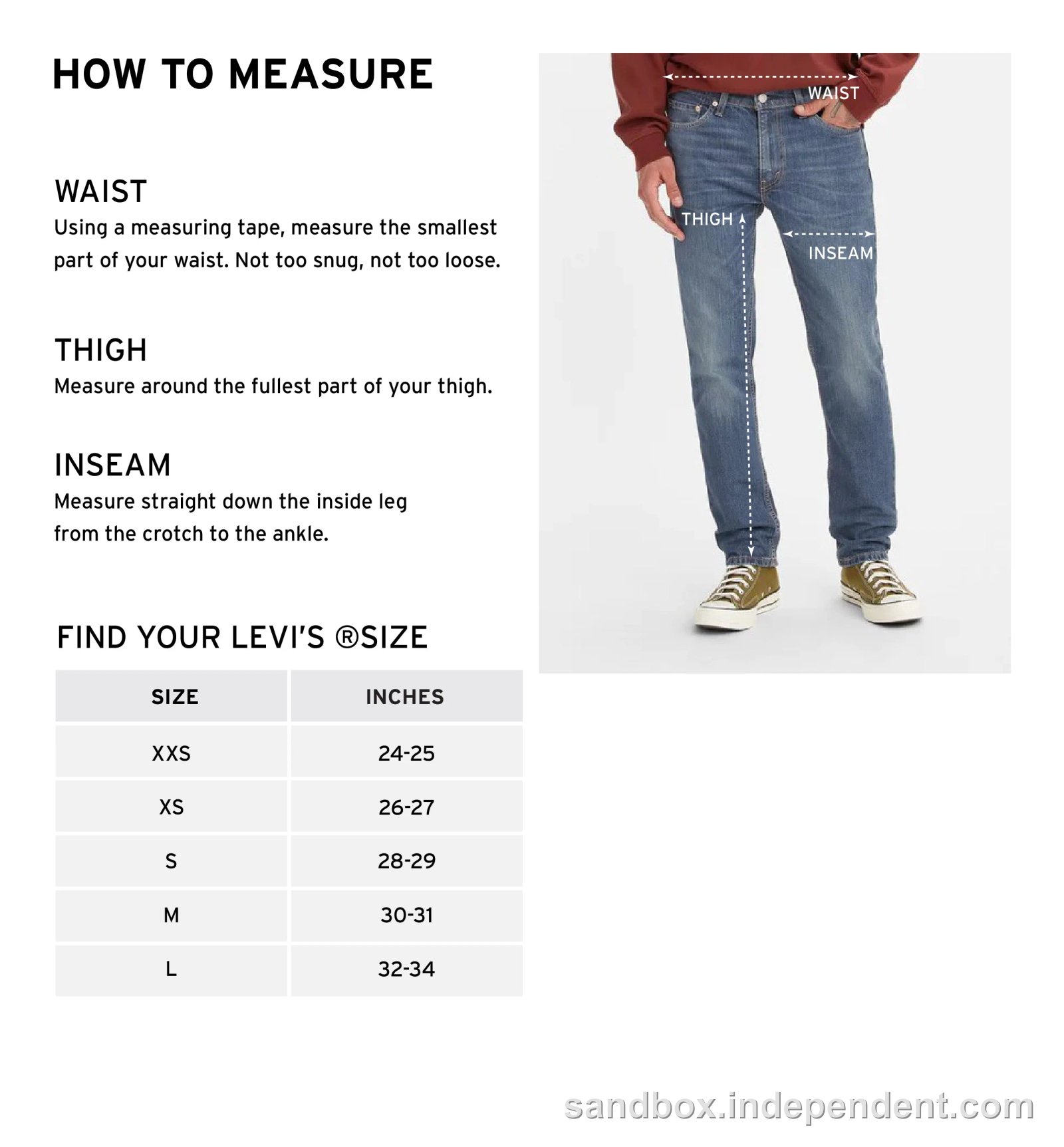
A common misconception about belt size charts is that they are one-size-fits-all, but this couldn't be further from the truth. While these charts provide a valuable reference, they can vary depending on various factors. So, it's essential to understand how to interpret them accurately. A belt size chart is a handy tool, offering a simple guide to finding the right belt length and size. It can include different measurements, such as waist size and pant size conversion, ensuring a perfect fit.
Understanding the Belt Size Chart
The belt size chart is a valuable tool for anyone looking to find the perfect belt fit. It provides a standardized way to determine your belt size, ensuring a comfortable and secure fit for your waist. This chart is an essential guide, especially when shopping for belts, as it simplifies the sizing process and helps you make an informed choice.
Key Details and Categories
The belt size chart typically displays two main categories: waist size and belt length. Waist size is measured in inches or centimeters, depending on the standard used. It represents the circumference of your waist, which is a critical factor in belt sizing. Belt length, on the other hand, is the actual length of the belt, excluding the buckle. This measurement is crucial as it determines how much the belt can be adjusted to fit your waist comfortably.
Reading and Applying the Chart
To use the belt size chart, follow these steps:
- Measure your waist: Use a flexible tape measure to find your waist size. Place the tape measure around your waist, ensuring it sits comfortably above your hip bones. Take the measurement in inches or centimeters, depending on the standard you're using.
- Find your waist size on the chart: Look for the column or row that corresponds to your waist size. This will give you a range of belt lengths suitable for your waist circumference.
- Consider your belt style: Different belt styles have varying levels of adjustment. For example, a casual leather belt with a simple buckle may offer more adjustment than a dress belt with a fixed, decorative buckle. Ensure you choose a belt length that provides enough flexibility for your preferred style.
- Adjust for comfort: The belt should fit comfortably around your waist, allowing for a couple of inches of adjustment. This ensures you can wear the belt with different outfits and still have a secure fit.
Variations and Differences
It's important to note that belt size charts may vary slightly depending on the standard used. For instance, the metric belt sizing system, often used internationally, may have slightly different measurements compared to the standard belt dimensions in the US. Additionally, manufacturers may have their own variations, so it's always a good idea to refer to the specific brand's sizing guide or consult their customer support for accurate information.
- Key factors that can cause variations include:
- Different measurement units (inches vs. centimeters)
- Brand-specific sizing standards
- Belt style and design (e.g., decorative buckles)
- Personal preference for a looser or tighter fit
Common Mistakes and How to Avoid Them
When using a belt size chart, avoid these common mistakes:
- Relying solely on pant size: Your pant size is not always an accurate indicator of your belt size. It's best to measure your waist directly for an accurate fit.
- Ignoring the belt style: Different belt styles offer varying levels of adjustment. Ensure you consider the belt's design and your personal preference for a comfortable fit.
- Overlooking the chart's limitations: While the chart provides a great starting point, it may not account for all body types or unique situations. If you have a unique waist shape or size, it's wise to double-check with the brand's specific sizing guide or seek advice from a professional.
Hey there! We hope this belt size chart and guide has been helpful in your quest for the perfect fit. Remember, while we've covered the basics, the exact details can vary slightly, so it's always a good idea to double-check with your preferred brand or standard for the most accurate information.
Feel free to bookmark this page for future reference; it's always handy to have a quick guide like this at your fingertips. We've got more practical guides like this one, so be sure to check them out if you're interested in learning more about similar topics. Happy measuring!