








Ninja Turtle Coloring Sheets Overview
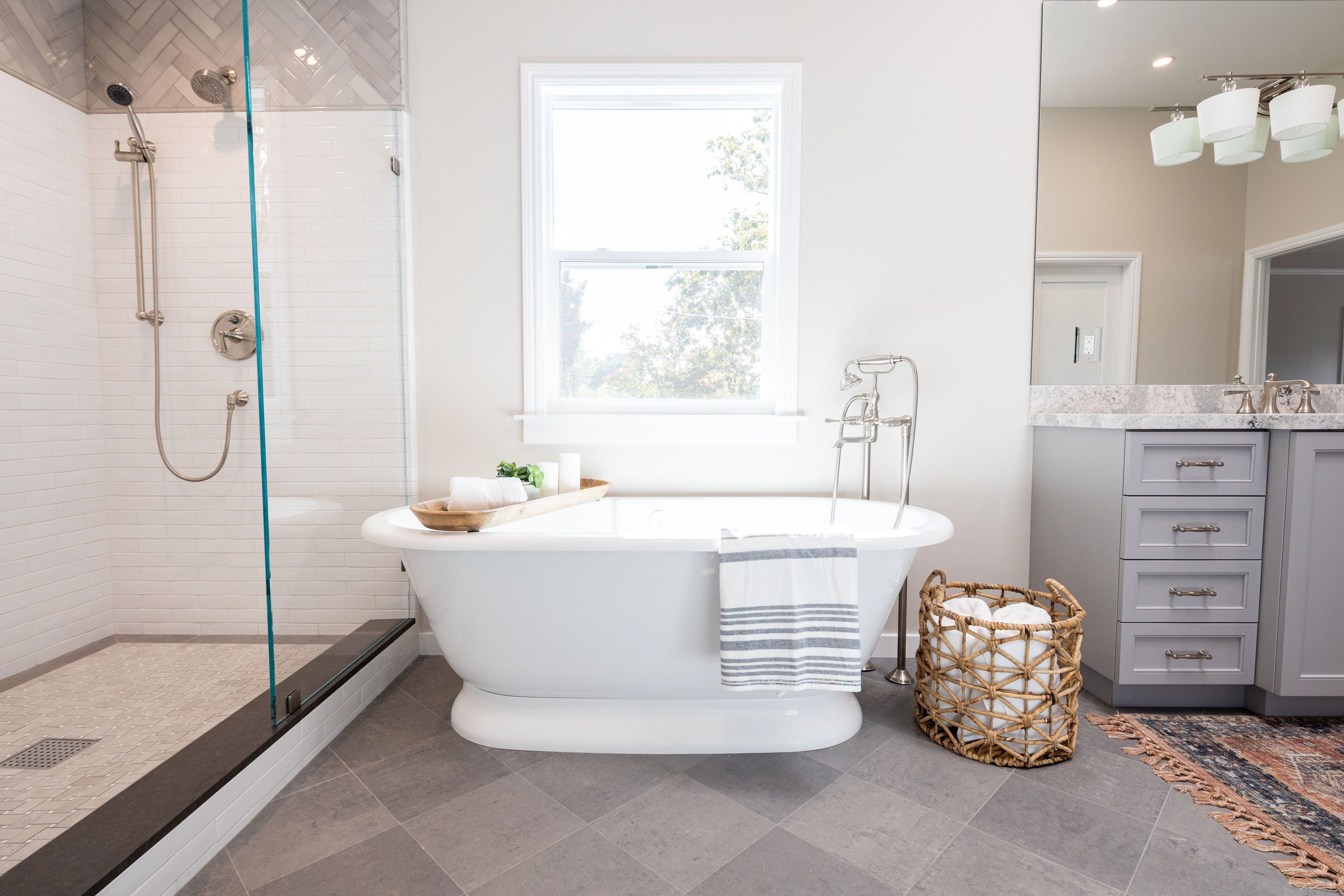
I was standing in my bathroom, staring at the dated tiles and worn-out fixtures, when it hit me: it's time for a renovation! I started thinking about finding a bathroom remodeling contractor and all the possibilities that come with it. So, here's a little guide to help you navigate this exciting process.
What's a Bathroom Remodeling Contractor?
A bathroom remodeling contractor is your go-to expert for transforming your bathroom into a stylish and functional space. They handle everything from design to construction, ensuring your vision becomes a reality. It's like having a personal bathroom makeover team!
The Cost Factor
When it comes to costs, it's a bit of a wild card. Prices can vary widely depending on the scope of your project. A simple update might be more affordable, while a full-scale renovation could be a bigger investment. It's all about balancing your dream bathroom with your budget.
Finding the Right Contractor
Hiring a bathroom remodeling contractor is a big decision. You want someone reliable, experienced, and aligned with your vision. Check their past projects, ask for references, and ensure they have the necessary licenses and insurance. It's also a good idea to get multiple quotes to compare prices and services.
Naming Your Business
If you're in the construction business, choosing a catchy name is crucial. It should be memorable and reflect your services. Some ideas could be:
- Build-it-Right Construction
- Renovate & Revive
- Home Transformation Team
- Modern Bath Solutions
Remember to check name availability and secure your domain and local registration.
Construction Jobs and Salaries
The construction industry offers a range of roles, from estimators to project managers. Salaries can vary based on experience and the specific job. If you're looking for opportunities, check online job boards and local construction companies. It's a great field with plenty of growth potential.
Tools of the Trade
In the world of construction, tools like RSMeans can be a game-changer. It's a cost database that helps contractors estimate project expenses accurately. It's a valuable resource for both small and large-scale projects.
The Big Picture
The construction industry is diverse, with companies of all sizes. Larger firms often have more resources and can take on bigger projects, while smaller companies might offer more personalized service. It's all about finding the right fit for your needs.
Local Connections
When it comes to bathroom remodeling contractors, local knowledge can be a plus. They understand the unique challenges and regulations of your area. For example, in Atlanta, you might need to consider specific building codes. It's always a good idea to check with your local building department for any specific requirements.
So, there you have it! A little insight into the world of bathroom remodeling contractors. It's an exciting process, and with the right team, you can create a bathroom that's truly yours.
Related: Largest Construction Firms in the World Essential Guide
I was walking through my neighborhood the other day, and I couldn't help but notice all the construction going on. It got me thinking about the largest construction firms in the world and how they operate on such a massive scale. So, I decided to do some research and share my findings with you all!
The Big Picture
When we talk about the largest construction firms in the world, we're referring to the companies that take on some of the most ambitious and complex projects globally. These firms have the resources, expertise, and reach to handle everything from high-rise buildings to major infrastructure developments. They are the go-to for governments, corporations, and even other smaller construction companies when the project is too big to handle alone.
What Makes Them So Large?
The size and success of these firms often come down to a few key factors. Firstly, they have the financial muscle to take on large-scale projects and the ability to secure funding for these ventures. This financial strength allows them to invest in the latest technology and equipment, ensuring they stay at the forefront of the industry.
Secondly, they have a vast network of skilled professionals and subcontractors. This means they can assemble a team with the right expertise for any project, no matter how specialized the skills required.
Lastly, these firms have a proven track record and a reputation for delivering projects on time and within budget. This reliability is key to securing future work and expanding their portfolio.
Practical Considerations
If you're considering hiring one of these firms for a project, there are a few things to keep in mind. Firstly, ensure you get a detailed, written quote that outlines all costs and potential additional expenses. These firms are often dealing with large-scale projects, so the scope can change, and additional costs may arise.
It's also worth checking their past projects and client testimonials to ensure they have a good track record and a style that aligns with your vision. Don't be afraid to ask for references and speak to previous clients about their experience.
Naming and Branding
The names of these firms often reflect their size and scope. They tend to be straightforward and easy to remember, often incorporating the founder's name or a word that reflects their core business. For example, "Global Construction Co." or "Johnson Builders."
If you're thinking of starting your own construction firm, choosing a name that is unique, memorable, and reflects your business values is essential. Here are a few ideas to get you started:
- BuildTech Solutions
- SkyRise Construction
- Earthworks Group
- Constructo International
- HomeFront Builders
- Urban Development Corp.
Remember to check the availability of the name, domain, and local registration before finalizing your choice.
Wrapping Up
Exploring the world of the largest construction firms is fascinating, and it's a reminder of the scale and impact of the construction industry. These firms are the backbone of many major developments and play a crucial role in shaping our world.
If you're interested in learning more, I'd recommend checking out some of their past projects and the tools they use, like RSMeans, to get a better understanding of the industry. It's a vast and ever-evolving field, and there's always more to discover!
Related: Find Your Perfect Fit: Jeans Size Chart Guide
Many people struggle with the idea of a jeans size chart, assuming it's a complex and confusing tool. But it's actually a simple and handy reference, a quick guide to finding your perfect fit!
The chart offers a visual or tabular overview, providing waist and hip size measurements, along with other key details like inseam length and leg opening. While values may vary slightly between brands and regions, the jeans size chart is a reliable starting point for an accurate fit.
Understanding the Jeans Size Chart
The jeans size chart is your guide to finding the perfect fit for your denim dreams! It's a handy tool that translates your body measurements into the right jeans size, ensuring you look and feel great. This chart is like a secret code, but don't worry, it's easy to crack!
Key Details and Categories
Let's break down the chart's categories. Typically, a jeans size chart will have two main measurements: waist size and hip size. These are the most critical factors in finding a comfortable and flattering fit. You'll also find other details like inseam length, leg opening, and rise, which add precision to your choice. These measurements are usually in inches or centimeters, depending on the standard used. Always check the chart's units to ensure accuracy.
How to Read and Apply the Chart
Using the jeans size chart is a breeze! Here's a step-by-step guide:
- Measure your waist and hip sizes. Ensure you're measuring at the right points; for the waist, it's the narrowest part of your torso, and for the hips, it's the widest part.
- Find your waist and hip measurements on the chart. The chart will often have a grid or table format, with waist sizes along one axis and hip sizes on the other.
- Look for the intersection of your waist and hip measurements. This will give you your recommended jeans size. For example, if your waist is 28 inches and your hips are 36 inches, the chart might recommend a size 6.
- Consider other details like inseam length. If you prefer a specific leg length, choose a size that accommodates your desired inseam.
- Try it on! While charts are accurate, personal preferences and body shapes vary. So, it's always best to try the jeans and see how they feel and look.
Size Variations and Differences
It's important to note that jeans size charts can vary slightly between brands and manufacturers. This is because each brand might have a unique fit philosophy or use different measurement standards. Additionally, regional differences can impact size charts, with some countries using different sizing systems. Always check the brand's specific size guide or denim size chart to ensure you're using the right measurements. It's a good idea to refer to the brand's size guide when shopping online to avoid any surprises.
Finding the perfect jeans size is an adventure, and with this guide, you're equipped to navigate the jeans size chart like a pro!
Well, there you have it! A handy jeans size chart to keep on hand for all your denim adventures. Remember, these charts are a great starting point, but it's always wise to check the specific brand's size guide for any unique fits or styles.
Jeans shopping can be a fun and practical experience, and with this guide, you're well-equipped to find your perfect fit. So, happy browsing and remember to bookmark this page for future denim missions!