


Nipple Size Chart Black And White Overview
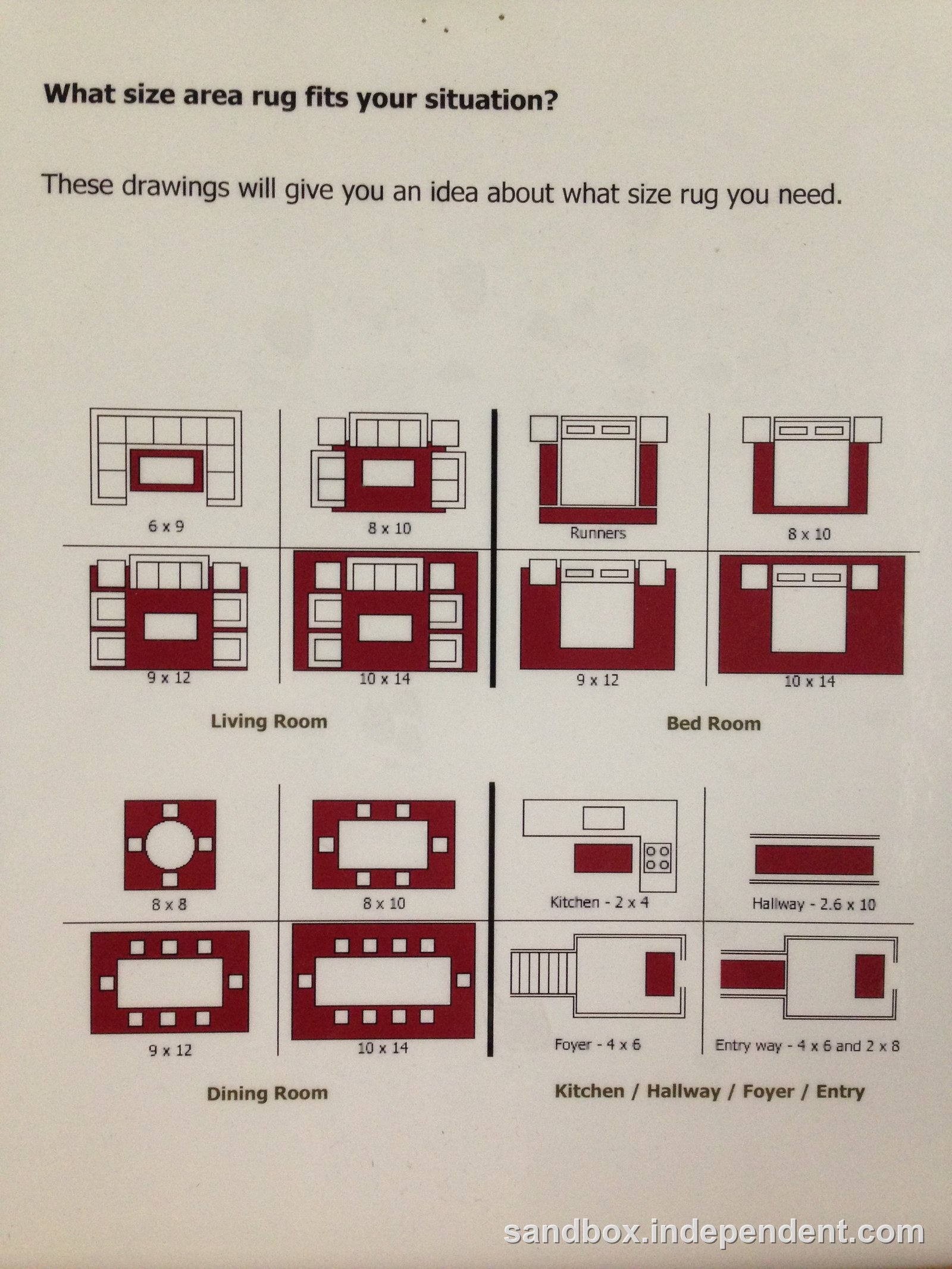
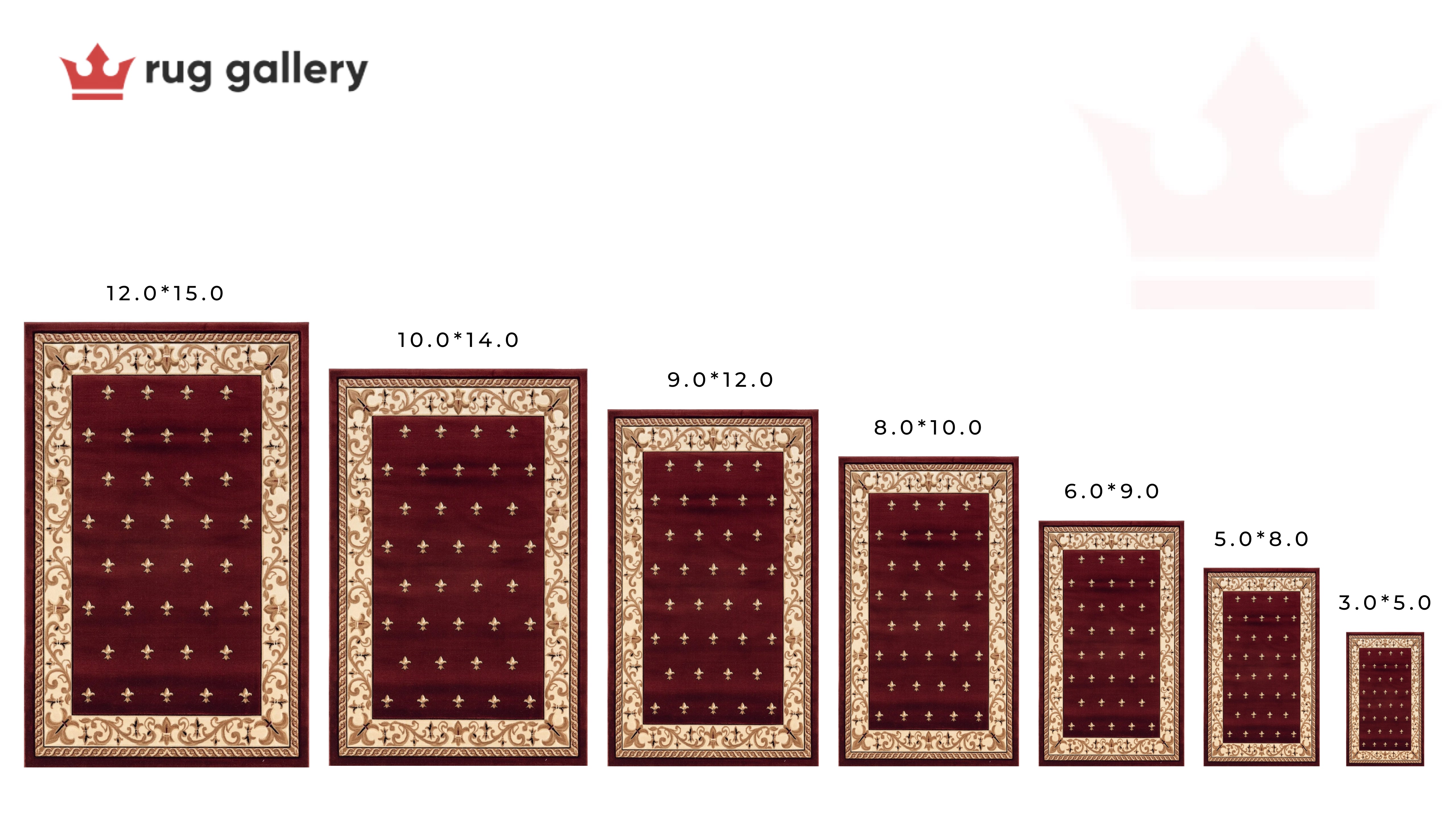
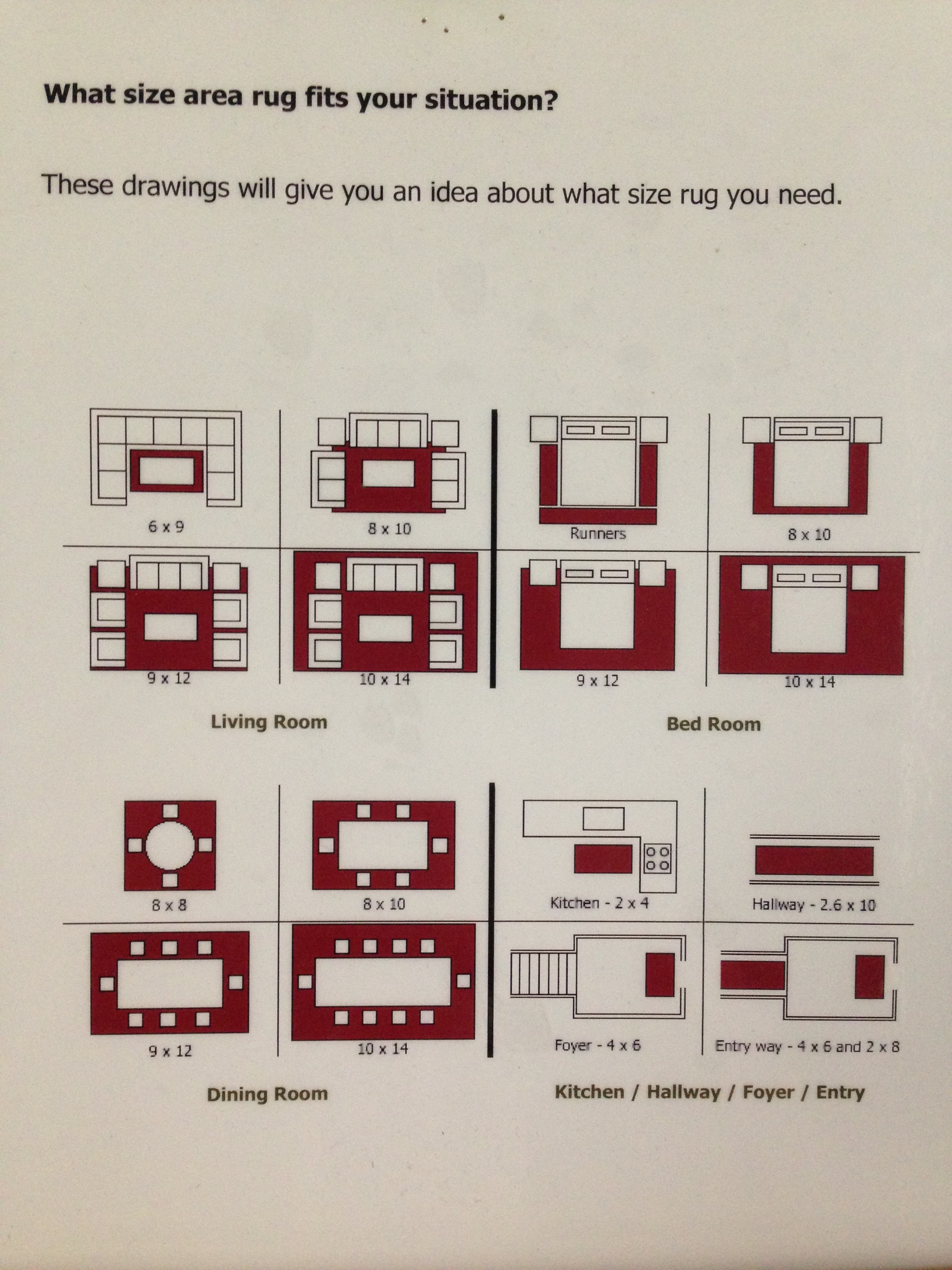
You're here because you need a quick fix, a reliable reference, or a simple guide to help you choose the right rug size. Well, look no further! The rug sizes chart is your friend and a brilliant tool to have on hand. It's a straightforward, visual aid that takes the guesswork out of selecting the perfect rug dimensions.
This chart is a handy reference, offering a clear overview of standard rug sizes and their corresponding measurements. It's a simple yet effective way to ensure your rug fits the space beautifully, and it can even guide you on the best rug size for different room dimensions.
Rug Sizes Chart: A Practical Guide
Rug sizes charts are a handy reference tool for anyone looking to choose the right rug for their space. These charts provide a quick and easy way to visualize standard rug dimensions and help you make an informed decision. In this guide, we'll explore what these charts offer and how to use them effectively.
Key Details and Units
Rug sizes charts typically display a range of standard rug sizes, often in both imperial and metric units. You'll find measurements for length and width, allowing you to understand the dimensions of each rug size. The charts may also include categories or labels to differentiate between common rug types, such as runner rugs or large area rugs. It's important to note that these charts provide a general guide, and specific rug collections or manufacturers may have slight variations.
Reading the Chart and Choosing the Right Size
Using a rug sizes chart is straightforward. Here's a step-by-step guide:
- Identify the room or space where you want to place the rug. Consider the available floor area and any furniture arrangements.
- Refer to the chart and locate the section that matches your room's dimensions. For example, if your room is 12 feet by 10 feet, look for the corresponding size category.
- Within that category, you'll find various rug sizes. Choose a size that best fits your space, considering the amount of floor coverage you prefer.
- Take note of the rug's length and width measurements. These will help you visualize how the rug will look in your room.
- If you're purchasing online, ensure the rug's dimensions align with your chosen size. Some retailers may have slight variations, so double-check the exact measurements before ordering.
Variations and Differences
While rug sizes charts provide a standardized guide, variations can occur due to different standards and contexts. For instance, international or metric standards may have slightly different measurements compared to imperial units commonly used in certain regions. Additionally, manufacturers might offer custom sizes or have unique naming conventions for their rug collections. It's always a good idea to check the specific rug's measurements and any unique specifications provided by the manufacturer or retailer.
Common Mistakes and How to Avoid Them
When using a rug sizes chart, here are some common pitfalls to watch out for:
- Relying solely on the chart without considering your room's unique layout and furniture placement. Take the time to visualize how the rug will fit within your space.
- Assuming all rugs in a particular size category are identical. Different rug designs and materials may have slight variations in dimensions, so always check the specific rug's measurements.
- Forgetting to account for rug thickness. Thicker rugs may require slightly more floor space to accommodate their bulk.
- Neglecting to measure your room accurately. Take precise measurements to ensure the rug fits as intended.
By being mindful of these potential mistakes, you can ensure a successful rug selection process and achieve the perfect rug placement in your space.
Remember, when it comes to rug sizes, the exact measurements might differ slightly based on various factors. So, always double-check the specific standards or guidelines relevant to your project.
We hope this guide has been helpful! If you're keen to explore more practical tips and tricks, feel free to check out our other guides on a range of home improvement and design topics. Happy decorating!
Related: Find Your Perfect Fit: Wetsuit Size Chart
You're here, searching for a wetsuit size chart, probably with a wetsuit in hand, ready to take on the waves. And let's face it, getting the size right is crucial; no one wants a wetsuit that's too tight or too loose, right? The wetsuit size chart is your go-to guide, a simple yet effective tool to ensure a perfect fit. It's all about finding the right measurements, from chest to waist, and even considering the neoprene thickness. So, let's get you suited up and ready for some serious surfing!
Understanding the Wetsuit Size Chart
The wetsuit size chart is your go-to guide for finding the perfect fit. It's a simple tool that ensures you get a wetsuit that's comfortable and functional, allowing you to enjoy your water activities without any discomfort or restrictions. This chart provides a quick and easy reference for sizing, but it's important to understand how to use it accurately.
Comparing Sizing Standards and Formats
Wetsuit size charts can vary slightly depending on the manufacturer and the intended use of the wetsuit. While there are some standard sizing guidelines, it's essential to check the specific chart for the brand and type of wetsuit you're interested in. These charts often cover different wetsuit styles, including full-body suits, shorties, and wetsuit tops or bottoms. The sizing may also differ for men's and women's suits, so be sure to refer to the correct chart.
Step-by-Step Guide to Using the Size Chart
Using the wetsuit size chart is straightforward, but it's crucial to follow these steps to ensure an accurate fit:
Measure yourself: Take accurate measurements of your chest, waist, hips, and inseam length. These measurements are critical for finding the right size. Make sure you follow the instructions provided on the chart for measuring these areas.
Choose the right size: Compare your measurements to the size chart. Look for the size that aligns with your largest measurement. For example, if your chest measurement is larger than your waist and hips, choose the size based on your chest. This ensures a comfortable fit without restricting your movement.
Consider neoprene thickness: The thickness of the neoprene material can affect the fit. Thicker wetsuits may feel tighter, so you might need to size up if you prefer a looser fit. Keep this in mind, especially if you plan to use the wetsuit in warmer waters.
Check sleeve and leg lengths: Some charts provide additional measurements for sleeve and leg lengths. Ensure these measurements align with your preferences to avoid any discomfort or awkwardness while wearing the wetsuit.
Common Misreadings and How to Avoid Them
It's easy to make a mistake when using a wetsuit size chart, especially if you're not familiar with the process. Here are some common pitfalls to watch out for:
Overlooking the size guide: Always refer to the specific size guide for the wetsuit you're interested in. Different brands may have slight variations in their sizing, so relying on a generic chart can lead to an incorrect fit.
Measuring incorrectly: Take your time and follow the instructions carefully when measuring yourself. Inaccurate measurements can result in a poor fit. Ensure you understand how to measure each area properly.
Ignoring personal preferences: The size chart provides a starting point, but it's essential to consider your comfort and activity level. If you prefer a tighter fit for better performance, you might need to size down. Conversely, if you want a more relaxed fit, sizing up might be the better option.
Factors Affecting Accuracy and Real-World Use
Several factors can impact the accuracy of the wetsuit size chart and its real-world application:
Body shape: The chart provides a general guide, but body shape can vary significantly. If you have a unique body shape, you might need to adjust the sizing accordingly. For example, if you have broad shoulders and a narrow waist, you may need to size up to accommodate your upper body.
Brand variations: Different wetsuit brands may have slightly different sizing standards. Always check the brand's specific size chart and consider their sizing philosophy. Some brands might run smaller or larger than others, so be mindful of this when choosing a size.
Activity and water temperature: The type of activity and water temperature can influence the fit you need. For instance, if you're a competitive swimmer, you might prefer a tighter fit for better performance. On the other hand, if you're surfing in cold water, a slightly looser fit might be more comfortable.
Remember, while the wetsuit size chart is a valuable tool, it's just a guide. Always consider your personal preferences and the intended use of the wetsuit to ensure you get the perfect fit for your needs.
So, there you have it! A wetsuit size chart is a handy tool to ensure you get the right fit for your aquatic adventures. It's a simple guide, but one that can make a big difference to your comfort and performance.
Remember, while this chart provides a solid framework, it's always wise to consider your personal preferences and the specific activities you'll be doing. Exact values might vary slightly, so it's good to double-check and ensure you're happy with the fit. Consider bookmarking this page for future reference; it'll be there waiting for you when you need it next!
Related: Understand Rifle Recoil Charts Easily
A common misconception about rifle recoil charts is that they are solely for experienced shooters or experts. However, these charts are an essential tool for anyone interested in understanding the dynamics of rifle shooting and managing recoil effectively. The rifle recoil chart serves as a concise guide, offering valuable insights into the force and energy involved when a rifle is fired. It provides a visual representation, often in the form of a table or graph, detailing the recoil characteristics of various rifle calibers and loads. This simple yet powerful reference helps shooters anticipate and manage the kickback, ensuring a more comfortable and controlled shooting experience.
Understanding Rifle Recoil: What's the Chart All About?
The rifle recoil chart is a valuable tool for shooters and enthusiasts, providing a visual representation of the energy and force generated by a rifle's recoil. It offers a quick reference to understand and compare the recoil characteristics of different firearms. This chart is designed to help shooters manage and anticipate the kickback, ensuring a more comfortable and controlled shooting experience.
Key Details and Categories: Unraveling the Chart
The rifle recoil chart typically displays two primary categories: the rifle's caliber or ammunition type and the corresponding recoil energy or force. The caliber column represents the rifle's bore size, often measured in inches or millimeters. The recoil energy or force is usually expressed in foot-pounds (ft-lbs) or joules (J), depending on the standard used. These values indicate the amount of energy transferred to the shooter upon firing.
Step-by-Step: Reading and Interpreting the Rifle Recoil Chart
When using a rifle recoil chart, follow these steps:
Identify the caliber or ammunition type of your rifle. This information is usually available on the rifle's specifications or the ammunition packaging.
Locate the corresponding caliber on the chart. The chart will provide a range of recoil energies or forces associated with that caliber.
Compare the values to understand the recoil characteristics. Higher energy values indicate more substantial recoil, while lower values suggest a milder kick.
Consider the context. The chart provides a general guide, but actual felt recoil can vary due to factors like rifle design, stock material, and shooter physique.
Use the chart as a starting point for selecting ammunition. Choose rounds with recoil energies suitable for your comfort level and shooting goals.
Variations and Differences: Why Recoil Charts May Differ
Rifle recoil charts can vary based on several factors. Different standards and measurement systems, such as the use of foot-pounds or joules, can result in slightly different values. Additionally, the chart's accuracy may depend on the specific ammunition brand and load used during testing. Rifle design, including the action type and stock material, can also influence felt recoil, leading to variations across different firearms.
Common Mistakes and How to Avoid Them
When working with a rifle recoil chart, avoid these common pitfalls:
Relying solely on the chart without considering individual factors like shooter experience and comfort. Always prioritize your safety and comfort level.
Assuming that the chart provides absolute values. It offers a general guide, and actual recoil can vary based on numerous factors.
Neglecting to double-check the standard and units used in the chart. Ensure you are referring to the correct version for your region or measurement preference.
Practical Tips for Accurate Results
To make the most of your rifle recoil chart, consider these best practices:
Start with a basic understanding of recoil and its impact on shooting. Familiarize yourself with terms like muzzle energy and ballistic coefficient.
Use the chart as a reference, but always test different ammunition types to find the best fit for your rifle and shooting style.
Consider investing in recoil-reducing accessories, such as muzzle brakes or recoil pads, to enhance your shooting experience.
Stay informed about new developments in ammunition technology, as advancements can influence recoil characteristics.
Remember, the rifle recoil chart is a valuable tool, but it should be used in conjunction with practical experience and a thorough understanding of your firearm and shooting environment.
Well, there you have it, a handy rifle recoil chart and some valuable insights to ensure you're on target. Remember, these charts provide a great starting point, but it's always wise to consider your specific needs and double-check the details.
Consider bookmarking this page for future reference; it might just save you some time and effort the next time you need a quick recoil reference. Stay safe and happy shooting!