






Nyc Uv Index Overview
So, I was browsing the web the other day, curious about the ENR Construction Cost Index 2026, and I realized it's not as straightforward as it seems. I mean, it's an important indicator, but what does it really tell us? Let's break it down and see how it affects us regular folks.
Understanding the ENR Construction Cost Index
The ENR Construction Cost Index is a tool that keeps an eye on construction costs over time. It's like a thermometer for the industry, giving us a sense of how prices are moving. This index is super helpful for folks in construction, whether they're building companies, contractors, or even homeowners planning a remodel.
It covers a bunch of stuff, from materials to labor, and it's updated regularly. So, if you're thinking of starting a project, it's a good idea to check the index to get a feel for the market. It might just save you some headaches down the line!
How Does It Work, and Why Should I Care?
The index is all about tracking the costs of construction, which is crucial for anyone in the industry. It helps builders and contractors plan their projects and stay on budget. For homeowners, it's a way to understand the bigger picture of construction costs and how they might affect your renovation or new build.
Say you're planning a kitchen remodel. Checking the ENR Construction Cost Index can give you a sense of whether now is a good time to start, or if costs are likely to drop in the near future. It's a bit like timing the stock market, but for construction!
Practical Tips for Using the Index
So, how do you use this index in your daily life? Well, it's simple. Just head over to the ENR website (or your favorite construction data source) and take a look. You'll see the index value and maybe some charts or graphs to give you a visual idea of the trends.
If you're a builder or contractor, you can use this info to bid on projects and set your prices. For homeowners, it's a way to get a sense of the market and compare quotes from different companies. Remember, construction costs can vary a lot, so getting a few quotes is always a good idea.
Naming Your Construction Business
If you're starting a construction company, one of the first things you'll need to do is come up with a name. It's not just about being creative; the name should reflect your business and its values. Keep it simple and memorable, and make sure it's unique.
Here are a few ideas to get you started:
- Build-It-Right Construction
- Solid Foundations
- Skyward Builders
- HomeCrafters
- Earthworks
- Constructive Solutions
Don't forget to check name availability and secure your domain and local registration before you get too attached to a name!
Construction Jobs and the Industry
The construction industry offers a wide range of jobs, from general contractors to estimators and project managers. These roles involve everything from planning and managing projects to actually building and remodeling.
If you're looking for construction jobs, check out local job boards and industry-specific websites. You might also want to reach out to construction companies directly or consider joining a union. It's a great industry to be in, with lots of opportunities for growth and development.
Wrapping Up
So, there you have it! The ENR Construction Cost Index 2026 is a handy tool for anyone in the construction game. It's a simple way to stay informed and make smarter decisions, whether you're a builder, contractor, or just a homeowner with a project in mind.
Why not take a look at the index today and see what it can tell you about the construction world? It might just give you a new perspective on your next project.
Related: What Is a Specialty Contractor Essential Guide
"What is a specialty contractor?" I asked myself as I started planning my home renovation. It's a term I kept seeing, but I wasn't sure what it meant exactly. So, I did some digging and here's what I found out.
The Basics: Who Are These Specialists?
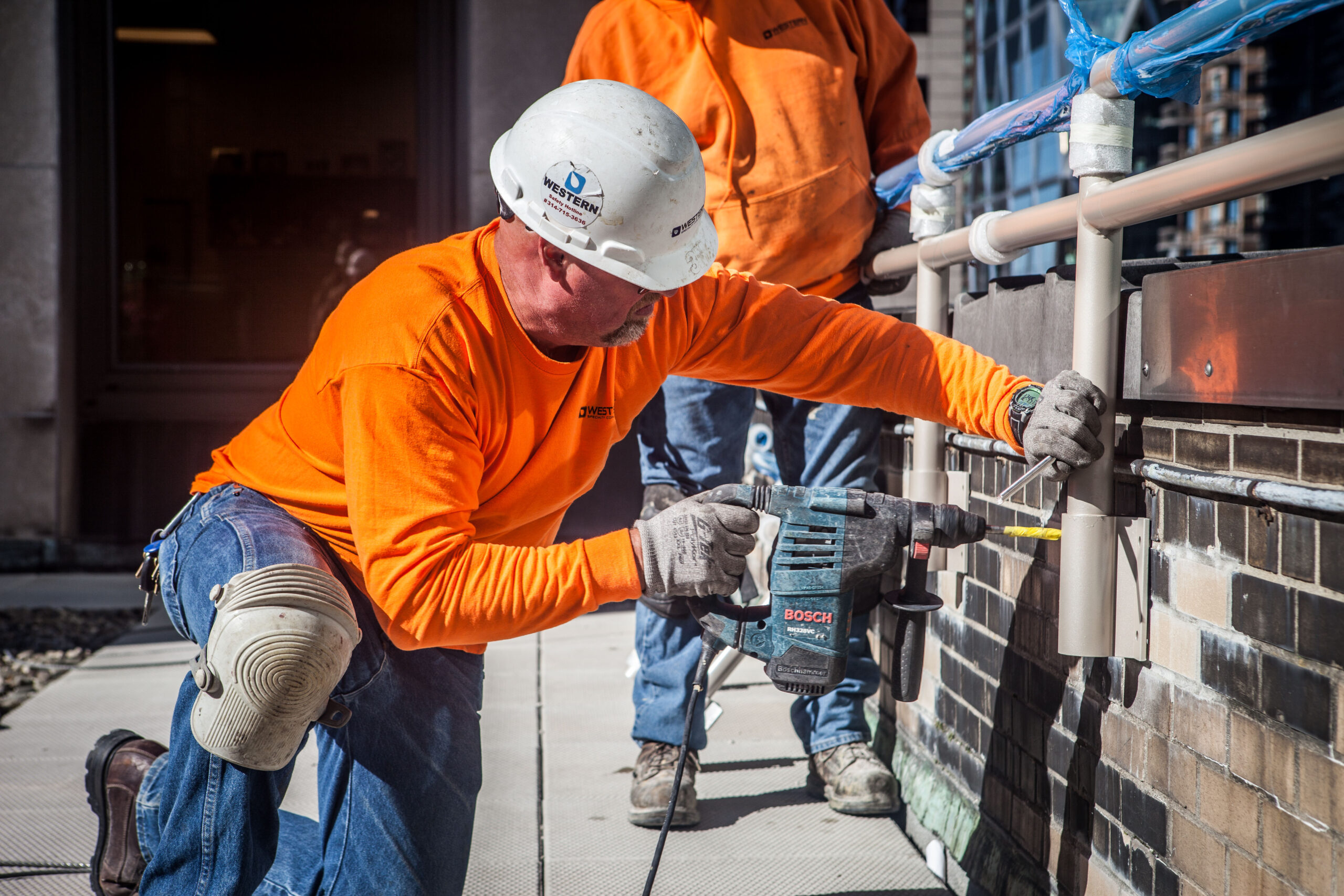
A specialty contractor is a pro who focuses on one specific trade or skill. Unlike a general contractor who oversees the whole project, these guys are the experts in their field. They might handle plumbing, electrical work, roofing, or even something more niche like pool installation or solar panel setup. It's all about having a deep knowledge of one area.
Why Does It Matter?
Well, if you're planning a project, knowing who to call can save you time and money. For example, let's say you need a new roof. You could hire a general contractor who will then subcontract the roofing work out to a specialist. But why not go straight to the source? A specialty contractor will likely be more efficient and offer better value. They're the masters of their craft and can often complete jobs faster and with fewer surprises.
Finding and Hiring a Specialist
When you're ready to hire, do your research. Get quotes from a few different companies and compare. Look for experience, references, and check their licensing and insurance. It's also a good idea to ask about their process and how they handle unexpected issues. Remember, the cheapest quote might not always be the best value. You want someone who understands your vision and can deliver high-quality work.
Company Names and Branding
If you're in the construction game and thinking of starting your own business, choosing a name is key. It should be memorable, unique, and reflect your specialty. Something like "Atlanta Electrical Experts" or "Helena's Roofing Masters" tells people exactly what you do. But don't forget to check name availability and secure your domain and local registration too.
Jobs and Industry Outlook
Specialty contractors often work for larger construction companies or are self-employed. The work can be varied and rewarding, and there's always demand for skilled tradespeople. If you're looking for a career change, consider training in a specialty trade. It's a stable industry with plenty of opportunities. You'll find jobs listed on construction-focused job boards and local classifieds.
Tools of the Trade
In the construction world, tools like RSMeans can be a big help. It's a cost database and estimating tool used by contractors and estimators to price projects accurately. It takes into account things like materials, labor, and escalation (changes in costs over time). Having access to reliable data like this can make a big difference when quoting for jobs.
Big vs. Small Firms
The construction industry has a mix of large and small firms. Big companies often have more resources and can take on larger projects, but smaller firms might offer more personalized service. It's a balance between scale and specialization. As a customer, it's worth considering what matters most to you and your project.
Final Thoughts
Understanding what is a specialty contractor can really help when planning a project. Knowing who to call and what to expect can make the process smoother. And if you're thinking of a career change, the construction industry offers a world of opportunities. So, whether you're a homeowner, a business owner, or considering a new path, specialty contractors are a key part of the picture.
Related: Read the 1 to 100 Chart: A Quick Guide
Many people overlook the simplicity of a 1 to a 100 chart, assuming it's just a basic number sequence. However, it's so much more than that! This chart is a powerful tool, offering a clear visual representation of numbers and their relationships. It's an essential resource for anyone wanting to grasp number patterns and sequences quickly. The beauty of this chart lies in its ability to provide an at-a-glance overview, making it easy to identify patterns and understand number lines and counting charts.
The 1 to a 100 Chart: A Quick Overview
The 1 to a 100 chart is a simple yet powerful tool for understanding and working with numbers. It's a visual representation of the numbers from 1 to 100, often arranged in a grid-like format, making it easy to read and reference. This chart is a great resource for anyone learning or teaching basic arithmetic and number sense.
Comparing Chart Formats and Standards
While the basic concept remains the same, there can be slight variations in how the 1 to a 100 chart is presented. Some charts might use a simple grid layout, while others may incorporate color-coding or additional symbols to highlight patterns or place values. The choice of format often depends on the intended audience and purpose. For instance, charts for younger learners might use brighter colors and larger fonts to make it more engaging.
Reading and Using the 1 to a 100 Chart: A Step-by-Step Guide
Start by familiarizing yourself with the chart's layout. Typically, numbers increase from left to right and top to bottom. Each number is placed in its own square or cell, making it easy to locate and read.
Understand place value. The chart can help visualize the concept of place value, as numbers increase by ones, tens, and hundreds as you move across and down the grid. This pattern is a great visual aid for understanding the base-ten number system.
Practice counting and number sequences. Use the chart to practice counting forward and backward, or to identify number patterns. For example, you can easily spot odd and even numbers, or identify number sequences like multiples of 5 or 10.
Apply it to basic arithmetic. The chart is a handy reference for addition, subtraction, and even multiplication. You can quickly find the sum of two numbers by adding them together, or identify patterns in multiplication tables.
Common Misreadings and How to Avoid Them
While the 1 to a 100 chart is straightforward, there are a few potential pitfalls to watch out for:
Misreading place value: Always double-check the position of a number to ensure you're reading the correct digit. For instance, 13 is different from 31, even though both numbers are on the chart.
Confusing number patterns: While the chart highlights patterns, it's important to understand the underlying rules. For example, recognizing that even numbers end with 0, 2, 4, 6, or 8 doesn't mean that all numbers ending with these digits are even.
Assuming universality: While the 1 to a 100 chart is a great tool, it's not a replacement for understanding specific number systems or standards. Always verify exact specifications and tolerances for your specific use case.
A 1 to 100 chart is a simple yet powerful tool, offering a quick reference guide for various tasks and calculations. We've explored the different types available and how to use them effectively, step by step.
Remember, these charts are versatile, but it's essential to ensure you're using the right one for your specific needs. Double-check the values and formats to avoid any potential pitfalls. With a bit of practice, you'll be a pro at utilizing these charts efficiently!
Consider bookmarking this page for future reference. It's a handy resource to have at your fingertips, and you never know when you might need a quick reminder on how to navigate these charts with ease.