Oahu Tide Chart 2026 Overview
You're likely here because you're seeking clarity on the Redken color chart, a valuable resource for anyone wanting to navigate hair color options effectively. This chart is your go-to guide, offering a simple yet comprehensive overview of Redken's color range. It provides an easy-to-understand visual representation, ensuring you can make informed choices about your hair color journey.
Understanding the Redken Color Chart
The Redken color chart is a comprehensive guide to their hair color range, offering a visual representation of the various shades and tones available. It provides a standardized way to choose and mix colors, ensuring consistent results. This chart is an essential tool for professionals and enthusiasts alike, offering a clear reference for achieving desired hair colors.
Standard Color Notation: Comparing Options
The Redken color chart follows a simple and intuitive system. Each color is represented by a unique code, typically a combination of letters and numbers. For example, the code "GG" represents a specific shade of golden blonde. This notation allows for easy identification and mixing of colors. The chart also displays the intensity and tone of each color, helping users choose the right shade for their desired look.
Practical Application Tips: Step-by-Step Guide
To use the Redken color chart effectively, follow these steps:
- Identify your desired color family. The chart is organized into sections, making it easy to navigate.
- Choose the specific shade within that family. Consider the natural hair color and the desired level of lift or deposit.
- Note the color code and intensity. This information is crucial for accurate mixing.
- Follow the recommended mixing ratios and application techniques provided by Redken.
- Test a small strand to ensure the desired result before full application.
Common Misreadings and Pitfalls
While the Redken color chart is straightforward, there are a few potential pitfalls to avoid:
- Ensure you are using the correct chart for your region or standard. Redken may offer different charts for various markets.
- Pay attention to the color intensity and tone. A slight variation in these can lead to significantly different results.
- Be aware of the natural hair color and its impact on the final result. Pre-lightening or pre-pigmentation may be necessary for certain shades.
- Always refer to the Redken color wheel or swatches for a more visual representation of the final color.
- Remember, practice and experience are key to mastering color application.
Remember, while this guide offers a comprehensive overview, it's always beneficial to cross-reference with your specific needs. The Redken color chart is a versatile tool, but its application may vary depending on your unique circumstances.
Feel free to explore our other guides for a deeper understanding of hair care and styling. We've got plenty of resources to help you navigate the world of hair coloring and beyond!
Related: How to Read a Cat Growth Chart?
Many pet owners assume that a cat growth chart is a rigid, one-size-fits-all guide, but it's actually a flexible tool with some room for interpretation. While these charts provide a great visual reference, they are not set in stone; they offer a general framework to help you understand your cat's growth and development.
So, when using a cat growth chart, it's important to remember that every cat is unique, and growth rates can vary. These charts give you a handy comparison to ensure your feline friend is on the right track, but they are not an exact science. You might also find charts for specific aspects like cat weight or breed size comparisons, which can provide additional insights.
Understanding Growth Patterns: A Quick Overview
A cat growth chart is a valuable tool for cat owners and breeders, providing a visual representation of a cat's typical growth journey. It offers insights into the average growth rates and sizes cats achieve at different stages of their lives. This chart is a handy reference, especially for new cat parents, as it helps track and understand their feline friend's development.
Comparing Growth Chart Standards and Formats
Cat growth charts typically come in two main formats: weight charts and height charts. Weight charts display the average weight a cat should gain over time, often categorized by age or growth stage. Height charts, on the other hand, illustrate the expected height a cat will reach, usually measured from shoulder to paw. Both charts use standard units of measurement, such as pounds or kilograms for weight and inches or centimeters for height. It's essential to note that these charts provide average values; individual cats may vary slightly due to breed, nutrition, and overall health.
Tracking Your Cat's Development: A Step-by-Step Guide
To use a cat growth chart accurately, follow these simple steps:
- Identify the type of chart you have: weight or height. Ensure it aligns with the measurement you wish to track.
- Locate your cat's age or growth stage on the chart. This is typically represented on the horizontal axis.
- Read the corresponding value on the vertical axis, which indicates the average weight or height for that age or stage.
- Compare this value to your cat's actual weight or height. If your cat falls within the average range, they are likely growing as expected. If they are significantly above or below the average, consult a veterinarian to ensure their health and development are on track.
Common Misreadings and How to Avoid Them
One common mistake when using a cat growth chart is failing to consider the chart's specific standard or unit of measurement. Always ensure you are using the correct chart for your region (e.g., US or metric) and that you understand the units displayed. Another pitfall is assuming the chart represents absolute values. Remember, these charts provide averages, and individual cats may vary. Regularly measuring and comparing your cat's actual size to the chart's values is essential to get an accurate reading.
Key Factors Affecting Accuracy and Real-World Use
Several factors can influence a cat's growth and development, causing variations from the average values on the cat growth chart. These include:
Breed: Different cat breeds have distinct growth patterns and sizes. For instance, a Maine Coon may grow larger than the average values on the chart, while a Siamese may be smaller.
Nutrition: A cat's diet plays a crucial role in their growth. Proper nutrition ensures they receive the necessary nutrients for healthy development.
Health: Underlying health issues can impact a cat's growth rate and size. Regular veterinary check-ups are essential to identify and address any potential health concerns.
Activity Levels: Active cats may develop differently than less active ones. Exercise and play can influence muscle development and overall size.
Environment: The living conditions and care a cat receives can also affect their growth. A stimulating and enriching environment can promote healthy development.
By considering these factors and regularly monitoring your cat's growth, you can ensure they are on a healthy development path and make informed decisions regarding their care.
Well, that's a wrap on our cat growth chart guide! We've covered a lot of ground, from understanding the different growth standards to the step-by-step process of using a chart and avoiding common pitfalls. Remember, these charts are a great tool, but exact values may vary slightly, so it's always good to consult a vet for personalized advice.
Feel free to explore our other guides for more practical tips and insights. We've got a whole collection of resources to help you navigate the world of pet care, so don't hesitate to check them out!
Related: Need a coat size chart?
A coat size chart can be a tricky business, and many of us have experienced the frustration of getting it wrong. It's easy to assume that one size fits all, but that's not the case!
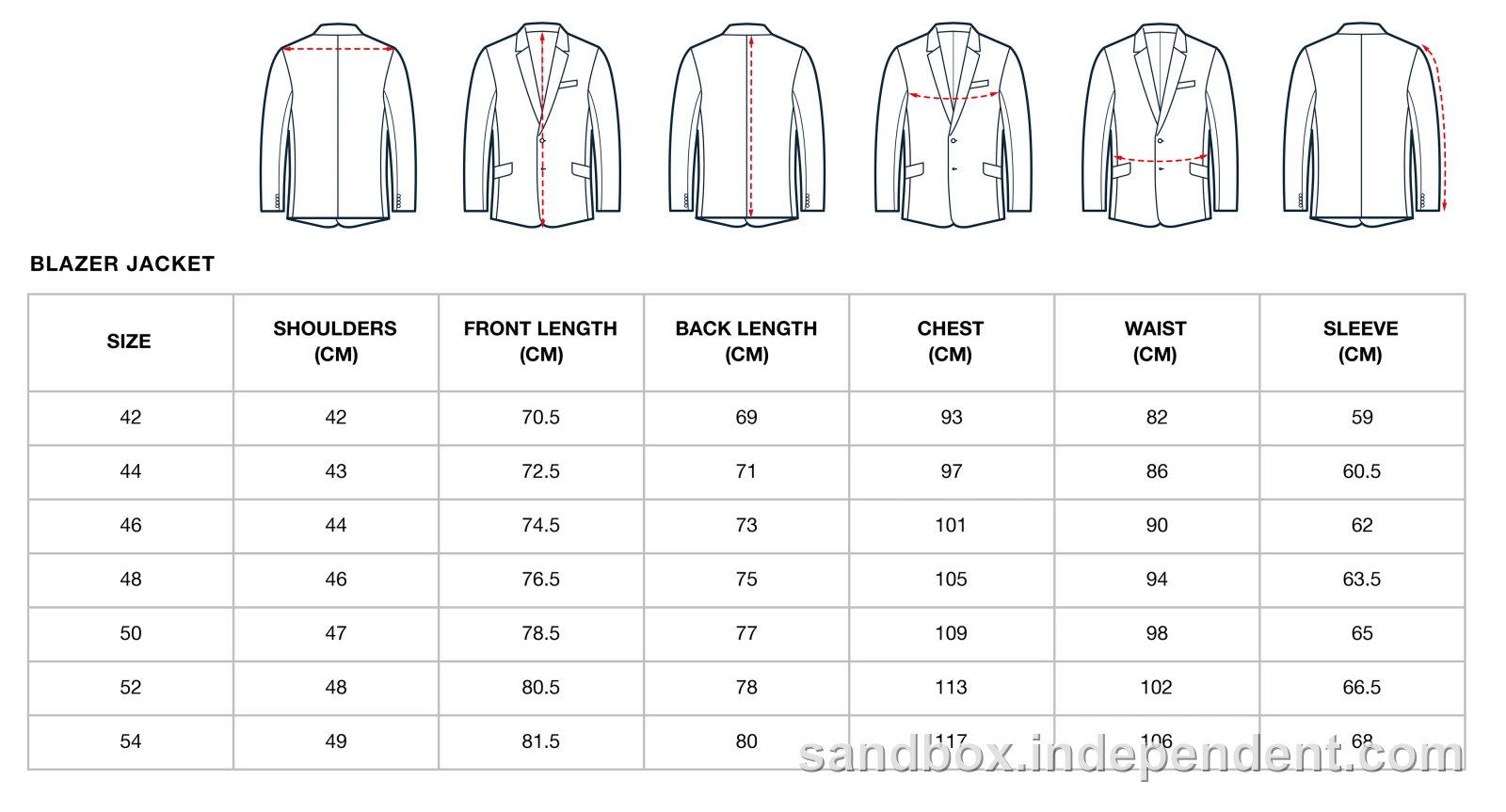
This simple reference tool, whether a table or diagram, is your friend and can save you time and potential sizing disasters. While the values and formats may vary depending on the brand and region, the coat size chart offers a reliable guide to ensure you find the perfect fit. It's a quick and easy way to navigate the often confusing world of garment sizing.
Understanding the Coat Size Chart: A Quick Overview
The coat size chart is your practical guide to finding the perfect fit for your coats and jackets. It's a reference tool that simplifies the process of selecting the right size, ensuring comfort and style. This chart provides a standardized way to match your body measurements with the corresponding coat size, making shopping easier and more accurate.
Comparing Standard Sizing Systems and Formats
Coat size charts can vary depending on the standard used. The most common systems are the US standard sizes and the international or metric sizes. These systems have different measurements and categories, so it's essential to know which standard the chart follows. US sizes often use alphabetical letters (e.g., S, M, L) and numerical sizes (e.g., 6, 8, 10), while international sizes typically use numerical ranges (e.g., 36, 38, 40) and may include additional letters (e.g., XS, XL).
Practical Steps to Use the Coat Size Chart Accurately
Using the coat size chart is straightforward:
- Measure your body: Take accurate measurements of your chest, waist, and hips. These are the key areas for coat sizing.
- Find your size: Locate your measurements on the chart. Match your chest measurement to the corresponding size column. If your waist and hip measurements fall within the same size range, great! If not, choose the size that best fits your chest and consider adjusting the fit with a belt or tailoring.
- Consider the style: Different coat styles may have varying fits. Some are designed to be more relaxed and loose-fitting, while others are tailored and fitted. Check the product description or consult the size guide for specific style recommendations.
- Double-check: Always refer to the product's size guide or specifications. Some brands may have slight variations in their sizing, so it's best to confirm the exact measurements and tolerances.
Common Misreadings and Pitfalls to Avoid
Here are some key factors to keep in mind to avoid sizing mistakes:
- Garment measurement standards can vary: Coats and jackets may have different fit preferences, so always check the product's specific size guide.
- International clothing sizes may differ: If you're shopping internationally, be aware of the size conversions. Some countries use different sizing systems, so a size 10 in one country might not be the same as a size 10 elsewhere.
- Body measurement guide: Ensure you measure yourself accurately. Loose or tight clothing during measurement can affect the result. Stand upright and measure snugly but comfortably.
- Consider the fabric: The stretch and drape of the fabric can impact the fit. Natural fibers like wool may have more give, while synthetic fabrics might be more structured.
- Personal preference: Sizing is not one-size-fits-all. Some people prefer a looser fit, while others like a more tailored look. Consider your personal style and comfort when choosing a size.
Hey there! We hope this coat size chart guide has been helpful in your quest for the perfect fit. Remember, while we've covered the basics, the exact values might differ slightly depending on the brand or standard you're referring to. It's always a good idea to check the specific guidelines for each item you're eyeing.
Feel free to explore our other guides on similar topics. We've got a range of practical resources to help you navigate the world of fashion and sizing with ease. Happy browsing and happy shopping!