










Objects That Start With S Overview
Construction companies that build schools are an essential part of our communities, and yet, they often go unnoticed. Every time I walk past a new school building or see an old one getting a much-needed upgrade, I'm reminded of the hard work and expertise that goes into these projects. So, let's explore what these companies do, why they matter, and how they impact our lives.
Building Knowledge: An Inside Look
Construction companies that build schools specialize in creating educational spaces. They take on the task of designing, constructing, and often remodeling these facilities to provide the best learning environments for students. From kindergarten classrooms to university lecture halls, these companies play a vital role in shaping our educational infrastructure.
The process involves a lot more than just bricks and mortar. It requires careful planning, skilled labor, and an understanding of educational needs. These companies work closely with architects, engineers, and educational experts to ensure the final product meets all the necessary standards and regulations. They consider factors like safety, accessibility, and the unique requirements of different age groups and subjects.
What Makes a Good School Construction Company?
When it comes to choosing a company for your school project, there are several key factors to consider. First and foremost, you want a company with a proven track record in educational construction. Look for experience and a portfolio that showcases a variety of school projects. This ensures they understand the specific needs and challenges of building for education.
Another crucial aspect is communication. A good construction company will keep you informed throughout the process, providing regular updates and addressing any concerns promptly. They should also be transparent about their pricing and provide detailed, itemized quotes. Remember, it's not just about the initial cost but also the long-term value and durability of the construction.
Naming the Game: Construction Company Names
Naming a construction company is an art in itself. A good name should be memorable, professional, and reflect the company's expertise and values. It might include a reference to education, learning, or the specific services they offer. Here are a few original ideas:
- Educonstruct
- Build-Ed
- Schoolhouse Builders
- Learning Legacy Construction
- Scholar's Choice
- Smart Build
Before settling on a name, it's essential to check its availability for domains and local business registration. A unique and available name will help your construction company stand out and be easily found.
The People Behind the Projects
Construction companies that build schools employ a range of skilled professionals. From project managers and estimators to architects and engineers, each role is crucial to the success of a school construction project. These individuals bring their expertise and passion to create functional, inspiring spaces for learning.
Project managers, for instance, oversee the entire process, ensuring everything stays on track and within budget. Estimators provide cost analyses and help with financial planning. Architects and engineers design and plan the building, considering structural integrity and functionality. Each role is vital, and these professionals often work together seamlessly to bring a school project to life.
Final Thoughts
Construction companies that build schools are more than just builders; they're creators of learning environments. Their work impacts the education and future of our communities. By understanding the process, the people involved, and the factors that influence construction, we can appreciate the value and complexity of these projects. So, the next time you pass a school, take a moment to think about the hard work and dedication that went into its creation.
Related: How to Read the Newport Tide Chart?
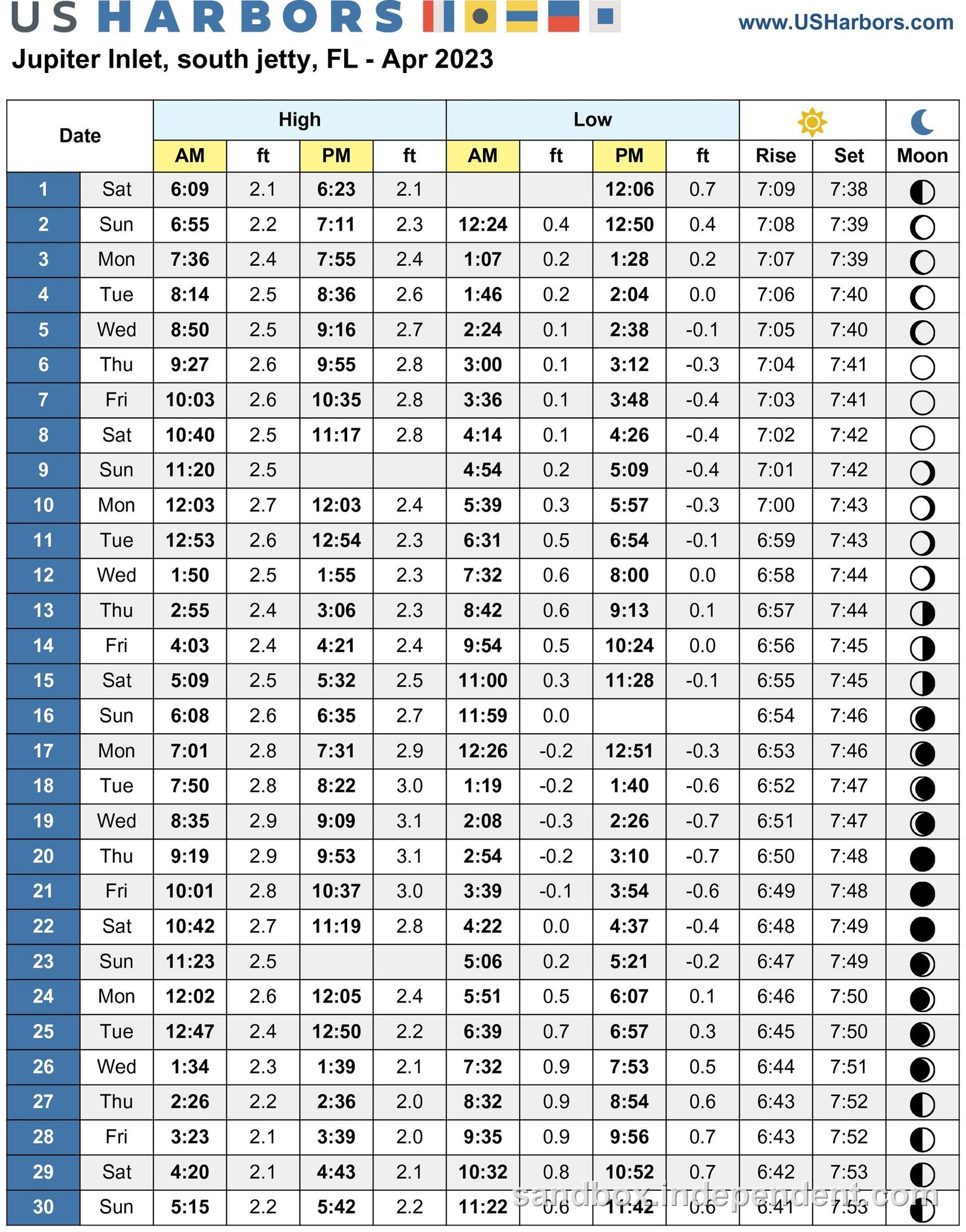
You've landed here because you need a reliable, quick reference for your Newport tide chart. This essential tool, whether a chart, table, or diagram, provides crucial information for your planning and activities. It's a simple yet powerful resource, offering a snapshot of tidal movements and water levels for Newport and its surrounding areas.
The beauty of the Newport tide chart is its precision and ease of use. While the specific values and formats may vary depending on your region and the source of the data, the core purpose remains the same: to provide an accurate and accessible guide to Newport's tidal rhythms. Whether you're a sailor, fisherman, or just a curious beachgoer, this chart is your key to understanding and navigating the ebb and flow of Newport's waters.
Understanding Newport Tide Charts
Newport tide charts are an essential tool for anyone planning coastal activities, offering a glimpse into the ebb and flow of tide heights and water levels in the region. These charts provide a visual representation of the tidal patterns, helping users navigate the waters safely and efficiently.
Key Details and Categories
The newport tide chart typically displays two main categories: tide times and tide heights. Tide times indicate the specific moments when the tide will be at its highest or lowest points, often referred to as high tide and low tide. These times are crucial for planning activities such as boating, fishing, or beachcombing. Tide heights, on the other hand, represent the vertical difference between high and low tide, providing an understanding of the water's depth and movement.
Reading and Applying the Chart: A Step-by-Step Guide
- Begin by identifying the date and time for which you need the tide information. Newport tide charts often cover a specific period, so ensure you are referring to the correct chart for your intended activity.
- Locate the tide times on the chart. These are usually marked with clear indicators, such as "High Tide" and "Low Tide," along with the corresponding time.
- Once you have the tide times, you can plan your activities accordingly. For instance, if you're boating, you might want to time your departure or arrival with the high tide to ensure sufficient water depth.
- The tide heights section of the chart provides additional insights. It shows the difference in water levels between high and low tide, which is particularly useful for understanding the current flow rates and potential changes in water depth.
- Remember, these charts are a guide, and actual conditions may vary slightly due to weather or other environmental factors. Always exercise caution and stay updated with the latest weather reports and marine forecasts.
Common Variations and Safety Considerations
While newport tide charts are highly accurate, it's important to note that variations can occur due to several factors. Weather conditions, such as strong winds or storms, can influence tide levels and times. Additionally, certain coastal areas may experience unique tidal patterns due to their geographical features. It's crucial to cross-reference the chart with real-time observations and local knowledge, especially in unfamiliar locations. Safety should always be a priority when relying on tide charts, so stay informed and be prepared for any unexpected changes in tide behavior.
It's always a good idea to familiarize yourself with the unique tidal patterns of any new location you visit. While the Newport tide chart provides a reliable reference, remember that exact values can vary, so it's wise to double-check with local sources for the most accurate and up-to-date information.
Feel free to bookmark this page for future reference. It's a handy tool to have on hand when planning your next coastal adventure or activity, ensuring you're always prepared and making the most of the tides.
Related: Find Your Seat: NRG Seating Chart Guide
You're probably here because you need a quick fix, a simple solution to understand the nrg seating chart and make sense of those rows and sections. It's a common quest, and the good news is, it's an easy one to tackle. The chart is your key to navigating events at the NRG, whether it's a concert, sports game, or any other spectacle. While the specifics might vary slightly depending on the event, the basic layout and section names will guide you to your seat with ease.
Understanding the NRG Seating Chart
The NRG seating chart is a handy tool for anyone attending an event at the NRG Arena. It provides a visual representation of the venue's seating layout, helping you navigate and choose your preferred seats. This chart is a reference guide, offering a clear overview of the arena's seating options.
Standard Seat Dimensions and Arrangements
The NRG seating chart typically follows standard dimensions and arrangements. However, it's important to note that these can vary slightly depending on the event and the specific configuration of the arena. The chart will indicate the seat numbers, sections, and rows, providing a clear picture of the seating layout.
How to Use the NRG Seating Chart: A Step-by-Step Guide
- Identify the Event: First, ensure you have the correct seating chart for the event you're attending. NRG hosts various events, so the chart may differ slightly.
- Locate Your Section: Find the section number or letter indicated on your ticket. This will be your starting point on the seating chart.
- Navigate to Your Seat: Using the chart, follow the row numbers to locate your specific seat. The chart will guide you to your exact location within the section.
- Check Seat Views: Some charts may include a section view or a visual representation of the stage or field from different sections. This can help you assess the view from your seat.
Avoiding Misreadings and Pitfalls
While the NRG seating chart is a valuable tool, there are a few potential pitfalls to be aware of:
- Seat Numbers: Ensure you understand the seat numbering system. It may not always follow a straightforward pattern, especially in larger arenas.
- Section Views: While section views can be helpful, they are often simplified representations. The actual view may vary slightly due to factors like seat height or obstructions.
- Event-Specific Changes: Certain events may require unique seating arrangements. Always double-check the specific seating plan for your event to avoid surprises.
Remember, the NRG seating chart is a practical guide, but it's always a good idea to cross-reference with official sources and reviews to ensure an accurate understanding of your seat's location and view.
Hey there, I hope this guide has given you a clear picture of the NRG seating chart and its uses. Remember, while the basics remain the same, there might be slight variations depending on the specific event or venue.
So, keep this page bookmarked for a quick reference guide the next time you need it. It's a handy tool to have at your fingertips, and you never know when it might come in useful! Feel free to explore our other guides too; we've got plenty of practical tips and tricks to offer.