






Ocean Animals Coloring Pages Overview
Many folks get tripped up by the 100 number chart's simplicity, but it's a powerful tool when you grasp its potential. This chart, a basic number line or grid, is often overlooked yet incredibly useful for various tasks. It's not just for counting; it's a versatile reference, and understanding its layout is key to unlocking its benefits.
Understanding the 100 Number Chart
The 100 number chart is a simple yet powerful tool for visualizing and understanding numbers from 1 to 100. It's like a map that helps you navigate the world of numbers, showing you how they relate to each other and providing a quick reference for counting, calculating, and identifying patterns.
Key Details and Categories
This chart is typically a grid with 10 rows and 10 columns, creating a hundred squares. Each square contains a number, starting from 1 in the top left and increasing sequentially to 100 in the bottom right. The numbers are arranged in a logical, ascending order, with each row representing a multiple of 10. So, the first row has numbers 1 to 10, the second row has 11 to 20, and so on.
Reading and Applying the Chart
To use the 100 number chart, you simply read the numbers as you would on a regular number line. Start at the top left and move across and down, following the natural flow of the grid. This method is particularly useful for young learners who are just starting to grasp the concept of numbers and their relationships. It helps them count, identify patterns, and understand place value. For example, they can see that the number 23 is in the same row as 13 and 33, which helps reinforce the concept of 'tens' and 'ones'.
Variations and Differences
While the basic structure of the 100 number chart remains consistent, there can be variations in how it's presented or used. Some charts might include additional features like color-coding to highlight patterns or groups of numbers. Others might have certain sections emphasized to focus on specific mathematical concepts, like prime numbers or square numbers. Additionally, the chart's size and format can vary depending on its intended use and the preferences of the user or educator. It's important to note that while the 100 number chart is a great tool for understanding numbers, it's not an exhaustive resource. For more complex calculations or specific mathematical tasks, other charts or reference tables might be more suitable. Always double-check the exact specifications and tolerances for your particular use case.
Well, there you have it! A simple and handy guide to navigating the 100 number chart. Remember, these charts are versatile tools, so always check your specific needs and ensure you're using the right one for your context.
Consider bookmarking this page for future reference. It's a quick and easy way to refresh your memory and ensure you're using the chart correctly. Happy charting!
Related: How to Read a Chest Size Chart?
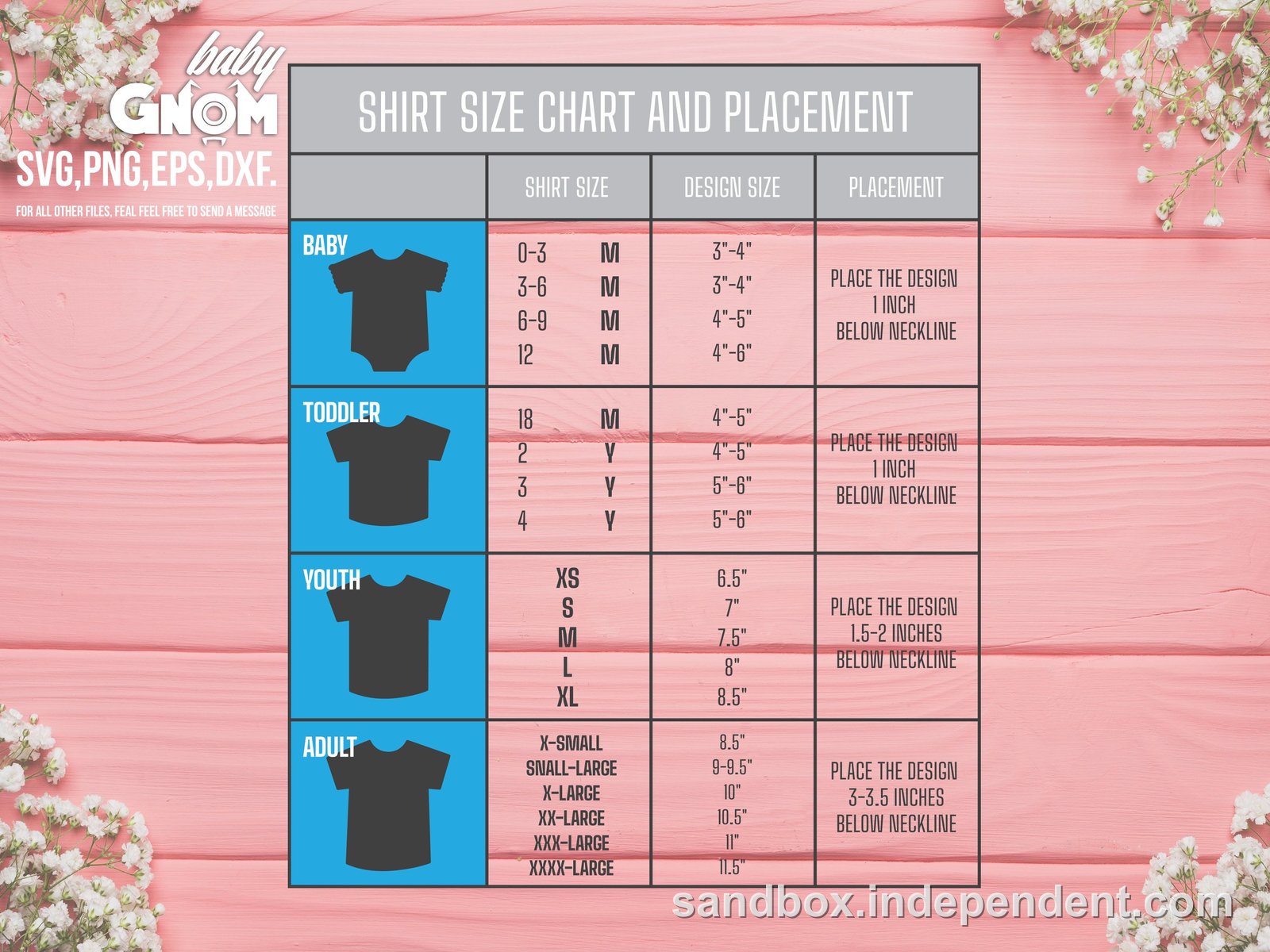
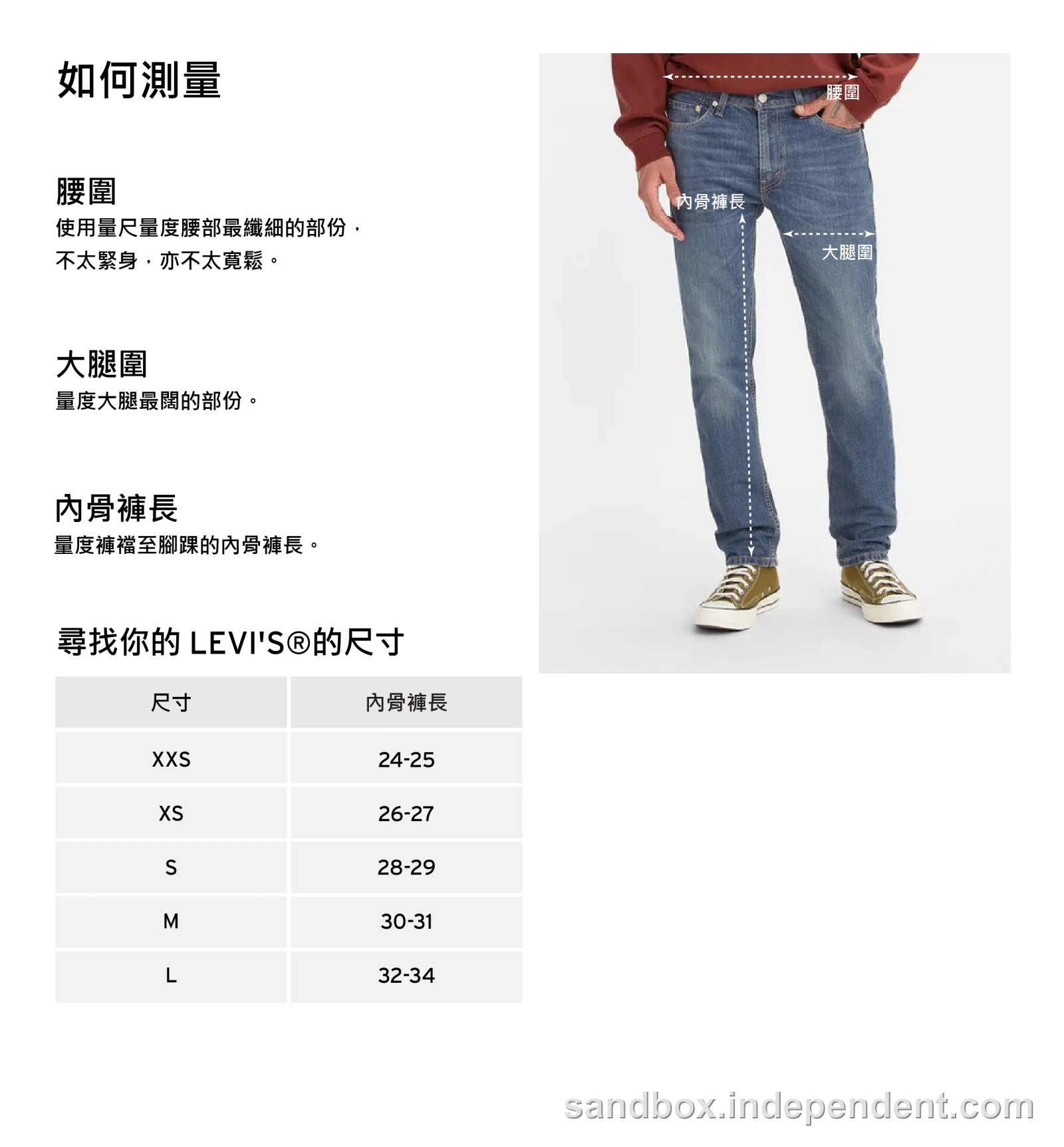
You're probably here because you need a quick answer, and who can blame you? A chest size chart is a handy tool, offering a simple visual guide to understanding bra sizes and fit. It's a reference that can save you time and ensure you get the right size, every time. These charts can vary slightly, but they're an essential guide for anyone wanting an accurate bra size and a comfortable fit.
Understanding the Chest Size Chart
The chest size chart is a handy tool to help you find the right fit for clothing and accessories, especially when shopping online. It provides a reference for measuring and understanding your chest size, ensuring you make informed choices. This chart is particularly useful for women's sizing, including bra size charts, but it can also guide men's clothing choices.
Comparing Measurement Standards
Measurement standards can vary depending on the region and manufacturer. For example, the US and international (metric) systems have different size categories and ranges. The chest size chart typically includes both systems, making it versatile. It's essential to check which standard is being used to ensure accuracy.
Measuring Accurately: A Step-by-Step Guide
- Prepare a flexible measuring tape. Ensure it's not too tight or loose.
- Stand in a relaxed position, with your arms slightly away from your sides.
- Measure the fullest part of your chest, usually across the nipple line.
- Wrap the tape around your body, ensuring it's level and parallel to the floor.
- Take the measurement in inches or centimeters, depending on the standard.
- Refer to the chest size chart to find your size. It will provide a range of measurements and corresponding sizes.
- If you fall between sizes, consider the fabric's stretch and your personal preference for a snug or loose fit.
Common Mistakes and How to Avoid Them
One common mistake is measuring too tightly or too loosely. This can lead to an inaccurate reading and an ill-fitting garment. Always ensure the tape is snug but not constricting. Another pitfall is assuming all brands use the same sizing. Different manufacturers may have slight variations, so it's best to refer to their specific size charts. Additionally, some charts may not cover all body types, so be mindful of any special considerations you may have.
Factors Affecting Accuracy and Real-World Use
Several factors can influence the accuracy of your chest size measurement. These include your posture during measurement, the type of clothing you're wearing, and any recent weight changes. It's essential to stand upright and maintain a consistent posture. The fabric of your clothing can also affect the measurement, so consider measuring over a thin, form-fitting garment. If you've recently gained or lost weight, your chest size may have changed, so it's beneficial to remeasure periodically.
So, now you're equipped with a handy chest size chart and the knowledge to use it effectively. Remember, these charts provide a great starting point, but it's always wise to consider your unique needs and measurements.
Don't forget to check out our other guides for more practical tips and insights. We've got a range of topics to explore, so feel free to browse and discover something new!
Related: What Is a Specialty Contractor Essential Guide
"What is a specialty contractor?" I asked myself as I started planning my home renovation. It's a term I kept seeing, but I wasn't sure what it meant exactly. So, I did some digging and here's what I found out.
The Basics: Who Are These Specialists?
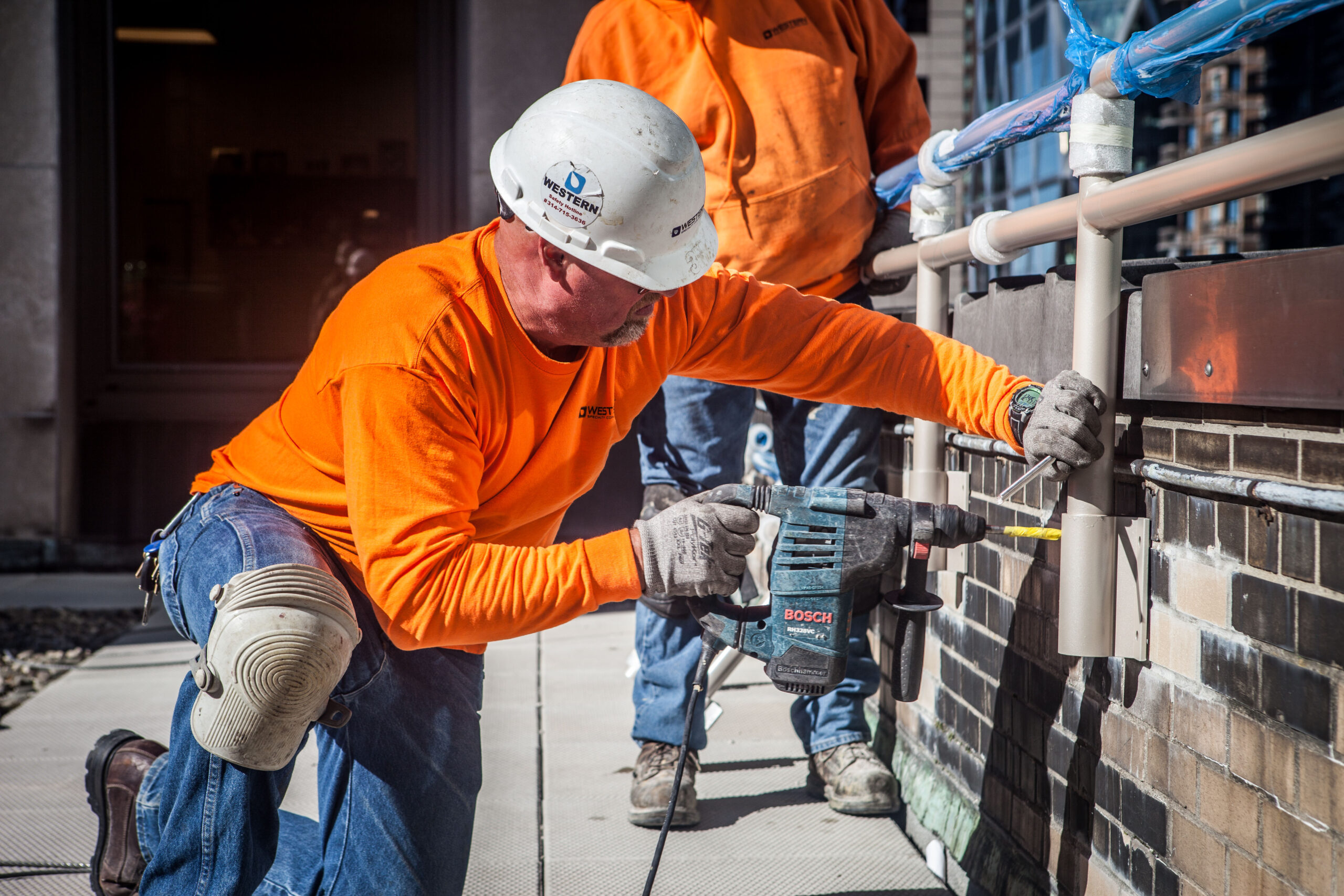
A specialty contractor is a pro who focuses on one specific trade or skill. Unlike a general contractor who oversees the whole project, these guys are the experts in their field. They might handle plumbing, electrical work, roofing, or even something more niche like pool installation or solar panel setup. It's all about having a deep knowledge of one area.
Why Does It Matter?
Well, if you're planning a project, knowing who to call can save you time and money. For example, let's say you need a new roof. You could hire a general contractor who will then subcontract the roofing work out to a specialist. But why not go straight to the source? A specialty contractor will likely be more efficient and offer better value. They're the masters of their craft and can often complete jobs faster and with fewer surprises.
Finding and Hiring a Specialist
When you're ready to hire, do your research. Get quotes from a few different companies and compare. Look for experience, references, and check their licensing and insurance. It's also a good idea to ask about their process and how they handle unexpected issues. Remember, the cheapest quote might not always be the best value. You want someone who understands your vision and can deliver high-quality work.
Company Names and Branding
If you're in the construction game and thinking of starting your own business, choosing a name is key. It should be memorable, unique, and reflect your specialty. Something like "Atlanta Electrical Experts" or "Helena's Roofing Masters" tells people exactly what you do. But don't forget to check name availability and secure your domain and local registration too.
Jobs and Industry Outlook
Specialty contractors often work for larger construction companies or are self-employed. The work can be varied and rewarding, and there's always demand for skilled tradespeople. If you're looking for a career change, consider training in a specialty trade. It's a stable industry with plenty of opportunities. You'll find jobs listed on construction-focused job boards and local classifieds.
Tools of the Trade
In the construction world, tools like RSMeans can be a big help. It's a cost database and estimating tool used by contractors and estimators to price projects accurately. It takes into account things like materials, labor, and escalation (changes in costs over time). Having access to reliable data like this can make a big difference when quoting for jobs.
Big vs. Small Firms
The construction industry has a mix of large and small firms. Big companies often have more resources and can take on larger projects, but smaller firms might offer more personalized service. It's a balance between scale and specialization. As a customer, it's worth considering what matters most to you and your project.
Final Thoughts
Understanding what is a specialty contractor can really help when planning a project. Knowing who to call and what to expect can make the process smoother. And if you're thinking of a career change, the construction industry offers a world of opportunities. So, whether you're a homeowner, a business owner, or considering a new path, specialty contractors are a key part of the picture.