



Ocmd Tide Chart Editable Overview
A jersey size chart is a handy tool for anyone looking to ensure a perfect fit when ordering clothing online or understanding garment measurements. This guide will provide an overview of these charts, covering their purpose and the key information they offer.
They offer a quick reference, typically presenting measurements for various body parts and the corresponding clothing sizes. While standards can vary, a good chart will provide a reliable starting point for finding your ideal size, whether you're shopping for men's, women's, or kids' apparel.
Understanding the Jersey Size Chart
A jersey size chart is an essential tool for anyone looking to purchase clothing, especially online. It provides a standardized guide to help you choose the right size for your body measurements. This chart ensures a perfect fit and can save you from the hassle of returns and exchanges.
Key Details and Categories
The jersey size chart typically includes measurements for chest, waist, and hip circumference, as well as height. These measurements are presented in a table format, with sizes categorized by numerical values or alphabetical letters, depending on the standard being used. For example, the US standard may use numerical sizes like 32, 34, 36, etc., while the European standard might use letters such as S, M, L, XL, and so on. It's important to note that these sizes can vary slightly between brands and manufacturers, so always refer to the specific jersey size chart provided by the retailer or brand you're purchasing from.
Step-by-Step Guide: Reading the Chart
To use the jersey size chart accurately, follow these steps:
Measure your body: Take accurate measurements of your chest, waist, hips, and height. Ensure you follow the guidelines provided on the chart for proper measuring techniques.
Find your size: Locate your measurements on the chart. For instance, if your chest measurement is 38 inches, look for the column or row that corresponds to this value.
Check other measurements: Ensure that your waist and hip measurements also align with the size you've chosen based on your chest measurement. If there's a significant discrepancy, you may need to choose a different size or consider a custom-fit option.
Consider the fit: Different brands and styles may offer various fits, such as slim, regular, or relaxed. Refer to the chart's notes or additional guidelines to understand how these fits may impact the overall size.
Size Variations and Differences
Size charts can vary across brands and regions due to different standards and preferences. For instance, a size medium in one brand might fit like a large in another. This is why it's crucial to refer to the specific jersey size chart for the brand you're purchasing from. Additionally, some brands may offer size guides with detailed measurements for each size, providing a more precise fit.
Common Mistakes and How to Avoid Them
One common mistake is assuming that your size remains constant across all brands. Always refer to the jersey size chart for each brand to ensure an accurate fit. Another mistake is neglecting to measure yourself properly. Ensure you follow the guidelines provided on the chart to get the most precise measurements.
Tips for a Perfect Fit
To achieve the best fit, consider these tips:
Measure yourself regularly, especially if you're purchasing clothing after a significant weight change or growth spurt.
If you're between sizes, choose the larger size for a more comfortable fit or the smaller size for a tighter, more fitted look.
Pay attention to the fabric and style of the jersey. Some fabrics may have more or less stretch, impacting the overall fit.
Don't be afraid to try on multiple sizes if you're unsure. Many online retailers offer free returns, so take advantage of this to find your perfect fit.
Well, there you have it, a comprehensive guide to jersey size charts. With this knowledge, you can confidently navigate the world of sizing and ensure a perfect fit every time. Remember, while this guide provides a solid foundation, exact values can vary, so always refer to the specific guidelines provided by the brand or manufacturer for the most accurate results.
Feel free to explore our other resources on sizing and fitting guides; we've got plenty of practical tips to ensure your wardrobe choices are always spot on. Happy shopping, and don't forget to measure twice (or thrice) to ensure that perfect fit!
Related: A Beginner's Guide to Reading Trumpet Note Charts
A trumpet note chart is a handy tool for any trumpeter, offering a quick glance at the notes and their corresponding fingerings. This guide will take you through the basics, ensuring you can read and use the chart with ease.
It's a simple reference, but an essential one, as it covers the standard range and common scales. While the exact values may vary slightly, the chart provides a solid foundation for understanding note names and their pitch frequencies.
Understanding the Trumpet Note Chart
The trumpet note chart is a valuable tool for any trumpeter, offering a visual representation of the notes and their corresponding fingerings. It's like a map, guiding you through the world of trumpet playing. This chart simplifies the process of learning and mastering different notes, making it an essential resource for beginners and experienced players alike.
Key Details and Categories
Before diving into the chart, it's crucial to understand some basics. The chart typically covers the standard range of a trumpet, which includes both the natural notes and those produced using valve combinations. You'll find notes organized by their pitch frequency, from low to high. Each note is represented by a specific fingering, often shown as a combination of valve positions. Additionally, some charts may include alternate fingerings, offering options for different playing styles or instruments.
Reading the Notation and Applying It
Using the trumpet note chart is straightforward. Start by identifying the note you want to play. Then, locate it on the chart, which will show you the correct fingering. For example, if you want to play a C note, you'll see a specific valve combination indicated. Follow this fingering, and you'll produce the desired note. It's as simple as that! Practice reading the chart and applying the fingerings to become more comfortable with it. Over time, you'll develop muscle memory, making note transitions seamless.
Variations and Differences
While the trumpet note chart provides a solid foundation, it's important to note that variations exist. Different standards, such as US or international, may have slight differences in note names or fingerings. Additionally, some charts might focus on specific scales or playing techniques. Always double-check the exact specifications for your instrument and playing style. Here are some common factors that can cause variations:
- Standard range variations: Some charts may extend beyond the standard range, offering additional notes.
- Instrument type: Different trumpet models might have slight variations in fingering.
- Playing style: Certain charts cater to specific genres or techniques, like jazz or classical.
- Alternate fingerings: These provide options for achieving the same note with different finger combinations.
Remember, the trumpet note chart is a versatile tool, but it's essential to adapt it to your specific needs and context. With practice and familiarity, you'll navigate the chart with ease, unlocking the full potential of your trumpet playing.
Well, there you have it! A handy trumpet note chart can be a great tool to have in your musical arsenal. Remember, these charts provide a solid foundation, but exact values might differ slightly across different standards or resources.
So, before you put your new knowledge into practice, take a moment to ensure you're using the right chart for your specific needs. And don't forget to explore our other guides; there's plenty more musical magic to discover!
Related: Unraveling the Infant Poop Chart Mystery
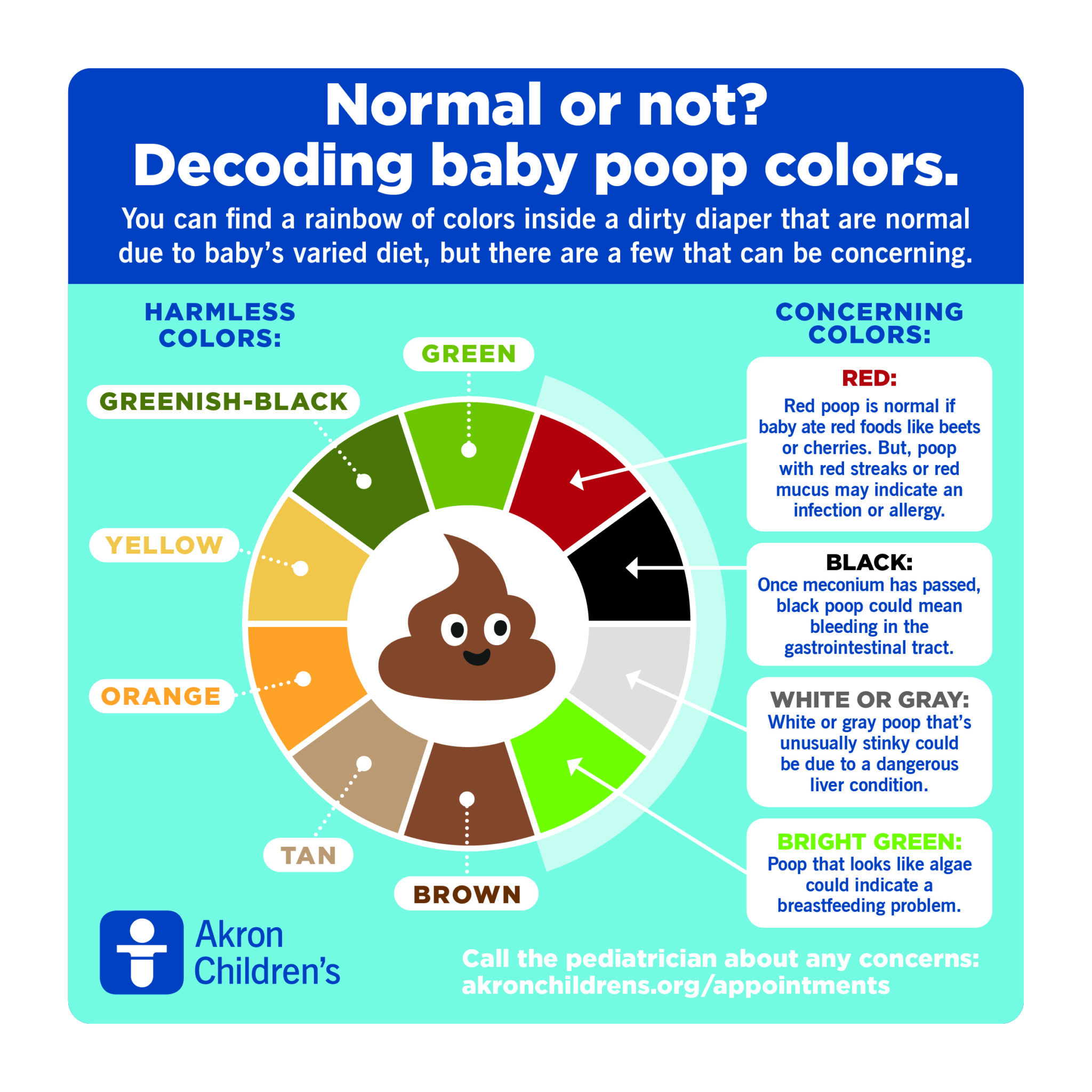
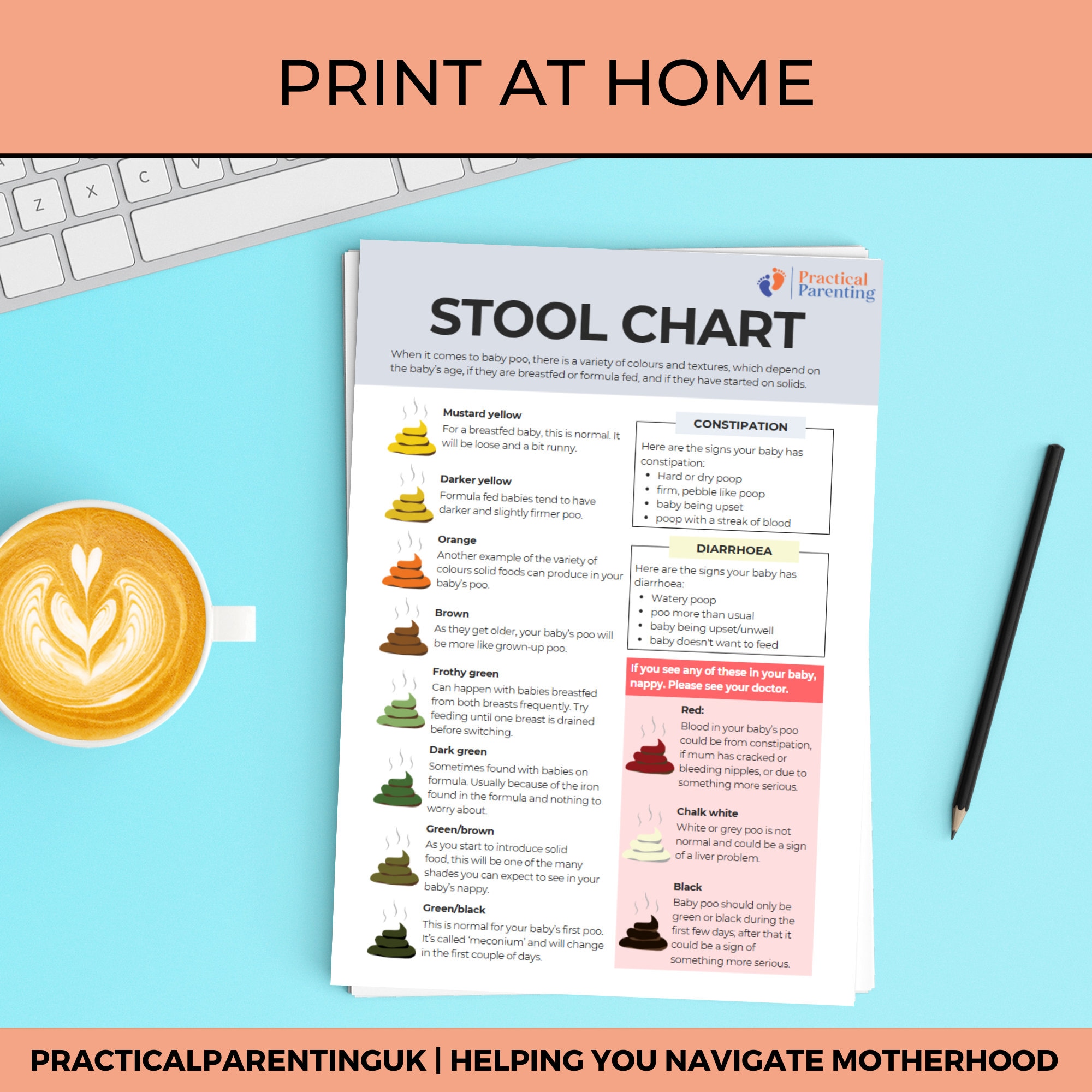
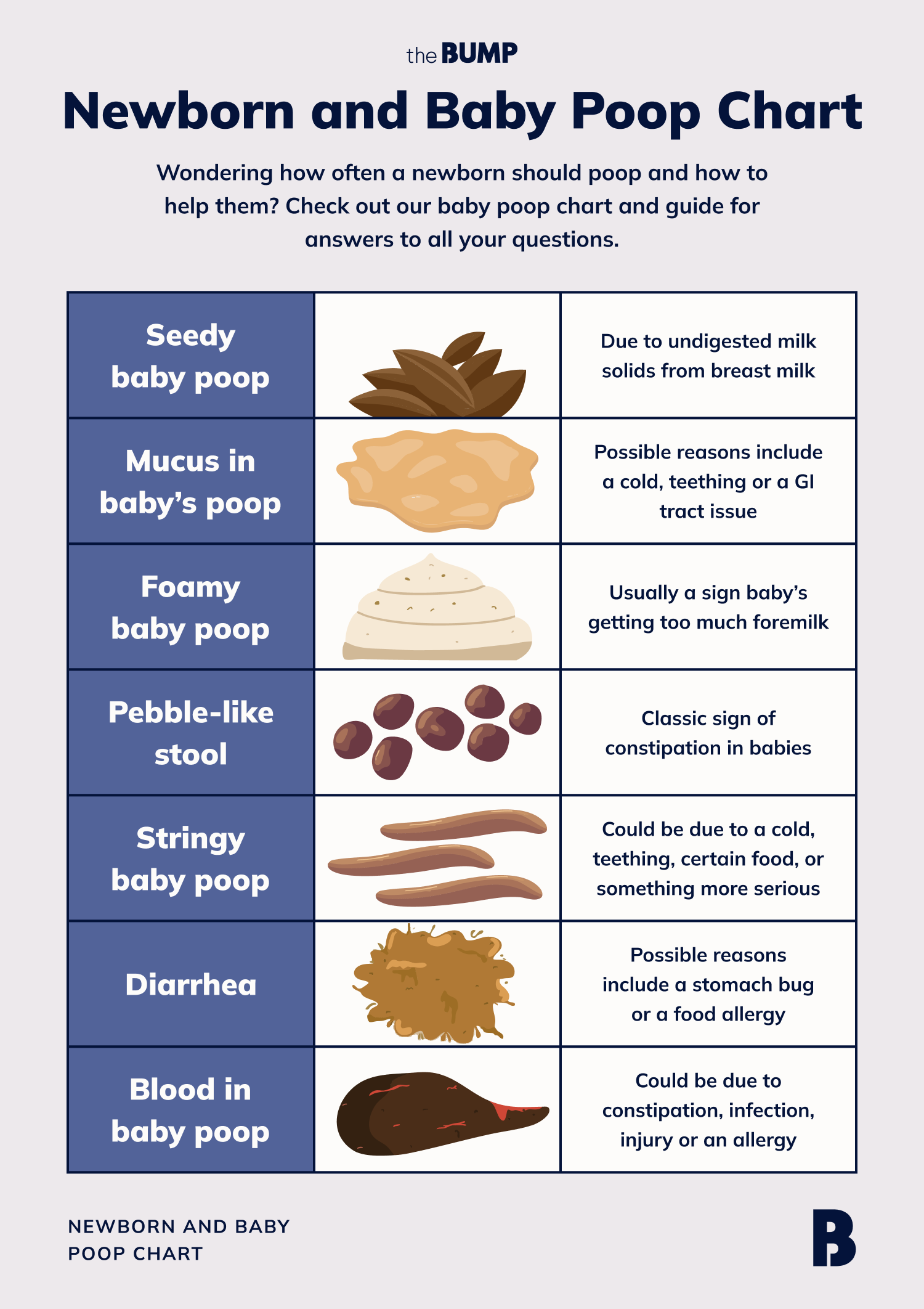
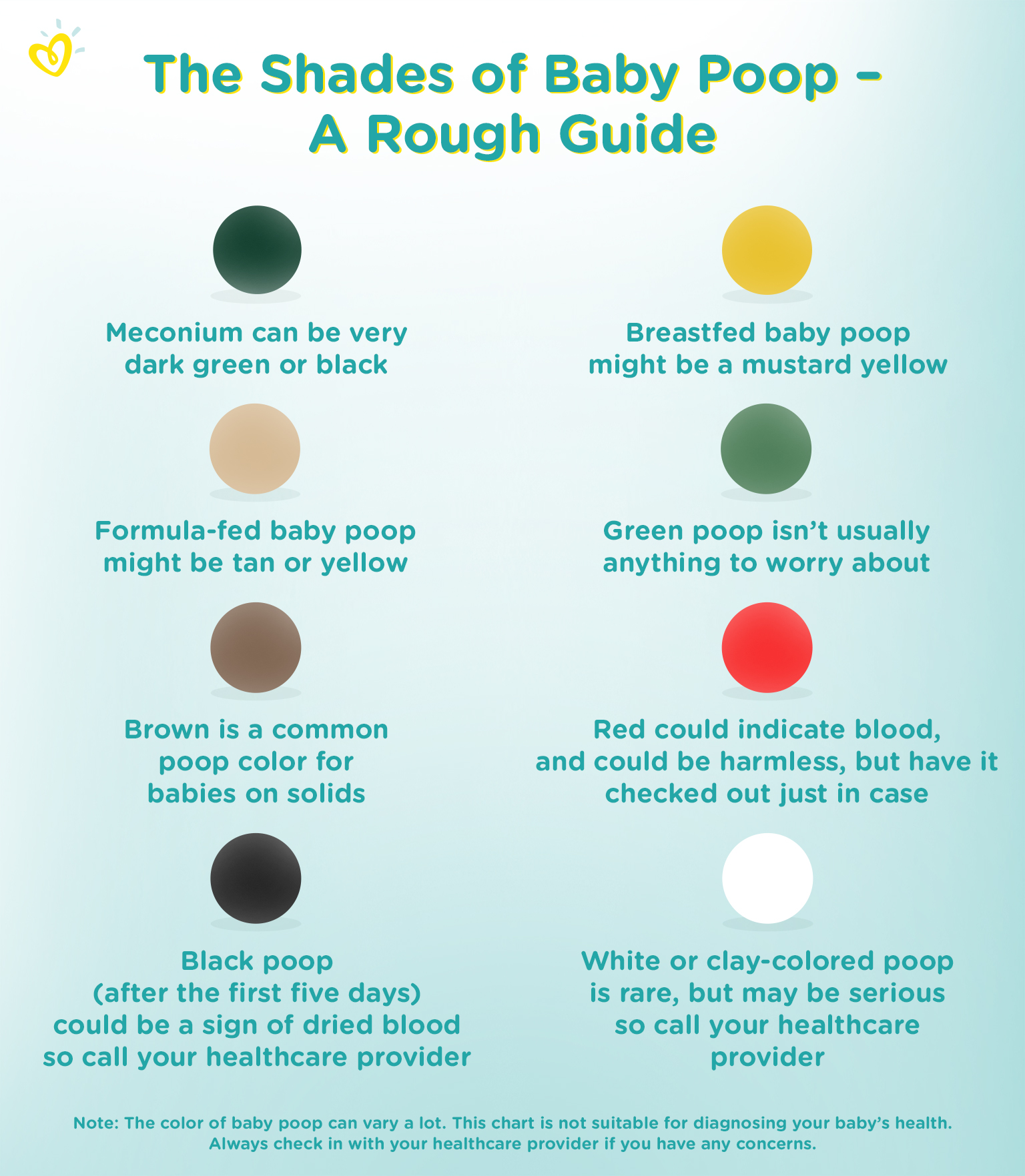
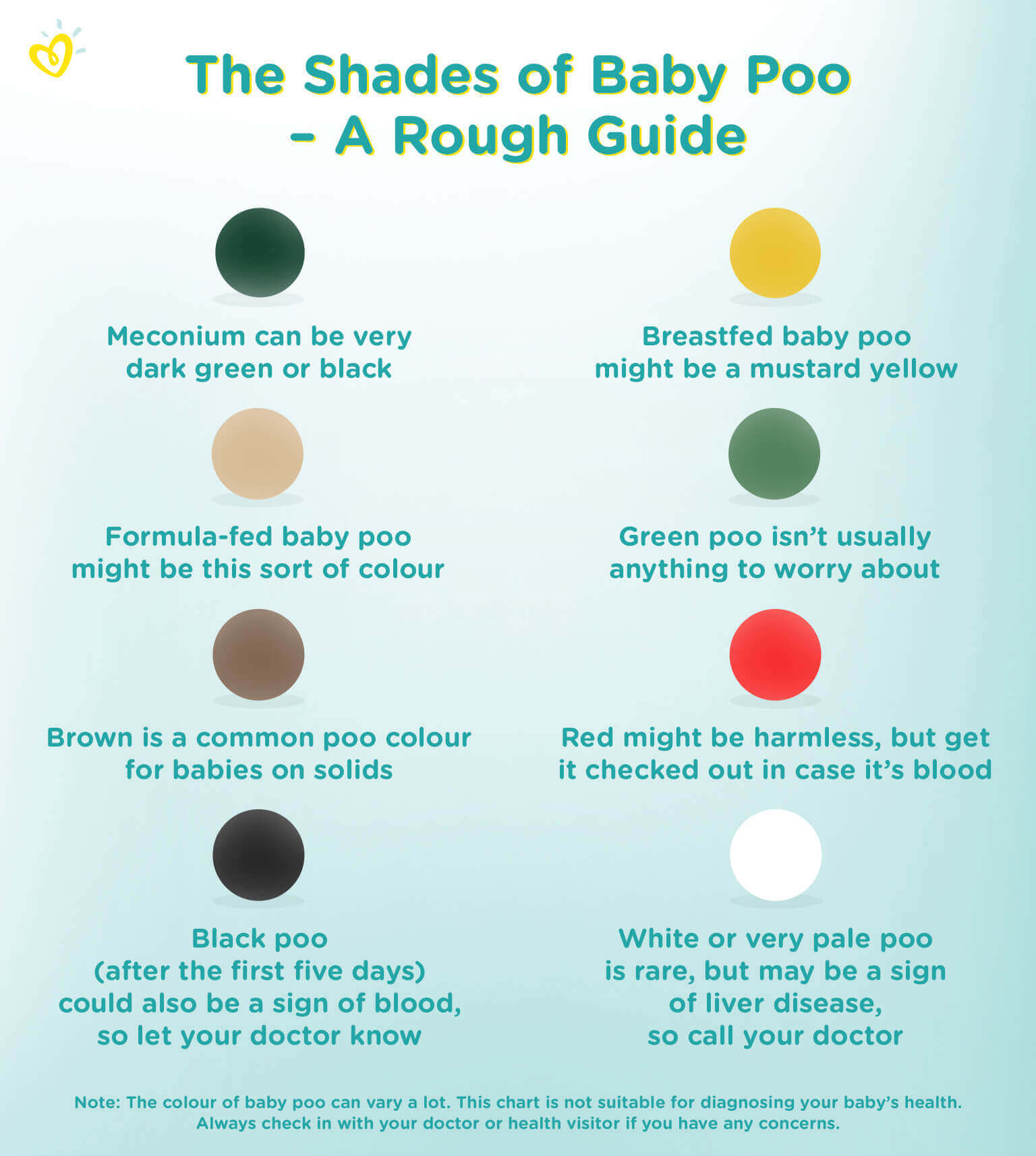
Many new parents are often surprised by the variety of infant poop and the fact that it can be a useful indicator of their baby's health. The infant poop chart is a simple yet effective tool to help you navigate this unfamiliar territory. It's not as scary as it sounds; this chart is a straightforward guide, offering a quick reference to understand your baby's stool consistency and what it might mean. While the exact values may vary slightly, the infant poop chart provides a reliable framework to ensure you're on the right track.
What is an Infant Poop Chart?
An infant poop chart is a simple yet informative tool for parents and caregivers to understand and track a baby's bowel movements. It provides a visual guide to help identify and categorize different types of poop, offering insights into a baby's digestive health and potential issues.
Key Details and Categories
The infant poop chart typically consists of a scale or a series of images representing various poop consistencies. These categories are often inspired by the Bristol Stool Scale, a widely recognized reference for stool types. The chart may use terms like "Meconium," which is the baby's first tar-like poop, and then progress through different stages, often with descriptive names like "Mustard Seeds" or "Soft Serve Ice Cream." Each category has a unique appearance and texture associated with it.
How to Read and Apply the Chart
Reading the infant poop chart is straightforward. Match the appearance and texture of your baby's poop to the closest representation on the chart. This process helps you identify the stage of your baby's digestive development. For instance, if the poop resembles smooth, soft peaks, it might fall under the "Soft Serve Ice Cream" category, indicating a healthy, well-digested meal.
Understanding Variations and Differences
Variations in poop consistency are normal and can be influenced by several factors. A baby's diet, including breast milk or formula composition, solid food introduction, and even hydration levels, can impact poop appearance. Additionally, individual digestive systems vary, and some babies may naturally have firmer or looser stools. Environmental factors like temperature and humidity can also play a role.
Common Mistakes and How to Avoid Them
One common mistake is overinterpreting the chart. Remember, it's a guide, not a rigid rule. Don't panic if your baby's poop doesn't perfectly match a category. Small variations are normal. Another pitfall is comparing your baby's poop to others. Every baby is unique, and their digestive systems develop at their own pace. Avoid unnecessary stress by focusing on your baby's individual progress.
Practical Tips for Accurate Results
To ensure accurate readings, pay attention to the context. Note any recent dietary changes, illnesses, or medications that might affect your baby's digestion. Keep a poop journal to track patterns and changes over time. This can help you identify any potential issues or simply observe your baby's natural progression.
Double-Checking and Handling Edge Cases
While the infant poop chart is a valuable tool, it's not exhaustive. If you notice any concerning changes, such as persistent diarrhea, blood in the stool, or a sudden shift in consistency, consult a healthcare professional. They can provide personalized advice based on your baby's specific situation. Always seek medical guidance if you're unsure or concerned about your baby's health.
Well, there you have it! An easy-to-use infant poop chart, a handy tool for any parent or caregiver. Understanding the ins and outs of baby poop is a crucial step in their overall health and development, so it's great to have a simple guide to refer to.
Remember, while this chart provides a general overview, exact values can vary, so always consider your specific context and consult with a healthcare professional if you have any concerns. It's always better to be safe than sorry! Bookmark this page for future reference, and you'll always have a quick and handy resource to turn to. Happy pooping!