





Ocmd Tide Chart For Kids Overview
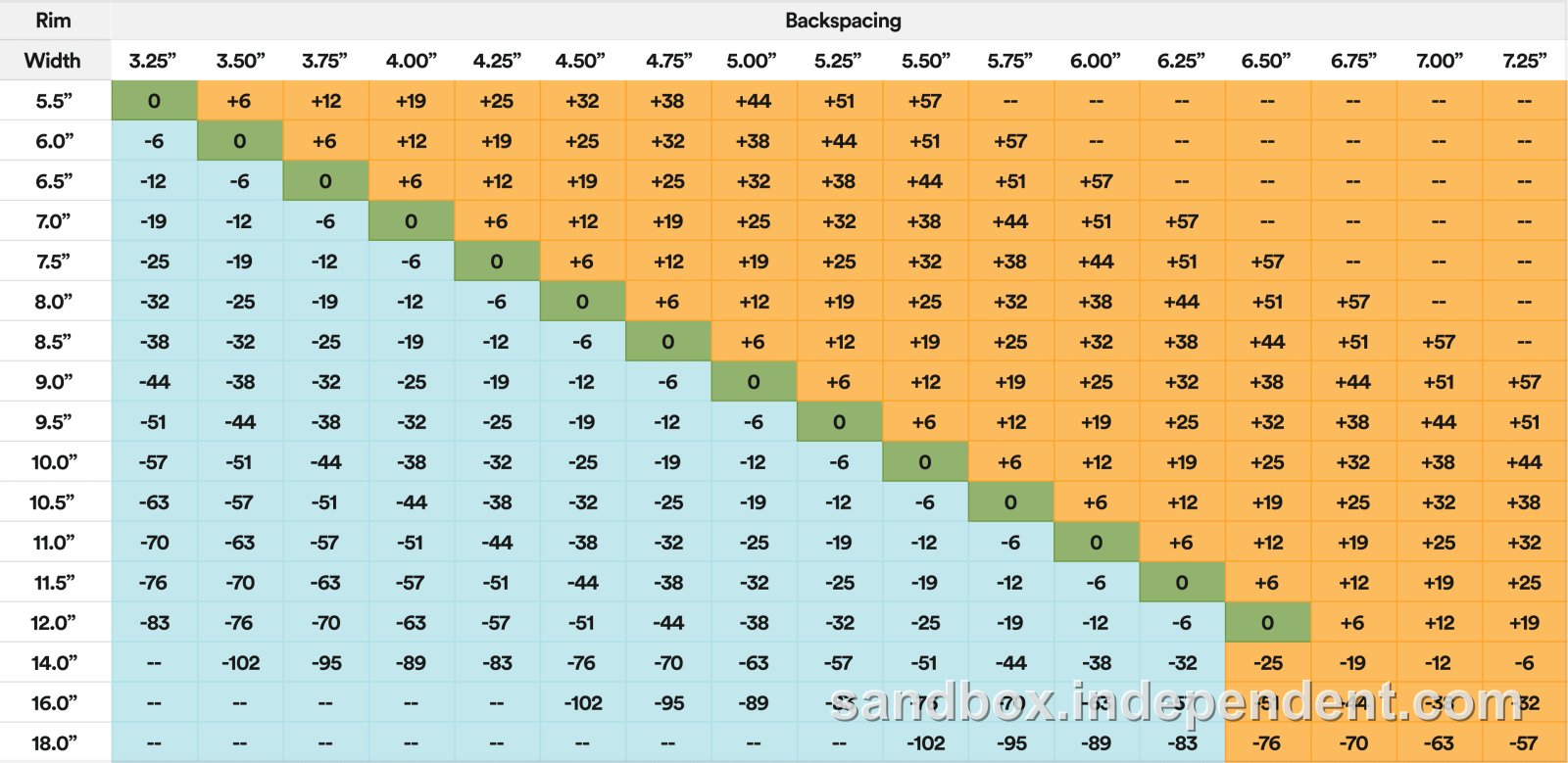
You're here, probably with a spanner in hand, searching for that crucial wheel torque chart to ensure your wheels are tightened just right. It's a simple yet essential task, and that's why having a reliable chart is key. This reference guide is your go-to for getting the torque specifications right, whether you're a pro or a DIY enthusiast. The chart provides a quick and easy way to find the right lug nut torque, ensuring your wheels are securely fastened.
What is a Wheel Torque Chart?
A wheel torque chart is a handy reference tool that provides crucial information for properly tightening the lug nuts on your vehicle's wheels. It ensures your wheels are securely fastened, reducing the risk of them coming loose while driving.
Key Details and Categories
The chart displays standard torque specifications for various vehicle makes and models, along with the recommended torque values for their lug nuts. These values are typically measured in foot-pounds (ft-lbs) or newton meters (Nm). It's important to note that the chart is based on specific standards and may vary depending on the region and manufacturer.
Reading and Applying the Chart
To use the wheel torque chart, follow these steps:
- Identify your vehicle's make, model, and year. This information is essential to find the correct torque specifications.
- Locate the recommended torque value for your vehicle's lug nuts on the chart. It will be listed in either ft-lbs or Nm, depending on the standard used.
- Use a torque wrench calibrated to the appropriate unit of measurement to tighten the lug nuts to the specified torque. Ensure the wrench is set to the correct value and is in good working condition.
- Follow a tightening sequence as indicated on the chart or in your vehicle's manual. This ensures even distribution of force and prevents uneven stress on the wheel.
- Double-check the torque by re-measuring after tightening. This step is crucial to ensure the lug nuts are securely fastened to the recommended torque.
Understanding Variations
Variations in wheel torque chart specifications can occur due to several factors:
- Different vehicle makes and models may have unique requirements based on their design and weight distribution.
- Regional standards and guidelines can influence the recommended torque values. For example, the US and metric systems may have slight differences.
- Manufacturer-specific recommendations may vary to accommodate specific vehicle features or components.
- The type of wheel and lug nut material can also impact the torque specifications.
Common Mistakes and How to Avoid Them
When using a wheel torque chart, avoid these common mistakes:
- Failing to identify the correct vehicle specifications can lead to using the wrong torque values. Always refer to the chart for your specific make and model.
- Neglecting to calibrate or check the accuracy of your torque wrench can result in improper tightening. Ensure your wrench is in good condition and calibrated to the correct unit of measurement.
- Not following the recommended tightening sequence can cause uneven stress on the wheel, potentially leading to premature wear or failure.
- Relying solely on the chart without considering other factors, such as wheel and lug nut material, can be risky. Always refer to your vehicle's manual for any additional guidelines or precautions.
Remember, while the wheel torque chart provides valuable guidance, it's essential to double-check the exact specifications and tolerances for your vehicle to ensure optimal safety and performance.
So, there you have it, a quick and easy guide to understanding and using wheel torque charts. These charts are a handy reference tool, but it's always good to remember that the values can vary, so make sure you double-check the specific requirements for your project.
It's a simple process once you know how, and with this guide, you should be able to navigate any wheel torque chart with ease. Consider bookmarking this page for future reference; it might just save you some time and hassle down the line!
Related: A Guide to Using Time Table Charts
You're here because you need a quick solution, right? Well, a time table chart is your new best friend for getting organized. It's a simple yet powerful tool, a visual guide that keeps your schedule in check. This chart, whether for work or personal use, offers a clear overview of your daily, weekly, or even monthly plans. It's all about efficiency and staying on top of your to-dos. The beauty of it? Time table charts can be tailored to your needs, and they come in various formats, so you can find the perfect fit for your routine.
Time Table Chart: A Quick Overview
A time table chart is a visual tool that helps you organize and plan your time efficiently. It's like a map that guides you through your daily, weekly, or even monthly schedule. This chart is a great way to keep track of your tasks, appointments, and commitments, ensuring you make the most of your time.
Comparing Formats and Standards
There are various formats and standards for time table charts, depending on your needs and preferences. The most common ones include daily, weekly, and monthly layouts. Daily charts provide a detailed view of your schedule, often in hourly increments. Weekly charts offer a broader perspective, allowing you to see trends and patterns across the week. Monthly charts are great for long-term planning and goal setting.
Step-by-Step Guide: Creating and Using Your Time Table Chart
Here's a simple process to create and utilize your time table chart effectively:
Define your goals: Start by identifying what you want to achieve with your time table. Are you aiming for better time management, increased productivity, or a balanced daily routine?
Choose your format: Select the chart format that suits your needs. Daily charts are ideal for detailed planning, while weekly or monthly charts provide a broader overview.
Set up your categories: Decide on the categories or sections you want to include. Common categories include work, personal, exercise, meals, and downtime.
Fill in your schedule: Begin by entering fixed commitments, such as work hours or appointments. Then, allocate time for your other activities, ensuring you leave some flexibility for unexpected tasks.
Review and adjust: Regularly review your chart to ensure you're on track. Make adjustments as needed, especially if you find yourself consistently running late or not allocating enough time for certain tasks.
Avoiding Common Misreadings and Pitfalls
It's easy to misinterpret or overlook important details on a time table chart. Here are some tips to avoid common mistakes:
Pay attention to the scale: Ensure you understand the time increments on your chart. For example, a daily chart might have hourly intervals, while a weekly chart might use half-day blocks.
Check for overlaps: Be mindful of conflicting appointments or tasks. Double-check your chart to avoid scheduling clashes.
Allow for flexibility: While a time table chart provides structure, it's important to leave some room for unexpected tasks or changes. Don't over-commit yourself.
Factors Affecting Accuracy and Real-World Use
Several factors can impact the accuracy and effectiveness of your time table chart:
Personal preferences: Your chart should reflect your unique needs and preferences. Consider your work style, energy levels, and personal commitments when creating it.
Variability of tasks: Some tasks may take longer or shorter than expected. Be prepared to adjust your chart as you gain a better understanding of your task durations.
External factors: Unexpected events or changes in your environment can impact your schedule. Stay flexible and be ready to adapt your chart accordingly.
Personalizing Your Chart for Specific Needs
A time table chart can be tailored to suit your individual requirements. Here are some ideas to customize your chart:
Color-code your categories: Use different colors to distinguish between work, personal, and other categories. This visual cue can make your chart more engaging and easier to read.
Add notes and reminders: Include brief notes or reminders alongside your tasks. This can help you remember important details or provide context for your schedule.
Incorporate icons or symbols: Use simple icons or symbols to represent common activities or tasks. This can save space and make your chart more visually appealing.
Keeping Your Reference Reliable for Future Use
To ensure your time table chart remains a valuable tool, consider these tips for ongoing maintenance:
Regularly update your chart: As your schedule changes or you gain new insights, update your chart to reflect these adjustments.
Archive old charts: Keep a record of your past charts. This can help you identify patterns, see how your schedule has evolved, and make informed decisions for future planning.
Seek feedback: Ask for feedback from colleagues, friends, or family who use similar charts. Their insights can help you refine and improve your own chart.
Well, there you have it! A comprehensive guide to time table charts and their practical use. We've covered a lot of ground, from understanding the different options to avoiding common pitfalls and ensuring accuracy.
Remember, when it comes to these charts, context is key. Double-check your specific needs and requirements to ensure you're using the right format and setup. It's a simple step but an important one to ensure your time table chart serves its purpose effectively. So, before you go, take a moment to bookmark this page. It's a handy reference to have on hand, and you never know when you might need a quick reminder or a refresh on these practical tips.
Related: Find Your Perfect Jean Size with Our Chart
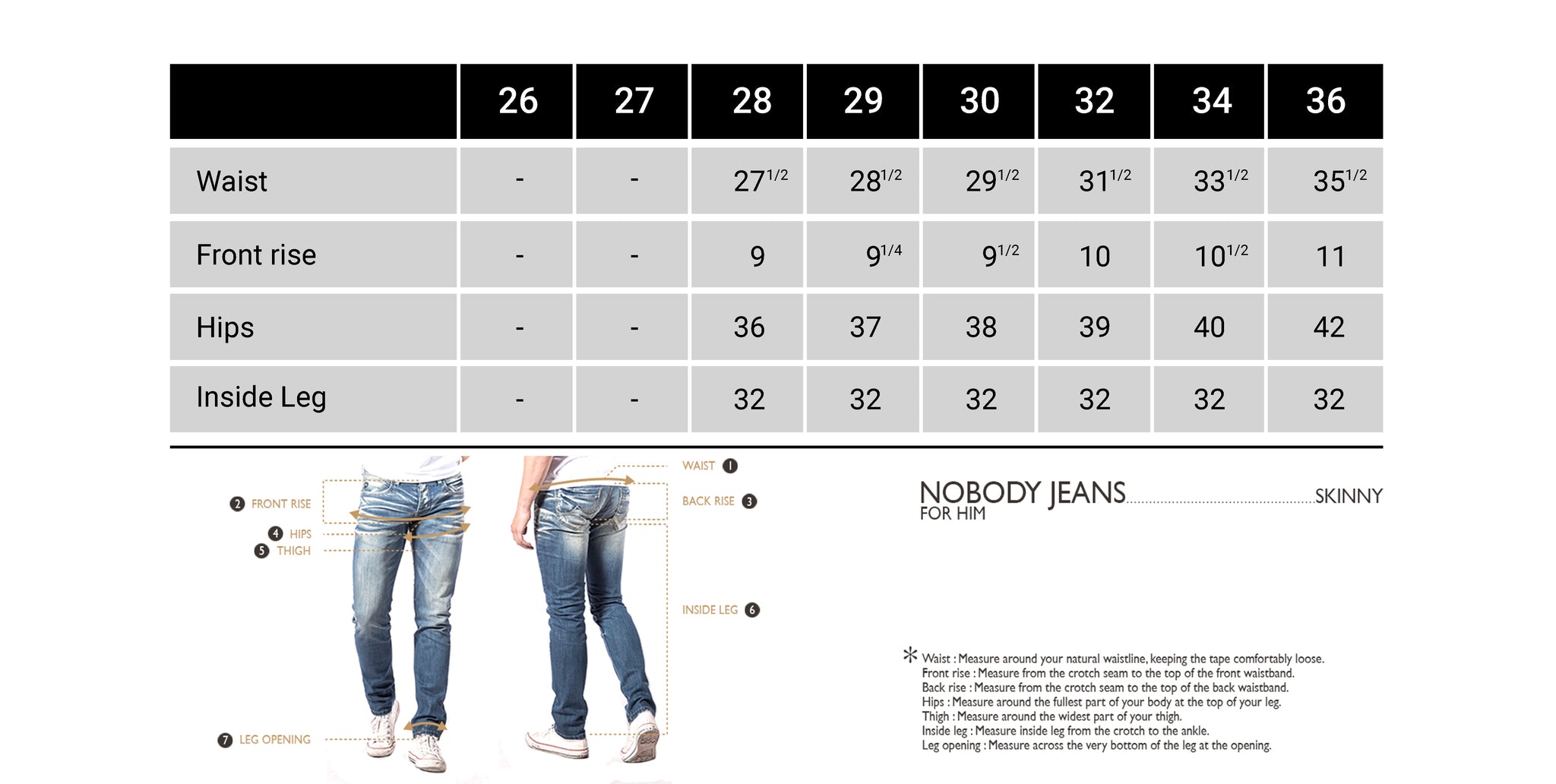
You've likely found yourself searching for a jean size chart at some point, whether it's to double-check a size before ordering online or to understand the measurements listed on a clothing tag. These charts are a handy tool, offering a quick reference for finding your perfect fit, and they can vary slightly depending on the brand and region. With a simple glance, you can navigate the world of denim sizing, ensuring you always get the right pair of jeans.
Understanding Size Charts: A Guide to Jean Sizing
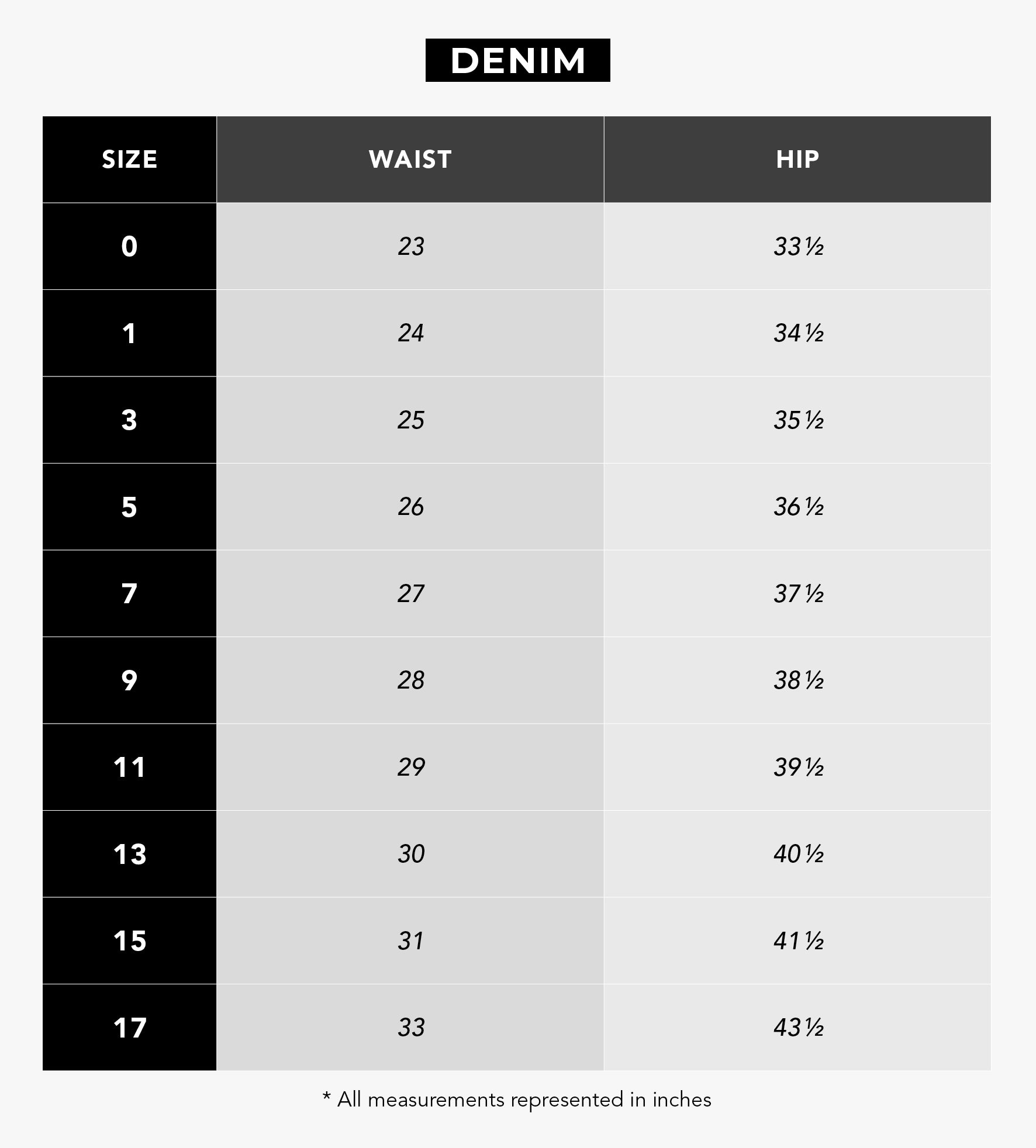
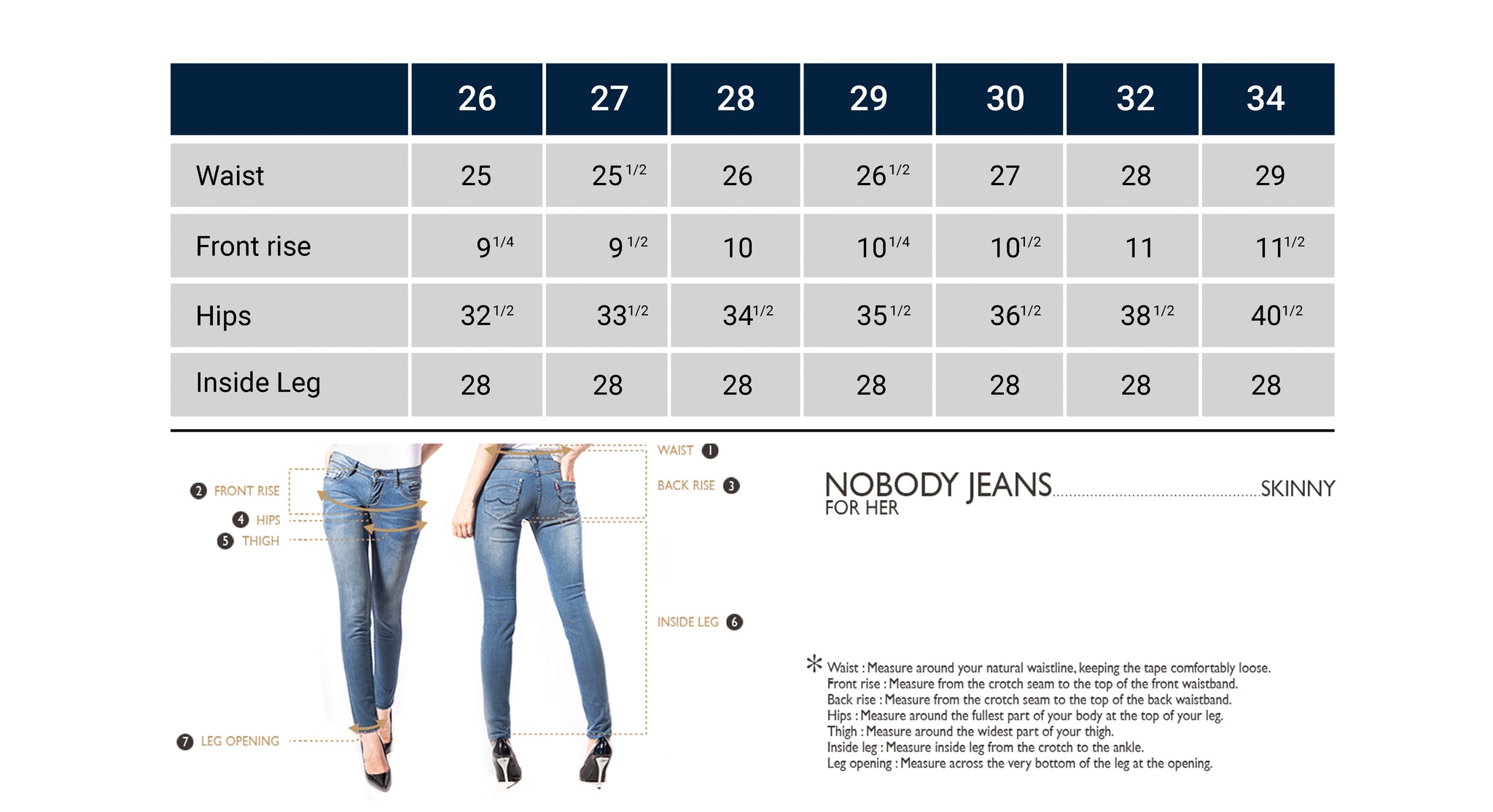
The jean size chart is a handy tool that simplifies the process of finding your perfect fit in denim. This chart provides a standardized way to determine your jean size, making it easier to shop for jeans, both in-store and online. It offers a quick reference for waist and hip measurements, ensuring you choose the right size for your body.
Comparing Standards and Formats
Jean size charts can vary depending on the region and manufacturer. The most common standards are the US and international (metric) systems, each with its own set of measurements and size labels. US sizes are often based on waist size, while international sizes may use a combination of waist and hip measurements. It's essential to know which standard a chart follows to ensure accurate sizing.
Step-by-Step Guide: Measuring for Jeans
To use a jean size chart accurately, follow these steps:
- Gather a measuring tape and stand in a comfortable position. Ensure the tape is straight and not twisted.
- Measure your waist at the narrowest point, usually just above your belly button. This is your waist size.
- Optionally, measure your hip at its widest point, typically around the hip bones. This measurement is crucial for a precise fit, especially for curvier figures.
- Refer to the jean size chart and locate your waist size. Some charts may also provide a hip size range for each waist size, ensuring a better fit.
- Choose the size that corresponds to your measurements. If your waist and hip measurements fall into different size categories, select the size that accommodates your hip measurement to ensure comfort and a flattering fit.
Avoiding Misreadings and Pitfalls
One common mistake is assuming all jean size charts are universal. Always check the standard and units used on the chart. For instance, a US size 8 may not align with an international size 8. Additionally, remember that jeans can stretch over time, so consider choosing a size that feels slightly snug initially.
Factors Affecting Accuracy
Several factors can influence the accuracy of a jean size chart. Firstly, body shape and proportions vary greatly, so a single chart may not cater to all body types. Secondly, denim fabric can stretch and shrink, especially with frequent wear and washing. To account for this, some charts provide a size range or suggest choosing a size down for a more tailored look. Lastly, manufacturing variations can lead to slight size discrepancies between brands. Always refer to the brand's size guide for specific tolerances.
Adapting the Chart for Your Needs
If you prefer a more tailored fit, consider using a pant size calculator or a detailed clothing size chart that considers multiple body measurements. These tools offer a precise fit by accounting for various body dimensions. Alternatively, for a quick and convenient option, stick to the standard jean size chart, which provides a good starting point for finding your size.
Well, there you have it! A comprehensive guide to jean sizes, covering all the bases and offering a practical solution for your sizing needs.
Remember, while this chart is a fantastic tool, it's always wise to double-check your specific requirements and context. Exact values can vary, so ensure you're using the right standards and measurements for your situation. With this guide, you're well-equipped to navigate the world of jean sizes confidently.
Consider bookmarking this page for future reference; it'll be a handy resource whenever you need to size up your denim game!