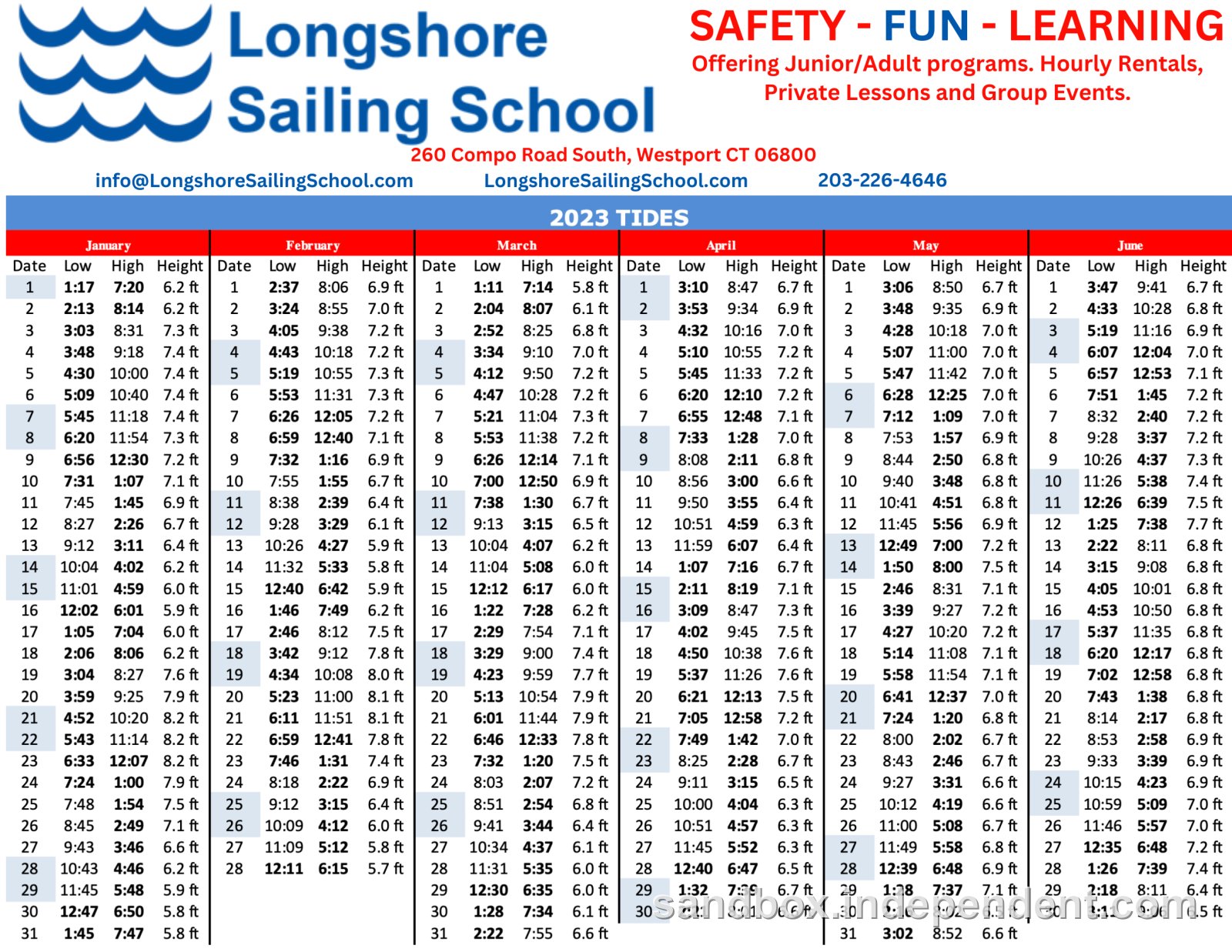


Ocmd Tide Chart Free Printable Overview
A common mistake when dealing with socket size charts is assuming they are universal. While these charts are incredibly useful, it's important to understand that they can vary depending on your location and the specific standards you're working with.
So, when you're tackling a project, whether it's a simple home repair or a more complex task, referring to the right socket size chart is key. These charts provide a quick and accurate way to identify the right tool for the job, ensuring you don't end up with a metric socket when you need an imperial one!
Understanding Socket Size Charts
Socket size charts are your practical guides to choosing the right socket for the job. They provide a clear, visual reference for different socket sizes, helping you select the correct tool for your needs.
Key Details and Units
These charts typically display socket sizes in either metric or imperial measurements, depending on the standard being used. The metric system is widely adopted internationally, while the imperial system is more common in certain regions like the United States. The chart will list socket sizes in these units, often in millimeters (mm) or inches (in).
Reading the Chart: A Step-by-Step Guide
- Identify the measurement system: Determine whether your chart uses metric or imperial measurements. This is crucial as it affects the size categories and conversions.
- Locate the size category: Look for the specific size you need. Socket size charts often list sizes in ascending or descending order, making it easy to find the right one.
- Note the dimensions: The chart will provide the inner and outer dimensions of the socket. These are critical for ensuring a proper fit with your fastener or tool.
- Consider the drive size: Socket size charts may also include information about the drive size, which is the size of the square hole in the socket that fits onto a ratchet or breaker bar. Ensure this matches your tool.
Variations and Differences
Socket size charts can vary depending on several factors:
- Measurement System: As mentioned, the metric and imperial systems have different units and size categories.
- Standard Organizations: Different organizations or regions may have their own standards and specifications, leading to variations in socket sizes.
- Manufacturer Preferences: Some manufacturers may use slightly different sizes or designs, especially for specialty sockets.
- Tool Type: Sockets designed for specific tools, like impact wrenches, may have unique dimensions.
Common Mistakes and How to Avoid Them
- Mixing Measurement Systems: Always ensure you're using the correct system (metric or imperial) to avoid mismatched sizes.
- Assuming Standard Sizes: Don't assume all sockets follow the same standard. Double-check the exact specifications, especially for specialty sockets or tools.
- Neglecting Drive Size: The drive size is crucial for a proper fit with your ratchet or bar. Always check this specification.
- Forgetting Tolerances: Sockets have tolerance ranges. Ensure your fastener falls within the socket's tolerance range for a secure fit.
Remember, while socket size charts are invaluable tools, they are just guides. Always refer to the specific tool's or manufacturer's instructions for exact specifications.
Hey there, I hope this socket size chart has been a handy reference for you! Remember, while these charts provide a solid framework, the exact details can vary slightly depending on the specific context or standard you're working with. It's always a good idea to double-check the relevant specs for your project.
Feel free to explore our other guides on similar topics. We've got a whole collection of practical resources to help you tackle various DIY and technical challenges. Happy learning and keep those tools organized!
Related: What is the Igora Color Chart?
Many people struggle with understanding the Igora color chart and often make the mistake of overlooking its simplicity. It's not as complex as it may seem! The Igora color chart is a straightforward tool designed to guide you through the world of hair coloring. This handy reference offers a clear overview of hair dye shades and their corresponding numbers, making it easy to choose and mix colors.
Understanding the Igora Color Chart
The Igora color chart is your go-to guide for achieving perfect hair color results. It's a visual reference tool that displays a range of hair dye shades, offering a clear representation of what each color looks like when applied to hair. This chart is a hair stylist's best friend, providing a quick and easy way to choose and visualize colors.
Comparing Color Options: Standard Notation and Families
The Igora color chart follows a standard color notation system, typically using a combination of numbers and letters to represent different shades. For example, a shade might be labeled as "5.1" or "7N," where the number indicates the level of lightness or darkness, and the letter represents the tone or family of the color. This system ensures consistency and makes it easier to communicate and reproduce colors accurately.
Step-by-Step: Using the Igora Color Chart
To use the Igora color chart effectively, follow these simple steps:
Identify the desired color family or tone. The chart often groups similar colors together, making it easy to browse and compare shades within a specific family.
Look for the corresponding number or code. Each shade has a unique code, which is usually a combination of numbers and letters. This code provides essential information about the color's characteristics.
Assess the level of lightness or darkness. The number in the code indicates the level of lightness, with lower numbers representing darker shades and higher numbers indicating lighter ones. This helps you choose the right shade for your desired outcome.
Consider the tone or family. The letter in the code represents the tone or family of the color, such as natural (N), ash (A), or copper (C). This helps you achieve the desired warmth or coolness in the final result.
Refer to color swatches or models. Many charts include visual swatches or models to give a more accurate representation of how the color will look on hair. This step is crucial for ensuring you choose the right shade.
Avoiding Misreadings and Pitfalls
While the Igora color chart is straightforward, there are a few potential pitfalls to avoid:
Be mindful of lighting conditions. The appearance of colors can vary under different lighting, so it's essential to view the chart under similar lighting to the final application environment.
Understand color mixing. Some shades may require mixing, and the chart might not explicitly show the mixed result. In such cases, refer to a color mixing guide for accurate color combinations.
Consider hair type and condition. The final color result can vary depending on the hair's porosity, previous color treatments, and overall condition. Always conduct a strand test to ensure the desired outcome.
Factors Affecting Accuracy
Several key factors can influence the accuracy of the Igora color chart and the final hair color result:
Hair porosity: The ability of hair to absorb and retain color can vary, affecting the intensity and longevity of the chosen shade.
Previous color treatments: If the hair has been previously colored, the existing color and its condition can impact the final result.
Developer volume: The strength of the developer used can affect the lightness or darkness of the color. Always follow the recommended developer volume for the desired shade.
Processing time: The time the color mixture is left on the hair can impact the final result. Follow the recommended processing time for accurate results.
Adapting the Chart for Specific Needs
The Igora color chart is versatile and can be adapted to suit different needs and preferences. Here are a few ways to customize its use:
Choose the right format: Igora offers various chart formats, including digital versions and physical charts. Select the format that best suits your working style and environment.
Consider personal preferences: Some stylists prefer to work with a more extensive color palette, while others may focus on specific color families. Tailor your chart selection to your preferred color range.
Stay updated: Igora regularly updates its color charts to reflect new shades and trends. Ensure you have the latest version to access the most up-to-date color options.
By understanding the Igora color chart, following a simple step-by-step process, and considering key factors, you can achieve accurate and stunning hair color results.
Hey there, hope this guide has given you a good grasp of the Igora color chart and its uses. Remember, the exact details might differ slightly depending on the source or standard you're working with, so always double-check.
If you're keen to explore more, we've got a bunch of other guides on various topics that might interest you. Just take a casual scroll through our site and see what catches your eye! It's a great way to keep learning and stay informed.
Related: How to Read the Shein Size Chart?
Many shoppers approach the Shein size chart with hesitation, assuming it's a complex puzzle to decipher. But fear not! It's a straightforward tool to ensure your Shein haul fits like a dream. This chart is your guide, offering a simple way to navigate the sizing differences that can vary across regions and brands.
Understanding the Shein Size Chart
The Shein size chart is a practical tool to help you find the perfect fit for your Shein fashion purchases. It's a simple guide that ensures you get the right size every time, making online shopping a breeze. This chart is your key to unlocking a seamless shopping experience, so let's dive in!
Key Details and Categories
The Shein size chart typically follows international size standards, with measurements in both centimeters (cm) and inches. It covers various clothing categories, including tops, bottoms, dresses, and more. You'll find columns for different body measurements, such as bust, waist, and hip sizes, along with corresponding Shein size recommendations. The chart provides a clear, easy-to-read format, ensuring you can quickly find your ideal size.
How to Read and Apply the Size Chart
Using the Shein size chart is straightforward. Here's a step-by-step guide:
Measure yourself accurately. Use a measuring tape to get precise measurements for your bust, waist, and hips. Make sure you follow the guide's instructions for proper measuring techniques.
Find your measurements on the chart. Look for the columns that correspond to your body part measurements. For instance, if you're measuring for a top, locate your bust size.
Identify the recommended size. The chart will provide a suggested Shein size based on your measurements. Cross-reference your measurements with the size guide to find the best fit.
Consider the garment's style. Some styles may have a looser or tighter fit. If you prefer a specific fit, you can adjust your size choice accordingly.
Double-check the product's size guide. Each Shein product may have a specific size guide with slight variations. Always refer to the product's size chart for the most accurate information.
Size Chart Variations and Differences
It's important to note that size charts can vary across brands and regions. Shein's size chart follows international standards, but there may be slight differences compared to other brands' charts. Additionally, factors like fabric stretch, garment design, and personal preferences can influence the fit. It's always a good idea to refer to the specific product's size guide for the most precise sizing information.
Common Mistakes and How to Avoid Them
To ensure an accurate fit, avoid these common mistakes:
Relying solely on your usual size: Every brand's size chart can vary, so always refer to the Shein size chart for the best fit.
Ignoring the product's size guide: Each product may have unique sizing details, so always check the specific size guide provided.
Measuring inaccurately: Take precise measurements to ensure an accurate size recommendation.
Not considering fabric stretch: Some fabrics have more give, so choose a size that accounts for this factor.
By following these tips and utilizing the Shein size chart effectively, you'll enjoy a seamless shopping experience and find your perfect fit every time!
Hey there, we hope you found this guide helpful and that your Shein shopping experience is a breeze! Remember, size charts are a handy tool, but they can vary slightly depending on the brand and your personal preferences. It's always a good idea to check the measurements and reviews to ensure a perfect fit.
Feel free to bookmark this page for future reference, and don't forget to explore our other practical guides to make your online shopping adventures even more enjoyable and stress-free. Happy shopping!