



Ocmd Tide Chart Letter Size Overview
Many skiers assume that a ski length chart is a one-size-fits-all guide, but it's actually a flexible tool with some room for personal preference. While these charts provide a great starting point, they're not set in stone.
So, when you see a ski length chart, don't be afraid to experiment a little. Values can vary, and it's worth considering your skill level and the type of skiing you prefer. You might find a slightly longer or shorter ski suits your style better. It's all about finding the right fit for you!
Ski Length Chart: A Quick Guide
A ski length chart is a simple tool to help you choose the right skis for your height and skill level. It's a handy reference to ensure you get the optimal ski length for your needs, whether you're a beginner or an experienced skier.
Key Details and Categories
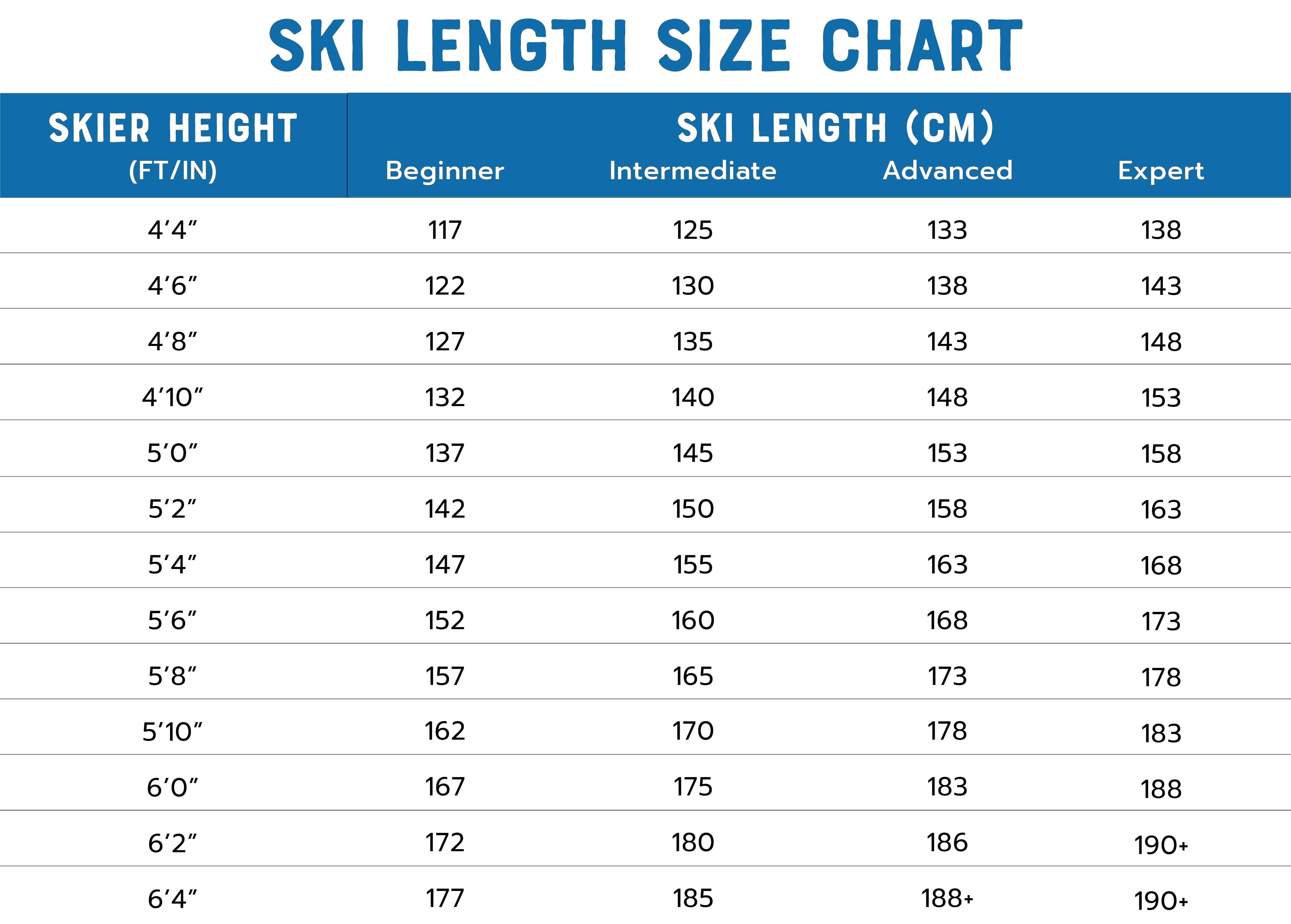
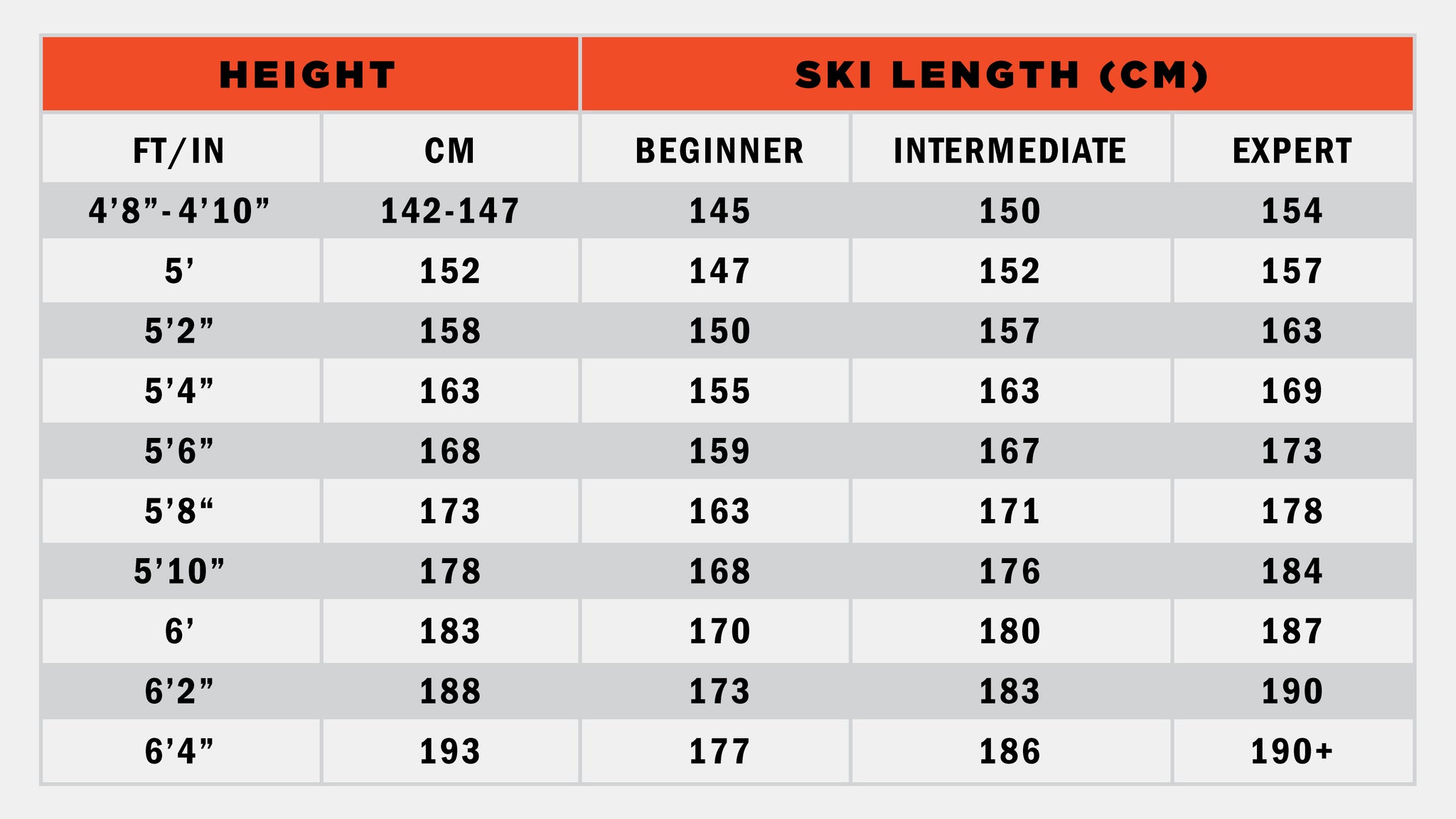
The chart typically displays a range of heights, usually in inches or centimeters, along with the corresponding recommended ski lengths. These lengths are often given in centimeters and are categorized by skill level: beginner, intermediate, and advanced. Some charts may also include additional factors like weight or specific ski types.
How to Read and Apply the Chart
Reading a ski length chart is straightforward. First, identify your height on the chart. Then, find the recommended ski length for your skill level. Here's a step-by-step guide:
- Locate your height: Look for the column or row that matches your height. If your height falls between two values, you can estimate or choose the closest length.
- Determine your skill level: Identify whether you're a beginner, intermediate, or advanced skier. Most charts will provide recommendations based on these skill levels.
- Choose your ski length: Find the intersection of your height and skill level. This will give you the recommended ski length. For example, if you're 5'8" tall and an intermediate skier, the chart might suggest a ski length of 165 cm.
Variations and Differences
It's important to note that ski length charts can vary depending on the standard used. Different regions and manufacturers may have slightly different recommendations. Additionally, some charts may offer more detailed suggestions, considering factors like weight and ski type. These variations ensure a more personalized ski length recommendation.
Common Mistakes and How to Avoid Them
One common mistake is relying solely on height without considering skill level. Remember, the chart takes both into account. Another pitfall is ignoring specific ski types. If you're using a particular type of ski, like powder skis or racing skis, ensure the chart accounts for this or seek a specialized chart.
Practical Tips for Accurate Results
To ensure you get the best fit, consider these tips:
- If you're between two sizes, err on the side of shorter skis. Longer skis can be more challenging to control, especially for beginners.
- Don't be afraid to seek advice from ski shop experts. They can provide personalized recommendations and ensure a perfect fit.
- If you're an advanced skier, you may prefer a longer ski for more speed and stability. However, ensure you have the skills to handle them.
Double-Checking and Handling Exceptions
While ski length charts are a great starting point, it's always wise to double-check with a professional. They can assess your skiing style and preferences and ensure the recommended length suits your needs. Additionally, if you have specific requirements, like adaptive skiing equipment, consult a specialist to ensure the best fit.
Well, there you have it! A ski length chart is a handy tool, but remember, it's a guide, and exact values can differ. Always consider your personal preferences and the specific conditions you'll be skiing in.
Don't forget to take a moment and ensure you've covered all your bases before hitting the slopes. And hey, if you're keen to learn more, we've got a bunch of other guides on similar topics that might interest you. Happy reading and skiing!
Related: A Quick Guide to Lyon Charter Twp: Reference Values
Frustrated by the endless scrolling and unclear charts? You're not alone. Many people seek a quick, reliable reference when dealing with Lyon Charter Twp and its various charts and diagrams. It's a common challenge, and understanding these visuals is crucial for getting things done efficiently.
Whether you're a resident of Lyon Township or just need to navigate the local government's systems, the charts and references can be a real headache. Rest assured, you're not alone in this, and there are ways to simplify the process.
Understanding Lyon Charter Twp: A Practical Guide
Lyon Charter Twp is a unique form of local government, offering a specific set of services and benefits to its residents. This guide will help you navigate the charter township's structure and operations.
Key Details and Categories
The charter township of Lyon operates under a unique legal status, providing a range of services and powers not typically found in standard townships. It's important to understand the key personnel and their roles, as well as the various departments and their functions. The township's administration is headed by a supervisor, who oversees the daily operations and acts as the chief executive. Other key personnel include the clerk, treasurer, and trustees, each with specific responsibilities.
Reading and Applying the Township Chart
The township chart is a visual representation of the Lyon Charter Twp's organizational structure. It outlines the various departments, their functions, and the reporting hierarchy. To read the chart effectively, start by identifying the supervisor at the top, who has overall authority. Below them, you'll find the clerk, treasurer, and trustees, each with their own areas of responsibility. The chart also shows the various departments and their interconnections, helping you understand the flow of information and decision-making.
Variations and Differences
While the charter township of Lyon follows a standard structure, variations can occur due to specific local needs and preferences. Different townships may have slightly different department names or functions, depending on the community's requirements. Additionally, the size and population of a township can influence its organizational structure. Larger townships may have more specialized departments, while smaller ones might combine certain functions. It's important to be aware of these variations when comparing different townships.
Common Mistakes and How to Avoid Them
One common mistake is assuming that all townships operate identically. While there are standard practices, each township has its own unique characteristics. Another pitfall is overlooking the specific roles and responsibilities of key personnel. It's crucial to understand who does what within the township administration to ensure effective engagement and communication. Finally, failing to consider the township's unique services and benefits can lead to missed opportunities for residents.
Practical Tips for Accurate Understanding
When navigating Lyon Charter Twp, take the time to familiarize yourself with the township's website and official documents. These resources provide valuable insights into the township's structure, services, and contact information. Attend township meetings or events to gain a deeper understanding of local issues and engage with community leaders. Building relationships with township staff and officials can also provide valuable insights and assistance.
Double-Checking and Handling Exceptions
While the township chart provides a useful overview, it's important to double-check specific details and exceptions. Certain services or functions may vary depending on the township's unique circumstances. For example, the availability of certain recreational facilities or specialized programs might differ. It's always a good idea to confirm these details with the relevant department or township office to ensure accurate information.
Hey there, we hope this guide has given you a clear understanding of Lyon Charter Twp and its practical applications. Remember, while we've covered the basics, exact details can vary, so always refer to the most relevant and up-to-date sources for your specific needs.
Feel free to explore our other guides; we've got a whole range of topics to help you navigate various concepts and standards. Happy learning, and stay curious!
Related: Unravel the Tog Rating Chart: A Simple Guide
A common misconception about tog rating charts is that they are complex and confusing, but in reality, they are a simple and effective tool for understanding fabric and bedding warmth. This chart, often presented as a visual guide, provides a clear indication of thermal resistance, making it an accessible reference for anyone seeking insulation performance information.
While the exact values and formats may vary depending on standards and regions, the tog rating chart remains a reliable indicator, offering a quick and easy way to compare and choose the right warmth level for your needs. Whether you're looking at bedding or fabric weight, this chart simplifies the process, ensuring an accurate and informed decision.
Understanding the Tog Rating Chart
The tog rating chart is a valuable tool for anyone seeking to understand the warmth and insulation provided by different fabrics and materials. This chart offers a standardized way to measure and compare the thermal resistance of various items, from bedding to clothing. By using the tog scale, you can make informed decisions about the warmth and comfort you need for different seasons and activities.
Comparing Tog Ratings: Standards and Categories
Tog ratings typically range from 1 togo to 15 togs, with each number representing a specific level of warmth. Lower tog values indicate lighter, cooler fabrics, while higher togs signify greater insulation and warmth. The chart often includes categories such as 'Summer', 'Autumn/Spring', and 'Winter', making it easy to choose the right level of warmth for the season. It's important to note that tog ratings can vary slightly depending on the standard used; common standards include the international metric system and specific regional guidelines.
Step-by-Step Guide: Reading the Tog Rating Chart
To read and utilize the tog rating chart effectively, follow these steps:
- Identify the item you want to assess, whether it's a duvet, blanket, or garment.
- Locate the tog rating on the label or packaging. If it's not provided, you may need to contact the manufacturer for this information.
- Refer to the chart and find the corresponding tog value.
- Match the tog value with the appropriate season or activity category. For instance, a tog rating of 4 is suitable for summer, while a rating of 10 is ideal for autumn or spring.
- Consider personal preferences and the specific climate you'll be using the item in. If you tend to feel cold easily, you might opt for a slightly higher tog rating.
Avoiding Misinterpretations: Common Pitfalls
One common mistake is assuming that a higher tog rating always indicates better quality. While a higher tog generally means more warmth, it doesn't necessarily reflect the overall quality or durability of the item. Additionally, some materials, like down, can provide excellent warmth with lower tog ratings due to their natural insulating properties. Always consider the material and construction alongside the tog rating.
Factors Affecting Accuracy: Key Considerations
- Fabric Type: Natural fibers like cotton and wool have different insulating properties compared to synthetic materials.
- Thickness: The physical thickness of the fabric or filling can impact warmth, even if the tog rating is the same.
- Climate: Regional climates and personal preferences can influence the ideal tog rating for a specific item.
- Activity: The level of physical activity and the resulting body heat generation can affect the required tog rating.
Adapting the Tog Rating Chart for Your Needs
While the tog rating chart provides a standardized guide, it's flexible enough to accommodate specific needs. If you require a more precise measurement, you can convert tog ratings to clo values, which are used in the clothing industry. This conversion allows for a more detailed analysis of insulation performance. Additionally, some charts offer sub-categories or variations to account for different fabric types or intended uses, ensuring you find the right fit for your requirements.
Well, there you have it! A comprehensive guide to TOG ratings, covering all the bases. I hope this has been a useful reference for you and has clarified any uncertainties.
Remember, while this guide offers a solid framework, every situation is unique. Double-check your specific needs and ensure you're applying the right TOG rating for your project. Exact values may vary, so always refer back to this chart as a reliable starting point.
Feel free to bookmark this page for future reference. It's always good to have a quick, handy reminder for those moments when you need a refresh on TOG ratings. Happy rating!