

Oir Present Tense Overview
An R22 pressure chart is a handy tool for anyone working with refrigeration or air conditioning systems. It's a simple yet powerful reference guide, offering a visual representation of the relationship between pressure and temperature for R22 refrigerant. This guide will cover the basics of reading and interpreting these charts, ensuring you can quickly find the information you need and apply it accurately. With R22 being a commonly used refrigerant, understanding its pressure-temperature relationship is essential for efficient system operation and maintenance.
A Quick Overview
The r22 pressure chart is a valuable tool for anyone working with or interested in understanding the behavior of R22 refrigerant, a common substance used in air conditioning and refrigeration systems. This chart visually represents the relationship between pressure and temperature, providing a quick reference for various scenarios.
Comparing Chart Types and Standards
There are different formats of the r22 pressure-temperature chart, including the pressure-enthalpy chart and the pressure-volume chart. While they all convey similar information, the choice depends on the specific application and the data you need to analyze. For instance, the pressure-enthalpy chart is useful for understanding the energy content of the refrigerant, while the pressure-volume chart is more suited for analyzing flow rates and system efficiency. It's essential to use the right chart for your needs to ensure accurate readings and interpretations.
Step-by-Step Guide to Reading the Chart
- Identify the Type: First, determine which type of chart you're dealing with. The r22 pressure-temperature relationship can be presented in various ways, so knowing the specific chart type is crucial.
- Understand the Axes: The chart's x-axis typically represents pressure, while the y-axis shows temperature. Ensure you're familiar with the units used, which can vary depending on the standard and region.
- Locate Your Data: Find the point on the chart that corresponds to your system's pressure and temperature. This will give you an idea of the refrigerant's state and behavior.
- Interpret the Results: The chart will help you understand if the refrigerant is in a saturated or superheated state, which is vital for system efficiency and performance.
- Consider Variations: Remember that the chart provides a general guide. Real-world conditions might differ due to factors like system design, load, and environmental conditions.
Common Misreadings and Pitfalls
- R22 pressure chart readings can be misleading if you don't account for system-specific factors. Always consider the unique characteristics of your setup.
- The chart assumes ideal conditions, so actual results might vary. Stay vigilant for any anomalies or unexpected behavior.
- While the chart provides a great visual aid, it's just one tool in your toolkit. Always cross-reference with other data and consider expert advice for complex scenarios.
- Keep in mind that charts can vary slightly between manufacturers and standards. Always refer to the specific chart relevant to your system and region.
Key factors to consider:
- System design and load
- Environmental conditions (e.g., humidity, temperature)
- Potential leaks or blockages
- Age and maintenance of the system
Remember, accurate interpretation of the r22 pressure chart is essential for efficient system operation and maintenance. Stay informed, and don't hesitate to seek professional guidance when needed.
Well, there you have it! A handy guide to the R22 pressure chart, covering all the basics and more. Remember, while the core principles remain the same, the exact details might differ slightly based on your specific situation or the standards you're working with.
Feel free to explore our other guides; we've got plenty of practical resources to help you navigate various topics with ease. Happy learning, and keep those charts handy!
Related: How do I choose the right ski size?
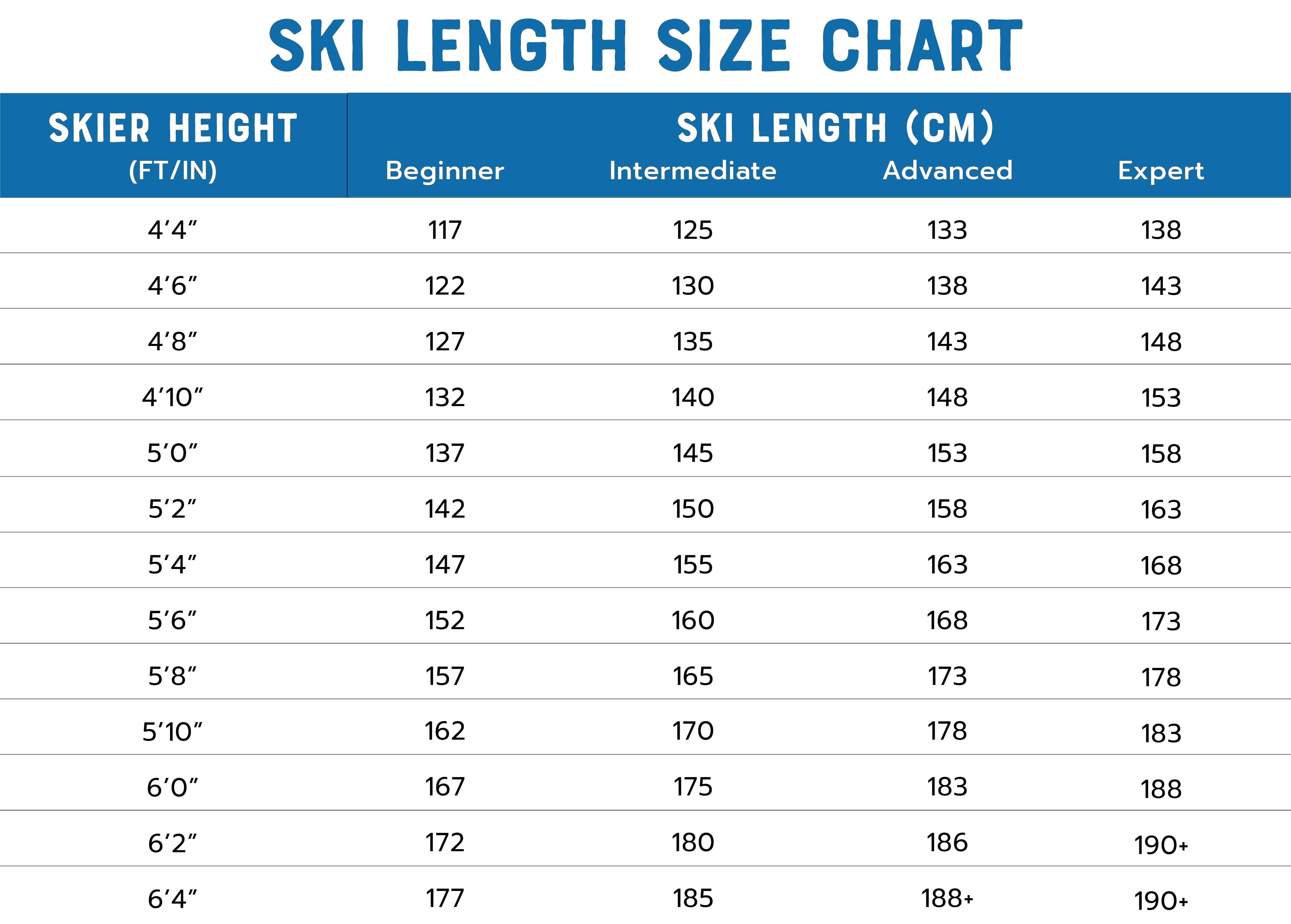
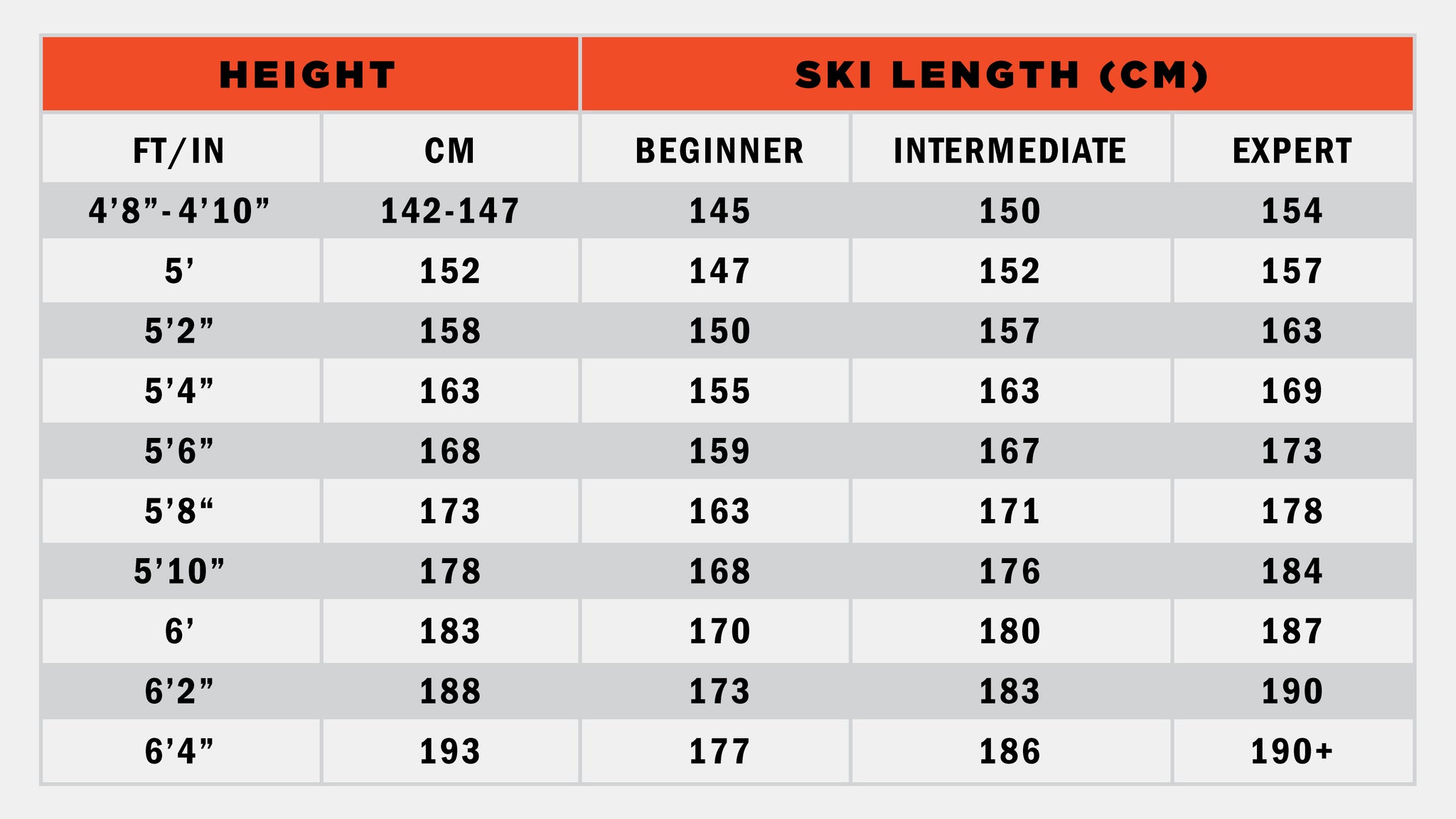
Many skiers, especially beginners, often assume that ski size is a one-size-fits-all affair, but that's not the case! A ski size chart is your go-to tool for finding the perfect ski length for your needs. It's a simple yet effective reference, offering a clear guide to help you choose the right skis.
While it may seem straightforward, there are a few variables to consider. These charts can vary slightly depending on factors like your skill level and the type of skiing you enjoy. So, it's a good idea to explore the different charts and guides available to ensure you get the most accurate recommendation.
Ski Size Chart: Your Practical Guide
A ski size chart is a handy tool that simplifies the process of choosing the right ski length for your needs. It's a reference guide that considers your height, weight, and skill level to recommend an appropriate ski size. Using a ski size chart is an easy way to ensure you get skis that are comfortable and suitable for your abilities.
Key Details: Understanding the Basics
The chart typically provides recommendations for ski lengths based on your height and weight. It may also consider your skiing experience, with different categories for beginners, intermediates, and advanced skiers. The units used are usually in centimeters (cm) for ski length and metric measurements for height and weight. It's important to note that these charts are general guides and may vary slightly depending on the specific ski brand or model you're interested in.
Reading the Chart: A Step-by-Step Guide
- Start by finding your height on the chart. This is usually the primary factor considered.
- Look for the recommended ski length range corresponding to your height. This range often has a minimum and maximum length, giving you some flexibility.
- Consider your weight and skill level. The chart might have different recommendations for lighter or heavier individuals, and separate guidance for beginners versus more experienced skiers.
- Choose a ski length within the recommended range that aligns with your preferences and the type of skiing you enjoy. If you're a beginner, you might opt for the shorter end of the range for better control. Advanced skiers might lean towards the longer end for more speed and stability.
Variations and Differences: Why They Matter
Ski size charts can vary slightly between different brands and models. This is because skis are designed with specific purposes in mind, such as racing, freestyle, or all-mountain skiing. These variations ensure that the ski's performance matches your intended use. Additionally, some charts might offer more detailed recommendations based on your skiing style or the terrain you typically ski on. It's always a good idea to check the manufacturer's specific guidelines for their ski size recommendations.
Common Mistakes and How to Avoid Them
One of the most common mistakes is relying solely on your height to determine ski length. While height is a key factor, it's not the only one. Your weight and skill level also play a role. Another pitfall is ignoring the recommended ranges and opting for skis that are too long or too short. This can affect your control and overall skiing experience. Always aim for a ski length within the recommended range for your height, weight, and skill level.
Practical Tips for Accurate Results
If you're still unsure about which ski length to choose, consider renting a few different sizes to try them out on the slopes. This hands-on approach can help you understand how different lengths feel and perform. Additionally, consulting with a ski shop expert can provide valuable insights tailored to your needs. They can guide you through the process and offer recommendations based on your preferences and skiing goals.
Double-Checking and Handling Exceptions
While ski size charts are a great starting point, it's important to remember that they are general guidelines. If you have specific requirements or preferences, it's always a good idea to double-check with the manufacturer's specifications or consult an expert. For instance, if you have a unique body type or ski in a very specialized discipline, you might need to adjust the recommended ski length accordingly. Always ensure you're comfortable with your ski choice and that it aligns with your skiing aspirations.
Well, that's all for now on this ski size chart guide. We've covered a lot of ground, and I hope it's given you a clear idea of how to approach this topic. Remember, it's always a good idea to check the specific requirements and standards for your ski gear, as exact values can vary.
Don't forget to double-check the fine print and ensure you're getting the right size for your needs. With that in mind, feel free to explore our other guides and resources. We've got plenty of practical tips and tricks to share, so keep learning and stay tuned!
Related: How to Read a Chest Size Chart?
You're probably here because you need a quick answer, and who can blame you? A chest size chart is a handy tool, offering a simple visual guide to understanding bra sizes and fit. It's a reference that can save you time and ensure you get the right size, every time. These charts can vary slightly, but they're an essential guide for anyone wanting an accurate bra size and a comfortable fit.
Understanding the Chest Size Chart
The chest size chart is a handy tool to help you find the right fit for clothing and accessories, especially when shopping online. It provides a reference for measuring and understanding your chest size, ensuring you make informed choices. This chart is particularly useful for women's sizing, including bra size charts, but it can also guide men's clothing choices.
Comparing Measurement Standards
Measurement standards can vary depending on the region and manufacturer. For example, the US and international (metric) systems have different size categories and ranges. The chest size chart typically includes both systems, making it versatile. It's essential to check which standard is being used to ensure accuracy.
Measuring Accurately: A Step-by-Step Guide
- Prepare a flexible measuring tape. Ensure it's not too tight or loose.
- Stand in a relaxed position, with your arms slightly away from your sides.
- Measure the fullest part of your chest, usually across the nipple line.
- Wrap the tape around your body, ensuring it's level and parallel to the floor.
- Take the measurement in inches or centimeters, depending on the standard.
- Refer to the chest size chart to find your size. It will provide a range of measurements and corresponding sizes.
- If you fall between sizes, consider the fabric's stretch and your personal preference for a snug or loose fit.
Common Mistakes and How to Avoid Them
One common mistake is measuring too tightly or too loosely. This can lead to an inaccurate reading and an ill-fitting garment. Always ensure the tape is snug but not constricting. Another pitfall is assuming all brands use the same sizing. Different manufacturers may have slight variations, so it's best to refer to their specific size charts. Additionally, some charts may not cover all body types, so be mindful of any special considerations you may have.
Factors Affecting Accuracy and Real-World Use
Several factors can influence the accuracy of your chest size measurement. These include your posture during measurement, the type of clothing you're wearing, and any recent weight changes. It's essential to stand upright and maintain a consistent posture. The fabric of your clothing can also affect the measurement, so consider measuring over a thin, form-fitting garment. If you've recently gained or lost weight, your chest size may have changed, so it's beneficial to remeasure periodically.
So, now you're equipped with a handy chest size chart and the knowledge to use it effectively. Remember, these charts provide a great starting point, but it's always wise to consider your unique needs and measurements.
Don't forget to check out our other guides for more practical tips and insights. We've got a range of topics to explore, so feel free to browse and discover something new!