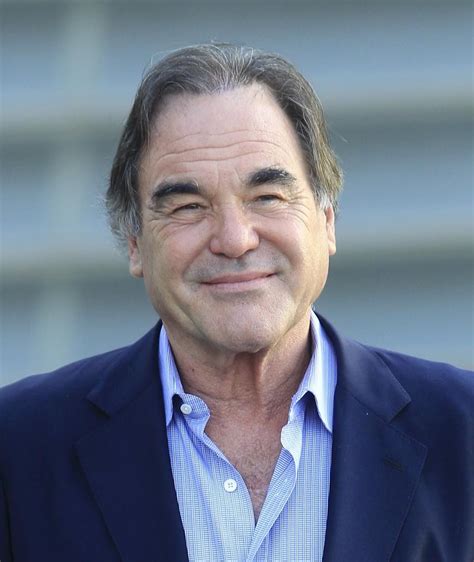
The cinematic landscape has been indelibly marked by the provocative and unapologetic works of Oliver Stone, a director known for his fearless approach to storytelling and his unwavering commitment to shedding light on the darkest corners of human history and politics. With a career spanning decades, Stone has consistently pushed the boundaries of what is acceptable in mainstream cinema, often challenging his audiences with complex, thought-provoking narratives that eschew simplicity for a more nuanced exploration of the human condition.
One of the hallmarks of Stone’s filmmaking style is his ability to balance technical craftsmanship with a deep-seated passion for the subject matter he tackles. This is evident in films like “Platoon” (1986), where the visceral, immersive depiction of the Vietnam War draws the viewer into the heart of the conflict, forcing them to confront the brutal realities of war. Stone’s personal experiences as a soldier in Vietnam undoubtedly informed this film, lending an air of authenticity to the narrative that is both haunting and powerful.
In contrast, “Wall Street” (1987) showcases Stone’s capacity to critique the excesses of capitalism through the character of Gordon Gekko, played by Michael Douglas. This film stands as a seminal exploration of the greed and materialism that defined the 1980s, with Stone using the storyline as a vehicle to comment on the societal values of the time. The film’s central theme of the corrupting influence of power continues to resonate today, serving as a stark reminder of the enduring relevance of Stone’s work.
Stone’s willingness to confront controversial subjects head-on is perhaps best exemplified by “JFK” (1991), a film that delves into the conspiracy surrounding the assassination of President John F. Kennedy. Here, Stone employs a fractured, impressionistic narrative style, mirroring the confusion and uncertainty that have come to define the public’s understanding of this pivotal event in American history. By presenting a multitude of perspectives and theories, Stone encourages his audience to question the official narrative, fostering a critical engagement with the material that is both intellectually stimulating and deeply unsettling.
Another notable aspect of Stone’s oeuvre is his ability to craft compelling, complex characters that embody the contradictions and paradoxes of human nature. In “Nixon” (1995), Stone offers a fascinating portrayal of the former President, humanizing a figure often reduced to caricature. Through Anthony Hopkins’s nuanced performance, Stone reveals the intricacies of Nixon’s psyche, laying bare the vulnerabilities and insecurities that underpinned his public persona. This approach not only enriches our understanding of Nixon as an individual but also serves as a powerful reminder of the fallibility of those in power.
The thematic concerns that permeate Stone’s films—issues of power, betrayal, and the search for truth—are also evident in “Alexander” (2004), a historical epic that explores the life and conquests of Alexander the Great. Although the film received mixed reviews upon its release, it demonstrates Stone’s ambition and his willingness to tackle sprawling, complex subjects. The movie’s exploration of Alexander’s psychological landscape, particularly his relationships with his mother and his lover Hephaestion, adds a layer of depth to the traditional historical narrative, underscoring the personal costs of Alexander’s unyielding pursuit of empire.
In “ Snowden” (2016), Stone once again turns his attention to contemporary issues, this time focusing on the real-life story of Edward Snowden, the whistleblower who exposed the extent of the NSA’s surveillance programs. The film is notable for its thoughtful pacing and its commitment to accurately depicting the events leading up to Snowden’s decision to reveal the truth. By framing Snowden’s actions within the context of his personal journey, Stone invites the viewer to consider the moral implications of government overreach and the importance of individual privacy in the digital age.
Throughout his career, Oliver Stone has been recognized with numerous awards and nominations for his contributions to cinema. His impact on the medium extends beyond his own films, influencing a generation of directors who have followed in his footsteps. Stone’s legacy is a testament to the power of film to challenge societal norms, to provoke thought, and to inspire change.
In reflecting on the body of work that defines Oliver Stone’s career, it becomes clear that his films are not merely entertainment but acts of political and social commentary. They challenge, provoke, and sometimes disturb, but ultimately, they contribute to a broader conversation about the world we live in and the values we uphold. As such, Stone’s films will continue to resonate with audiences, serving as a catalyst for discussion and a reminder of the enduring importance of critical thought and ethical engagement in our shared human experience.
What is the recurring theme in Oliver Stone’s films?
+The recurring themes in Oliver Stone’s films often revolve around issues of power, betrayal, the search for truth, and the critique of societal values, particularly in the context of American history and politics.
How does Oliver Stone’s personal experience influence his filmmaking?
+Oliver Stone’s personal experiences, such as his time as a soldier in Vietnam, significantly influence his filmmaking, lending authenticity and depth to his narratives. His films often reflect his passions and concerns, making them more than just stories but also personal statements.
What is distinctive about Oliver Stone’s filmmaking style?
+Oliver Stone’s filmmaking style is distinctive for its technical craftsmanship, passionate engagement with the subject matter, and a willingness to challenge conventional narratives and societal norms. He often employs innovative storytelling techniques and encourages critical engagement from his audience.
How has Oliver Stone’s work influenced other filmmakers?
+Oliver Stone’s work has had a profound influence on many filmmakers, inspiring them with his fearless approach to storytelling, his commitment to exploring complex themes, and his technical innovations. His influence can be seen in a wide range of films that challenge societal norms and promote critical thinking.
What legacy does Oliver Stone leave in the world of cinema?
+Oliver Stone’s legacy in the world of cinema is that of a provocative and visionary filmmaker who has consistently pushed the boundaries of what film can achieve. His body of work serves as a testament to the power of cinema to challenge, to provoke thought, and to inspire change, leaving behind a significant impact on both the film industry and societal discourse.