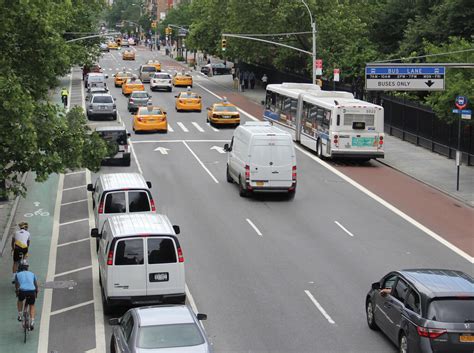
In the heart of urban planning, a concept that has garnered significant attention and debate is the implementation of one-way streets. These are roads that are designated to carry traffic in only one direction, often as a measure to reduce congestion, improve safety, and enhance the overall flow of vehicle movement within a city or town. The idea of directing traffic in a singular direction on specific streets might seem straightforward, but it encompasses a complex interplay of urban design, traffic management, and community considerations.
Historical Context
The concept of one-way streets is not new and has been around for decades. Historically, the first one-way street was introduced in London in 1617, on a street called “Aldgate,” to alleviate congestion. However, it wasn’t until the early 20th century that one-way systems began to be implemented more broadly, particularly in the United States, as a response to the rapid increase in automobile traffic. The rationale behind these early one-way systems was primarily to increase the capacity of existing street networks and reduce traffic congestion by allowing more vehicles to move through intersections without the conflicts that arise from two-way traffic flows.
Benefits of One-Way Streets
Proponents of one-way streets argue that they offer several benefits. Firstly, they can significantly reduce congestion by increasing the speed at which traffic can move through an area. By eliminating the need for vehicles to yield to oncoming traffic or wait for gaps to turn, one-way streets can facilitate smoother traffic flow. Secondly, one-way streets are often considered safer because they reduce the number of potential conflict points at intersections, such as head-on collisions or turning accidents. Additionally, one-way streets can make pedestrian and cyclist navigation safer by reducing the complexity of traffic interactions.
Furthermore, one-way streets can also play a crucial role in urban redevelopment and design. By funneling traffic into specific routes, cities can create more pedestrian-friendly zones, promote public transportation, and enhance the aesthetic appeal of certain areas by reducing traffic volume and allowing for more green spaces or pedestrianized areas.
Challenges and Criticisms
Despite these benefits, one-way streets are not without their challenges and criticisms. One of the primary concerns is that they can confuse visitors or new residents who are not familiar with the local traffic patterns. This confusion can lead to increased stress for drivers and potentially more accidents as individuals navigate unfamiliar one-way systems. Moreover, over-reliance on one-way streets can lead to increased travel distances for some trips, as drivers may need to take circuitous routes to reach their destinations, potentially offsetting some of the congestion reductions achieved in other areas.
Additionally, the implementation of one-way streets can have significant impacts on local businesses. While reduced traffic and increased pedestrian safety can be beneficial for some businesses by creating a more welcoming environment, diverting traffic away from certain areas can negatively affect others by reducing visibility and accessibility.
Urban Planning Considerations
When considering the implementation of one-way streets, urban planners must weigh these factors against the specific needs and characteristics of the area in question. This involves careful analysis of traffic patterns, accident data, and community feedback, as well as consideration of the broader urban design goals, such as promoting sustainability, enhancing public spaces, and ensuring equitable access to amenities and services.
Technological advancements, such as smart traffic management systems and real-time traffic monitoring, can also play a crucial role in optimizing the performance of one-way street networks. By providing real-time data on traffic conditions, these systems can help mitigate some of the drawbacks of one-way streets, such as diverted traffic, by dynamically adjusting traffic signal timings and providing drivers with optimal route recommendations.
Future Directions
As cities continue to grow and evolve, the role of one-way streets in urban planning will likely undergo further transformation. With increasing emphasis on sustainability, reducing carbon emissions, and promoting alternative modes of transportation, the design and management of one-way streets will need to adapt. This might involve integrating one-way streets into broader strategies for reducing private vehicle use, such as congestion pricing, expanding public transportation networks, and creating more extensive cycling and pedestrian infrastructure.
In conclusion, one-way streets represent a complex yet valuable tool in the urban planner’s arsenal, offering potential solutions to issues of congestion, safety, and urban livability. However, their implementation requires careful consideration of a wide range of factors, from traffic flow and safety to community impact and urban design. As our understanding of urban dynamics and transportation needs continues to evolve, so too will the role and design of one-way streets in the modern city.
What are the primary benefits of implementing one-way streets in urban areas?
+The primary benefits include reduced congestion, improved safety by minimizing conflict points at intersections, and the potential to create more pedestrian-friendly zones by reducing traffic volume in certain areas.
How do one-way streets impact local businesses and community members?
+The impact can vary significantly. While some businesses may benefit from reduced traffic and increased pedestrian safety, others may experience decreased visibility and accessibility, potentially leading to negative economic impacts. Community members may also face increased travel distances for some trips, though this can be mitigated with well-planned urban design.
What role can technology play in optimizing one-way street networks?
+Technology, such as smart traffic management systems and real-time traffic monitoring, can significantly enhance the performance of one-way streets. These systems can provide real-time data to mitigate drawbacks like diverted traffic, dynamically adjust traffic signal timings, and offer drivers optimal route recommendations, thereby improving the efficiency and safety of one-way street networks.