






Origami Bird Nyt Overview
House addition contractors can be a real lifesaver when you need some extra space in your home. Whether you're looking to expand your family or just need a dedicated home office, these pros can help make it happen. But before you dive in, it's good to know what you're getting into and how to find the right people for the job.
What Do House Addition Contractors Do?
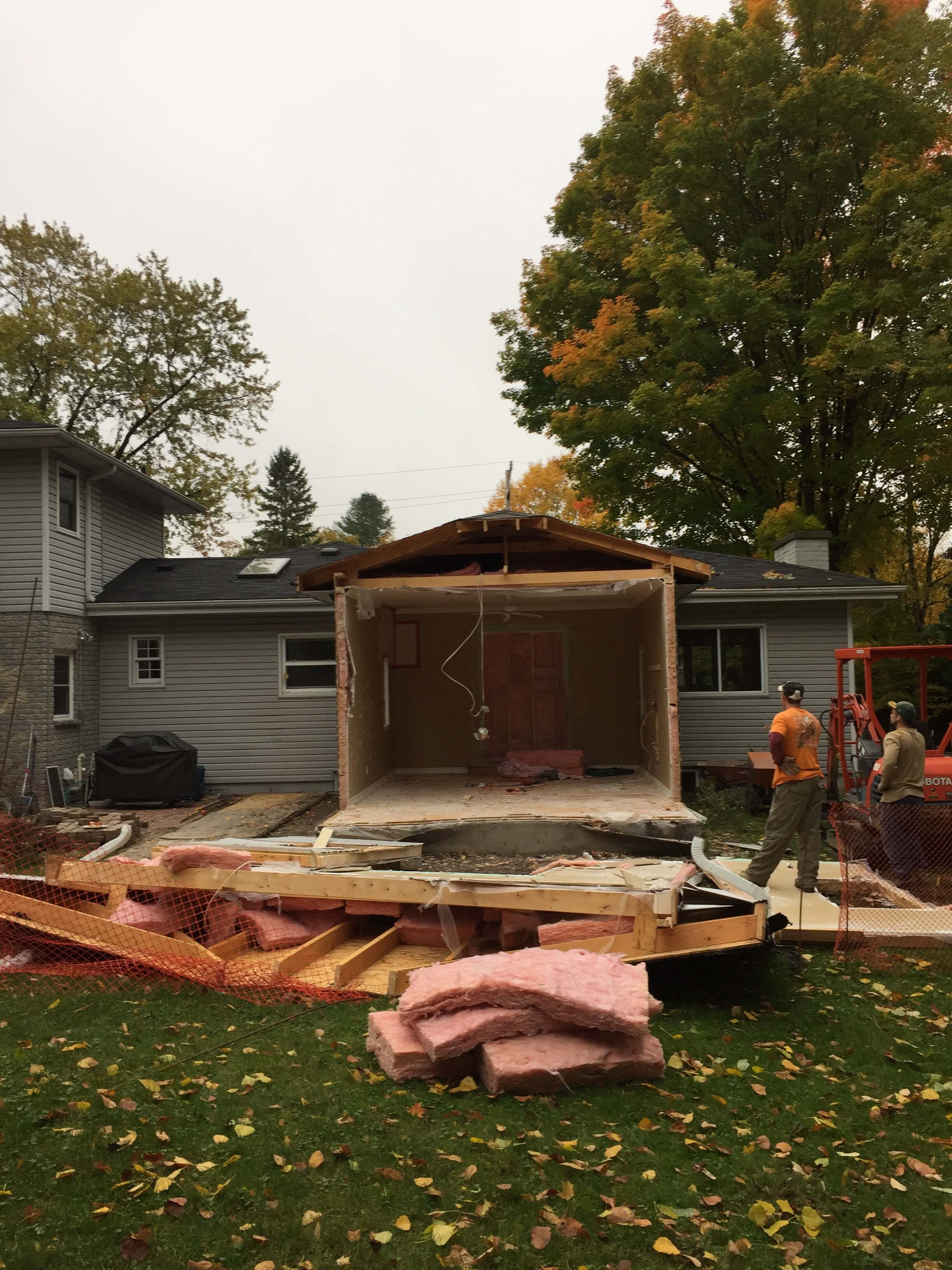
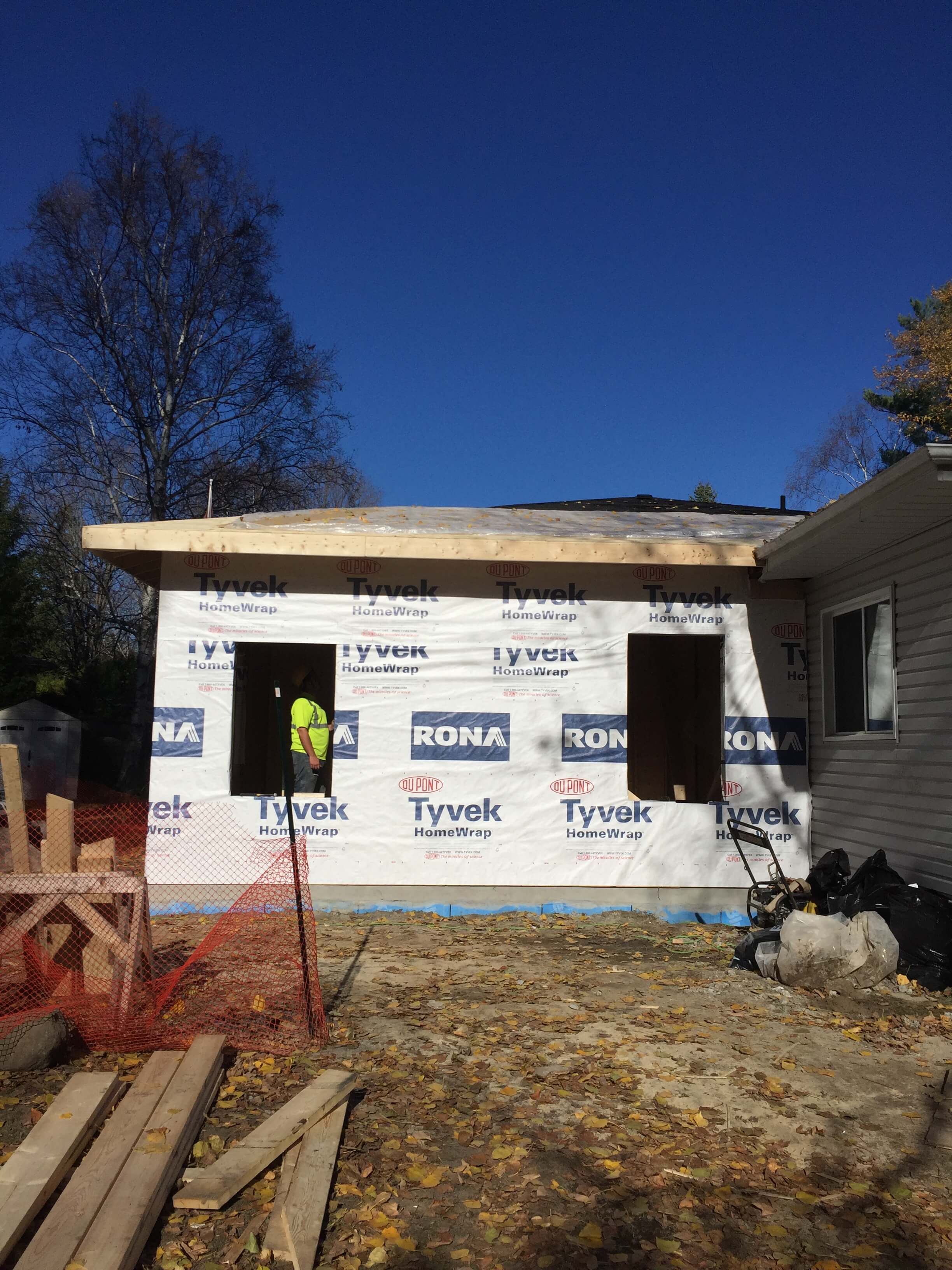
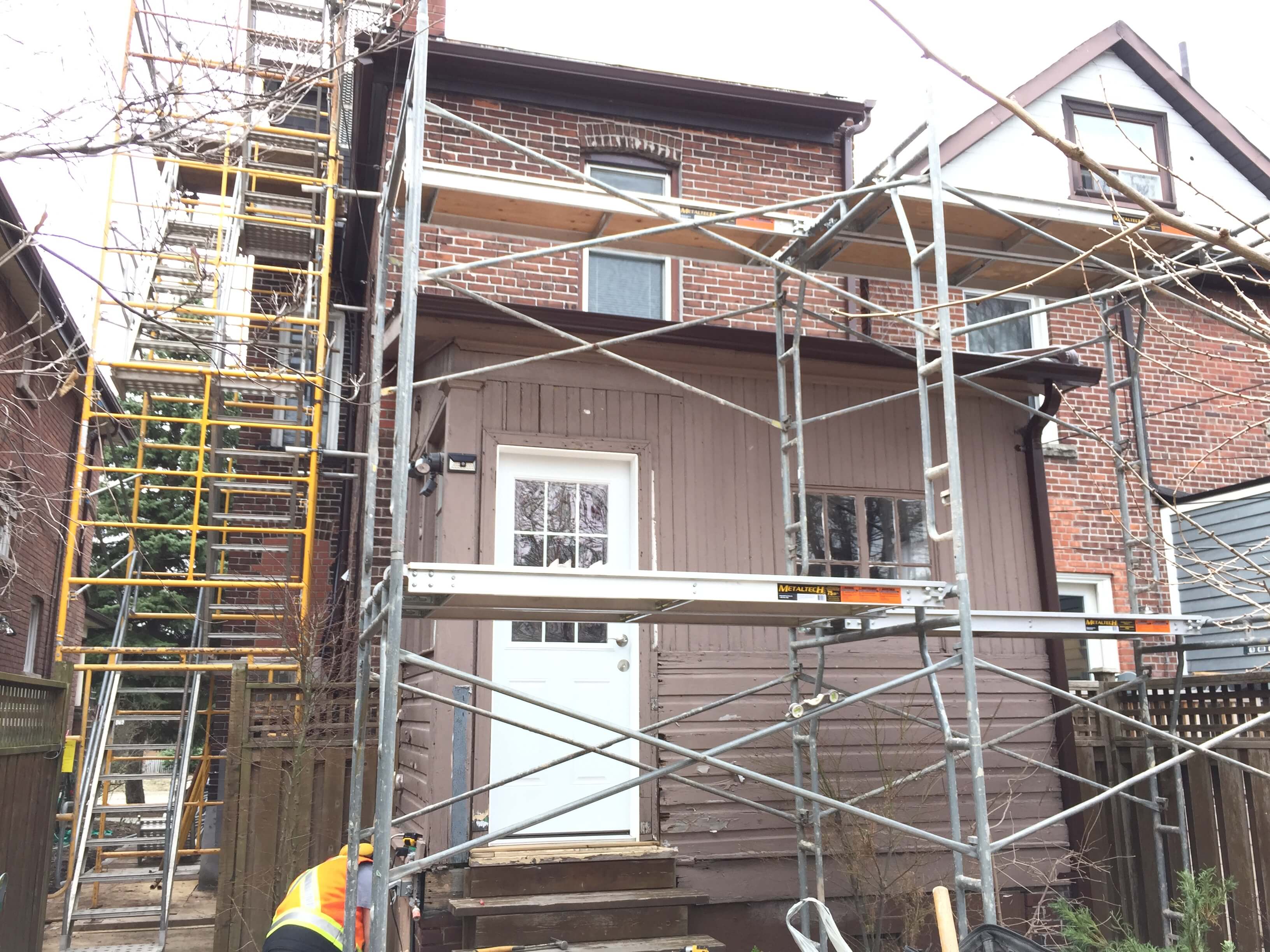
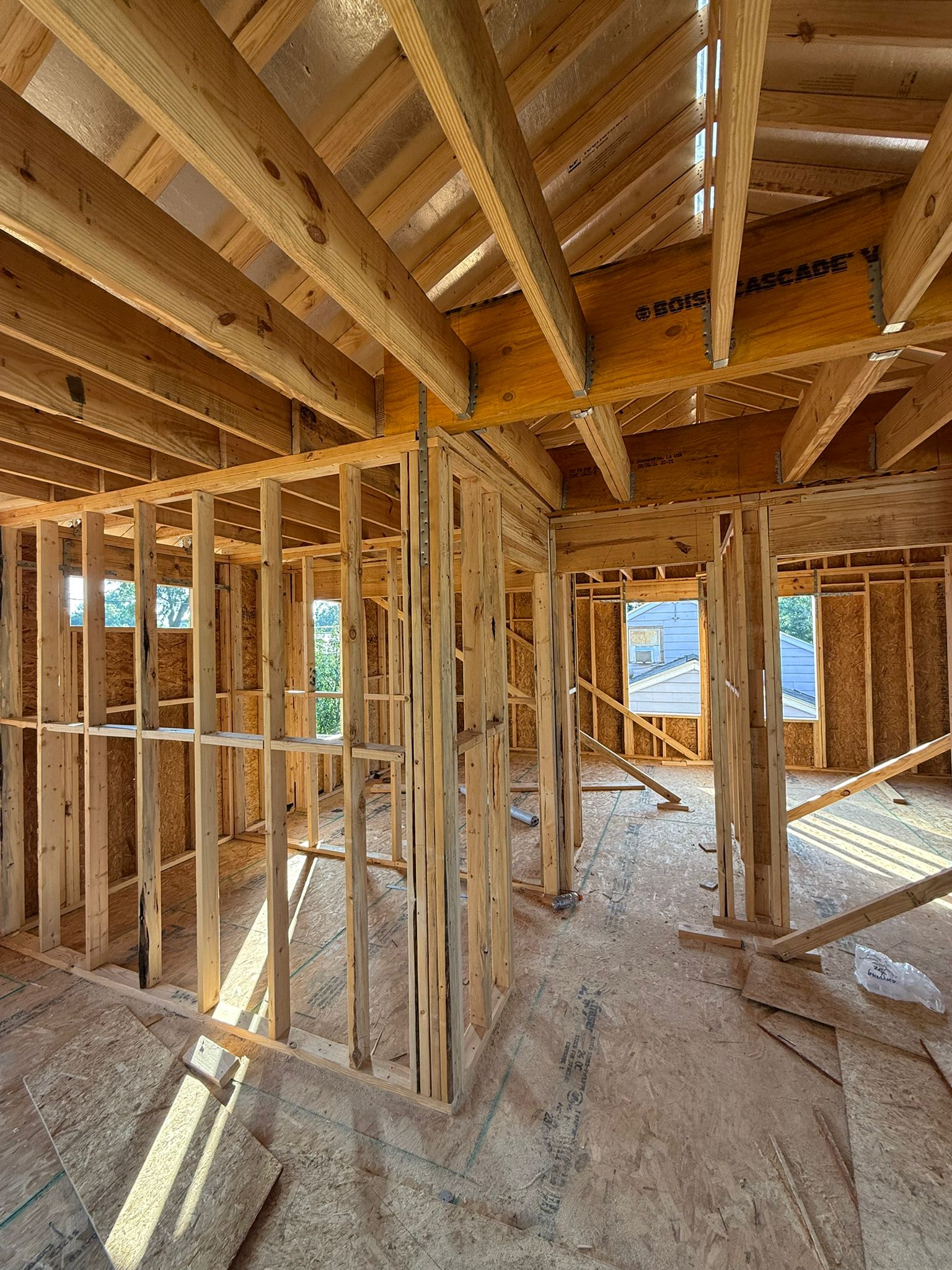
House addition contractors are the experts you call when you want to add a new room, bump out a wall, or even build a whole new floor on your house. They handle the entire process, from planning and permits to construction and finishing. These pros will work with you to design the addition, ensuring it fits your needs and the style of your home. They'll then manage the build, coordinating the various tradespeople and keeping the project on track.
Finding and Hiring the Right Contractor
When it comes to hiring a house addition contractor, it's important to do your research. Check out their past projects and read reviews to get a sense of their work. You'll want to ask about their experience with similar projects and ensure they're licensed and insured. Get quotes from a few contractors to compare prices and services. A good quote will include a detailed breakdown of costs, the timeline, and any potential issues or challenges.
Costs and Pricing
The cost of a house addition can vary widely depending on factors like the size and complexity of the project, the materials used, and local labor rates. It's a good idea to get several written quotes to compare. Remember, the cheapest quote might not always be the best value. Look for a contractor who offers a fair price and has a track record of delivering high-quality work.
Construction and Remodeling Companies
There are many construction and remodeling companies out there, from small, family-run businesses to large, established firms. The size of the company doesn't always determine the quality of their work. It's more about finding a company that suits your needs and budget. Larger companies might offer more services and have more resources, but smaller firms can often provide a more personalized experience.
Company Names and Branding
Naming a construction business can be fun, but it's important to choose a name that's memorable and reflects your company's values and services. It should be unique and easy to recognize. Some examples could be "Build-It-Right Contractors," "Home Expansion Specialists," or "Room for Growth." Before settling on a name, check its availability for local registration and domain names to ensure you can establish an online presence.
Jobs and Salaries in the Industry
The construction industry offers a range of roles, from general contractors and project managers to skilled tradespeople like carpenters, plumbers, and electricians. Salaries can vary depending on experience, qualifications, and the specific role. Many construction jobs are advertised through online job boards and local newspapers, but it's also worth checking with local trade associations and construction companies directly.
Industry Tools and Data
Construction professionals often use tools like RSMeans to estimate costs and plan projects. RSMeans provides cost data and resources to help contractors and estimators accurately price their work. It's a valuable tool for ensuring projects stay on budget. Cost databases like these are essential for the industry, providing up-to-date information on materials, labor, and other costs.
The Outlook for House Addition Contractors
The demand for house addition contractors can vary depending on the housing market and local trends. In areas with a growing population or a shortage of housing, these professionals are in high demand. It's always a good idea to check with local building departments to understand the market and any specific rules or regulations that might impact your project.
So, if you're thinking of adding some space to your home, house addition contractors are the way to go. With the right research and a bit of planning, you can find the perfect team to help bring your vision to life.
Related: International Construction Services Essential Guide
I've got a question for you: when was the last time you really paid attention to the buildings around you? Like, really noticed the details, the craftsmanship, and the sheer scale of some of these structures? Because I was walking through my neighborhood the other day, and I started thinking about international construction services and all the work that goes into creating these amazing spaces. It got me curious, so I did some digging, and here's what I found out...
Uncovering the World of International Construction Services
International construction services is a broad term that covers a whole lot of different aspects of the building and remodeling world. It's not just about the big, flashy skyscrapers or iconic landmarks; it's about the everyday projects that shape our cities and towns. From residential remodels to commercial builds, this industry is all about bringing spaces to life.
One of the key things to understand is that construction services can vary massively in cost. It's not just about the materials; it's the labor, the location, and the scale of the project. For example, a simple kitchen remodel might be a straightforward job, but add in some custom cabinetry and it could push the price up. So, when you're comparing quotes, make sure you're getting an itemized list of what's included.
Hiring the right contractor is crucial. You want someone who's reliable, experienced, and has a good track record. Check online reviews, ask for references, and don't be afraid to ask lots of questions. A good contractor will be happy to explain their process and provide a detailed quote. It's also worth considering whether you need a general contractor or a specialist for your project.
Now, let's talk about naming. If you're in the construction business, you might be wondering how to choose a name that stands out. It's all about finding something memorable and unique, but also professional. Something like "Build-It-Right" or "Renovation Revolution" could work well. Just make sure you check the availability of the name and secure the domain and local registration before you get too attached!
The construction industry offers a whole range of jobs, from estimators to project managers and skilled tradespeople. It's a diverse field with opportunities for all sorts of skills and interests. If you're looking for work, you'll probably find the best openings through specialist job boards and industry networks. It's a competitive market, but with the right skills and a bit of persistence, you can find great roles.
One tool that's really useful in the construction world is RSMeans. It's a cost database that helps contractors and companies estimate project costs accurately. It takes into account all sorts of factors, like labor rates and material costs, to give a reliable estimate. It's a handy resource for anyone in the industry, whether you're a small business or a large firm.
When it comes to the big construction companies, they tend to have a broader scope and more resources. They can take on larger, more complex projects and often have a wider network of contacts and specialists. But that doesn't mean smaller firms can't compete; it's all about finding your niche and building a strong reputation.
So, whether you're looking to remodel your home, build a new commercial space, or just curious about the construction world, international construction services is a fascinating and vital industry. It's all about bringing ideas to life and shaping the spaces around us. I hope this has given you a taste of what's out there and inspired you to learn more.
Related: Learn Piano Scales: A Comprehensive Chart Guide
Many pianists, especially beginners, often overlook the power of a simple piano scales chart. It's a common misconception that these charts are only for advanced players or music theorists. However, a piano scales chart is an incredibly useful tool for all levels!
This chart is your quick guide to understanding and mastering scales. It provides a visual representation of scale patterns, intervals, and fingerings, making it easier to navigate and play scales with confidence. While there may be variations in format or notation, the essence remains the same: a practical guide to exploring major and minor scales.
Piano Scales Chart: Your Visual Guide to Musical Mastery
The piano scales chart is a powerful tool for musicians, offering a visual representation of the building blocks of music. It's like a map that helps you navigate the world of scales, providing a quick reference for understanding and playing different scale patterns. This chart is your secret weapon to mastering the piano keyboard and creating beautiful melodies.
Understanding Scale Structure: The Basics
Before diving into the chart, let's grasp some fundamental concepts. A scale is a sequence of notes that forms the foundation of music. There are two main types: major and minor scales, each with its unique sound and mood. The chart typically displays these scales in a standardized format, showing the notes and their intervals. You'll find scale degree names, like "tonic" or "dominant," which are essential for understanding the structure.
Reading Scale Charts: A Step-by-Step Guide
Using the piano scales chart is straightforward. Here's a simple guide:
- Identify the scale you want to learn. Let's say it's the C major scale.
- Locate the C major scale on the chart. It will show the notes in sequence, often with fingerings to guide your playing.
- Follow the notes and fingerings, playing each one on your piano.
- Practice the scale until you can play it smoothly and confidently.
- Repeat this process for other scales, exploring the various patterns and sounds.
Common Scale Variations: Navigating Differences
While the piano scales chart provides a standard reference, scales can vary depending on the musical context. Different styles, such as jazz or classical, may use unique scale variations. Additionally, some scales have multiple forms, like the harmonic minor scale, which has a distinct sound compared to its natural minor counterpart. It's essential to explore these variations and understand their applications to become a versatile musician.
Mistakes to Avoid: Common Pitfalls
When working with the piano scales chart, it's crucial to avoid common mistakes. One pitfall is rushing through the learning process. Take your time to understand each scale and its characteristics. Another mistake is neglecting to practice the scales in context. Apply them to real songs or exercises to reinforce your understanding and muscle memory.
Practical Tips for Accurate Results
To get the most out of your piano scales chart, consider these practical tips:
- Start with the basic major and minor scales. These are the foundation for many other scales and musical concepts.
- Practice regularly, even if it's just a few minutes each day. Consistency is key to mastering scales.
- Explore different piano scale patterns and intervals to expand your musical vocabulary.
- Use the chart as a reference, but also try to internalize the scales by playing them from memory.
- Challenge yourself with more complex scales once you've mastered the basics.
Remember, the piano scales chart is a valuable tool, but it's just the beginning. Practice, experimentation, and a deep understanding of music theory will take your piano skills to new heights. Happy practicing!
Well, there you have it! A piano scales chart is a handy tool to keep close by, offering a quick and easy reference for your musical adventures. Remember, while this guide provides a solid foundation, exact values might shift slightly based on the source or standard you follow.
So, before you dive in, ensure you're using the right chart for your specific needs. And hey, why not bookmark this page for future musical missions? It's always good to have a reliable resource at your fingertips!