

Osrs Steel Dragons Overview
Frustrated by the lack of clear information on steel gauges? You're not alone. Many people are looking for a simple, reliable steel gauge chart to get the job done right. It's a common issue when working with steel, and having an accurate chart is essential.
This chart is your go-to guide, offering a quick reference for steel thicknesses, often with conversions to millimeters. While standards can vary, a good chart will cover the common gauge sizes and provide a reliable starting point for your projects.
Understanding the Steel Gauge Chart
The steel gauge chart is a handy reference tool that helps you quickly determine the thickness of steel materials. It provides a standardized way to measure and compare different steel products, making it an essential guide for various industries and DIY projects. This chart offers a simple and visual representation of steel thickness, ensuring consistency and accuracy in your measurements.
Comparing Gauge Standards and Formats
Steel gauge charts can vary depending on the standard being used. Two common standards are the American Wire Gauge (AWG) and the Standard Wire Gauge (SWG), each with its own set of measurements and categories. The AWG is widely used in the United States and is suitable for measuring wire and sheet metal thicknesses. On the other hand, the SWG is more common in the UK and some other countries, and it follows a different gauge system. It's crucial to know which standard your chart follows to ensure accurate readings.
Step-by-Step Guide to Using the Chart
Using a steel gauge chart is straightforward:
- Identify the type of steel you are working with, whether it's wire, sheet metal, or another form.
- Locate the appropriate chart for your steel type.
- Find the gauge number or range that corresponds to your steel. Gauge numbers typically decrease as thickness increases, so a lower gauge number indicates a thicker material.
- Refer to the chart to determine the exact thickness in millimeters (mm) or inches. Some charts may also provide additional information like weight per unit length or area.
- If you need to convert between gauges and millimeters, use the conversion factors provided on the chart or refer to a separate conversion table.
Common Misreadings and How to Avoid Them
Misinterpreting a steel gauge chart is easy if you're not familiar with the standards. One common mistake is assuming that all charts use the same gauge system. Always double-check the standard and ensure you are using the correct chart for your region or application. Additionally, pay attention to the units of measurement; some charts may use millimeters, while others use inches, so be consistent with your units.
Factors Affecting Gauge Accuracy and Real-World Use
Steel Type: Different types of steel, such as stainless steel or carbon steel, may have varying thickness tolerances, so it's essential to consider the specific steel you are working with.
Gauge to mm conversion: While charts provide conversions, it's always a good practice to cross-reference with other reliable sources to ensure accuracy, especially for critical applications.
Sheet metal gauge: For sheet metal, the gauge number can vary depending on the material and its intended use. Always check the specific gauge size for your project.
Variations: Steel thickness can also be affected by factors like temperature, manufacturing processes, and tolerances allowed by industry standards. These variations may result in slight differences between the chart's measurements and real-world steel thickness.
Common Causes: Misinterpretation of gauge numbers, using the wrong chart for the steel type, and not considering regional variations are some common causes of inaccurate readings.
By understanding these factors and being mindful of potential variations, you can ensure accurate measurements and select the right steel for your projects.
Well, that's a wrap on our steel gauge chart adventure! We've covered a lot of ground, from understanding the basics to navigating potential pitfalls. Remember, when it comes to precision, every detail matters, so take your time and double-check those measurements.
If you're keen to explore more practical guides and resources, feel free to browse our site. We've got a whole host of topics to keep you informed and inspired. Happy measuring, and until next time!
Related: How to Read a Knife Steel Chart?
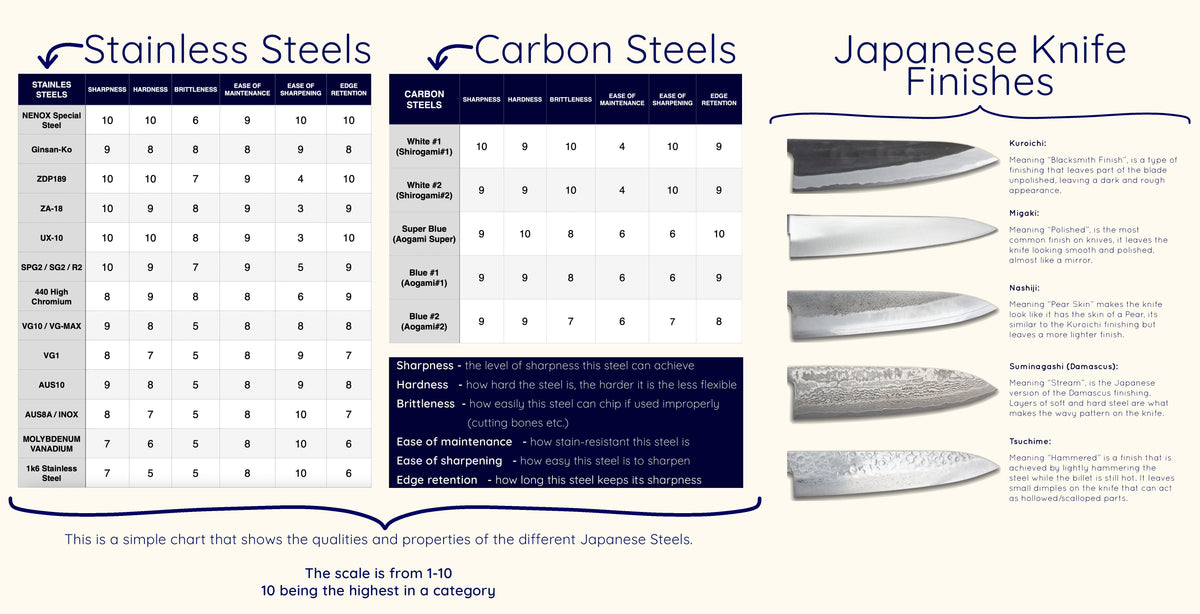
A knife steel chart is a handy tool for anyone wanting to understand knife steel properties and grades. It's a simple yet effective way to compare and contrast different steel types used in knife-making.
This guide will take you through the basics of reading and interpreting these charts, covering the key steel properties and how they impact your knife's performance. You'll discover the variations in steel hardness, composition, and grades, which can differ based on region and brand.
Understanding Steel Ratings
The knife steel chart is your go-to tool for comparing and understanding the different types of steel used in knife-making. It's a handy reference guide that simplifies the complex world of steel properties and grades. This chart helps you make informed decisions when choosing a knife, whether you're a chef, an outdoor enthusiast, or a collector.
Comparing Steel Options
The knife steel chart typically presents various steel types in a clear, organized manner. It often includes columns for steel grades, hardness ratings, and other relevant properties. You'll find a range of steel options, from common and affordable choices to premium, high-performance steels. Each steel type has its unique characteristics, and the chart helps you quickly grasp these differences.
Practical Steel Selection: A Step-by-Step Guide
Using the knife steel chart is straightforward:
Identify your needs: Determine what you'll primarily use the knife for, such as kitchen tasks, outdoor adventures, or collection purposes. Different steel types excel in different areas.
Check the chart: Locate the steel grades column and review the options. Look for steels suitable for your intended use, considering factors like edge retention, sharpness, and corrosion resistance.
Compare hardness: The hardness scale is a critical factor. Harder steels generally hold an edge longer but can be more brittle. Softer steels are more flexible and easier to sharpen but may dull faster. Find a balance that suits your needs.
Consider other properties: Besides hardness, the chart provides insights into steel composition, corrosion resistance, and ease of sharpening. These factors are crucial for long-term performance and maintenance.
Make an informed choice: With the chart's guidance, you can now select the steel that best aligns with your knife's intended use and your personal preferences.
Avoiding Common Misreadings
While the knife steel chart is a valuable tool, it's essential to interpret it accurately:
Understand the scale: Different charts may use varying hardness scales, like Rockwell C (HRC) or Mohs. Ensure you're familiar with the scale used in your chart.
Know your steel: Steel grades can vary between regions and manufacturers. Always double-check the exact specifications, especially for less common steels.
Consider real-world factors: The chart provides a snapshot of steel properties, but actual performance can vary based on knife design, heat treatment, and maintenance.
Key Factors Affecting Accuracy
Several factors influence the accuracy and real-world performance of steel in knives:
Heat treatment: This process can significantly impact a steel's hardness and overall performance. Well-heat-treated steel can outperform its chart rating.
Knife design: The geometry and thickness of the blade can affect how steel performs. A thinner blade may not fully utilize the potential of a high-hardness steel.
Maintenance: Proper care and sharpening techniques are crucial. Neglecting maintenance can lead to premature dulling, even with premium steels.
Environmental factors: Corrosion resistance is essential, especially for outdoor use. The chart provides a guide, but real-world conditions can vary.
Adapting the Chart for Your Needs
The knife steel chart is versatile and can be tailored to your specific requirements:
Focus on key factors: If you prioritize edge retention, narrow your search to steels known for their durability. If corrosion resistance is vital, choose steels with high chromium content.
Compare similar steels: When in doubt, compare steels within the same family. For instance, compare different stainless steel grades to find the best balance of hardness and corrosion resistance.
Seek expert advice: If you're unsure, consult knife experts or experienced users. They can provide valuable insights and recommendations based on their experience.
Keeping Your Reference Reliable
To ensure the knife steel chart remains a reliable reference:
Update regularly: Steel technology and manufacturing processes evolve. Stay updated with the latest charts and sources to access the most accurate information.
Cross-reference: When in doubt, compare multiple charts and sources. This helps verify the accuracy of the information and ensures you have a well-rounded understanding of steel properties.
Seek specialized charts: For specific knife types or uses, consider specialized charts. These charts provide detailed insights tailored to your needs, ensuring you make the best choice.
Hey there, I hope this guide has given you a clear understanding of knife steel charts and their practical use. Remember, these charts are a fantastic tool, but the exact details can vary, so always double-check the specific standards and sources you're working with.
Consider bookmarking this page for future reference; it's a quick and handy way to refresh your memory and ensure you're using the right info. There are plenty more guides like this on various topics, so feel free to explore and find the tools that work best for you!