





Painting Invoice Template Google Sheets Overview
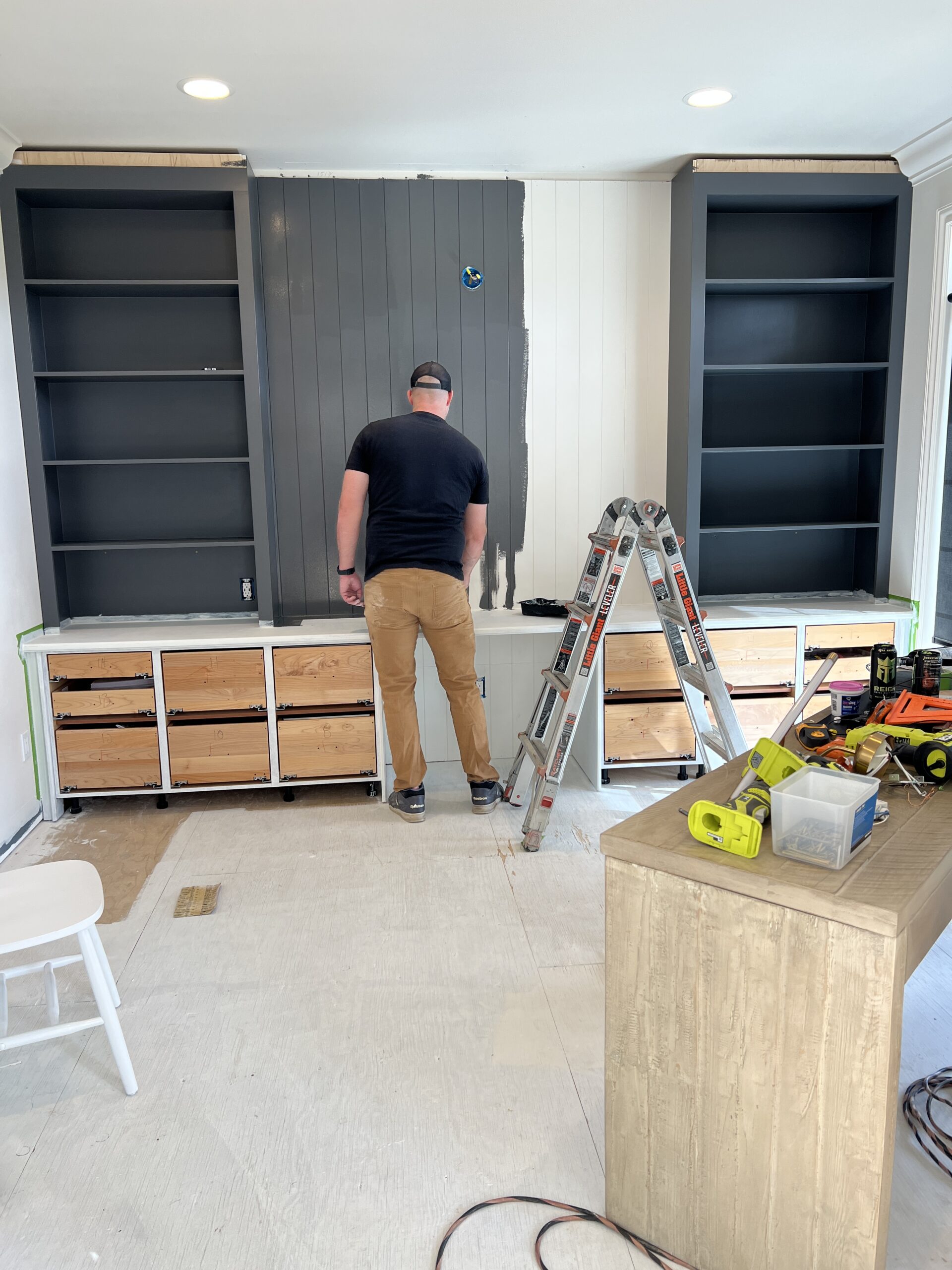
I'm getting ready to tackle a how to remodel painting project and it's a bit daunting. I mean, where do I even start? I've never done this before and I want to make sure I do it right. So, I've been doing some research and I've learned a few things that I think might help others in a similar situation.
Understanding the Process
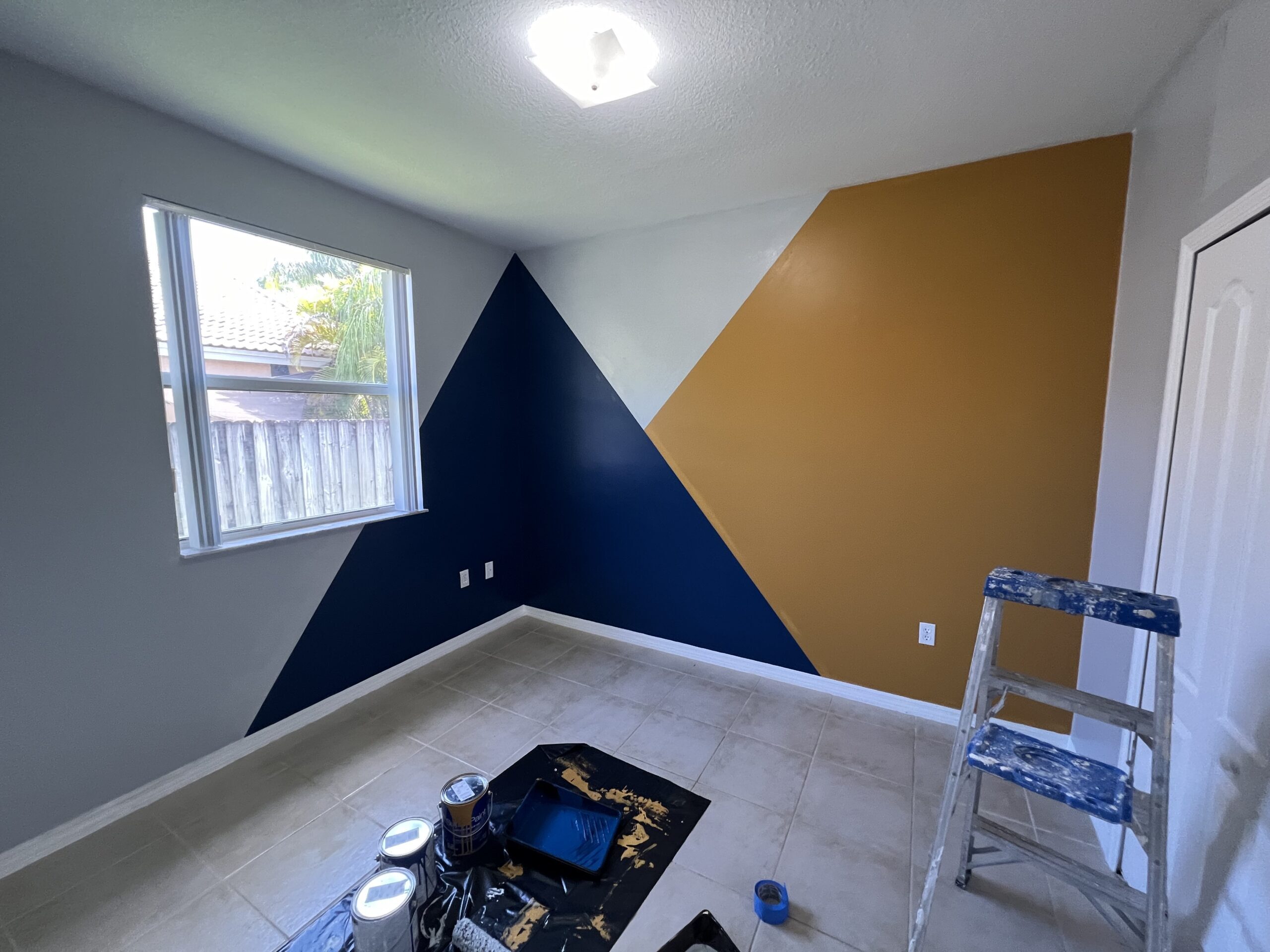
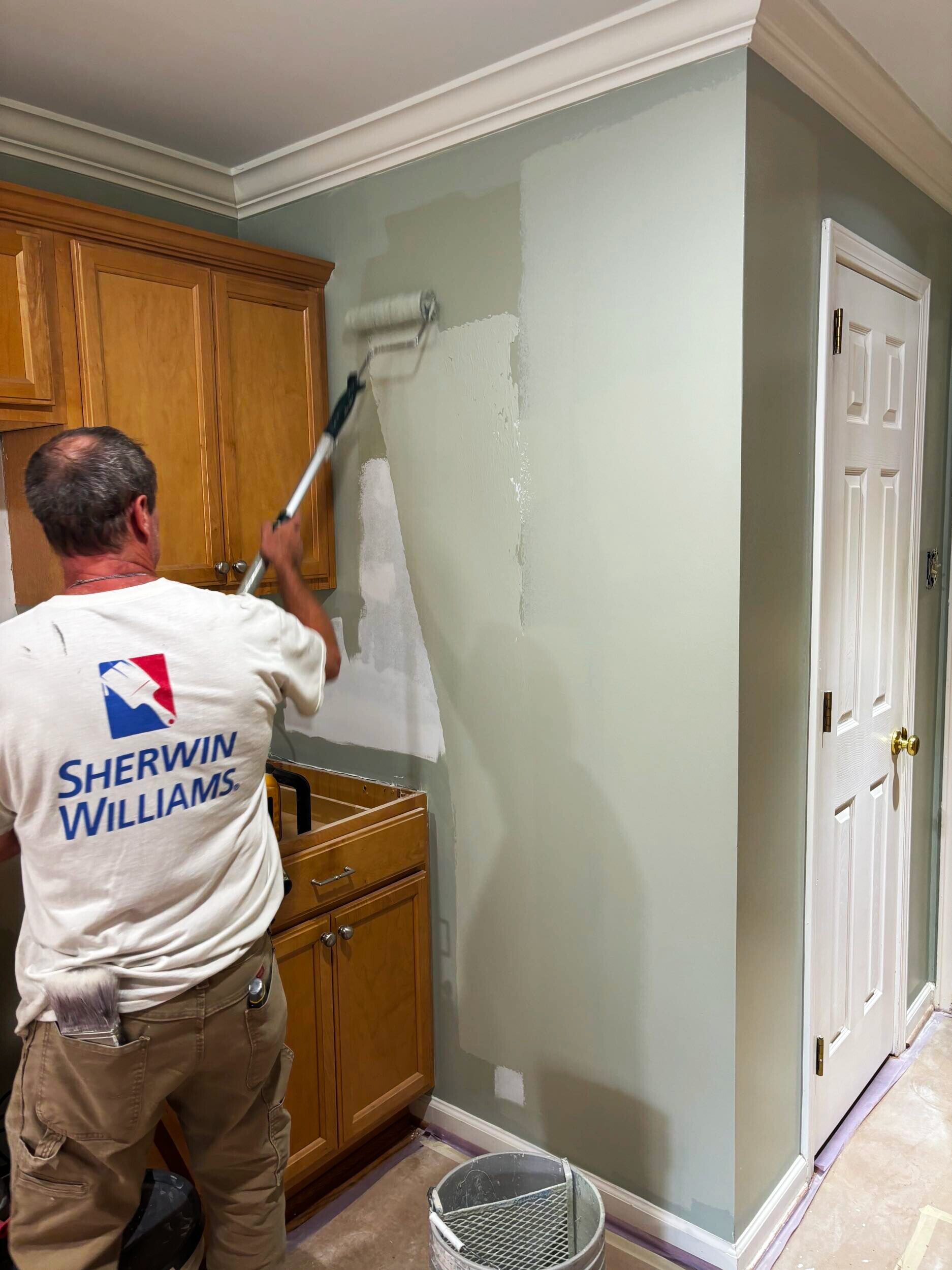
How to remodel painting is a specific type of home remodeling project that involves updating the look and feel of a room or space through a fresh coat of paint. It's a great way to transform a space without a major renovation, and it can be a fun and creative process. But, it's important to know what you're getting into and how to navigate the world of painting contractors and costs.
The first step is to assess the scope of your project. Consider the size of the space, the number of rooms, and the type of paint you want to use. This will impact the overall cost and the time it takes to complete the job. You'll also need to decide if you want to tackle the project yourself or hire a professional.
Hiring a Contractor
If you decide to hire a contractor, there are a few things to keep in mind. First, get multiple quotes. Compare prices, but also consider the quality of the work and the reputation of the company. Check online reviews and ask for references. A good contractor will be transparent about their process and pricing.
When comparing quotes, look for a detailed breakdown of the costs. This should include labor, materials, and any additional services like preparation work or special finishes. Make sure the quotes are for the same scope of work so you can make an apples-to-apples comparison.
Company Names and Reputation
The construction and remodeling industry is full of companies with unique names. A good company name should be memorable, easy to spell and pronounce, and reflect the nature of the business. It's also important to check the availability of the name and secure the relevant domain and local business registrations.
Some example names could be:
- Brushstroke Builders
- Colorful Creations
- Fresh Coat Pros
- Paint Perfect Pros
- Wall Wizards
- The Paint Pros
Construction Jobs and Salaries
The construction industry offers a range of jobs, from general contractors to estimators and project managers. Salaries can vary depending on experience, location, and the size of the company. It's a diverse industry with opportunities for growth and specialization. Many construction companies post job openings on their websites, and there are also dedicated construction job boards online.
Industry Tools and Data
Tools like RSMeans provide valuable data for the construction industry. They offer cost databases and escalation tools that help contractors and estimators calculate and manage project costs. This data is essential for accurate quotes and project planning. It ensures that costs are estimated correctly and that projects are profitable.
Large vs. Small Companies
The construction industry is diverse, with both large and small companies. Large companies often have more resources, allowing them to take on bigger projects and offer a wider range of services. They may also have more specialized staff. Small companies, on the other hand, can offer a more personalized service and may be more flexible in their approach.
Final Thoughts
How to remodel painting is a great way to update your home, and with the right approach, it can be a smooth and satisfying process. Remember to do your research, get multiple quotes, and choose a contractor who suits your needs and budget. It's a fun project that can really transform a space, so enjoy the process and the results!
Related: Find Your Perfect Fit: The AE Size Chart Guide
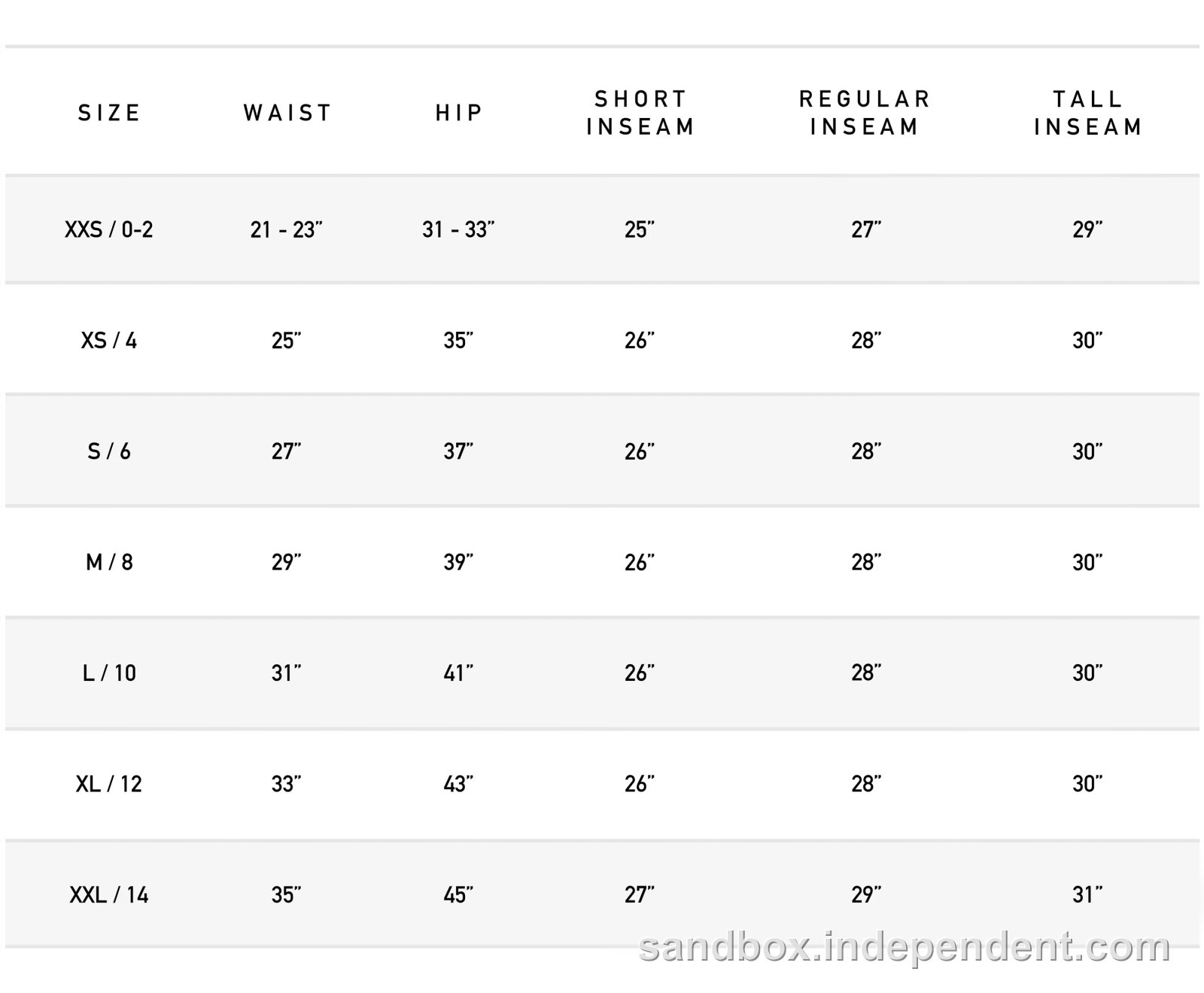
Frustrated by the endless search for the right size? You're not alone. That's why having a reliable ae size chart at your fingertips can be a game-changer. It's a simple yet effective tool, offering a quick solution to a common dilemma. This chart provides a clear and concise guide, helping you navigate the world of apparel sizing with ease. Whether you're an online shopper or prefer in-store browsing, understanding ae size charts and apparel size guides is key to ensuring a perfect fit every time.
Understanding the AE Size Chart: A Quick Overview
The ae size chart is a handy tool for anyone shopping for apparel, especially online. It provides a standardized guide to help you choose the right size for your body measurements. This chart is particularly useful for the AE (American Eagle) brand, ensuring a perfect fit for their clothing range.
Comparing Size Chart Standards and Formats
Size charts can vary depending on the brand and region. The AE size chart follows the US sizing standard, which is different from international or metric sizing. It's important to note that even within the US, some brands may have slightly different size guides, so always refer to the specific brand's chart for accuracy.
Step-by-Step Guide to Using the AE Size Chart
Using the AE size chart is straightforward:
Take your body measurements: bust, waist, and hip. These are the key measurements for most apparel items. Ensure you measure accurately and consistently.
Locate your measurements on the chart. The chart will typically have a column for each measurement type (bust, waist, hip) and rows for different sizes.
Find the size where your measurements intersect. For example, if your bust measurement corresponds to a size 6 and your waist and hip measurements align with size 8, you might want to opt for a size 8 to ensure a comfortable fit.
Consider the garment type. Different clothing items may fit differently, so always check the product description for any specific fitting notes or recommendations.
If you're still unsure, refer to the brand's size guide, which often provides additional fitting tips and advice.
Common Misreadings and How to Avoid Them
One common mistake is assuming that all brands use the same size chart. Always double-check the brand's specific size guide, as even within the US, there can be slight variations.
Another pitfall is relying solely on your usual size without considering your actual measurements. Remember, size charts are guidelines, and your body measurements are unique. Always measure yourself and refer to the chart for the best fit.
Factors Affecting Accuracy and Real-World Use
Several factors can impact the accuracy of size charts and your real-world experience:
Fabric type and stretchiness: Some fabrics have more give, so a garment might fit differently depending on the material.
Style and cut: Different clothing styles can have varying fits, even within the same size. For example, a loose-fit top might feel more comfortable than a fitted one, even if they are the same size.
Personal preference: Some people prefer a tighter or looser fit. Consider your personal style and comfort when choosing a size.
Body shape variations: Size charts provide a general guide, but everyone's body is unique. If you have a unique body shape, you might need to size up or down to achieve the desired fit.
Remember, the ae size chart is a helpful tool, but it's not an exact science. Always trust your measurements and consider the specific garment's style and fabric when making your size choice.
Well, there you have it! A quick and easy guide to navigating the world of AE size charts. Remember, these charts are a handy tool, but it's always wise to double-check the specific context and requirements for your project.
Consider bookmarking this page for future reference; it's a simple way to ensure you always have the right information at your fingertips. Happy measuring, and may your creations fit perfectly!
Related: Decode Your Child's Behavior with an ABC Chart
Many people often assume that abc behavior charts are solely for teachers and classrooms, but they are so much more versatile and beneficial than that! While they are commonly used in educational settings, these charts are a powerful tool for anyone looking to track and improve behavior. The beauty of abc behavior charts lies in their simplicity and adaptability; they can be tailored to suit various contexts and goals.
Understanding the ABC Behavior Chart
The ABC Behavior Chart is a simple yet effective tool for tracking and managing behavior. It provides a visual representation of an individual's behavior patterns, helping to identify and address any issues or positive trends. This chart is a great way to encourage desired behaviors and set clear expectations.
Key Details and Categories
The ABC Behavior Chart consists of three main columns: Antecedent, Behavior, and Consequence. Each column represents a critical aspect of behavior analysis:
- Antecedent: This column notes the triggers or events that precede a behavior. It helps identify potential causes or situations that lead to certain behaviors.
- Behavior: Here, you record the actual behavior observed. It could be positive, negative, or neutral, depending on the context.
- Consequence: The final column details the outcome or response to the behavior. It could be a reward, a consequence, or simply a neutral reaction.
Additionally, the chart often includes a date and time column to track when behaviors occur. This provides a timeline for analysis and helps identify patterns.
Tracking Behavior: A Step-by-Step Guide
Using the ABC Behavior Chart is straightforward:
- Observe and Record: Start by noting the antecedent, the event or trigger that precedes the behavior. Be specific and descriptive.
- Describe the Behavior: Next, write down the behavior itself. Be objective and focus on the action, not judgments or interpretations.
- Note the Consequence: Finally, record the consequence or response to the behavior. This could be a reward, a redirection, or a neutral response.
- Analyze and Adjust: Regularly review the chart to identify patterns. Look for trends in behaviors and their antecedents. This analysis helps you understand what triggers certain behaviors and allows you to adjust your strategies accordingly.
Variations and Customizing the Chart
While the ABC Behavior Chart provides a standard framework, it can be customized to suit different needs and contexts. Here are some factors that may vary:
- Frequency: The chart can be used daily, weekly, or even monthly, depending on the behavior being tracked and the goals.
- Focus: The chart can be tailored to specific behaviors, such as focusing on positive behaviors or addressing challenging ones.
- Rewards and Consequences: The consequences or rewards listed can be adjusted based on individual preferences and the behavior intervention plan.
- Visual Design: The chart's design can be adapted to make it more engaging. Adding colors, icons, or even a point system can make it more appealing, especially for younger individuals.
Remember, the ABC Behavior Chart is a flexible tool. It's essential to review and adapt it to ensure it remains an effective behavior management strategy. By understanding the chart's core components and customizing it to your needs, you can create a powerful behavior tracking system.
Hey there! We've covered a lot of ground with the ABC behavior chart, and I hope it's given you a solid understanding of this practical tool. Remember, while the basics remain the same, the exact details might shift a little depending on your specific context or the source you're using. It's always a good idea to adapt and make it work for your unique situation.
So, the next time you need a quick refresh on this topic, be sure to bookmark this page for easy access. There's no need to scour the internet; you've got all the key info right here! Feel free to explore our other guides too; we've got plenty more practical tips and tricks to share. Happy learning!