







Painting Invoice Template Word Overview
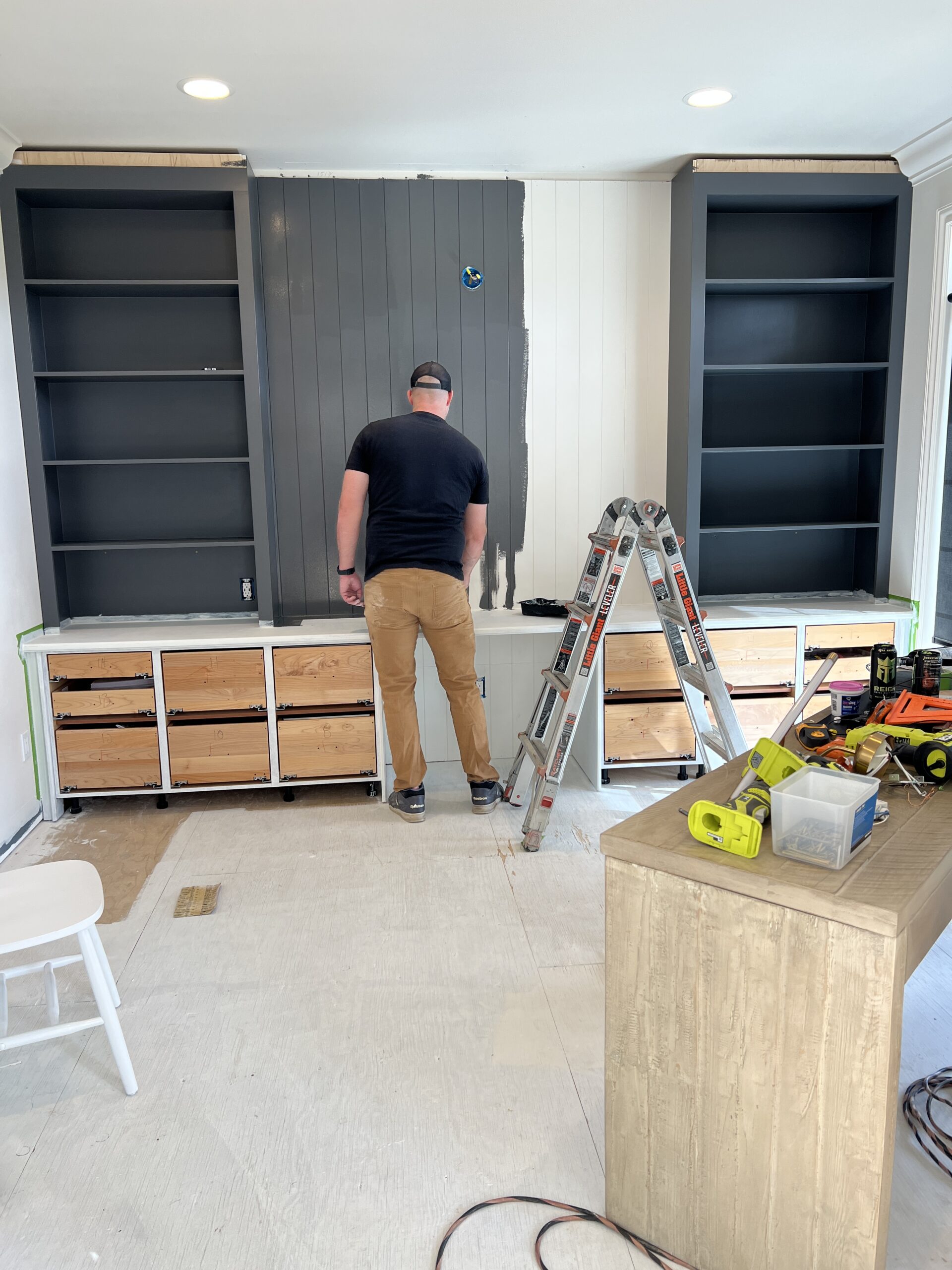
I'm getting ready to tackle a how to remodel painting project and it's a bit daunting. I mean, where do I even start? I've never done this before and I want to make sure I do it right. So, I've been doing some research and I've learned a few things that I think might help others in a similar situation.
Understanding the Process
How to remodel painting is a specific type of home remodeling project that involves updating the look and feel of a room or space through a fresh coat of paint. It's a great way to transform a space without a major renovation, and it can be a fun and creative process. But, it's important to know what you're getting into and how to navigate the world of painting contractors and costs.
The first step is to assess the scope of your project. Consider the size of the space, the number of rooms, and the type of paint you want to use. This will impact the overall cost and the time it takes to complete the job. You'll also need to decide if you want to tackle the project yourself or hire a professional.
Hiring a Contractor
If you decide to hire a contractor, there are a few things to keep in mind. First, get multiple quotes. Compare prices, but also consider the quality of the work and the reputation of the company. Check online reviews and ask for references. A good contractor will be transparent about their process and pricing.
When comparing quotes, look for a detailed breakdown of the costs. This should include labor, materials, and any additional services like preparation work or special finishes. Make sure the quotes are for the same scope of work so you can make an apples-to-apples comparison.
Company Names and Reputation
The construction and remodeling industry is full of companies with unique names. A good company name should be memorable, easy to spell and pronounce, and reflect the nature of the business. It's also important to check the availability of the name and secure the relevant domain and local business registrations.
Some example names could be:
- Brushstroke Builders
- Colorful Creations
- Fresh Coat Pros
- Paint Perfect Pros
- Wall Wizards
- The Paint Pros
Construction Jobs and Salaries
The construction industry offers a range of jobs, from general contractors to estimators and project managers. Salaries can vary depending on experience, location, and the size of the company. It's a diverse industry with opportunities for growth and specialization. Many construction companies post job openings on their websites, and there are also dedicated construction job boards online.
Industry Tools and Data
Tools like RSMeans provide valuable data for the construction industry. They offer cost databases and escalation tools that help contractors and estimators calculate and manage project costs. This data is essential for accurate quotes and project planning. It ensures that costs are estimated correctly and that projects are profitable.
Large vs. Small Companies
The construction industry is diverse, with both large and small companies. Large companies often have more resources, allowing them to take on bigger projects and offer a wider range of services. They may also have more specialized staff. Small companies, on the other hand, can offer a more personalized service and may be more flexible in their approach.
Final Thoughts
How to remodel painting is a great way to update your home, and with the right approach, it can be a smooth and satisfying process. Remember to do your research, get multiple quotes, and choose a contractor who suits your needs and budget. It's a fun project that can really transform a space, so enjoy the process and the results!
Related: A Clear Guide to Praise Drum Charts
Frustrated by the lack of a quick reference guide? You're not alone. That's why the praise drum chart is an invaluable tool for any musician or enthusiast. This chart, a simple yet effective visual aid, offers a clear and concise way to understand and compare various aspects of praise drums. From drum size charts to tension and tuning, it provides a snapshot of essential information. With this chart, you can quickly grasp the differences and nuances, ensuring an accurate and efficient approach to your musical needs.
Understanding the Praise Drum Chart
The praise drum chart is an essential tool for musicians and enthusiasts, offering a visual representation of key specifications for african praise drums. It provides a quick reference guide to help you choose the right drum and ensure accurate tuning.
Key Details and Categories
This chart typically includes several crucial categories: drum size, measured in both diameter and depth; drumhead tension, which affects the sound and pitch; and tuning methods, offering different approaches to achieve the desired tone. It may also feature a range of standard drum sizes, providing a starting point for your selection.
Interpreting the Chart: A Step-by-Step Guide
- Begin by identifying the drum size you require. The praise drum chart will usually list common sizes, often in both inches and centimeters, to cater to different regions and preferences.
- Next, consider the desired tension and tuning method. These factors will influence the sound and playability of your drum. The chart will provide guidance on achieving the right tension and tuning for your chosen size.
- Follow the chart's recommendations for tuning and tension adjustments. This may involve using specific tools and techniques to achieve the desired sound.
- Finally, fine-tune your drum. The chart can guide you in making minor adjustments to achieve the perfect pitch and tone.
Variations and Differences
It's important to note that praise drum charts may vary depending on the standard or region. Here are some key factors that can cause variations:
- Drum size: While some charts provide a comprehensive list of standard sizes, others may focus on specific ranges or popular dimensions.
- Tuning methods: Different cultures and musical traditions may employ unique tuning techniques, which can result in varied recommendations on the chart.
- Regional preferences: The intended audience of the chart can influence the featured sizes and tuning methods.
Common Mistakes and How to Avoid Them
- Misinterpreting the chart: Ensure you understand the units and measurements used. Some charts may use imperial units (inches), while others opt for metric (centimeters).
- Neglecting drumhead tension: Tension is crucial for the sound and playability of your drum. Don't overlook the tension recommendations on the chart.
- Assuming universality: Remember that while praise drum charts provide valuable guidance, they may not cover every possible size or tuning method. Always double-check specific drum specifications if you require precise details.
- Overlooking regional variations: Be mindful of regional differences in drum sizes and tuning preferences. If you're working with a specific cultural tradition, ensure the chart aligns with those standards.
While this guide offers a comprehensive overview, it's worth noting that specific details may differ slightly based on your unique context or the source you're referencing. Remember, every resource has its own nuances, so it's always beneficial to cross-reference and adapt as needed.
Feel free to explore our other guides for more practical insights and tips. And when you need a quick refresh, don't forget to bookmark this page for easy access!
Related: Unraveling the CFM Duct Chart: A Quick Guide
A cfm duct chart is a handy tool, a simple yet effective guide, that can make your life easier when dealing with air flow and ductwork. This chart is your go-to reference, offering a quick and clear way to understand and calculate air flow rates and duct sizes.
In this guide, we'll explore how to read and utilize the cfm duct chart effectively. You'll learn about the key values and their variations, ensuring you can apply this chart accurately for your projects. It's a practical skill, and we'll keep it simple!
Understanding the CFM Duct Chart
A CFM duct chart is a valuable tool for anyone working with air flow and duct systems. It provides a visual representation of the relationship between duct sizes and the air flow rate, measured in cubic feet per minute (CFM). This chart simplifies the process of selecting the right duct size for a specific air flow requirement.
Key Details and Units
Before diving into the chart, it's essential to understand the basics. The CFM duct chart typically displays two key categories: duct sizes, often given in inches, and the corresponding CFM values. These values indicate the volume of air that can pass through a duct of a particular size. The chart usually covers a range of standard duct sizes and their respective CFM ratings.
Practical Applications: Reading and Using the Chart
Using the CFM duct chart is straightforward. Here's a step-by-step guide:
- Identify the desired air flow rate (CFM) for your application. This could be based on the equipment you're using or the specific needs of your project.
- Locate the CFM value on the chart.
- Follow the row or column to find the corresponding duct size. This size ensures the duct can handle the required air flow.
- If your specific CFM value isn't listed, you can interpolate between the values provided.
Variations and Differences
It's important to note that CFM duct charts may vary depending on the standard or region. Different countries and industries might have their own specific charts and guidelines. Additionally, factors like duct material, shape, and installation can influence the actual air flow. While the chart provides a useful reference, it's always a good idea to double-check with the manufacturer's specifications for precise tolerances and recommendations.
Hey there! I hope this duct chart guide has been helpful. Remember, while the fundamentals stay the same, exact details can vary slightly depending on the context. So, keep an eye out for those little nuances!
If you're keen to explore more practical guides like this, feel free to check out our other resources. And don't forget to bookmark this page for a quick refresher whenever you need it. Happy charting!