





Parenting Education Worksheets Overview
A common misconception about dog growth charts is that they are solely for show, a decorative element on a vet's wall. In reality, these charts are practical tools, offering valuable insights into your dog's development.
While the values and formats may vary, the purpose remains the same: to provide a quick reference guide for pet owners and professionals alike. With a dog growth chart, you can track your furry friend's progress, ensuring they are on a healthy growth trajectory. It's a simple yet effective way to monitor their well-being, especially during those crucial early months.
Understanding Dog Growth Charts
Dog growth charts are a handy tool for pet owners to monitor their furry friend's development. These charts provide a visual representation of a dog's growth journey, offering insights into their weight, height, and overall progress.
Key Details and Categories
The dog weight chart typically includes two main axes: one for age and another for weight or height. Age is often measured in weeks or months, while weight is in pounds or kilograms, depending on the standard used. Some charts also include height measurements, usually in inches or centimeters. It's essential to know your dog's breed and age to choose the right chart and interpret the data accurately.
Reading and Applying the Chart
Here's a step-by-step guide to using a dog growth chart:
- Identify your dog's breed and age. Different breeds have unique growth patterns, so ensure you're using the correct chart.
- Locate your dog's age on the chart's horizontal axis.
- Find the corresponding weight or height range on the vertical axis.
- Compare your dog's actual weight or height with the chart's values. If they fall within the range, your dog is likely growing as expected.
- Track your dog's progress over time by marking their weight or height on the chart regularly. This helps identify any deviations from the average growth rate.
Variations and Differences
It's important to note that dog growth charts are general guidelines and may not apply to every dog. Several factors can influence a dog's growth, leading to variations:
- Breed: Different breeds have distinct growth patterns and sizes.
- Gender: Male and female dogs may have slightly different growth trajectories.
- Nutrition: A dog's diet and overall health play a significant role in their growth.
- Environment: Factors like exercise and living conditions can impact development.
- Individual variations: Just like humans, dogs can have unique growth rates and milestones.
Common Mistakes and How to Avoid Them
When using a dog growth chart, avoid these common pitfalls:
- Relying solely on the chart: While charts provide valuable insights, they are not a substitute for professional advice. Consult a veterinarian if you have concerns about your dog's growth.
- Ignoring individual variations: Every dog is unique. Don't compare your dog's growth directly to another dog's; focus on their personal progress.
- Using the wrong chart: Ensure you select a chart specific to your dog's breed and age group.
- Overinterpreting data: Growth charts offer a general overview; they may not capture all nuances of a dog's development.
- Neglecting regular check-ups: Schedule routine visits to the vet to monitor your dog's overall health and growth accurately.
Remember, dog growth charts are a tool to assist, not a strict rulebook. Stay vigilant, and enjoy watching your furry companion grow and thrive!
So, there you have it, a handy guide to understanding your dog's growth and keeping track of their development. Remember, while these charts provide a great reference, every dog is unique, and growth rates can differ. It's always a good idea to consult your vet for personalized advice.
Before you go, make sure to check the specific standards and guidelines relevant to your breed and region. There's a wealth of information on our site to explore, so feel free to browse and discover more practical guides and fun reads!
Related: Find Your Perfect Quilt Size with This Easy Chart
A quilt size chart is a handy tool for quilters and crafters, offering a quick guide to standard quilt dimensions. This simple reference ensures your projects turn out perfectly sized, every time.
The chart covers a range of common quilt sizes, from crib quilts to king-size creations. It's a useful resource, especially when you're working with different quilt patterns and want consistent results. Keep in mind that quilt sizes can vary slightly between regions and standards, so it's a good idea to check the chart's source for any specific details.
Quilt Size Chart: A Guide to Standard Sizes
Quilt size charts are a handy tool for quilters and crafters, providing a quick reference for the standard dimensions of quilts. These charts offer a practical guide to ensure your quilts fit the intended purpose, whether it's a cozy bed cover or a baby crib quilt. Let's dive into understanding this chart and how to use it effectively.
Key Details and Units
The quilt size chart typically includes a range of common quilt sizes, from crib quilts to king-size bed quilts. It provides the length and width measurements in inches, which are standard units for quilt sizes. Some charts may also include metric measurements for international use. The chart categories often cover crib, twin, full, queen, and king sizes, along with their respective dimensions.
Reading the Chart: A Step-by-Step Guide
Using the quilt size chart is straightforward. First, identify the purpose of your quilt. Are you making a baby quilt, a bed cover, or a unique size for a specific project? Once you know the intended use, locate the corresponding category on the chart. For instance, if you're making a queen-size bed quilt, find the "Queen" category. The chart will provide the recommended length and width measurements for that size. Simply follow these dimensions when cutting and assembling your quilt top, backing, and batting.
Variations and Differences
While the quilt size chart offers standard measurements, variations can occur due to different standards and contexts. For example, some regions may use metric measurements, leading to slight differences in dimensions. Additionally, quilt sizes can vary based on the intended use. A crib quilt for a baby might have different dimensions compared to a decorative wall hanging quilt. It's essential to consider the purpose and any specific requirements when using the chart.
Common Mistakes and How to Avoid Them
One common mistake is assuming that all quilts must adhere strictly to the chart's measurements. Remember, the quilt size chart provides guidelines, but your personal preferences and the project's needs may vary. Another mistake is overlooking the intended use. Always consider whether you're making a bed quilt, a throw, or a unique size for a specific purpose. Misinterpreting the chart's categories can also lead to errors. Ensure you understand the difference between crib, twin, and other sizes before selecting your measurements.
Practical Tips for Accurate Sizing
To ensure accurate sizing, double-check the specific requirements for your project. If you're making a quilt for a bed, measure the bed's dimensions and consider the desired overhang. For unique projects, measure the intended space and adjust the quilt size accordingly. It's also beneficial to have a basic understanding of fabric widths and yardage requirements. This knowledge will help you calculate the fabric needed for your quilt size accurately. Lastly, consider the quilt's purpose and any personal preferences for thickness or design elements that might impact the overall size.
By following these practical tips and understanding the quilt size chart, you'll be well-equipped to create quilts that fit perfectly for their intended use. Happy quilting!
Hey there, quilter! Now that we've covered the ins and outs of quilt sizes, remember that these details can shift a bit depending on your specific project and the resources you're using. So, keep an eye out for any variations and adapt as needed.
If you're new to quilting or just want a handy reference guide, be sure to bookmark this page for future use. It's a great way to ensure your quilts turn out perfectly sized every time!
Related: What's the bit size chart I need?
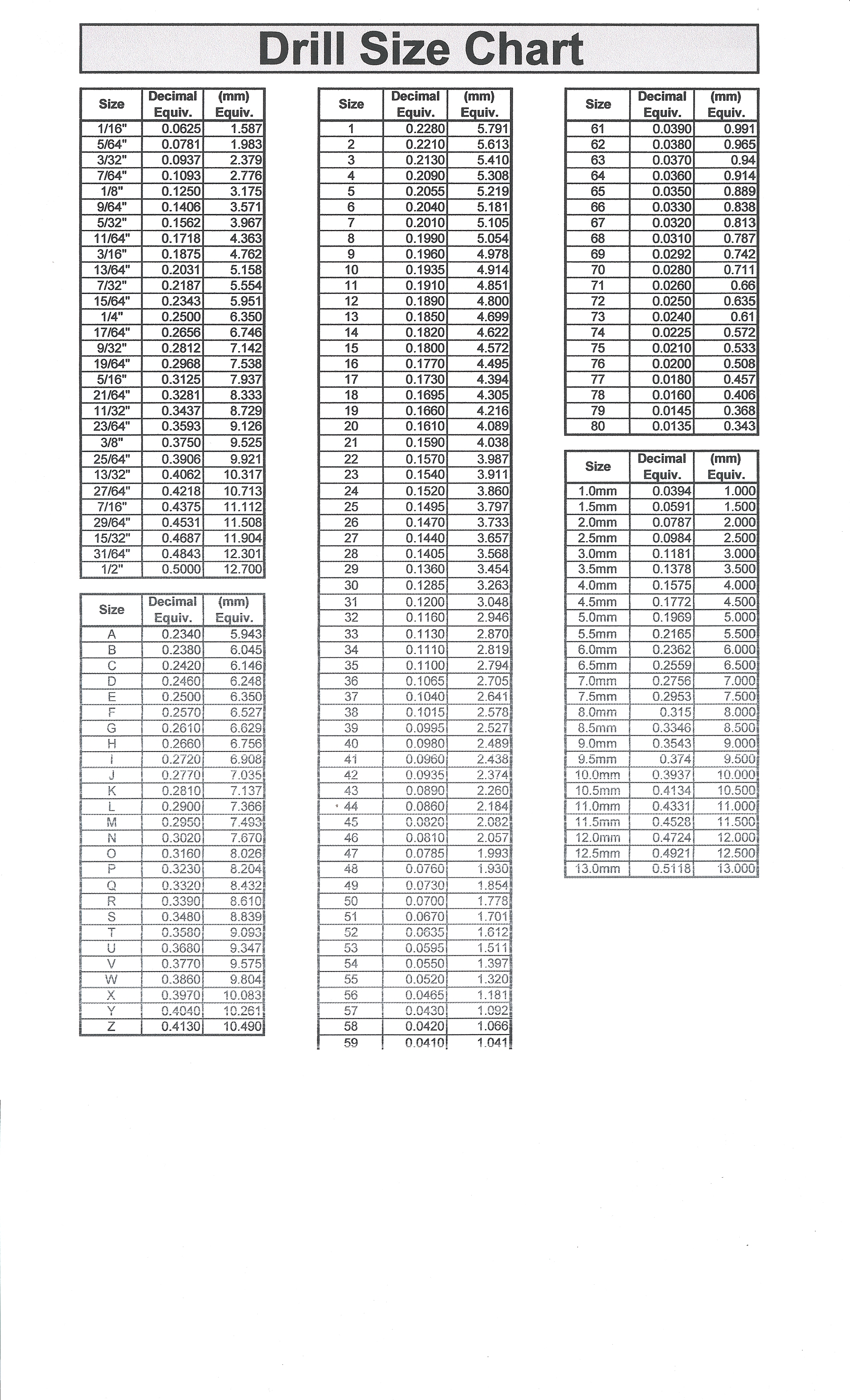
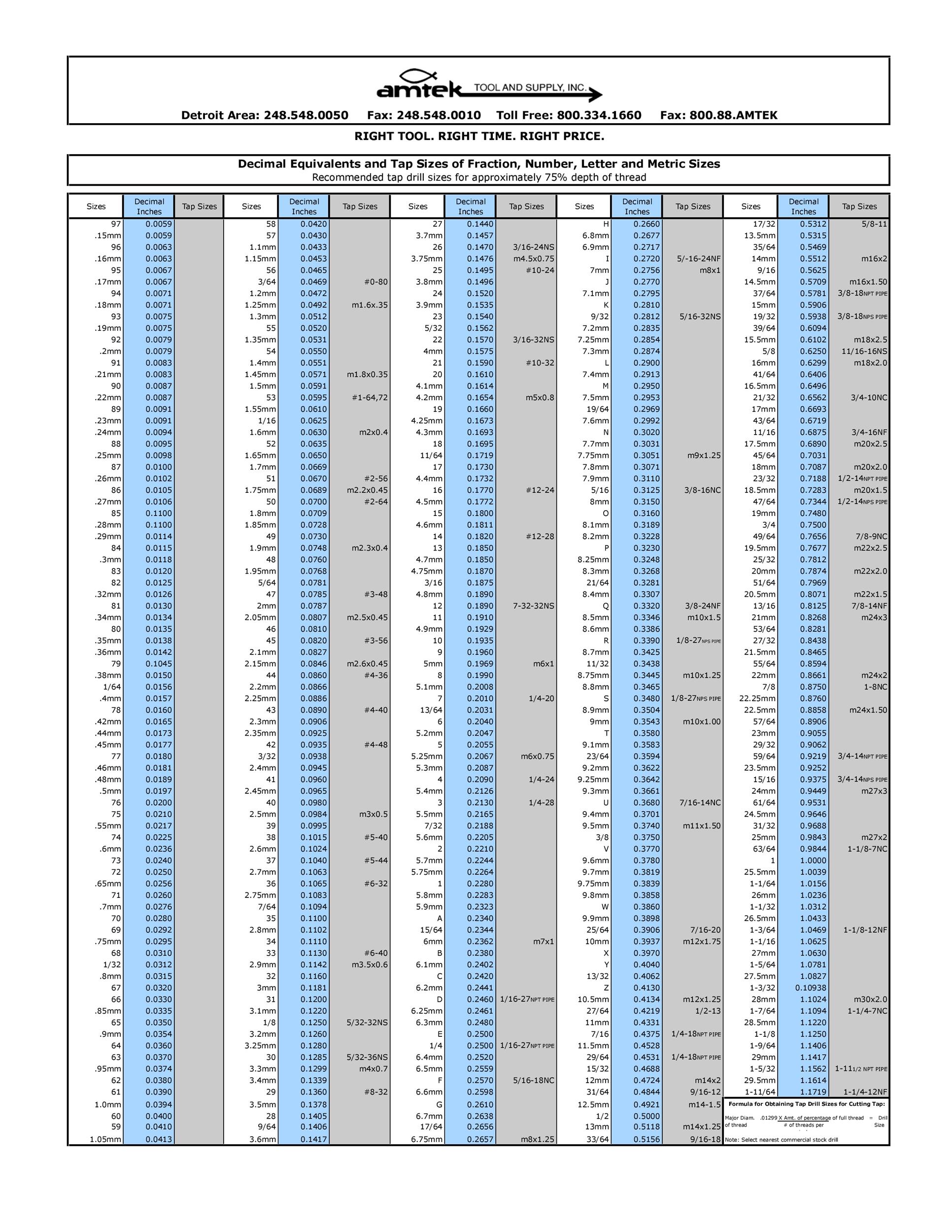
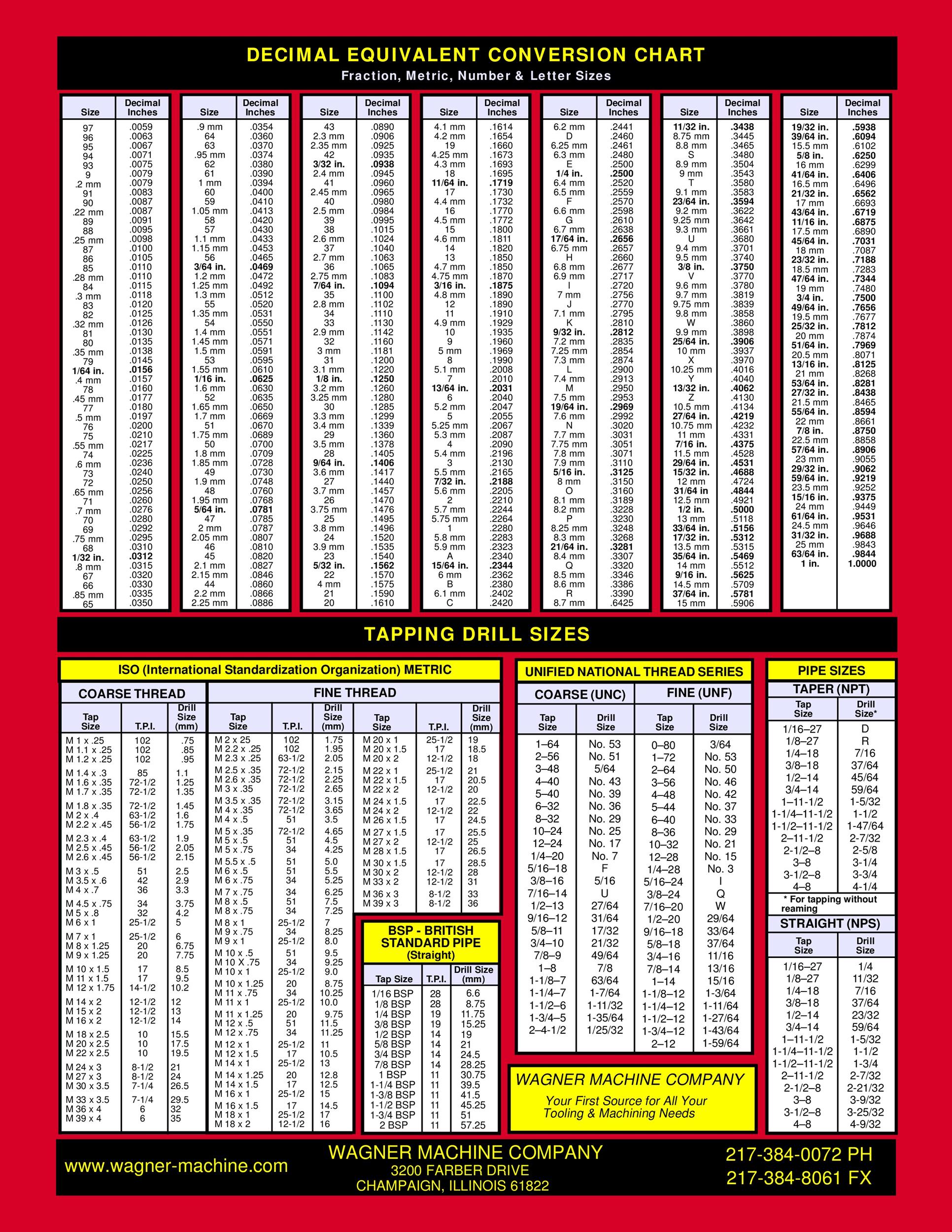
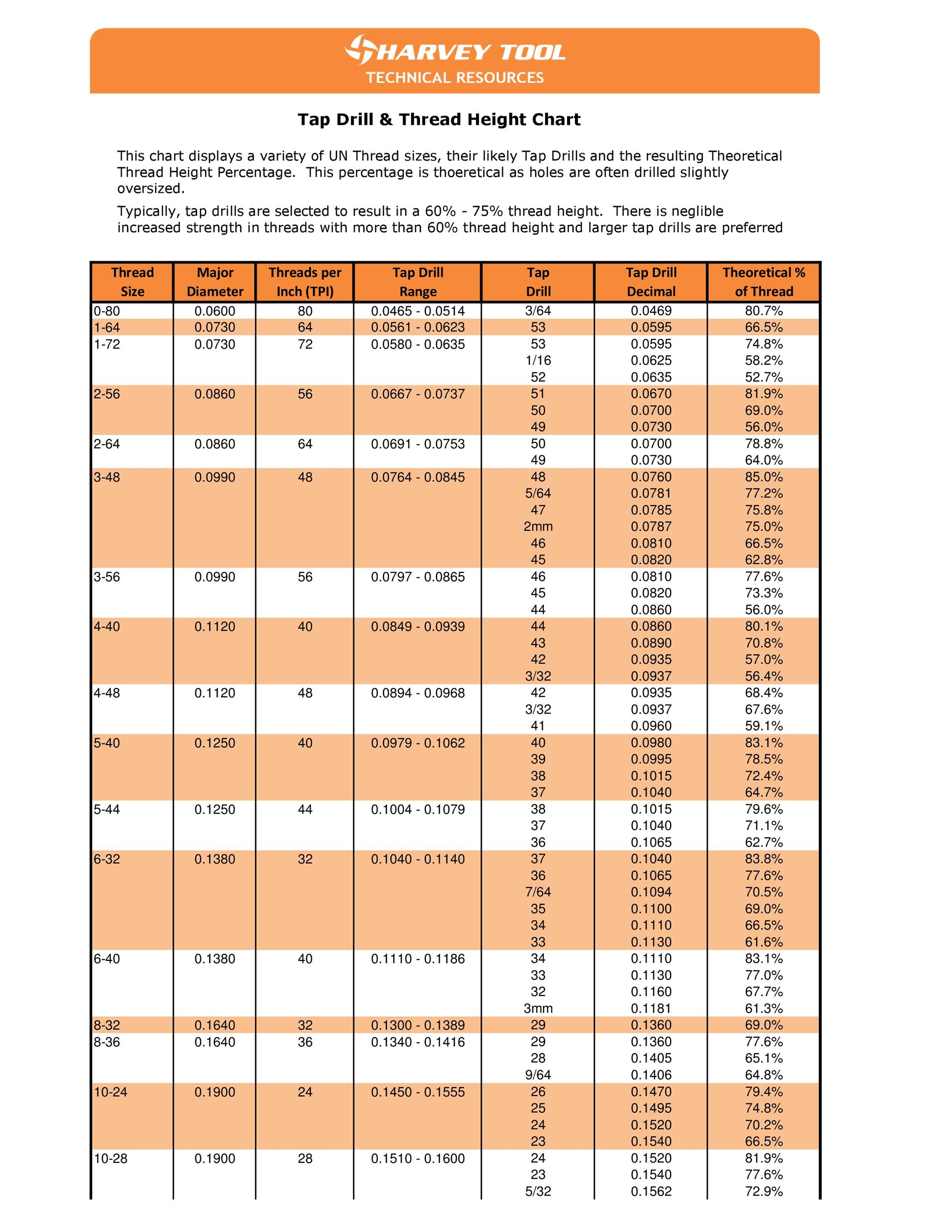
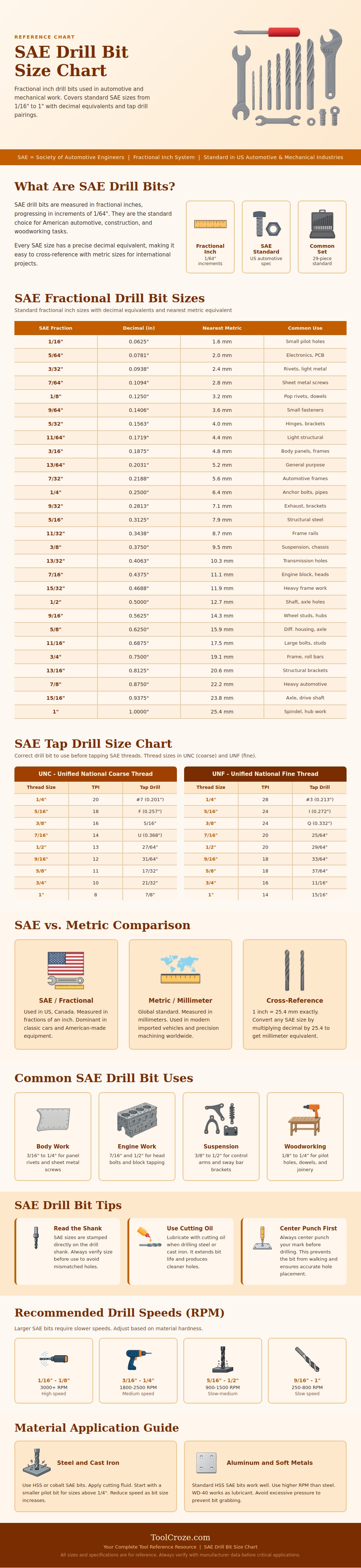
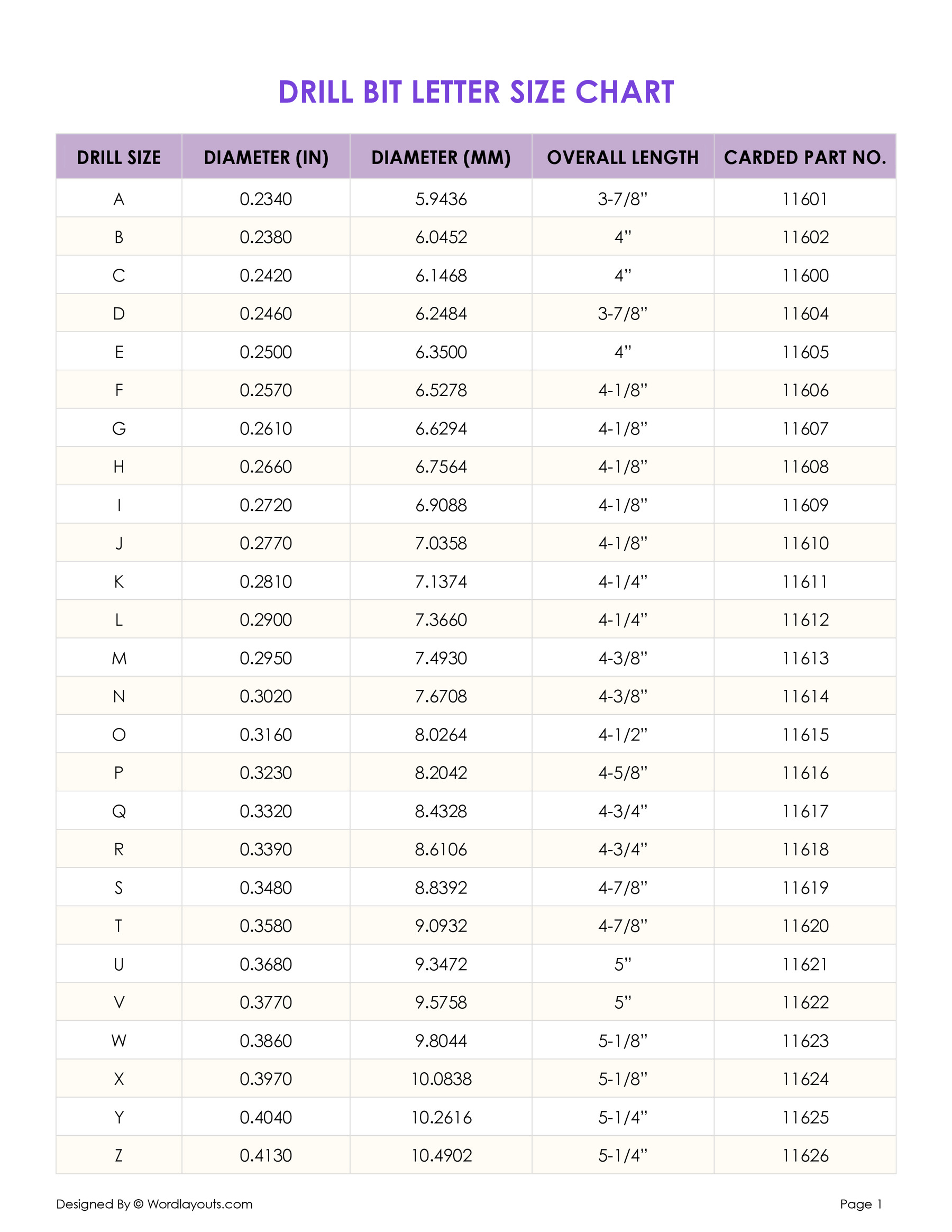
Many people approach the bit size chart with some confusion, often mistaking it for a complex and intimidating tool. In reality, it is a simple and incredibly useful reference guide, designed to provide clarity and precision. This chart, a trusted companion for many, offers a straightforward way to determine and compare various bit sizes, be it for drill bits, screws, or other applications. While the values and formats may vary depending on the context, the bit size chart remains a reliable starting point, ensuring you choose the right size for your specific needs.
Understanding the Bit Size Chart
The bit size chart is a practical tool that provides a visual reference for various bit sizes used in drilling and fastening applications. It offers a quick and easy way to identify and select the appropriate bit for your project, ensuring precision and efficiency.
Key Details and Categories
The chart typically includes two main categories: fractional and metric bit sizes. Fractional sizes are commonly used in the US and are expressed in fractions of an inch, such as 1/4" or 3/8". Metric sizes, on the other hand, use millimeters and are more prevalent internationally. These categories further break down into specific sizes, each with its unique measurements and applications.
Reading the Measurements: A Step-by-Step Guide
- Identify the Type: Determine whether you need a fractional or metric bit size. This depends on your location and the standard used in your region.
- Locate the Chart: Find a reliable bit size chart that covers both fractional and metric sizes. Ensure it includes the specific range of sizes you require.
- Match the Size: Compare the size of the fastener or hole you are working with to the chart. Look for the closest match, keeping in mind that some sizes may have slight variations.
- Select the Bit: Once you've identified the size, choose the corresponding bit from your collection or purchase one if needed. Ensure it is designed for the material you are working with, such as wood, metal, or concrete.
- Double-Check: Always verify the bit size with the actual fastener or hole to avoid errors.
Common Size Variations and Their Causes
Size variations can occur due to several factors:
- Screw Head Size: Different screw head types, like Phillips or flat head, may require specific bit sizes.
- Material: The hardness and type of material can influence the bit size needed. For instance, drilling into hardwood may require a different bit than for softwood.
- Standard Screw Sizes: While the bit size chart covers a wide range, some projects may use non-standard screw sizes, requiring additional research or custom bits.
- Drill Bit Conversion: In cases where you need to convert between fractional and metric sizes, a drill bit conversion chart can be helpful.
- Tolerances: Manufacturing tolerances can lead to slight variations in bit sizes, so always refer to the specific tolerances for your application.
- Bit Size for Wood Screws: When working with wood screws, the chart may provide guidance, but it's essential to consider the screw's thread pitch and material.
So, with your new understanding of bit sizes and their applications, you're well-equipped to tackle any project that comes your way. Remember, while this guide provides a solid foundation, it's always wise to verify the specific requirements for your task, as exact values may differ slightly across standards.
Feel free to explore our other resources on the site; we've got plenty of practical guides to enhance your skills and knowledge. Happy learning, and keep those projects rolling!