




Personal Fitness Worksheet Bsa Overview
You're likely here because you need a reliable guide to understand and utilize a yarn weight chart effectively. These charts are essential tools for any yarn enthusiast, offering a quick reference to navigate the world of yarn weights and their various applications. Whether you're a seasoned crafter or just starting, having a clear understanding of yarn weights is key to achieving your desired results.
Understanding Yarn Weights: A Practical Guide
The yarn weight chart is a valuable tool for knitters, crocheters, and yarn enthusiasts. It provides a standardized way to categorize and understand the thickness or weight of different yarns, allowing crafters to choose the right yarn for their projects with ease. This guide will help you navigate the chart and make informed decisions.
Key Details and Categories
The yarn weight chart typically uses a numerical system to categorize yarns, with lower numbers indicating finer yarns and higher numbers representing thicker ones. This system is widely adopted and followed by yarn manufacturers and crafters. The chart often includes categories such as lace, fingering, sport, DK (double knitting), worsted, aran, bulky, and super bulky. Each category has a specific range of thickness and is denoted by a corresponding number.
Reading the Chart: A Step-by-Step Guide
To read the yarn weight chart, follow these steps:
Identify the category: Look for the category that best describes the yarn you are working with. Common categories include lace, fingering, and worsted weight.
Check the numerical range: Each category has a numerical range associated with it. For example, lace weight yarn typically falls within the range of 0-1, while worsted weight yarn is usually categorized as 4-5.
Compare and select: Compare the thickness of your yarn to the ranges provided. If your yarn's thickness falls within the range of a specific category, it belongs to that category.
Variations and Differences
It's important to note that while the yarn weight chart provides a standardized system, variations can occur due to different standards and regional practices. For instance, the US and UK have slightly different interpretations of some categories. Additionally, yarn manufacturers may use their own unique labeling systems, which can deviate from the standard chart.
- Key factors that can cause variations include:
- Regional differences in standards
- Manufacturer-specific labeling
- Yarn composition and fiber type
- Intended use and project requirements
Common Mistakes and How to Avoid Them
To ensure accurate yarn selection, be mindful of these common mistakes:
Relying solely on the yarn label: While yarn labels provide valuable information, they may not always align perfectly with the yarn weight chart. Always double-check the thickness by comparing it to the chart's ranges.
Ignoring fiber content: Different fibers have unique characteristics, and their weight can vary. Consider the fiber content when selecting yarn, as it may affect the overall weight and behavior of the yarn.
Neglecting project requirements: Different projects have specific yarn weight recommendations. Ensure you choose a yarn that aligns with the pattern's recommendations to achieve the desired outcome.
By understanding the yarn weight chart, its categories, and potential variations, you can confidently select the right yarn for your projects. This guide provides a practical framework to navigate the world of yarn weights and ensure successful crafting experiences.
Remember that while this guide provides a solid foundation, exact details can vary slightly depending on the standard or the specific yarn you're working with. It's always a good idea to double-check the weight and gauge with your chosen yarn's label to ensure accuracy.
Feel free to bookmark this page for future reference; it's a handy tool to have at your fingertips when you need a quick yarn weight reminder. And don't forget to explore our other practical guides for more crafting tips and tricks!
Related: How to Use a Wheel Offset Chart?
A wheel offset chart is a handy tool for anyone looking to understand wheel fitment and its impact on their vehicle. This guide will provide a clear overview, ensuring you can read and interpret these charts with ease.
The chart offers a visual representation of wheel offset, which can vary depending on your vehicle's make and model. It's an essential reference, especially when considering wheel upgrades or replacements, as it ensures you choose the right fit for your ride.
Understanding Measurements: Wheel Offset Chart Explained
A wheel offset chart is a valuable reference tool for anyone looking to understand and select the right wheel offset for their vehicle. This chart provides a visual representation of the various offset options, helping you make an informed decision. By referring to this chart, you can determine the appropriate offset for your wheels, ensuring a proper fitment and a smooth driving experience.
Comparing Common Offsets: A Practical Guide
The wheel offset chart typically presents different offset values, often in millimeters (mm) or inches (in), depending on the standard used. These values indicate the distance between the wheel's mounting surface and its centerline. The chart may categorize offsets into positive, negative, or zero categories, offering a quick visual reference. Positive offsets move the wheel outward, negative offsets bring it inward, and zero offsets align the mounting surface with the centerline. Understanding these categories is crucial for accurate wheel fitment.
Reading the Chart: A Step-by-Step Guide
- Identify the Standard: Begin by determining the standard your vehicle follows. Common standards include the metric system (mm) or imperial (in). This ensures you are referencing the correct chart.
- Locate the Offset Value: Look for the specific offset value you require. The chart will provide a range of options, so choose the one that best suits your vehicle's specifications and your desired fitment.
- Consider Wheel Size: Take into account the size of your wheels. The offset value should align with the wheel's overall dimensions to ensure a proper fit.
- Check Backspacing: Backspacing is another critical factor. It refers to the distance from the wheel's back side to the mounting surface. Ensure your chosen offset and backspacing combination allows for sufficient clearance for your vehicle's suspension and other components.
Common Misreadings and Pitfalls: Practical Fitment Tips
When using a wheel offset chart, it's essential to avoid common mistakes. First, ensure you are referencing the correct standard. Mixing up mm and in measurements can lead to incorrect fitment. Additionally, while the chart provides a guide, it's crucial to cross-reference with your vehicle's manufacturer specifications. Some vehicles may have specific requirements or limitations, so double-check to avoid potential issues. Finally, consider the overall wheel fitment and aesthetics. While the chart provides a technical guide, your personal preferences and the visual appeal of the wheels on your vehicle are also important factors in the decision-making process.
Remember, while this chart is an invaluable tool, it's always wise to cross-reference with your specific vehicle's requirements. The exact values can vary, so a quick check ensures you're on the right track.
Feel free to bookmark this page for future reference. It's a handy guide to have on hand when you need a quick reminder or a detailed breakdown of wheel offsets. Consider it your go-to resource for all things offset-related!
Related: ENR Construction Cost Index 2026 Essential Guide
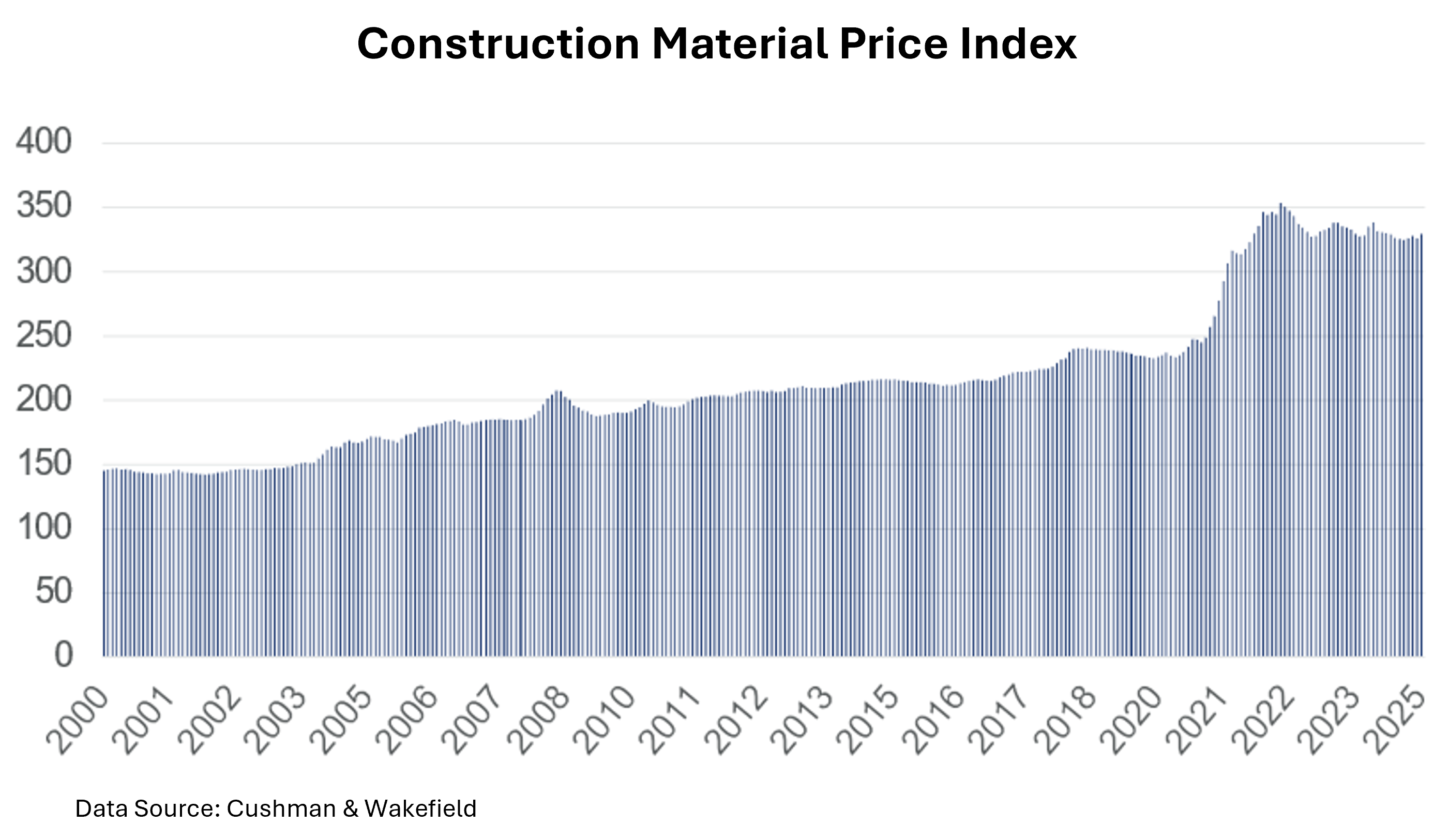
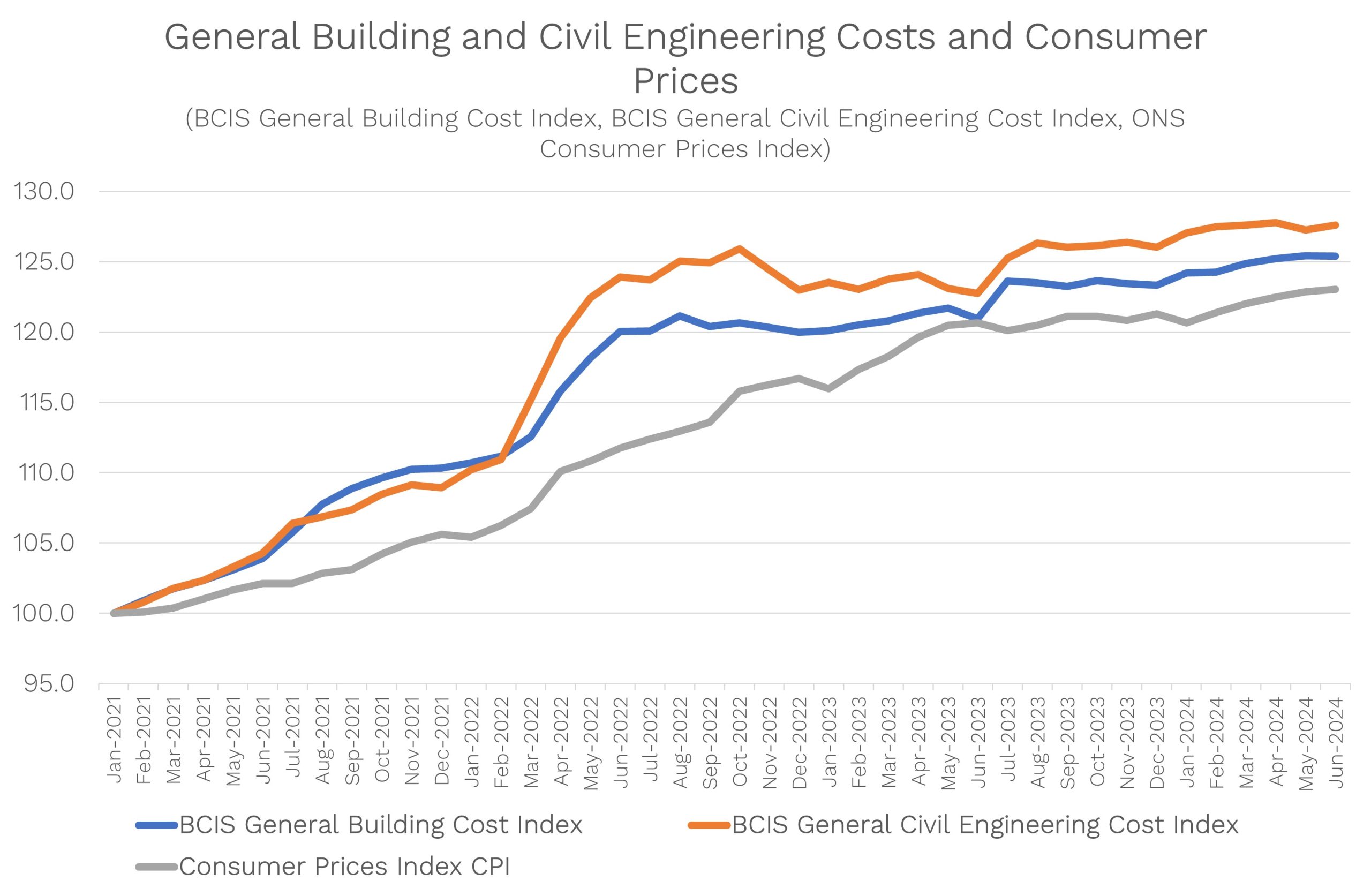
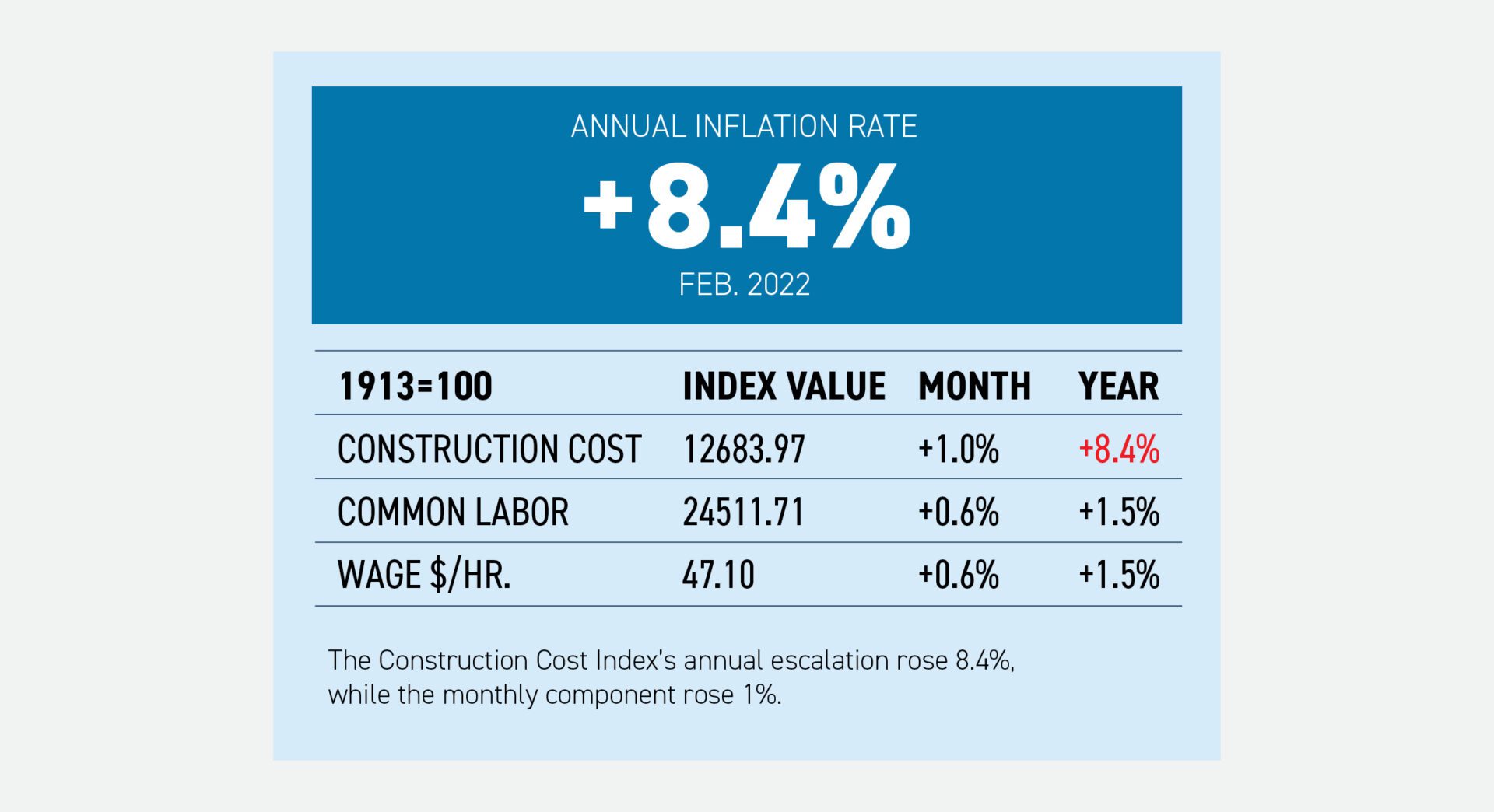
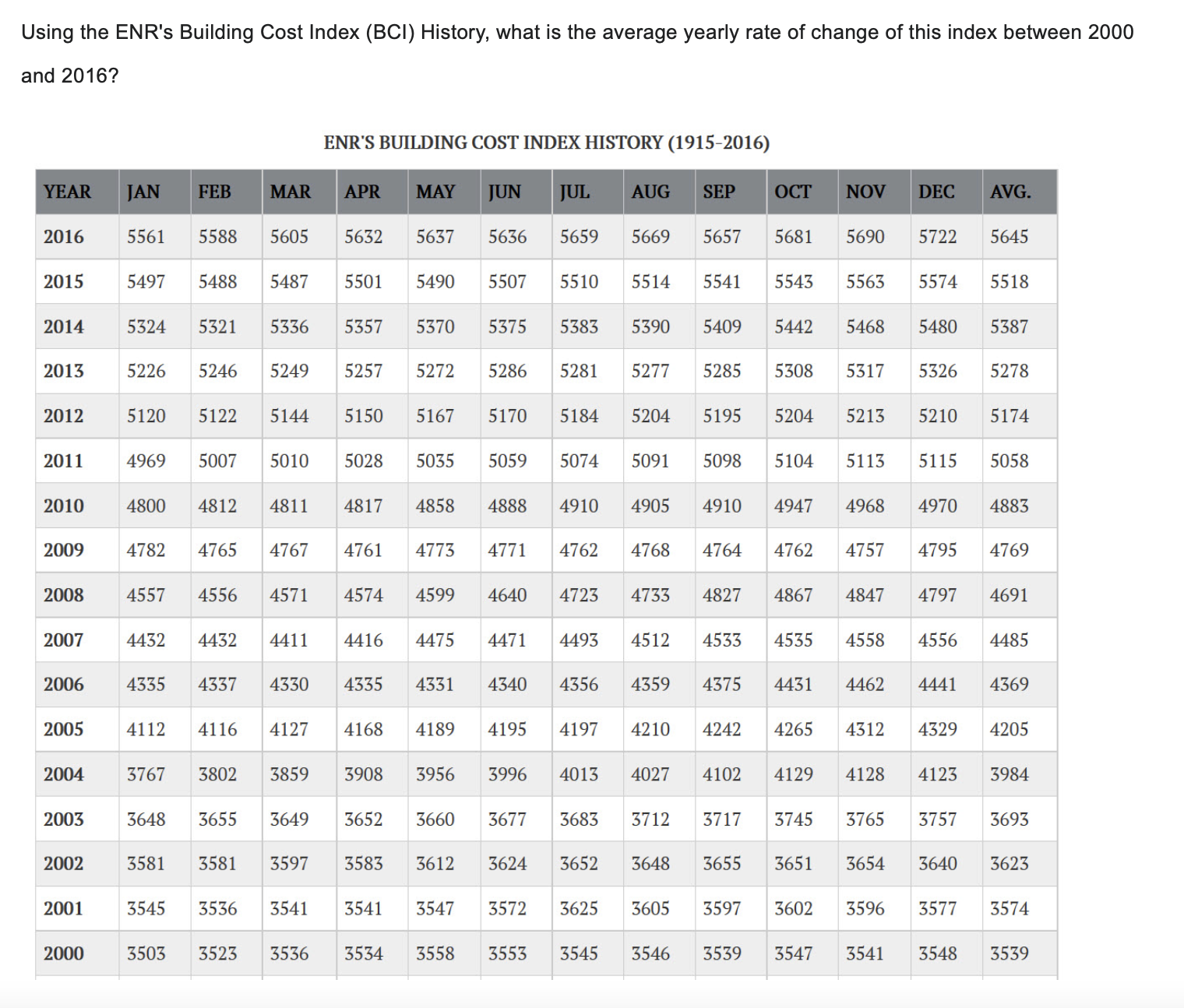
So, I was browsing the web the other day, curious about the ENR Construction Cost Index 2026, and I realized it's not as straightforward as it seems. I mean, it's an important indicator, but what does it really tell us? Let's break it down and see how it affects us regular folks.
Understanding the ENR Construction Cost Index
The ENR Construction Cost Index is a tool that keeps an eye on construction costs over time. It's like a thermometer for the industry, giving us a sense of how prices are moving. This index is super helpful for folks in construction, whether they're building companies, contractors, or even homeowners planning a remodel.
It covers a bunch of stuff, from materials to labor, and it's updated regularly. So, if you're thinking of starting a project, it's a good idea to check the index to get a feel for the market. It might just save you some headaches down the line!
How Does It Work, and Why Should I Care?
The index is all about tracking the costs of construction, which is crucial for anyone in the industry. It helps builders and contractors plan their projects and stay on budget. For homeowners, it's a way to understand the bigger picture of construction costs and how they might affect your renovation or new build.
Say you're planning a kitchen remodel. Checking the ENR Construction Cost Index can give you a sense of whether now is a good time to start, or if costs are likely to drop in the near future. It's a bit like timing the stock market, but for construction!
Practical Tips for Using the Index
So, how do you use this index in your daily life? Well, it's simple. Just head over to the ENR website (or your favorite construction data source) and take a look. You'll see the index value and maybe some charts or graphs to give you a visual idea of the trends.
If you're a builder or contractor, you can use this info to bid on projects and set your prices. For homeowners, it's a way to get a sense of the market and compare quotes from different companies. Remember, construction costs can vary a lot, so getting a few quotes is always a good idea.
Naming Your Construction Business
If you're starting a construction company, one of the first things you'll need to do is come up with a name. It's not just about being creative; the name should reflect your business and its values. Keep it simple and memorable, and make sure it's unique.
Here are a few ideas to get you started:
- Build-It-Right Construction
- Solid Foundations
- Skyward Builders
- HomeCrafters
- Earthworks
- Constructive Solutions
Don't forget to check name availability and secure your domain and local registration before you get too attached to a name!
Construction Jobs and the Industry
The construction industry offers a wide range of jobs, from general contractors to estimators and project managers. These roles involve everything from planning and managing projects to actually building and remodeling.
If you're looking for construction jobs, check out local job boards and industry-specific websites. You might also want to reach out to construction companies directly or consider joining a union. It's a great industry to be in, with lots of opportunities for growth and development.
Wrapping Up
So, there you have it! The ENR Construction Cost Index 2026 is a handy tool for anyone in the construction game. It's a simple way to stay informed and make smarter decisions, whether you're a builder, contractor, or just a homeowner with a project in mind.
Why not take a look at the index today and see what it can tell you about the construction world? It might just give you a new perspective on your next project.