




Photography Deposit Invoice Overview
You're here because you need a quick fix, a reliable source to refer to when it comes to spices and their measurements. Well, look no further than the Spice T Chart! It's a handy tool that simplifies the often confusing world of spice quantities. This chart is your go-to guide, offering a visual representation of spice measurements, ensuring your dishes are perfectly seasoned every time. Whether you're a cooking novice or a pro, having this reference can make all the difference.
What is a Spice T Chart?
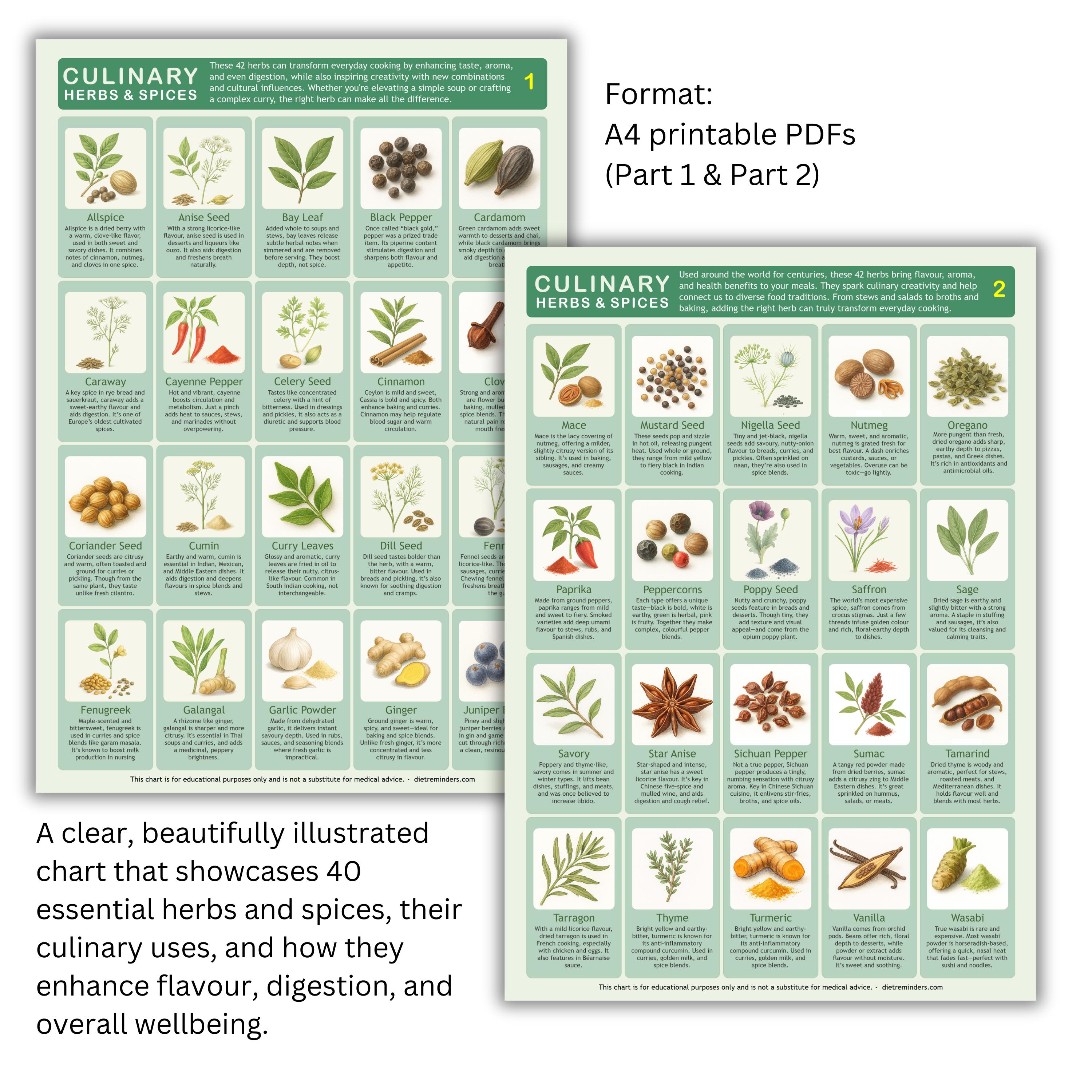
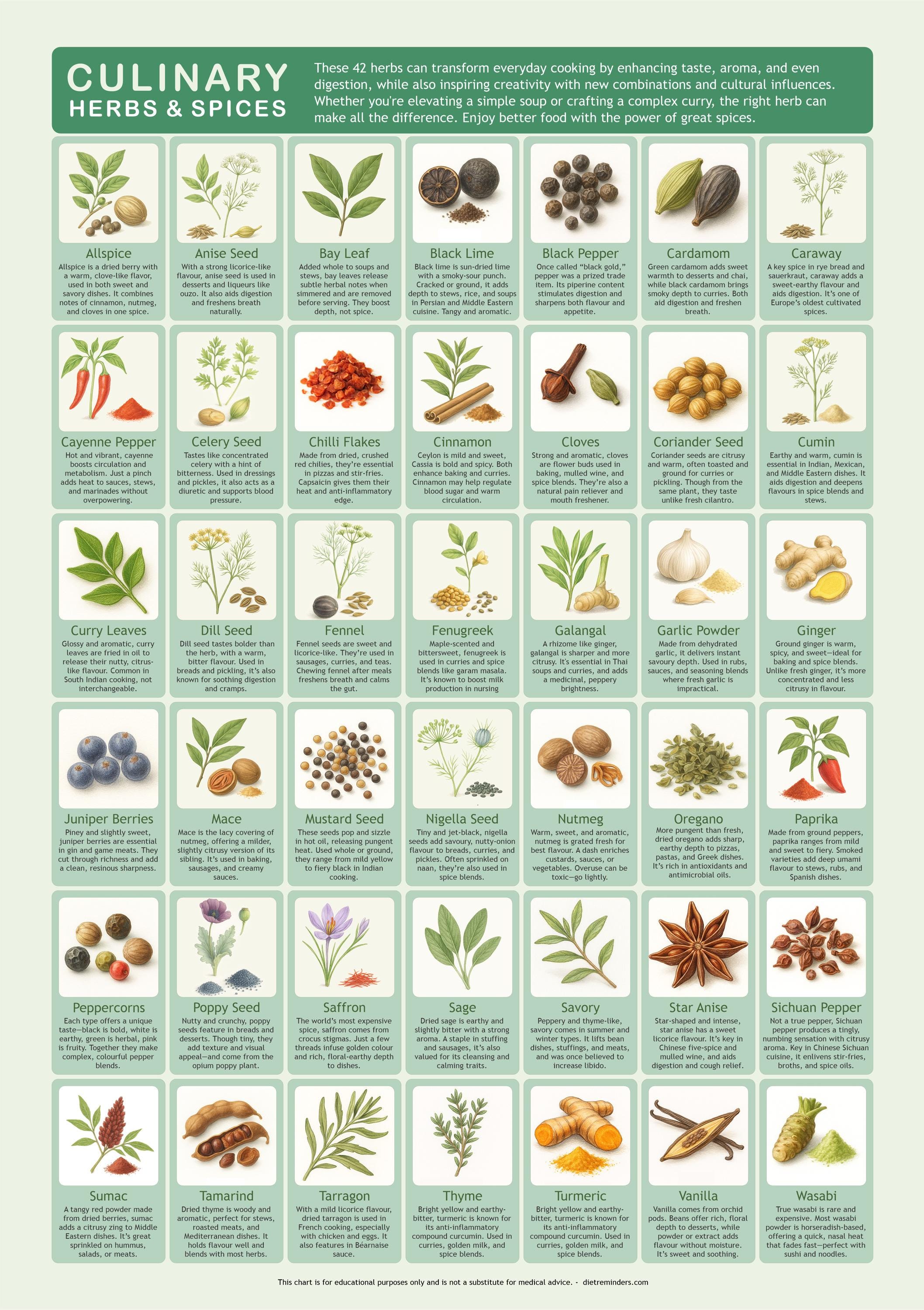
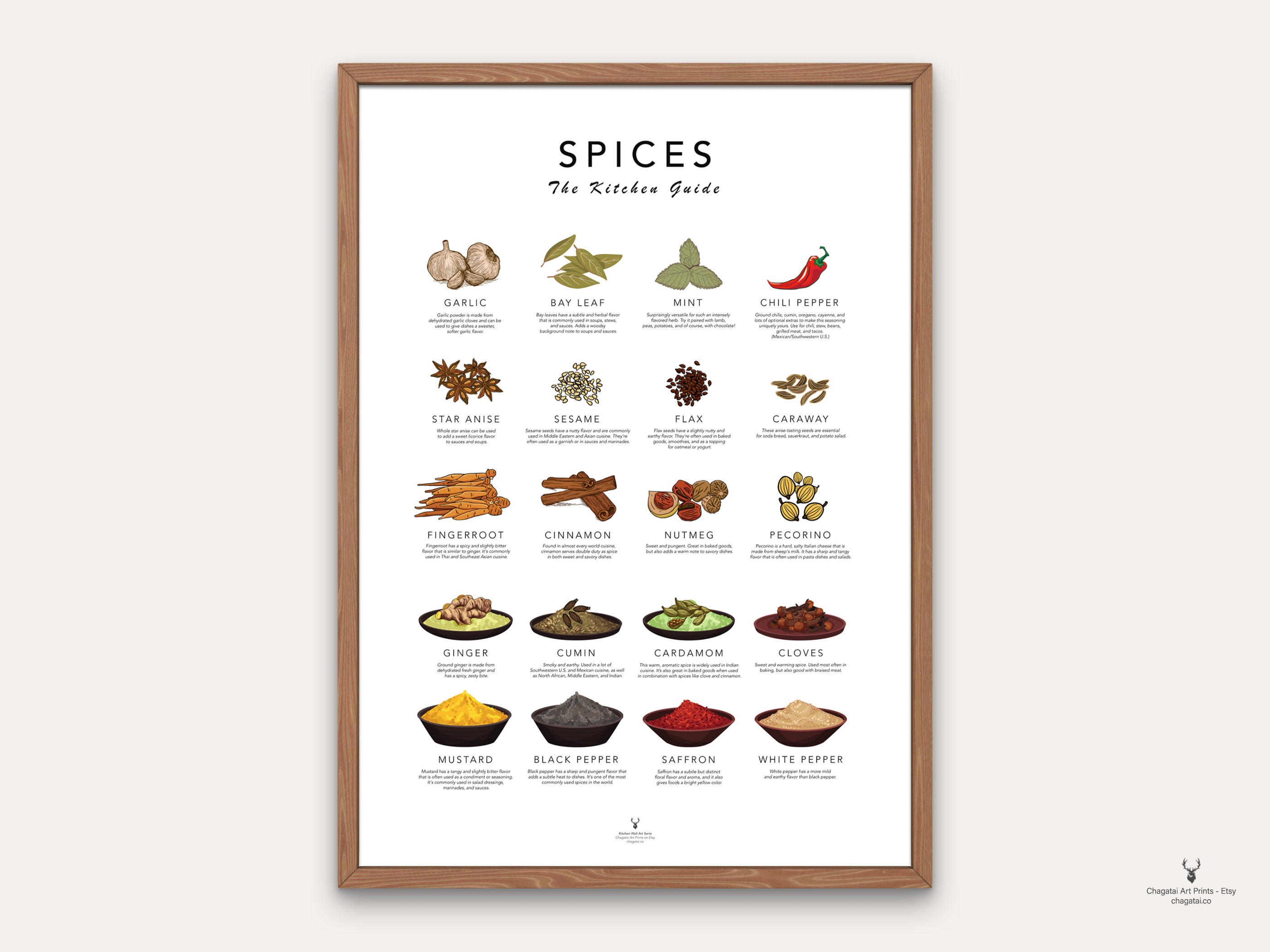
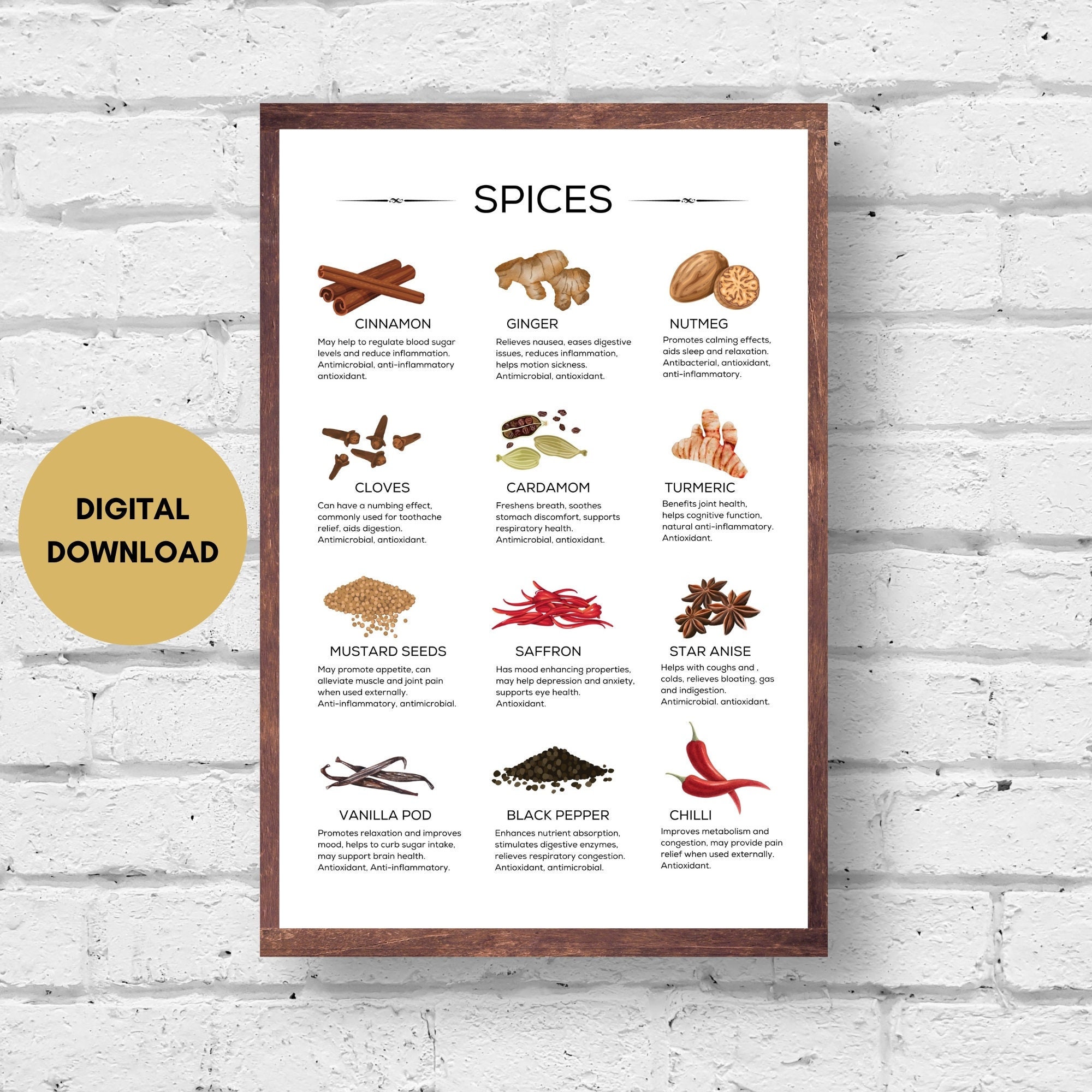
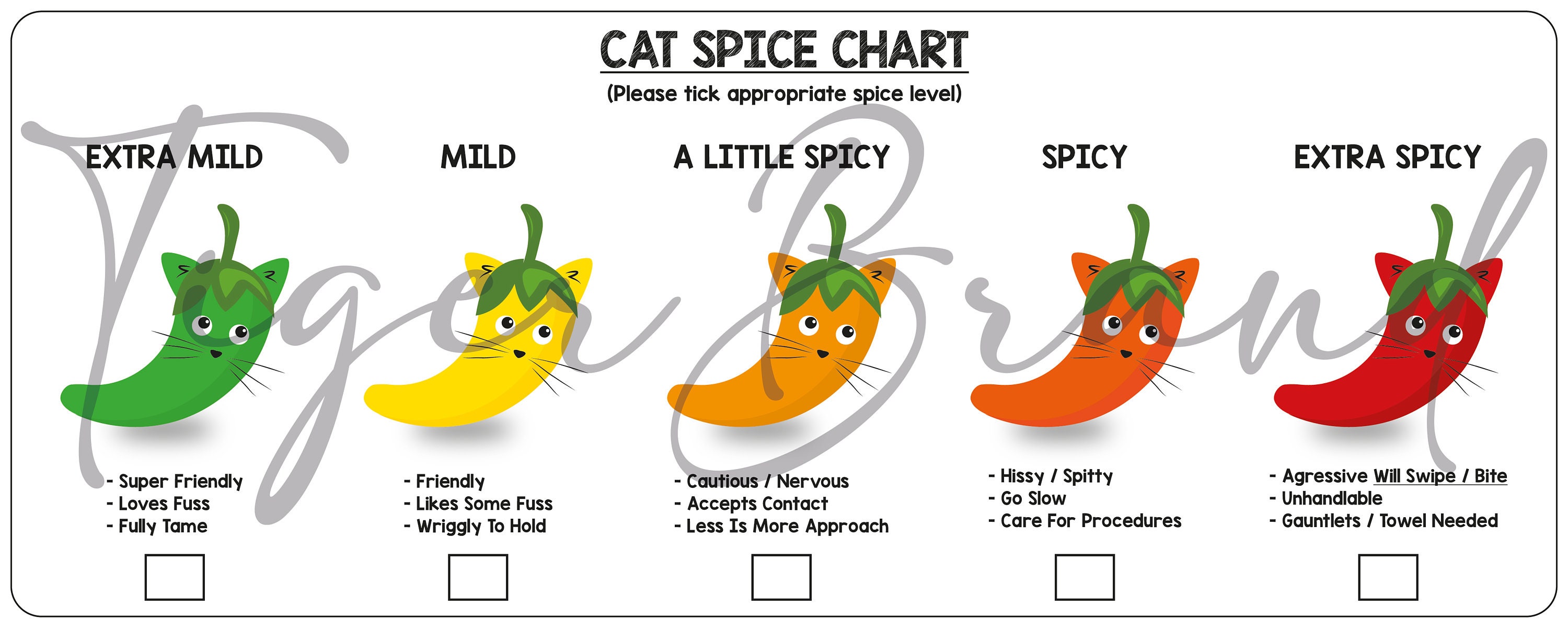
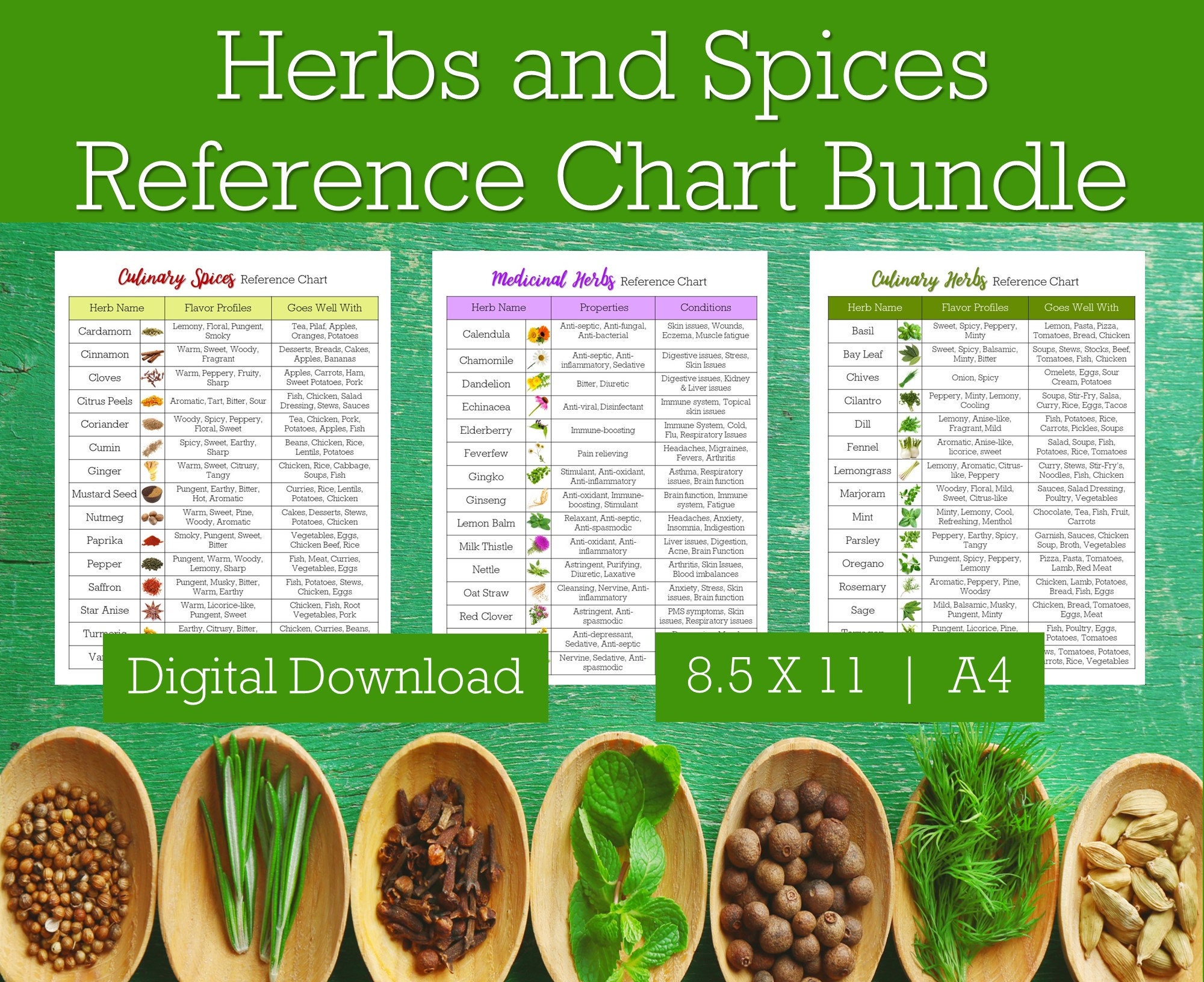
A spice chart is a handy reference tool for anyone who loves to cook or wants to explore the world of spices. The Spice T Chart is a visual guide that helps you understand the heat intensity and flavor profiles of various spices. It's like having a spice expert right in your kitchen!
Key Details and Categories
The Spice T Chart typically features a range of common spices, organized by their heat level and flavor characteristics. You'll find spices like chili peppers, paprika, cumin, and many more. Each spice is assigned a heat rating, often on a scale of 1 to 10 or using a simple heat indicator like mild, medium, or hot. Additionally, the chart provides a brief description of the spice's flavor, including its aroma and any unique qualities.
How to Read and Use the Spice T Chart
Using the Spice T Chart is a breeze! Here's a simple step-by-step guide:
Identify the Spice: Look for the spice you want to use or explore on the chart. It's usually listed by name or with a small illustration.
Check the Heat Rating: Locate the spice's position on the heat scale. This will give you an idea of how spicy it is. A higher number or a 'hot' indicator means a more intense heat level.
Explore Flavor Notes: Read the description provided for each spice. This will help you understand its unique flavor profile, including any dominant aromas or tastes.
Choose and Experiment: Now you can confidently select spices for your dish! Consider the heat level and flavor notes to create a balanced and delicious meal.
Variations and Differences
It's important to note that spice charts can vary depending on the source and intended audience. Different regions and cuisines may have their own spice preferences and intensity scales. For example, a chart designed for Indian cuisine might emphasize certain spices and heat levels that are less common in other cuisines. Always check the source and intended use of the Spice T Chart to ensure it aligns with your culinary goals.
Common Mistakes and How to Avoid Them
One common mistake is assuming that all chili peppers or spice blends will have the same heat level. In reality, even within a single type of chili pepper, there can be significant variations in heat intensity. Always refer to the specific heat rating on the Spice T Chart and consider trying a small amount first to gauge the spice's true heat. Additionally, be mindful of the freshness of your spices. Old spices may have lost some of their potency, so adjust the quantity accordingly.
Practical Tips for Accurate Results
To get the most out of your Spice T Chart, consider the following tips:
- Start with a small amount of spice and gradually increase to find the perfect balance.
- Fresh spices can have more intense flavors, so adjust your quantities if using fresh ingredients.
- Experiment with different spice blends to create unique flavor profiles.
- Keep your Spice T Chart handy in the kitchen for quick reference.
- If you're trying a new spice, research its traditional uses and cultural significance to understand its role in various dishes.
Remember, the Spice T Chart is a guide, and cooking with spices is an art. Have fun exploring the world of spices and creating delicious, flavorful dishes!
Well, there you have it! The spice t chart is a handy tool, and with these tips, you should feel confident using it. Remember, always check the specific guidelines or standards relevant to your project, as exact values may differ slightly.
This chart is a great reference, so be sure to keep it close by and bookmark this page for future use. Happy spicing!
Related: Jazz Depth Chart: A Comprehensive Guide
Frustrated by the lack of clarity on jazz depth charts? You're not alone. Many musicians and enthusiasts seek a straightforward guide to understanding these charts, which can vary in format and structure. The jazz depth chart is a valuable tool, offering a snapshot of a jazz ensemble's hierarchy and roles. It provides a quick reference, ensuring everyone knows their place and purpose within the band's dynamic. Whether it's a jazz band hierarchy or a big band organization, these charts are essential for smooth collaboration and performance.
Understanding the Jazz Depth Chart: A Practical Guide
A jazz depth chart is a visual representation, often in the form of a diagram or table, that outlines the typical hierarchy and structure of a jazz ensemble. It provides an overview of the instrumental roles, their relative importance, and the standard setup for a jazz band. This chart is an essential tool for musicians, composers, and arrangers, offering a quick reference for understanding the dynamics and organization of a jazz group.
Comparing Common Instrumentation and Formats
The jazz depth chart typically features a range of instruments, each with its designated position and role. Common categories include the rhythm section, which forms the backbone of the ensemble, and the front line, which takes the lead in improvisation. The rhythm section often includes piano, bass, drums, and sometimes guitar, while the front line can feature a variety of instruments like saxophone, trumpet, trombone, and vocals. The chart may also indicate the number of players per section, providing a standard framework for jazz band hierarchy.
Reading and Applying the Depth Chart: A Step-by-Step Guide
Start by familiarizing yourself with the chart's layout. Identify the different sections and their respective instruments. Look for any labels or legends that explain the symbols or abbreviations used.
Understand the relative importance of each instrument. The depth chart often uses a visual hierarchy, with larger or more prominent symbols representing key instruments or sections.
Consider the number of players suggested for each section. While this can vary, the chart provides a standard guide, ensuring a balanced and functional ensemble.
When arranging or composing for a jazz band, use the depth chart as a starting point. It offers a clear structure to build upon, ensuring a well-organized and harmonious performance.
Adapt the chart to your specific needs. While it provides a standard framework, jazz is an art form that encourages creativity and experimentation. Feel free to modify the setup to suit your musical vision.
Avoiding Common Misreadings and Pitfalls
One common mistake is assuming that the jazz depth chart is a rigid, unchangeable blueprint. While it provides a standard structure, jazz is a flexible genre, and variations are common. Always consider the specific context, the style of jazz being performed, and the unique talents of the musicians involved.
Another pitfall is neglecting to consider the dynamics and interplay between sections. The depth chart is a guide, but the true magic of jazz lies in the interaction and improvisation between musicians. Ensure your arrangements allow for this creative freedom.
Key Factors Affecting Accuracy and Real-World Use
The accuracy of a jazz depth chart can vary depending on the specific jazz style and regional influences. For instance, a big band setup may differ from a small jazz combo, and international variations may exist. Always consider the context and double-check specific requirements or tolerances when necessary.
Additionally, the chart's effectiveness relies on the skill and creativity of the musicians. While it provides a framework, the true essence of jazz comes from the unique interpretations and improvisational skills of the performers.
Adapting the Chart for Specific Needs and Formats
While the jazz depth chart offers a standard guide, it can be adapted to suit various formats and genres. For instance, a jazz fusion band may require additional electric instruments, or a Latin jazz ensemble might feature percussion instruments not typically found in a traditional jazz band.
When adapting the chart, consider the unique characteristics of the style you're working with. Ensure the adapted setup still maintains a balanced and harmonious ensemble, allowing for the creative interplay that defines jazz music.
Well, that's a wrap on our exploration of the jazz depth chart and its practical applications. We've covered a lot of ground, from understanding the basics to tailoring the chart to your unique needs.
Remember, when applying these concepts, it's essential to consider your specific context and requirements. Exact values and formats may vary, so always double-check what works best for your situation. Feel free to explore our other guides; we've got a range of topics that might interest you and provide further insights into the world of jazz and its many facets. Happy reading and, as always, keep that jazz spirit alive!
Related: How to Use a Bike Size Chart?
A bike size chart is a handy tool for any cyclist, offering a quick and easy way to find the perfect bike fit. This guide will walk you through the ins and outs of these charts, ensuring you know how to use them effectively. From frame size to wheel dimensions, we'll cover it all, so you can make an informed choice and enjoy a comfortable ride.
The Essential Guide to Bike Size Charts
A bike size chart is your go-to tool for finding the perfect bike fit. It's a simple yet powerful reference that ensures you get the right size bike for your body and riding style. These charts are designed to make the sizing process straightforward, but there are a few things to keep in mind to ensure an accurate fit.
Understanding the Options: Standards and Formats
Bike size charts can vary depending on the standard used. The most common are the imperial (inch) and metric (centimeter) systems, with the latter being more prevalent internationally. These charts typically cover various bike types, from road bikes to mountain bikes, and often include specific measurements like frame size, wheel size, and seat height.
Step-by-Step Guide to Using a Bike Size Chart
Using a bike size chart is straightforward, but precision is key. Here's a simple process to ensure you get the right size:
Identify the Standard: First, determine the standard used in the chart. This is usually indicated at the top or bottom of the chart. If you're unsure, check the manufacturer's website or ask a bike expert.
Measure Yourself: Take accurate measurements of your body. You'll need your height, inseam (the inner leg measurement from crotch to ankle), and sometimes arm length. These measurements will be crucial for finding the right frame size and overall bike fit.
Match Your Measurements: Refer to the chart and find the section that corresponds to your height and inseam. This will give you a starting point for frame size.
Consider Your Riding Style: Bike size charts often provide recommendations based on riding style. For example, if you're a casual rider, you might opt for a more upright position, while a racing enthusiast would lean towards a more aggressive, stretched-out position.
Adjust for Comfort: Once you have a frame size, consider making adjustments for comfort. This could mean tweaking the seat height or handlebar width to find your ideal riding position.
Common Misreadings and How to Avoid Them
While bike size charts are straightforward, there are a few potential pitfalls to avoid:
Misinterpreting Frame Size: Frame size is a critical measurement, but it's not always the only factor. Some charts provide a range of frame sizes for a given height, and you should choose the one that best suits your riding style and comfort.
Wheel Size: Don't confuse wheel size with frame size. Wheel size is an important consideration, especially for kids' bikes, but it's a separate measurement.
Sizing for Kids Bikes: When sizing bikes for children, always double-check the manufacturer's recommendations. Kids grow quickly, so it's essential to ensure the bike can accommodate their growth while still providing a safe and comfortable ride.
Regional Variations: Be mindful of regional differences. Some countries or regions may have slightly different sizing standards, so always check the chart's origin or consult a local bike expert if in doubt.
Hey there, bike enthusiasts! We hope this guide has helped you navigate the world of bike sizing with ease. Remember, when it comes to finding the perfect bike, it's all about getting the right fit for your body and riding style.
So, before you make that final decision, take a moment to review your specific needs and preferences. Double-check the measurements and consider any personal factors that might influence your choice. It's a simple step, but it ensures you end up with a bike that truly suits you.