

Photography Invoice Bill Overview
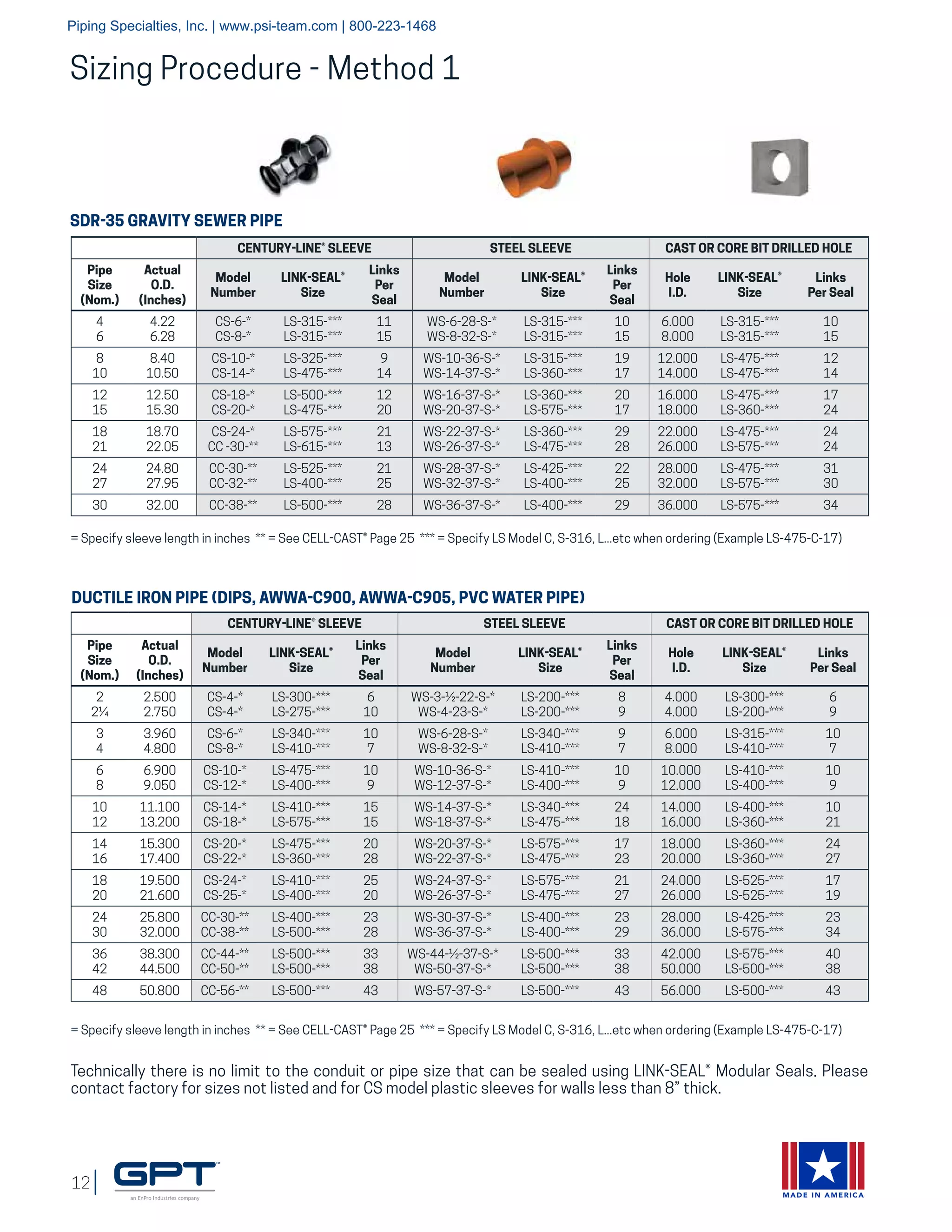
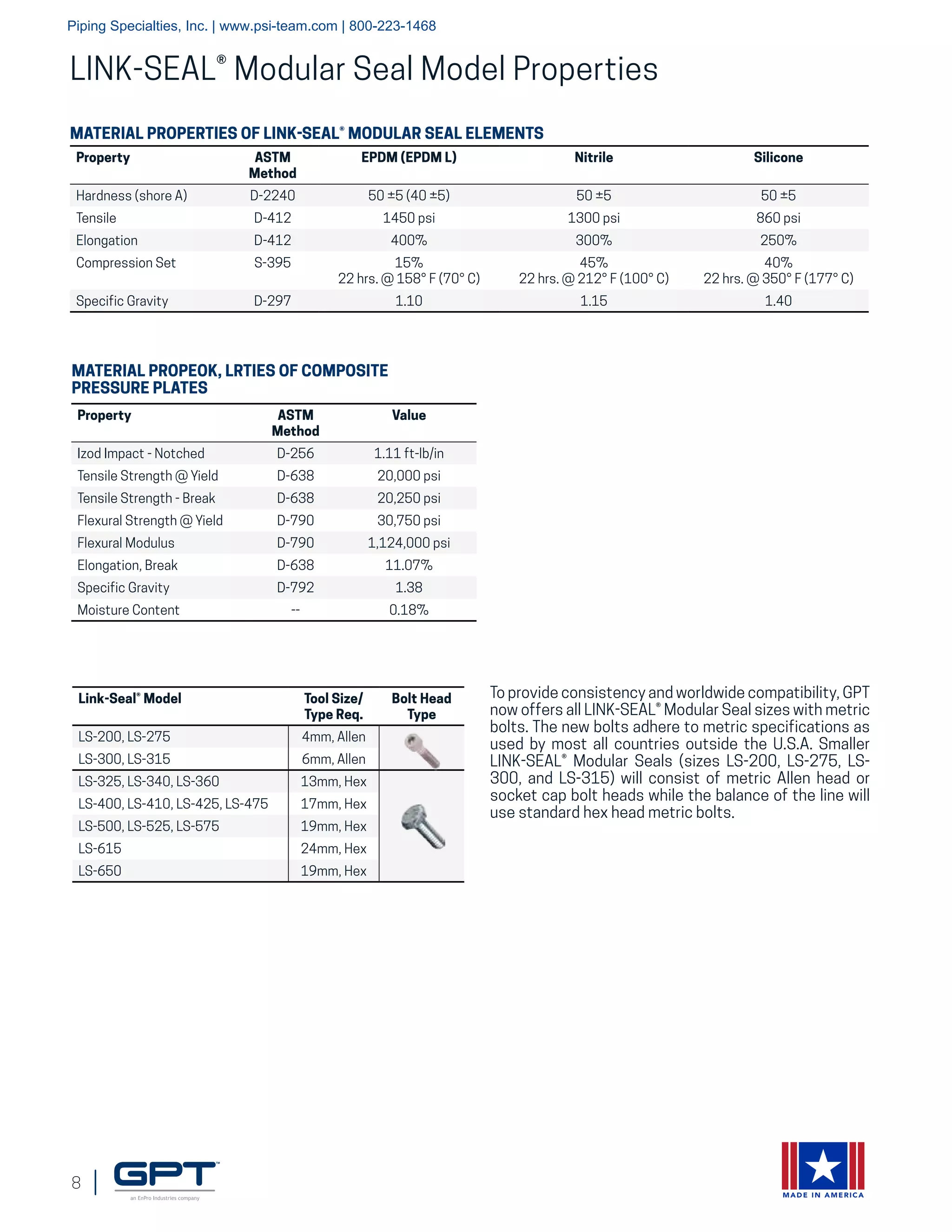
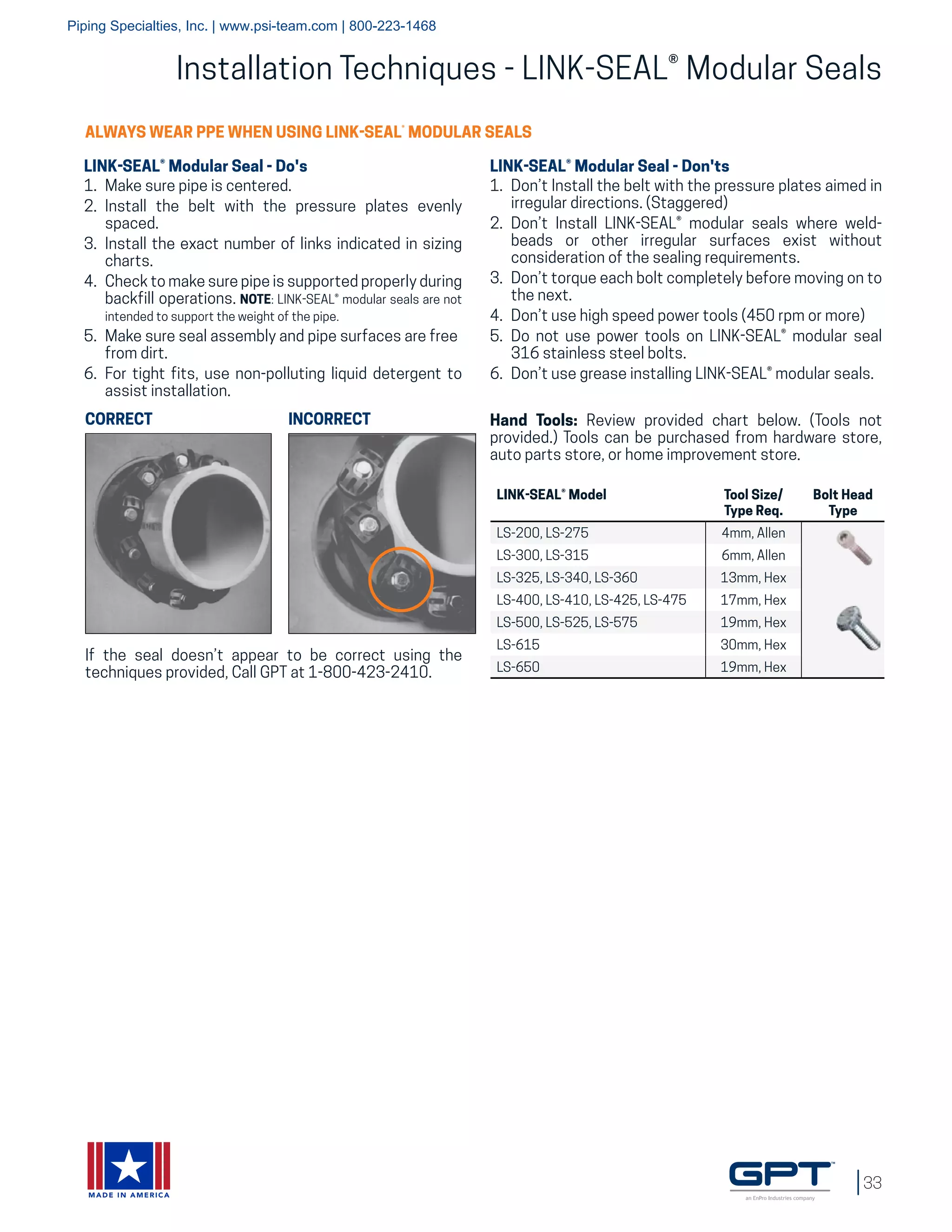
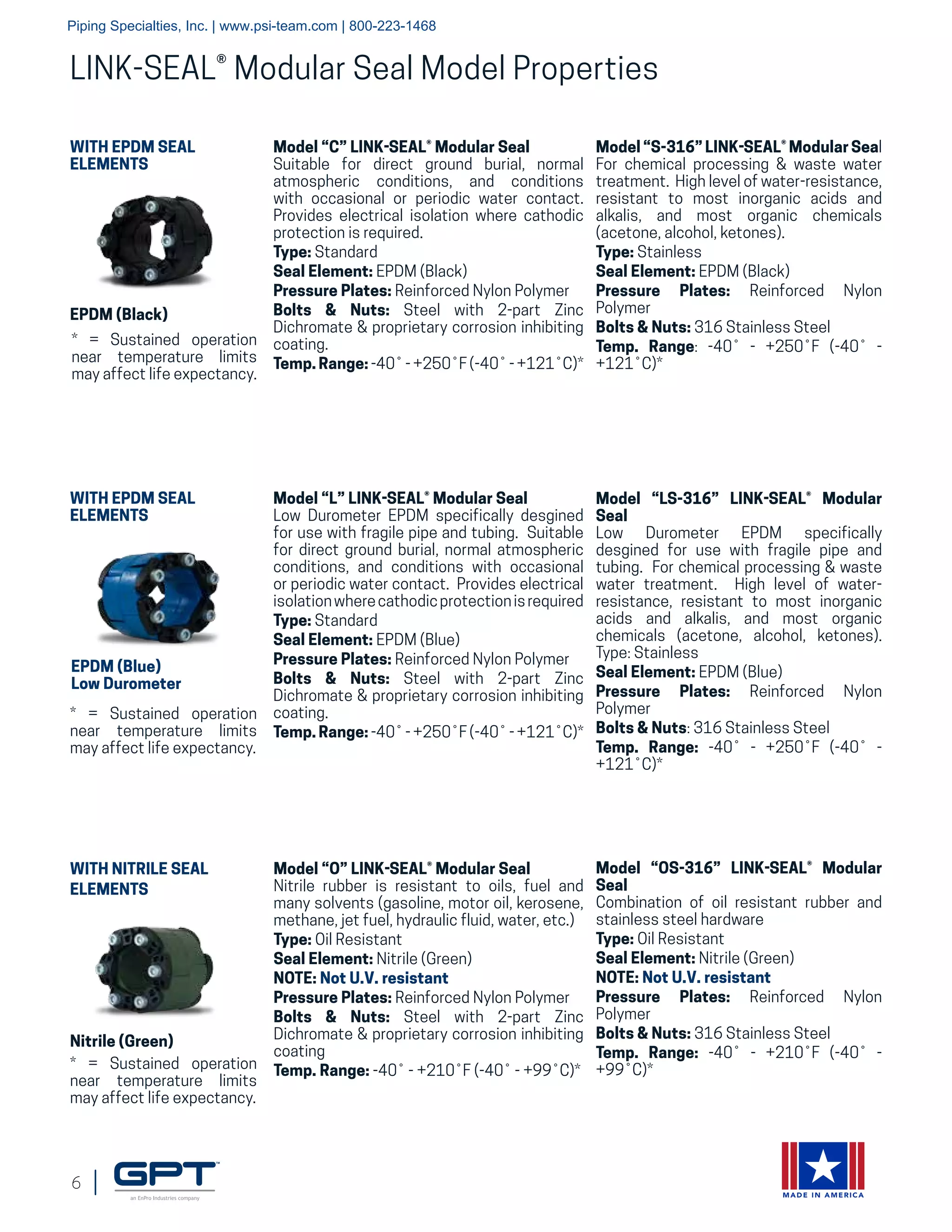
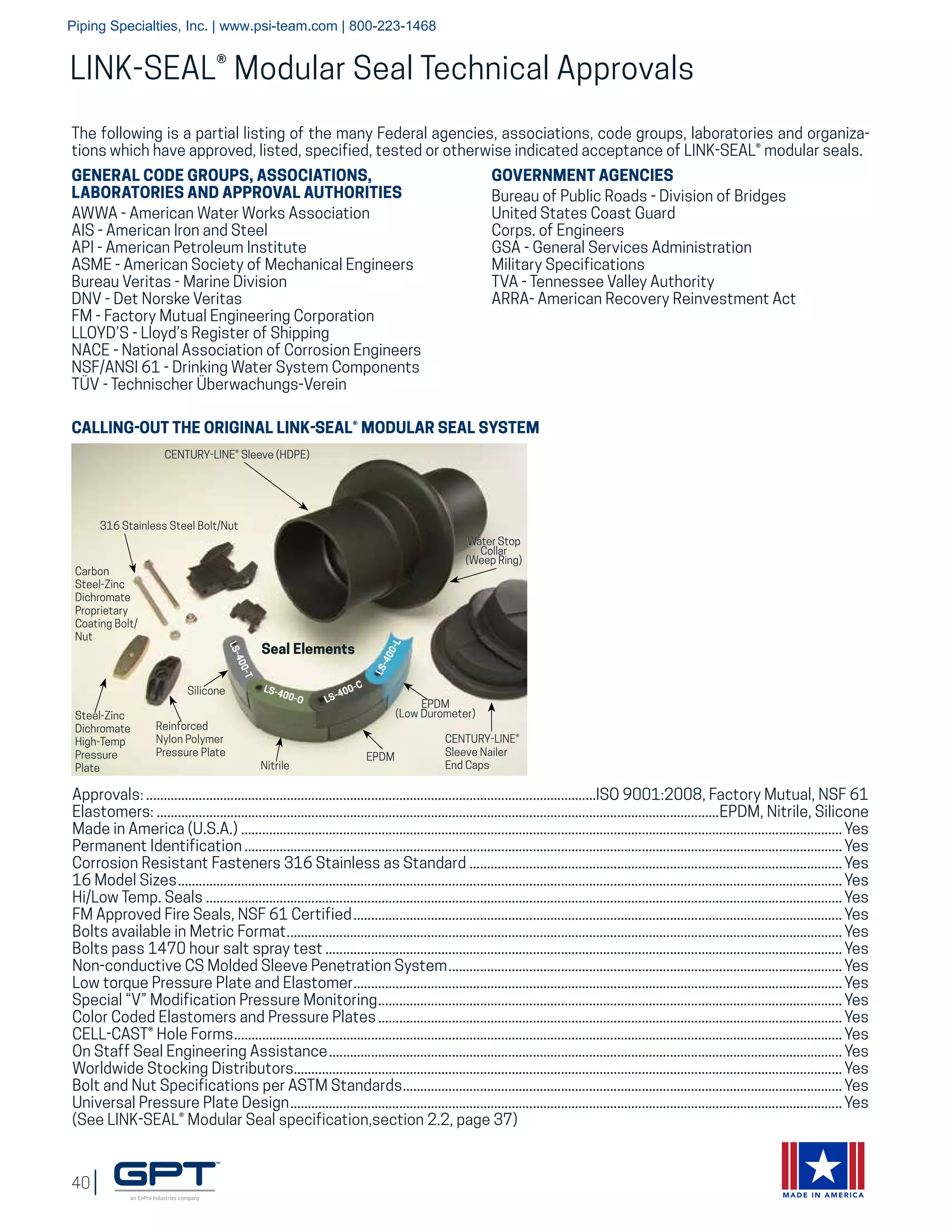
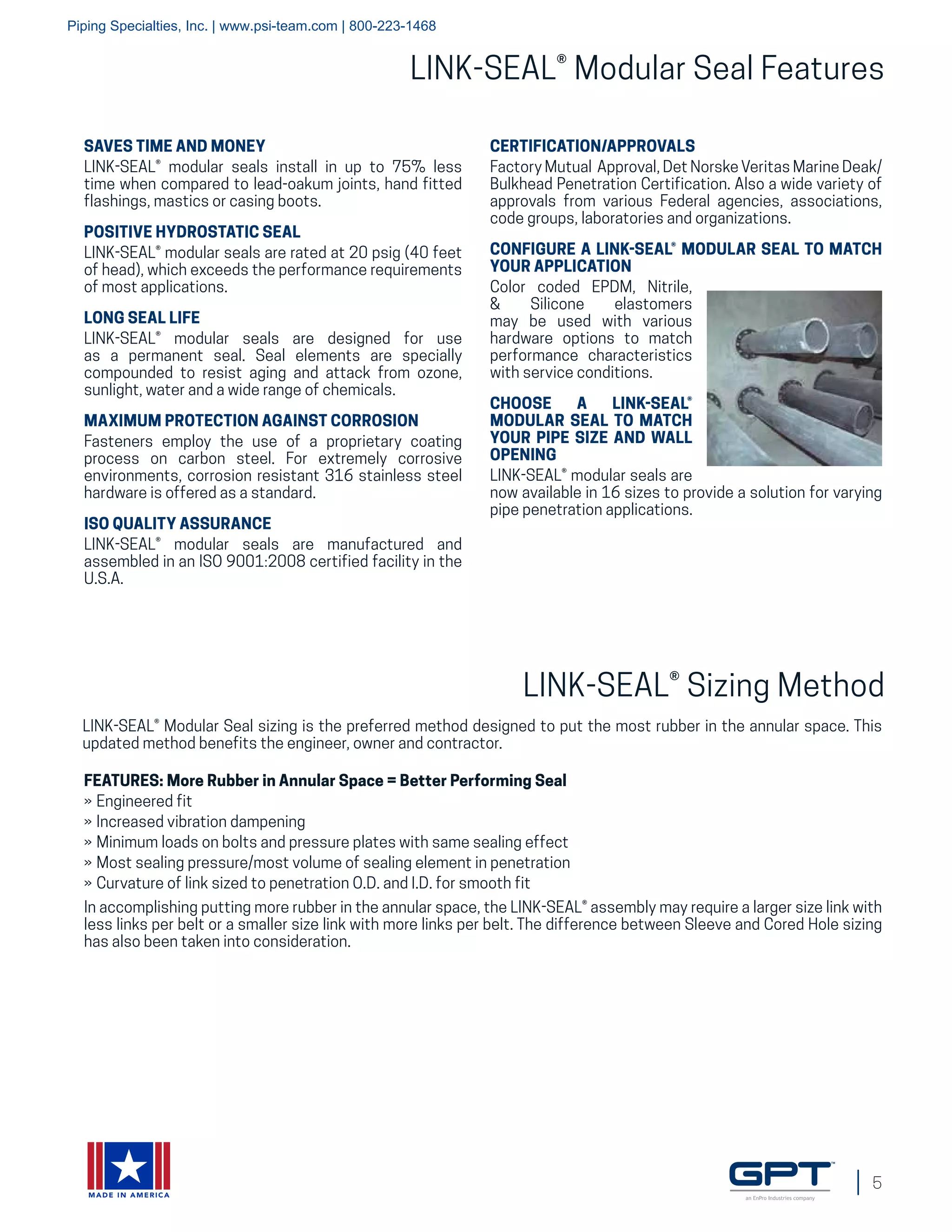
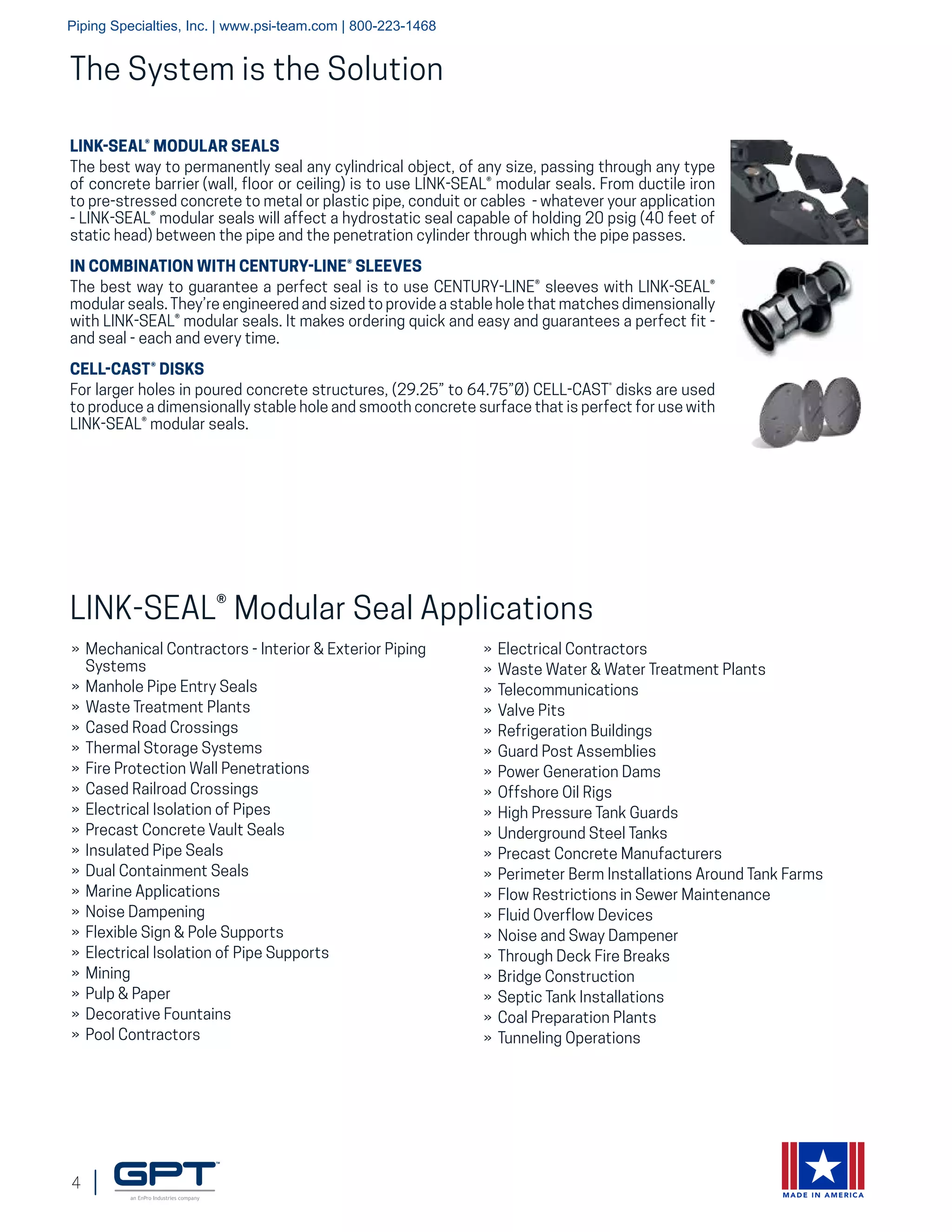
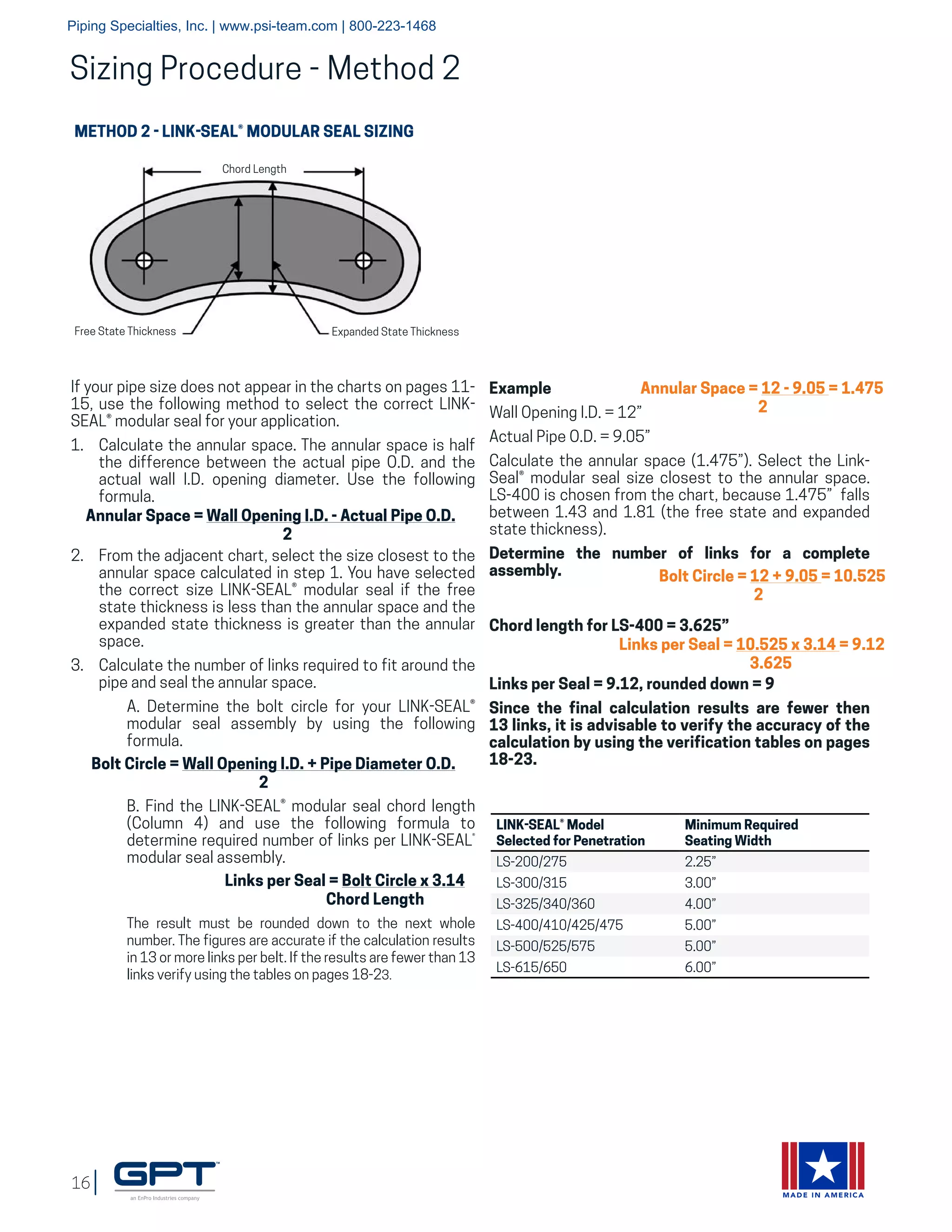
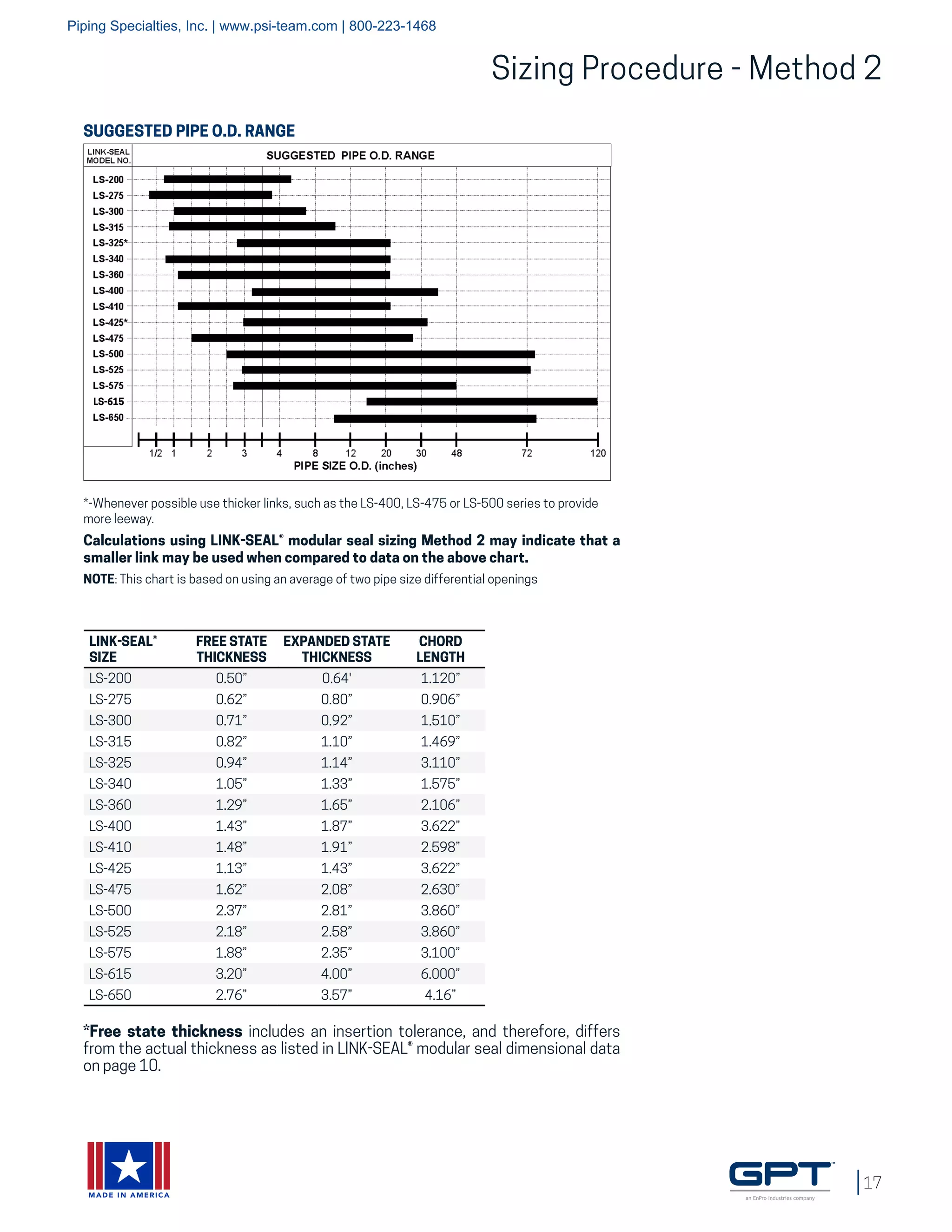
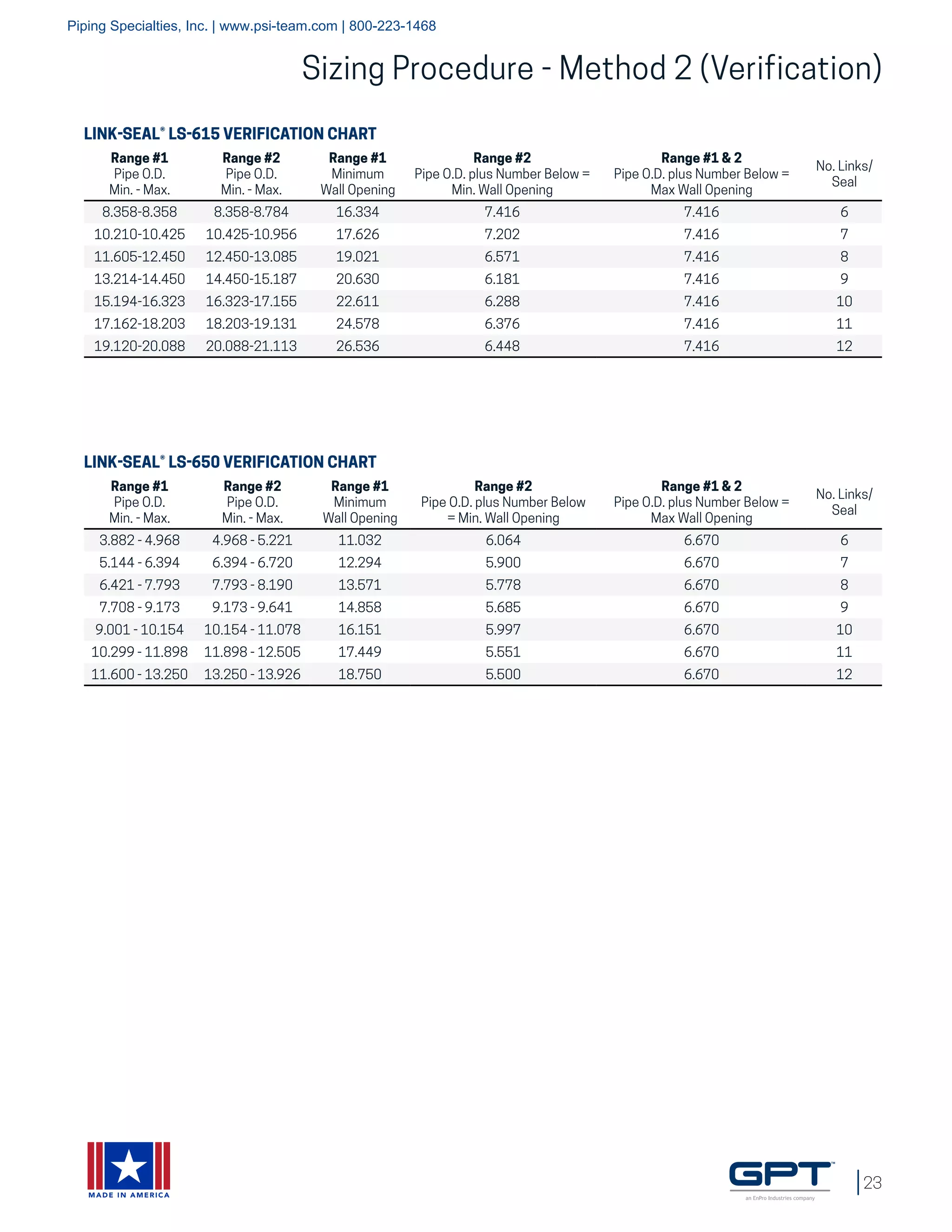
You're probably familiar with the link seal chart, a handy reference tool for anyone working with seals and their applications. It's a simple yet effective visual guide, offering a quick and reliable way to understand seal measurements and types. This chart, with its clear layout, provides an efficient solution for those seeking precise information without the need for extensive research. While the values and formats may vary depending on certain factors, the link seal chart serves as a valuable starting point, ensuring you have the right data at your fingertips.
Link Seal Chart: Unlocking the Secrets of Effective Sealing
The link seal chart is a valuable tool for anyone involved in construction, engineering, or industries requiring precise sealing solutions. This reference guide provides a clear understanding of the various seal types, their dimensions, and their applications. By using the link seal diagram, you can make informed decisions and ensure successful installations.
Key Measurements and Categories
The chart presents a comprehensive overview of standard link seal dimensions, offering a quick reference for professionals. It typically includes columns indicating the seal type, its size or diameter, and other relevant specifications. Common seal types, such as single, double, or triple-link seals, are categorized and measured in inches or millimeters, depending on the standard being used. Each seal type has its unique characteristics and is designed for specific purposes.
Understanding the Chart: A Step-by-Step Guide
Reading the link seal chart is straightforward. First, identify the seal type you require for your project. The chart will provide a range of options, each with its own set of dimensions. Pay close attention to the seal's diameter, as this is a critical measurement for proper installation. Additionally, the chart may offer insights into the seal's material, which is essential for compatibility and durability considerations.
Here's a simple step-by-step process:
- Identify the seal type needed.
- Locate the seal on the chart and note its diameter.
- Check the material and ensure it aligns with your project requirements.
- Cross-reference with industry standards or manufacturer specifications for any specific tolerances or additional details.
Seal Variations and Practical Tips
While the link seal chart provides a valuable framework, variations can occur due to industry standards, regional differences, and specific use cases. It's essential to be aware of these potential discrepancies. Here are some key factors to consider:
- Standard link seal dimensions may differ slightly between regions, so always double-check the relevant standards for your location.
- Manufacturer-specific charts might offer unique seal types or measurements, so refer to their guides for accurate information.
- Environmental factors, such as temperature and pressure, can influence seal performance, so choose seals suitable for your application.
Remember, the link seal chart is a practical tool, but it's essential to adapt and verify the information for your specific project needs. With this guide, you can confidently navigate the world of sealing solutions and ensure successful installations.
Hey there! I hope this link seal chart has been a helpful reference for you. Remember, while the basics remain consistent, the exact details can shift a little based on your specific context or the standards you're working with.
Feel free to keep this page bookmarked for future use. It's always handy to have a quick, reliable guide like this at your fingertips. You might also want to explore some of our other practical guides for more tips and tricks. Happy referencing!
Related: Unraveling the PSU Depth Chart
A psu depth chart is a handy tool for anyone working with power supplies, offering a clear overview of dimensions and sizes. This guide will cover the basics, helping you navigate and utilize these charts effectively.
The charts provide a simple visual reference, often including standard measurements and common sizes. While the exact values may vary depending on the power supply type and manufacturer, these charts serve as a reliable starting point for your projects.
Understanding the PSU Depth Chart
The power supply unit (PSU) depth chart is a valuable tool for anyone working with computer hardware or building custom PCs. It provides a visual representation of the standard dimensions and measurements of PSUs, offering a quick reference guide for selecting the right PSU for your needs.
Key Details and Categories
The PSU depth chart typically displays two key categories: physical dimensions and power output. Physical dimensions include length, width, and height, often measured in inches or centimeters. Power output is represented by wattage, a crucial factor in determining the PSU's ability to supply sufficient power to your system.
Reading PSU Specs Step by Step
- Start by identifying the type of PSU you're dealing with. Common types include ATX, SFX, and TFX, each with its own standard dimensions.
- Locate the PSU's physical dimensions on the chart. These are usually represented by a range of values, as PSUs can vary slightly in size within a given standard.
- Note the power output (wattage) range associated with the PSU type and size. This will help you choose a PSU with adequate power capacity for your components.
- Compare the PSU's dimensions and power output to your system's requirements. Ensure the PSU fits within your case and provides sufficient power for your hardware.
Variations Across Standards and Contexts
PSU depth charts can vary depending on the standard being used. For example, ATX PSUs have a standard depth of 140-160mm, while SFX PSUs are typically 125mm deep. It's essential to refer to the correct chart for your specific PSU type and standard. Additionally, some charts may include variations for modular or non-modular PSUs, so be sure to check for any relevant distinctions.
Common Mistakes and How to Avoid Them
One common mistake is assuming all PSUs within a standard have identical dimensions. While most PSUs adhere to standard dimensions, some manufacturers may produce slightly larger or smaller units. Always double-check the exact measurements of your chosen PSU to ensure a proper fit.
Practical Tips for Accurate Results
When using a PSU depth chart, always refer to the most recent version to account for any updates or changes in industry standards. Keep in mind that while the chart provides a valuable reference, it's essential to cross-reference the dimensions with the PSU manufacturer's specifications to ensure accuracy.
Handling Edge Cases and Exceptions
While the PSU depth chart is a valuable tool, it's not a one-size-fits-all solution. Some PSUs, particularly those designed for custom or unique cases, may have non-standard dimensions. In such cases, you'll need to refer to the manufacturer's specifications for precise measurements. Additionally, be aware of any special requirements or restrictions your case may have, such as limited space for cable management, which could impact your PSU choice.
Well, there you have it! You're now equipped with the knowledge to tackle the PSU depth chart like a pro. Remember, when dealing with technical stuff, it's always wise to check the specific requirements and context you're working with. No two situations are exactly the same, so double-checking ensures you're on the right track.
Feel free to bookmark this page for future reference. It's a handy guide to have on hand, and you never know when you might need a quick refresher on PSU depth charts!
Related: A Comprehensive Nail Length Chart Guide
Many people approach the nail length chart with some confusion, assuming it's a complex tool when it's actually a simple, handy reference. Rest assured, it's an easy-to-use guide!
The chart provides a clear visual representation of nail lengths, offering a quick way to measure and compare. While values may vary slightly depending on your region or the brand you use, the nail length chart remains a reliable tool for anyone seeking precision and consistency. Think of it as your go-to nail size chart or fingernail measurement guide!
Nail Length Chart: A Practical Guide
A nail length chart is a handy tool that provides a reference for various nail lengths, typically used in the beauty and fashion industries. It offers a visual representation of different nail sizes, helping you understand and communicate nail lengths effectively.
Understanding the Key Details
The chart usually displays nail lengths in two common units: inches and millimeters. You'll find categories like "Short," "Medium," and "Long," each with a range of values. For example, short nails might be 0.5 to 1 inch (or 12 to 25 mm), while long nails could be 1.5 to 2 inches (38 to 51 mm).
Reading the Chart and Measuring Nails
Here's a step-by-step guide to using the nail length chart:
- Identify the unit you prefer, whether it's inches or millimeters.
- Locate the category that best describes the nail length you want to measure or achieve.
- Within that category, find the specific length you need. For instance, if you want medium-length nails, you might aim for 1 inch (25 mm).
- Use a nail length gauge or a simple ruler to measure your nails against the chart's values.
Variations and Differences
It's important to note that nail length charts may vary depending on the standard or context. Different regions and industries might have slightly different measurements or categories. For instance, the US and international standards might have slight variations in the exact ranges for each category. Additionally, specific nail art or design trends can influence the definitions of nail lengths.
To ensure accuracy, always refer to the appropriate standard for your industry or region. If you're unsure, it's best to double-check the exact specifications or consult a professional. Remember, the chart provides a general guide, but precise measurements might require additional tools or expertise.
Hey there! I hope this nail length chart guide has been helpful. Remember, these measurements are a great starting point, but they can vary slightly depending on the context and your personal preferences.
It's always good to have a reference guide like this handy, so feel free to bookmark this page for future nail adventures! You'll find other practical guides on our blog too, so make sure to check them out for more tips and tricks. Happy measuring!