







Photography Invoice Description Overview
I've just finished a home project and was thinking about the next one. Media room renovation cost is something I'm curious about, as it's a big job and I want to get it right. I've heard it can be expensive, but I'm not sure what the typical costs are or how to plan for it. I need to know what to expect and how to make sure I get a good deal.
Understanding Media Room Renovation Costs
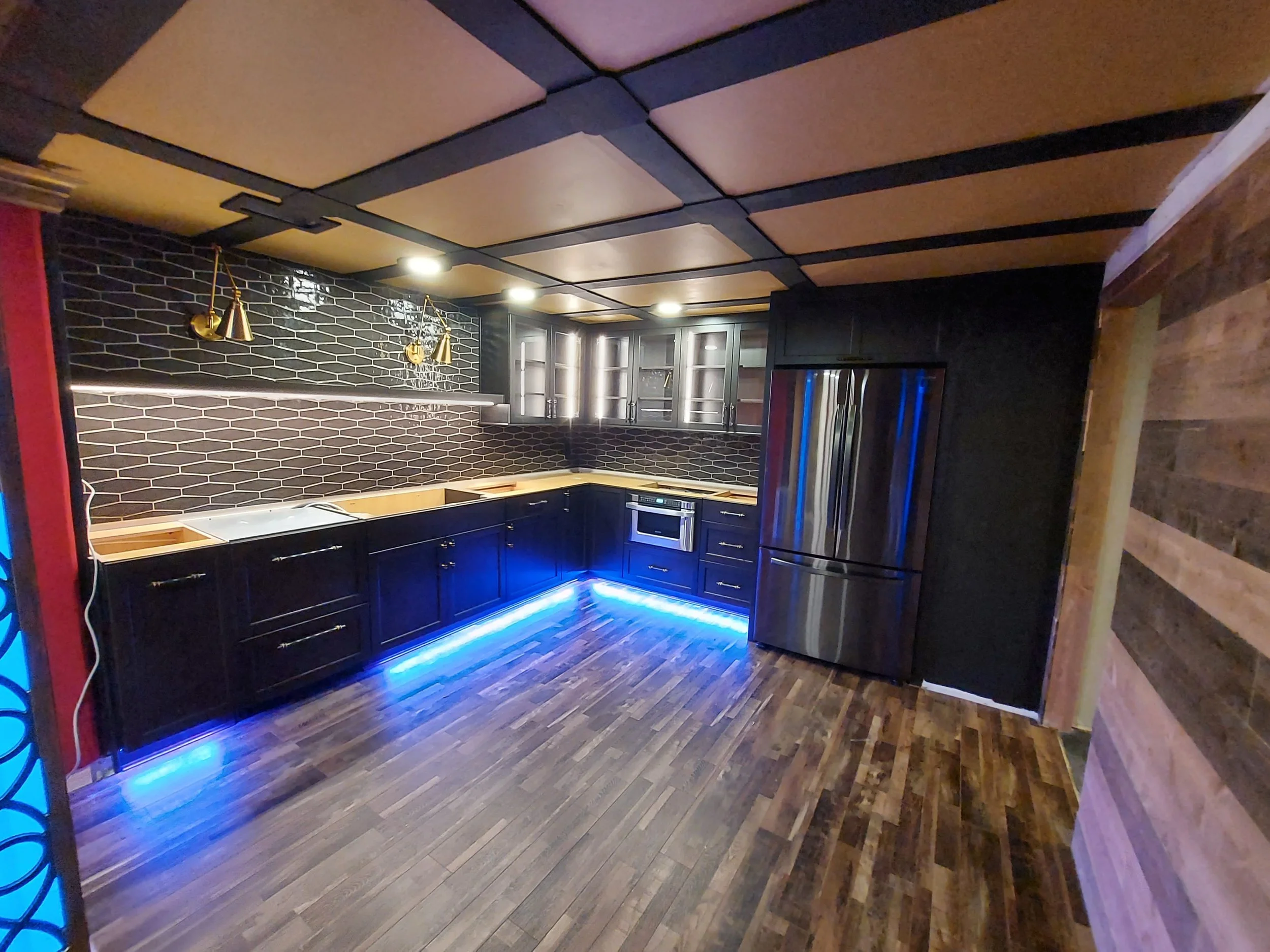
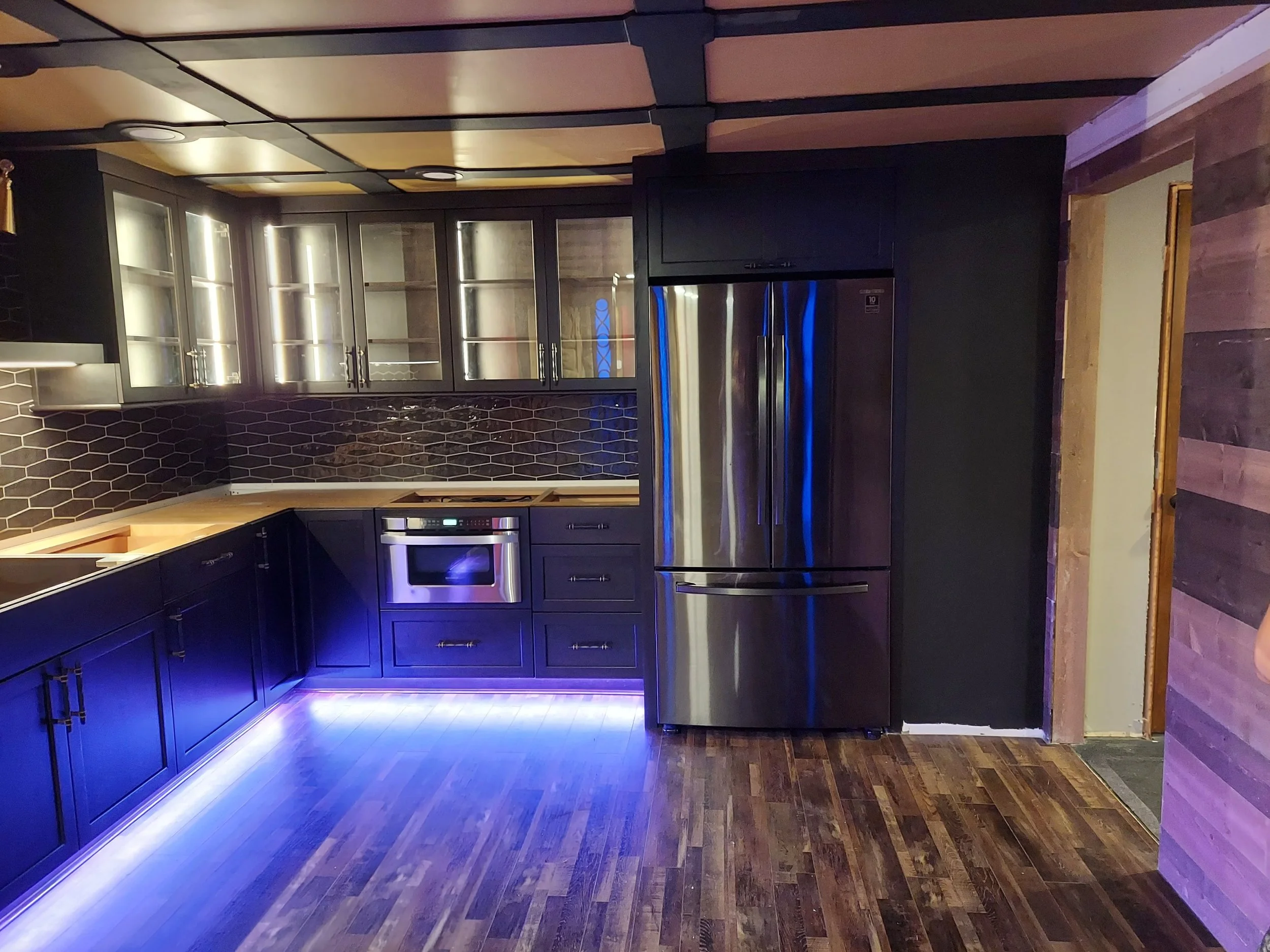
So, you're thinking about transforming your space into a media room haven? It's an exciting project, but media room renovation cost can be a big consideration. Let's break it down and explore what factors influence the price tag.
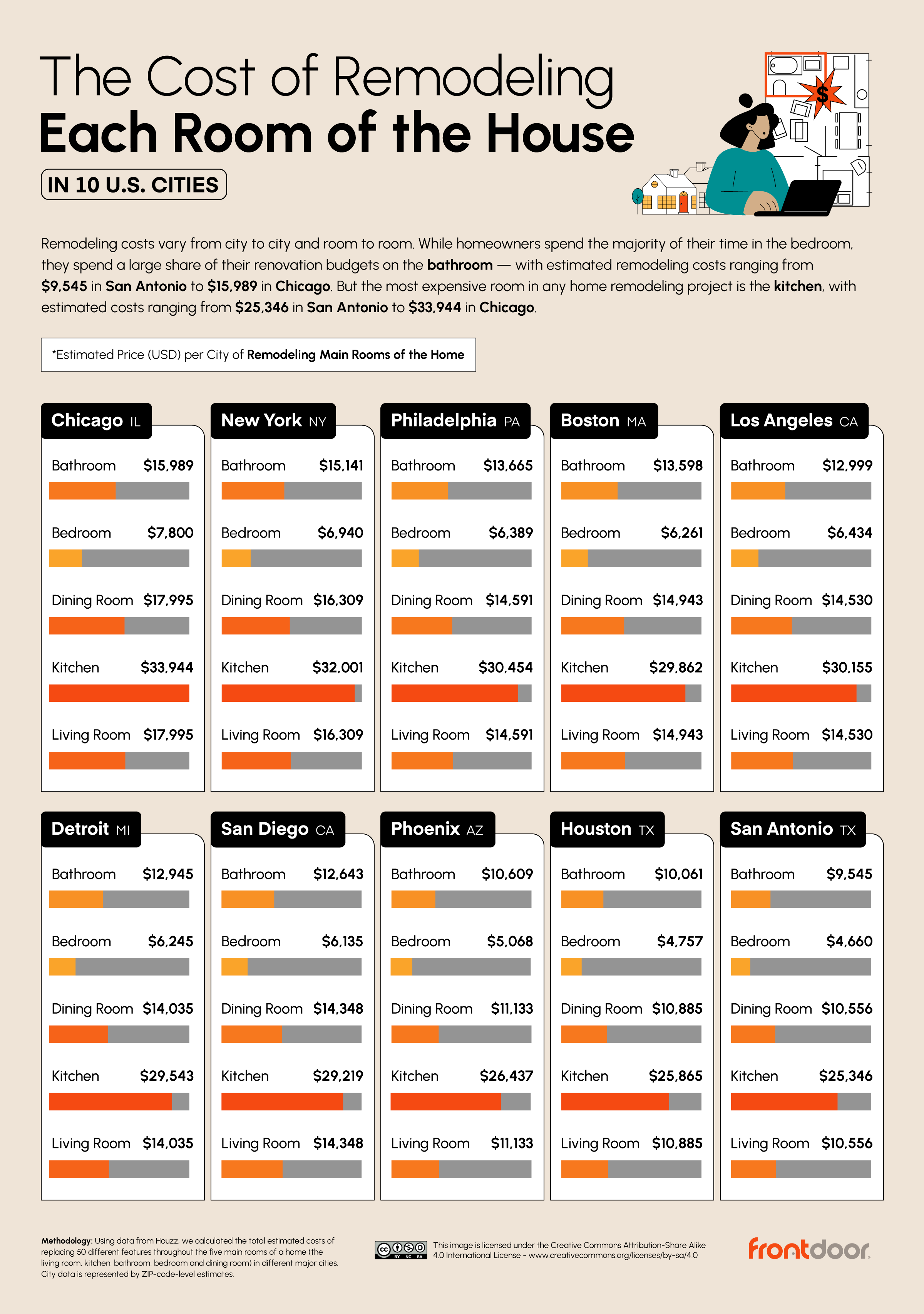
The cost of your media room renovation will depend on several key elements. Firstly, the size of the room and the scope of work required. Are you converting an existing space or starting from scratch? The more complex the design and the larger the room, the higher the cost will likely be.
Materials play a significant role too. From high-end audio-visual equipment to comfortable seating and stylish decor, the choices you make will impact the overall expense. It's a balance between your vision and your budget.
Labor costs are another crucial factor. Hiring skilled professionals to handle the electrical work, soundproofing, and installation of specialized equipment can add up. It's important to get quotes from reputable contractors to ensure a smooth and efficient renovation process.
Finding the Right Contractor
When it comes to hiring a contractor for your media room renovation, there are a few key things to consider. First, check their qualifications and experience. You want someone who specializes in home remodeling and has a proven track record. Ask for references and read reviews to get a sense of their work.
Get multiple quotes to compare prices and services. A good contractor will provide a detailed breakdown of costs, so you know exactly what you're paying for. Don't just go for the cheapest option; consider the value and quality of the work offered.
Construction Companies and Names
The construction industry is diverse, with companies of all sizes. When it comes to media room renovations, you'll likely be looking for a specialized home remodeling contractor. These companies focus on residential projects and can offer personalized services.
Choosing a name for your construction business is important. It should be memorable and reflect your brand. Some ideas could be:
- BuildCraft
- Home Innovation Group
- Remodel Pros
- Design & Build Co.
- The Renovators
- Modern Spaces
Remember to check name availability and secure the right domain and local registrations.
Industry Insights and Jobs
The construction industry offers a range of roles, from estimators who calculate costs to project managers overseeing renovations. These jobs are in demand and often involve working with various professionals.
As for salaries, they can vary based on experience and the company's size. Larger firms may offer competitive packages, while smaller businesses might provide a more personalized work environment. Job boards and industry-specific websites are great places to start your search.
Data and Tools for Estimating Costs
When it comes to estimating media room renovation cost, tools like RSMeans can be invaluable. These databases provide cost information for various construction projects, helping contractors and homeowners alike. They offer insights into material and labor expenses, ensuring accurate quotes.
For a media room renovation, you'll want to consider the cost escalation over time. This accounts for potential price increases due to market fluctuations and helps you budget effectively. It's a valuable tool for long-term planning.
Big Picture: Industry and Market
The construction industry is diverse, with a range of companies from small, family-run businesses to large corporations. Larger firms often have the resources for bigger projects and can offer competitive pricing. However, smaller companies might provide more personalized service and attention to detail.
The market outlook is an important consideration. Construction trends and economic factors can impact the industry. Staying informed about these changes can help you make smart decisions when planning your media room renovation.
Final Thoughts
Renovating a media room is an exciting project, and understanding the media room renovation cost is crucial. From materials to labor, there are many factors to consider. By researching and comparing quotes, you can make an informed decision and create your dream media room within your budget.
Related: Understand FSU Depth Chart: A Simple Guide
Many folks mistakenly assume that an fsu depth chart is only for die-hard fans or coaches, but it's actually a handy tool for any FSU football enthusiast. It's not as complex as it may seem; think of it as a simple map guiding you through the team's lineup.
This chart offers a quick snapshot of the players and their positions, providing an easy reference for understanding the game and following the action. Whether you're tracking the fsu football roster or just want a clear view of the starting lineup, the depth chart has you covered.
Understanding the FSU Depth Chart
The FSU depth chart is a valuable tool for any fan or follower of Florida State University football. It's a visual representation, often in the form of a table or diagram, that outlines the team's roster and player positions. This chart provides an overview of the depth and talent within the team, giving you a quick glimpse of who's on the squad and their roles.
Comparing Key Positions and Formats
When you look at an FSU depth chart, you'll notice columns representing different player positions, such as quarterback, running back, wide receiver, and so on. Each position has a starter and often multiple backup options listed in order of their depth. The chart may also include additional columns for key stats, like height, weight, and year in school, providing a quick reference for player attributes.
Reading and Interpreting the Chart
To read the FSU depth chart effectively, follow these steps:
Identify the position columns. These are usually labeled clearly, such as "QB" for quarterback or "RB" for running back.
Locate the starter for each position. They are typically listed first, often in bold or highlighted in some way.
Scan the backup options. These are usually listed in order of their depth, so the second player is the primary backup, the third is the secondary backup, and so on.
Take note of any special teams or utility players. These are often listed separately and may have unique roles or positions.
Compare players within positions. The chart can help you see how the starters and backups stack up against each other in terms of experience, size, and other attributes.
Common Misreadings and Pitfalls
It's important to remember that the FSU depth chart is a snapshot in time and can change rapidly. Here are some potential misreadings and how to avoid them:
Don't assume starters are set in stone. Coaches may rotate players or make changes based on performance, injuries, or strategy.
Be aware of injuries or suspensions. These can impact the depth chart significantly, so always check for the latest updates.
Understand the difference between game-day and practice depth charts. The latter may include more players and provide a broader view of the team's talent pool.
Factors Affecting Depth Chart Accuracy
The accuracy of the FSU depth chart can be influenced by several factors:
Player performance and development: As players improve or regress, their depth chart ranking may change.
Injuries and health: These can impact a player's availability and depth chart position.
Recruiting and transfers: New players joining the team can affect the depth chart, especially if they are highly ranked recruits or experienced transfers.
Coaching decisions: The coaching staff's strategies and preferences play a significant role in depth chart rankings.
Game performance: Strong or weak performances in games can influence a player's standing on the depth chart.
Remember, the FSU depth chart is a dynamic tool, and while it provides a great overview, it's always wise to stay updated with the latest news and analysis to fully understand the team's depth and talent.
Hey there! We've covered a lot of ground with the FSU depth chart, and it's great to have a solid understanding of this useful tool. Remember, while we've outlined the basics, the specifics might differ slightly based on your unique circumstances.
Don't forget to explore other guides on our site; there's a wealth of knowledge waiting to be discovered. It's always beneficial to expand your horizons and learn about different aspects of these charts and their applications. Happy reading and learning!
Related: Unravel the Rodent Poop Chart: A Simple Guide
Many people tend to overlook the importance of a rodent poop chart, assuming it's a trivial matter. However, this chart is a valuable tool with a simple yet effective purpose.
It offers a straightforward way to identify and understand rodent droppings, which can be crucial for various reasons. While the values and formats may vary depending on your region or specific needs, the rodent poop chart provides a reliable guide to help you make informed decisions and take appropriate actions.
Understanding the Rodent Poop Chart: A Practical Guide
The rodent poop chart is a handy tool for identifying and distinguishing between different types of rodent droppings. It provides a visual reference guide, often in the form of a chart or table, to help you accurately identify the type of rodent you may be dealing with based on their waste. This chart is particularly useful for pest control, wildlife enthusiasts, and anyone curious about the rodents in their environment.
Key Details and Categories
The rodent poop chart typically includes visual representations of various rodent droppings, often displayed as images or drawings. These visual aids show the size, shape, and color of the droppings, which are crucial for accurate identification. The chart may also provide additional information such as the average length and width of the droppings, helping to further narrow down the specific rodent species. It's important to note that while the chart offers a comprehensive guide, there can be slight variations in droppings due to factors like diet and environment.
Reading the Chart: A Step-by-Step Guide
To use the rodent poop chart effectively, follow these steps:
Observe the droppings you want to identify. Take note of their overall size, shape, and color. Are they long and thin, or more rounded? What shade of brown or black are they?
Compare your observations to the chart. Look for droppings that match or closely resemble the ones you found. Pay attention to the provided measurements and visual cues.
Consider the context. The chart may provide additional information, such as common habitats or dietary preferences, to help narrow down the species. For instance, if you find droppings in a rural area with access to grains, it could indicate a different rodent than if you found them in an urban setting with more varied food sources.
Confirm your findings. Once you've identified a potential match, double-check the species' characteristics and behavior to ensure a correct identification.
Variations and Differences: Why It Matters
While the rodent poop chart is a valuable resource, it's important to understand that droppings can vary due to various factors. Diet plays a significant role; a rodent's diet can affect the size and color of their droppings. Additionally, environmental conditions can impact droppings, as rodents in different habitats may have access to varying food sources. It's also worth noting that while the chart provides standard measurements, there can be slight variations between individuals of the same species. Therefore, it's essential to consider these factors when using the chart and to consult additional resources for a more accurate identification if needed.
Hey there, fellow rodent enthusiasts! We hope this guide has given you a clear understanding of the rodent poop chart and its practical uses. Remember, while the basics remain the same, exact details can differ slightly, so always refer to the most relevant and up-to-date sources for your specific needs.
If you're keen to explore more, why not check out our other guides on related topics? We've got a whole range of fun and informative content to keep you entertained and educated. Happy reading!