Photography Invoice Template Google Sheets Overview
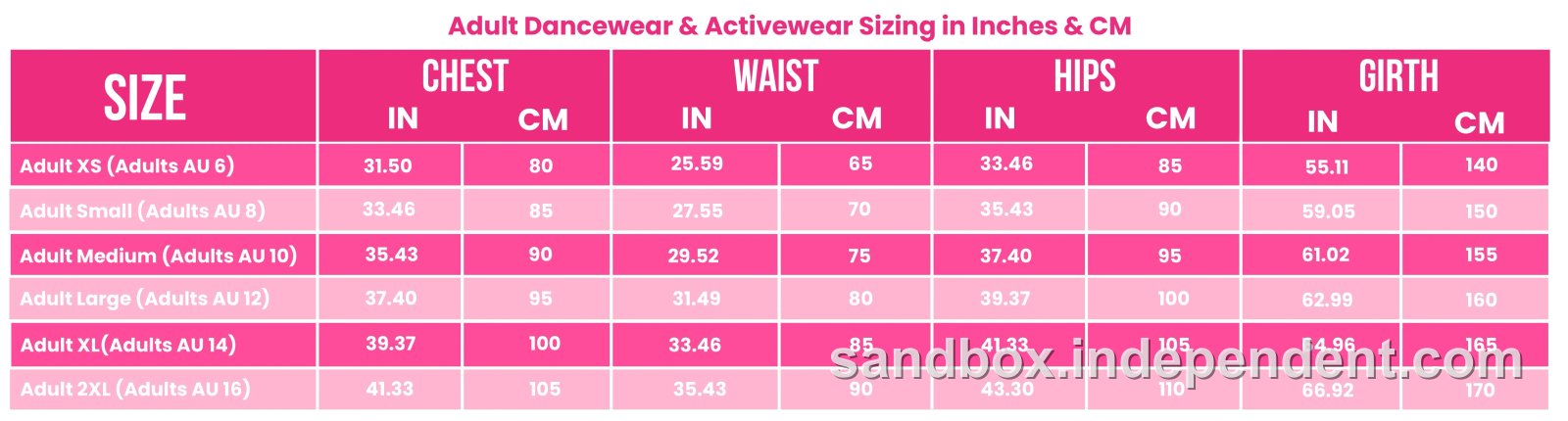
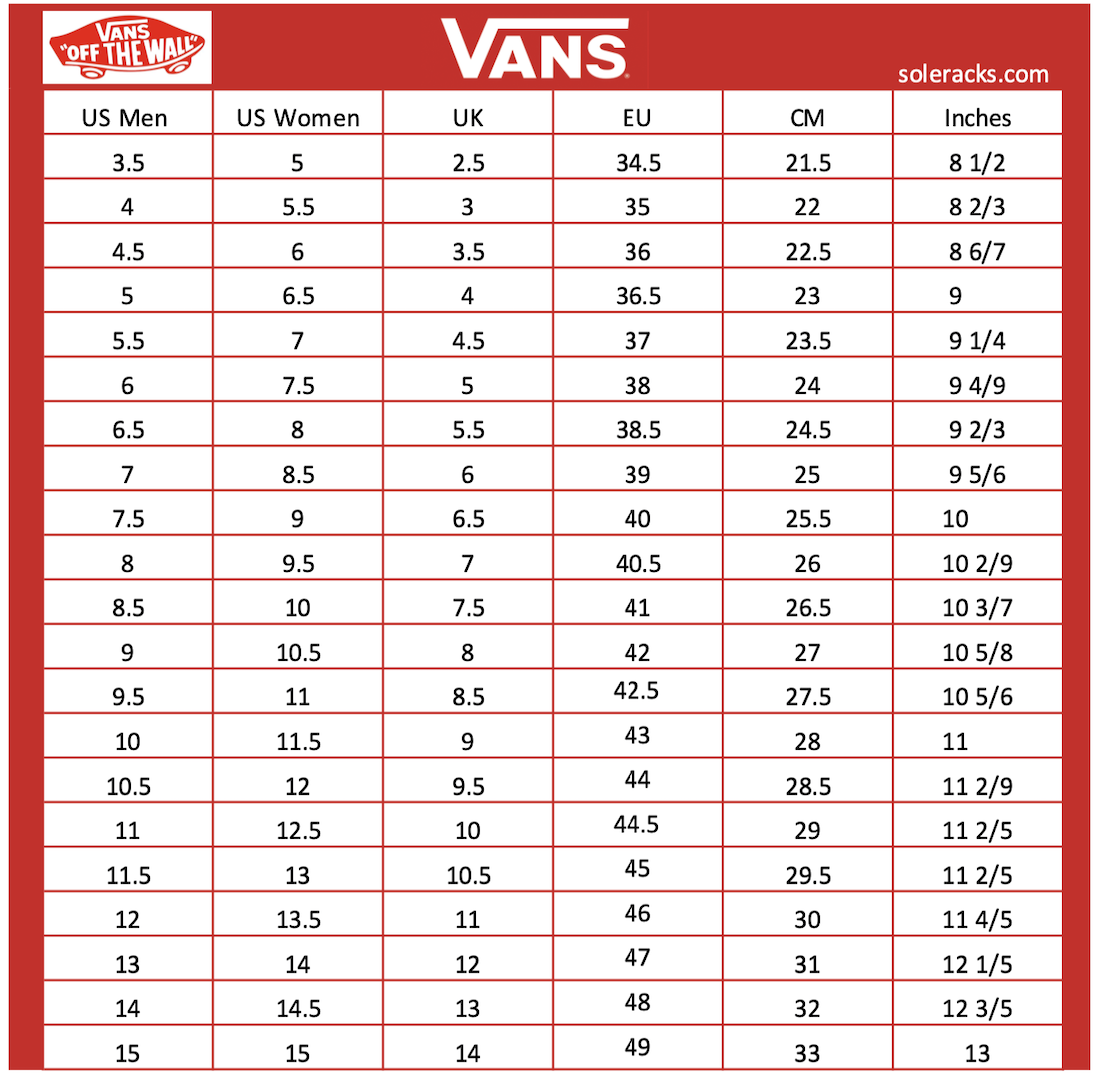
You're on a mission to find the perfect fit for your new Vans, and the Vans size chart is your trusty guide. It's a simple yet effective tool, offering a quick and reliable way to ensure you get the right size. This chart, a handy reference, provides an easy-to-read overview of men's and women's sizes, with length and width measurements to help you match your feet to the ideal pair. While the values may vary slightly depending on the style and region, the Vans size chart is a great starting point for an accurate fit.
Understanding Vans Size Chart
The Vans size chart is your go-to guide for finding the perfect fit for your favorite Vans sneakers. It's a handy tool that simplifies the sizing process, ensuring you get the right size for a comfortable and stylish stride.
Key Details and Categories
This chart provides a comprehensive breakdown of Vans shoe sizes, covering both men's and women's styles. The sizes are typically presented in US standard measurements, with length and width dimensions for each size. You'll find a clear table or diagram, making it easy to locate your ideal size.
Step-by-Step Guide to Reading the Chart
Here's a simple guide on how to navigate the Vans size chart:
- Identify your gender: The chart often separates men's and women's sizes, so start by locating the relevant section.
- Find your US size: Look for the column or row labeled with your US shoe size.
- Check the length and width: The chart will provide measurements for both length and width, ensuring a precise fit.
- Convert if needed: If you're more familiar with international sizes, use the conversion chart provided to find your equivalent US size.
- Choose your style: Different Vans styles might have slight variations, so ensure you're referring to the correct style guide.
Variations and Differences
It's important to note that shoe sizing can vary slightly between brands and even within the same brand for different styles. Vans, like many other shoe manufacturers, may have slight variations in their sizing charts to accommodate different foot shapes and preferences. These variations ensure a comfortable fit for a wide range of wearers.
Common Mistakes and How to Avoid Them
One common mistake is assuming that your Vans size will be the same as your regular shoe size. Always refer to the Vans shoe size chart specifically, as it may differ from other brands you wear. Another pitfall is neglecting to measure your foot properly. Ensure you follow the provided guidelines for accurate measurements.
Tips for Accurate Sizing
To ensure an accurate fit, consider these practical tips:
- Measure your foot regularly, especially if you're between sizes or notice any changes.
- Try on multiple sizes if possible, especially if you're new to Vans or have unique foot characteristics.
- Pay attention to the width measurements; a wide foot might require a different size than what you usually wear.
- Consider the style of Vans you prefer; some styles might fit slightly differently due to their design.
Double-Checking and Handling Exceptions
While the Vans size chart is a reliable guide, it's always a good idea to double-check the specific style and model you're interested in. Some Vans styles might have unique features or fit preferences, so referring to the detailed sizing guide for that particular style is recommended. Additionally, if you have unique foot characteristics, such as a wide or narrow foot, you may need to adjust your size accordingly. Always trust your comfort and fit preferences.
Well, there you have it! A comprehensive guide to understanding the Vans size chart. It's always best to be prepared and know your size, especially when it comes to finding the perfect fit.
Remember, while this guide provides a solid foundation, it's always wise to check the specific size chart for the style you're interested in. Vans, like many brands, may have slight variations, so double-checking ensures you get the right size for your feet. Happy shopping, and don't forget to explore our other helpful guides to enhance your shoe-buying experience!
Related: Need a Naples Tide Chart?
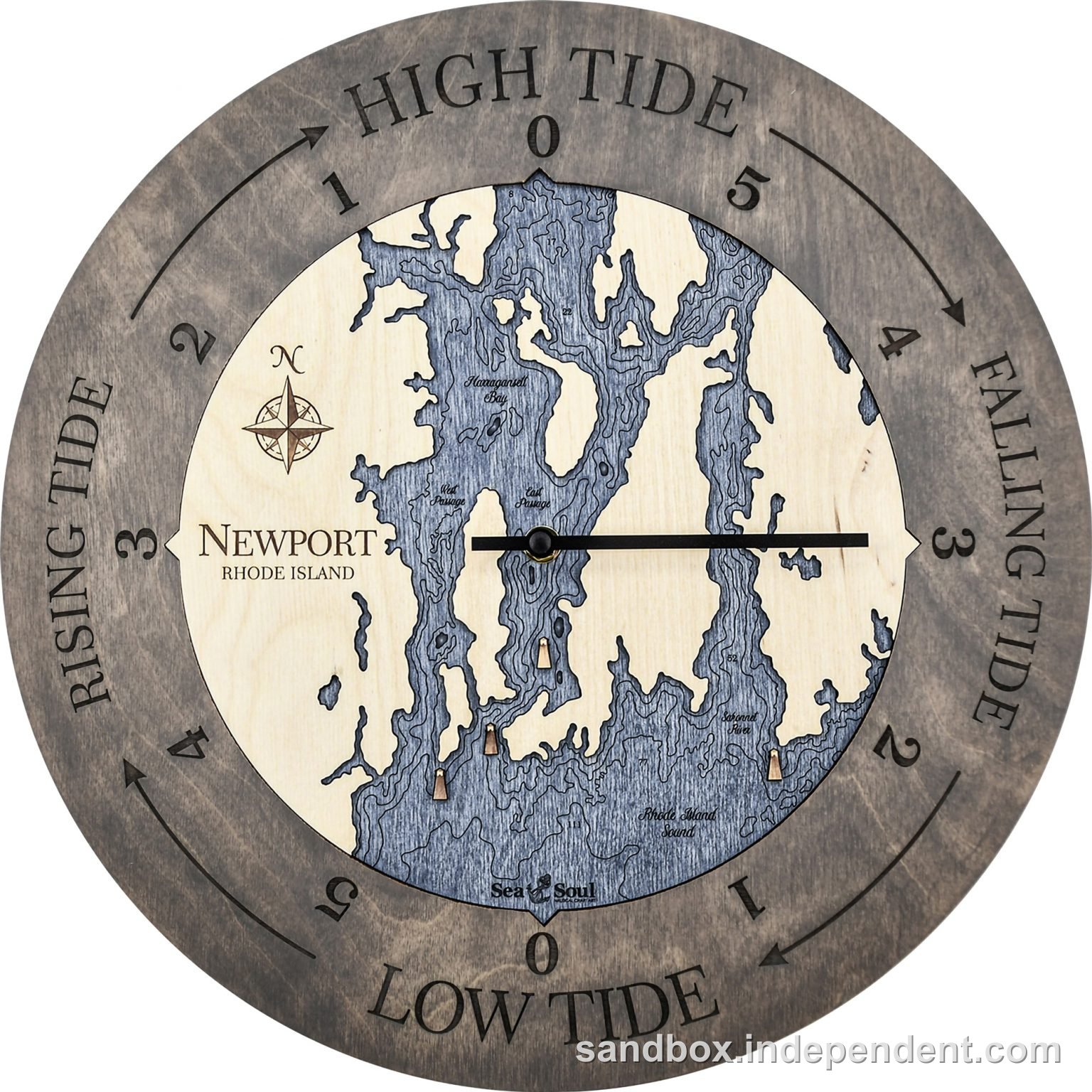
The Naples tide chart is your handy tool for understanding the tides in this beautiful Florida city. It's a simple yet powerful resource, offering a quick glimpse into the world of Naples' water levels.
This guide will show you how to read and interpret the chart, covering the basics of tide times, units, and patterns. You'll learn to navigate the chart's information, understanding the daily fluctuations and average tides of Naples Bay.
Understanding Naples Tide Heights
The naples tide chart is a valuable tool for anyone interested in the water levels of Naples Bay and the surrounding Florida Gulf area. It provides a visual representation of the predicted tide heights and helps you plan your activities, whether you're a boater, fisherman, or beachgoer. This chart is a handy reference to understand and predict the daily tide fluctuations.
Key Details and Categories
The naples tide chart typically displays tide data for a specific location, usually Naples Bay. It shows the predicted tide heights at different times throughout the day. You'll find columns indicating the time and the corresponding tide level. The tide levels are often represented in feet or meters, depending on the standard used. Common measurement units for tide charts are feet or meters, so you'll likely see values like 2.5 ft or 0.75 m.
Reading the Table and Practical Applications
To read the naples tide chart, simply match the time with the corresponding tide height. For instance, if you plan to go boating at 9 am, check the chart for that time and see the predicted tide level. Here's a step-by-step guide:
- Identify the time you're interested in.
- Locate the column with the corresponding time on the chart.
- Read the tide height value for that time.
- Use this information to plan your activities accordingly.
For example, if the tide is predicted to be high at your desired time, you might want to adjust your boating route or fishing spot to accommodate the water level.
Variations and Differences
It's important to note that tide charts are predictions and can vary due to several factors. Weather conditions, wind patterns, and even the position of the moon can influence actual tide levels. While the naples tide chart provides a reliable guide, it's always a good idea to double-check the real-time conditions, especially if you're planning critical activities like boating or fishing. Additionally, different regions and standards may have slightly different tide table units and formats, so ensure you're using the right chart for your specific location.
Well, there you have it! Understanding the Naples tide chart is a handy skill for any water-loving adventurer. Remember, the exact values may differ slightly, so always double-check the specific context and sources for your needs.
Consider bookmarking this page for future reference. It's a simple yet effective tool, and you never know when you might need to plan a tide-friendly adventure!
Related: Understand Boot Width Chart: A Simple Guide
A boot width chart is a valuable tool for anyone seeking precise fit and comfort in their footwear. This guide aims to demystify the chart's purpose and usage, offering a straightforward reference for your boot-buying journey.
The chart provides a standardized way to measure and compare boot widths, often using the "boot last width" or "foot girth" measurements. While values may vary depending on regional standards and brand specifications, understanding this chart is essential for achieving the perfect fit.
Understanding the Boot Width Chart: A Practical Guide
The boot width chart is a valuable tool for anyone seeking to find the perfect fit for their footwear, especially when it comes to boots. This chart provides a standardized way to understand and compare the width of different boots, ensuring a comfortable and secure fit. Let's delve into the details of this chart and how it can assist you in your footwear choices.
Comparing Boot Width Standards and Formats
Boot width charts typically follow specific standards and formats to ensure consistency. The most common standard is the boot last width, which refers to the width of the foot's shape used as a mold for boot construction. This width is measured at the ball of the foot, the widest part, and is a crucial reference point. The chart categorizes boot widths into different standard shoe width categories, such as narrow, medium, wide, and extra-wide, making it easier to find the right fit.
Step-by-Step Guide to Using the Boot Width Chart
Using the boot width chart is a straightforward process:
Measure your foot width: Use a reliable measuring tool or visit a footwear store where professionals can assist you. Measure the width of your foot at the ball, ensuring an accurate representation of your foot's girth.
Refer to the chart: Locate the standard shoe width category that matches your foot width measurement. The chart will provide a range of boot widths that are suitable for your foot.
Choose the right boot: With the width category in mind, browse through boot options. Look for boots labeled with the corresponding width or those that fall within the recommended range. This ensures a comfortable and secure fit, preventing issues like blisters or discomfort.
Consider personal preferences: While the chart provides a great starting point, personal comfort and style preferences also play a role. Some individuals may prefer a slightly looser or tighter fit, depending on their activities and foot shape.
Common Misreadings and How to Avoid Them
One common mistake is assuming that all boots within a standard shoe width category will fit identically. In reality, boot widths can vary slightly between brands and models. It's essential to try on boots and assess the fit personally, especially if you're between sizes or have unique foot characteristics. Additionally, remember that the boot width chart provides a general guide; individual foot shapes and preferences may require slight adjustments.
Factors Affecting Boot Width Accuracy
Several factors can influence the accuracy of the boot width chart and the overall fit of boots:
Foot shape: The natural shape of your foot, including its arch and instep, can impact the width required for a comfortable fit.
Brand and model variations: Different boot manufacturers and models may have slight variations in their width measurements, even within the same standard shoe width category.
Material and construction: The materials used and the boot's construction technique can affect the overall fit and stretchability of the boot.
Personal comfort preferences: While the chart provides a guide, individual comfort levels and preferences can vary, influencing the perceived fit.
Choosing the Right Boot Width Chart for Your Needs
When selecting a boot width chart, consider your specific requirements:
Region and standards: Ensure the chart follows the relevant standards for your region, whether it's the US or international metric standards.
Activity and purpose: Different activities, such as hiking, skiing, or casual wear, may require varying levels of comfort and support, influencing the width you choose.
Brand and model variations: Some brands may offer their width charts or provide specific width recommendations for their models. Refer to these charts for a more precise fit.
Maintaining Reliable Reference and Setup
To ensure consistent and accurate use of the boot width chart, consider the following:
Regularly update your foot measurements: As your feet may change over time, especially with age or weight fluctuations, it's beneficial to re-measure your foot width periodically.
Keep a record: Maintain a record of your foot measurements and the corresponding standard shoe width category. This record will help you quickly reference your size when shopping for boots.
Try on boots: While the chart is a great guide, always try on boots to ensure a comfortable fit. Trust your personal comfort and the feel of the boot on your foot.
By understanding and utilizing the boot width chart, you can make informed decisions when choosing boots, ensuring a perfect fit and a pleasant footwear experience. Remember, a well-fitted boot is key to comfort and performance, so take the time to find the right width for your unique feet.
Well, there you have it! A comprehensive guide to boot width charts, covering all the essential aspects. Remember, when it comes to practical tools like these, context is key. Ensure you consider your unique requirements and environment before making any final decisions.
Feel free to explore our other guides and resources; we've got a range of practical topics covered to help you on your path to becoming an expert. Happy reading, and here's to finding the perfect fit!