


Piano Chords Chart Template Overview
Finding the right grout color can be a tricky task, and that's where a grout color chart comes in handy. It's a simple yet effective tool, providing a quick reference to help you choose and match the perfect shade for your tiles. With various colors and shades available, this chart ensures you get it right, offering a visual guide to navigate the world of grout color options.
Grout Color Chart: A Practical Guide to Selecting the Right Shade
The grout color chart is a handy reference tool for anyone working with tiles and grout. It provides a visual guide to help you choose the perfect grout shade for your project, ensuring a cohesive and aesthetically pleasing result. This chart is a valuable resource for both professionals and DIY enthusiasts, offering a simple way to navigate the world of grout colors.
Key Details and Categories to Know
The grout color chart typically presents a range of grout shades, often organized in a grid or palette format. Each shade is assigned a name or code for easy reference. The chart may also include additional information such as the grout type, whether it's sanded or unsanded, and sometimes even the manufacturer's brand. It's important to note that the specific categories and details can vary depending on the standard or brand you're using.
Step-by-Step Guide to Reading and Using the Chart
Using the grout color chart is straightforward. First, identify the type of grout you need - sanded or unsanded - as this will narrow down your options. Then, assess the color options available for your chosen grout type. The chart will provide a visual representation of the shades, allowing you to compare and contrast. You can also refer to the color names or codes to find the perfect match for your tiles. Once you've selected your preferred shade, simply note down the corresponding code or name to ensure you get the right grout product.
Understanding Variations and Differences
Variations in grout color charts can occur due to several factors. Different manufacturers may have their own unique color palettes, so it's essential to refer to the specific brand's chart for accurate results. Additionally, the lighting conditions and surface materials can affect how grout colors appear. It's always a good idea to view grout samples in the intended lighting and against the actual tile surface to get a true representation of the shade.
Common Mistakes and How to Avoid Them
One common mistake is relying solely on the chart without considering the actual grout sample. Always request a physical sample or visit a store to see the grout in person. Another pitfall is not accounting for lighting differences. Grout colors can appear differently under various lighting conditions, so ensure you view samples in the intended lighting environment. Lastly, be mindful of the grout type - sanded vs. unsanded - as using the wrong type can affect the final outcome.
Practical Tips for Accurate Results
To ensure you achieve the desired grout color, consider these tips. Firstly, obtain multiple samples of your chosen shade to account for any variations in lighting and surface conditions. Secondly, compare the samples side by side with your tiles to ensure a harmonious match. Thirdly, if you're working with a large area, it's advisable to purchase grout from the same batch to minimize color variations. Lastly, don't be afraid to seek advice from professionals or experienced DIYers who can offer valuable insights and recommendations.
By following these guidelines and utilizing the grout color chart effectively, you'll be able to select the perfect grout shade for your project, adding the finishing touch to your tiled space. Remember, the right grout color can enhance the overall aesthetic and create a seamless, polished look.
Well, there you have it! Grout color charts are a handy tool to have in your toolkit, and while the basics are covered here, it's always worth exploring the specific details for your project. Exact colors and shades can vary, so it's a good idea to double-check and ensure you're using the right references.
Don't forget to explore our other guides for more practical tips and tricks. We've got a whole range of topics to help you with your home improvement projects, so feel free to browse and discover more!
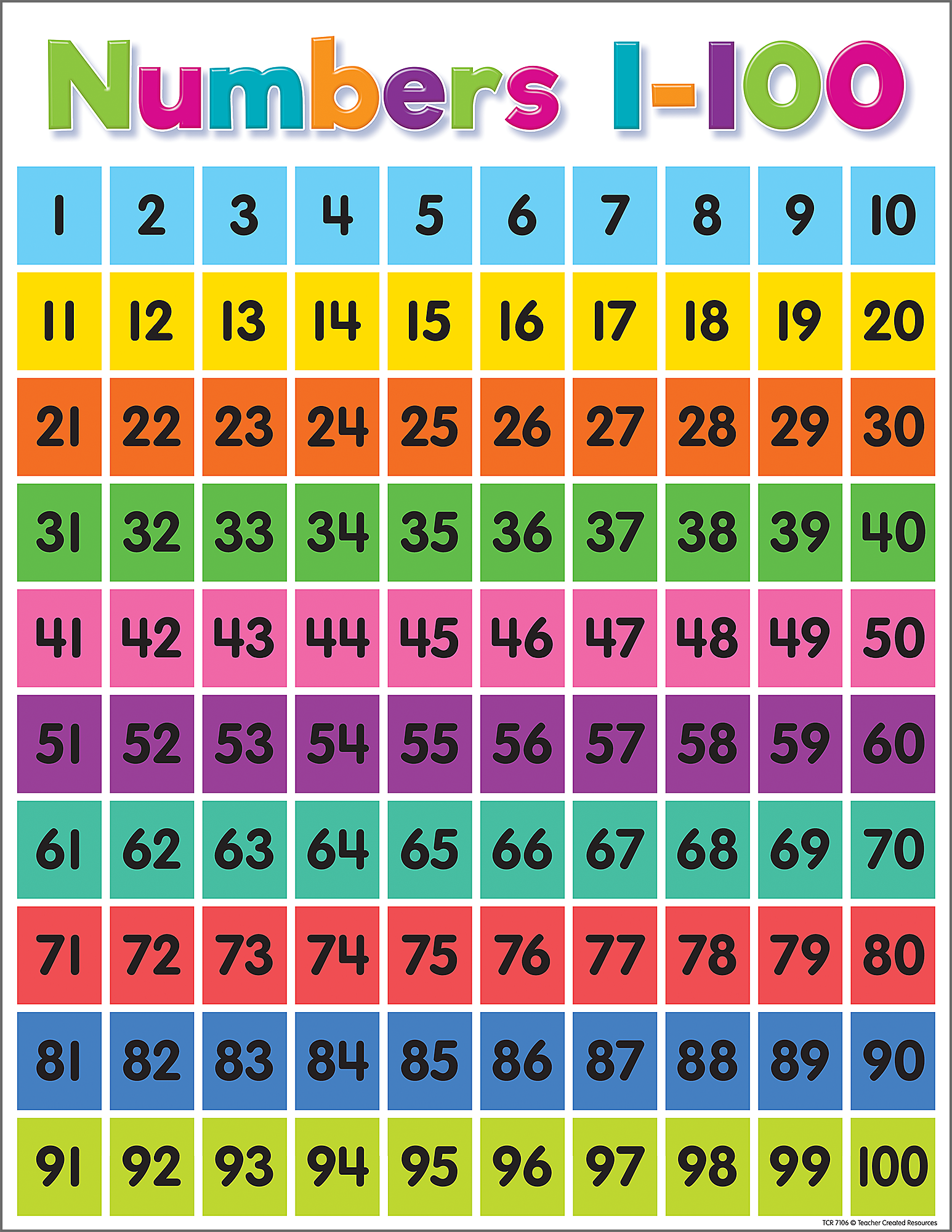
Related: How to Use the Times Chart 1-100
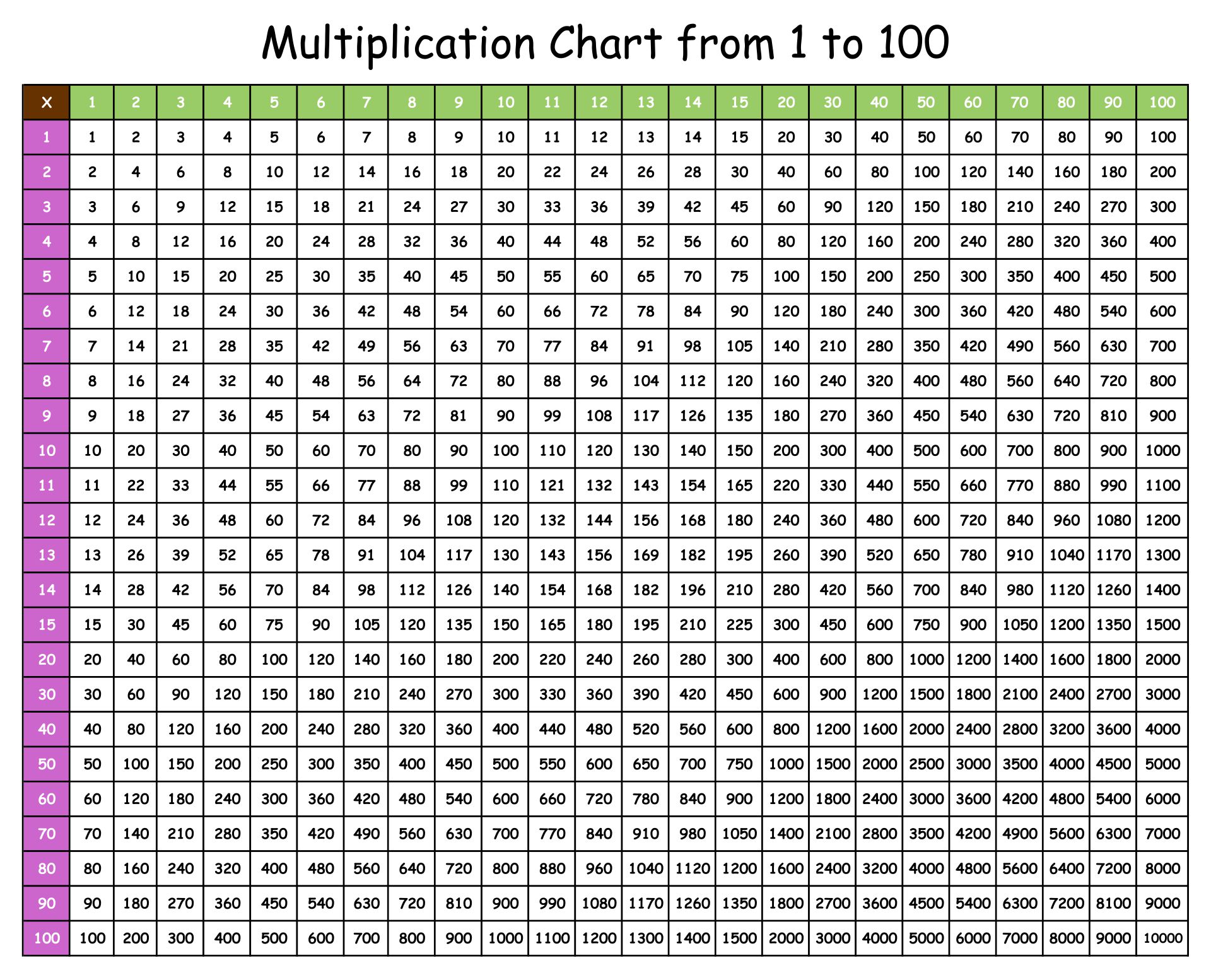
A times chart 1-100 is a handy tool for anyone looking to brush up on their multiplication skills or find quick answers. This guide will show you how to make the most of this simple yet effective reference, ensuring you can read and use it with ease.
The chart presents multiplication facts in a clear, visual way, offering a reliable and accessible resource for learning and reference. While formats may vary, the core purpose remains the same: to provide an at-a-glance guide to multiplication, a fundamental skill for many areas of life.
Understanding the Grid: A Quick Overview
The times chart 1-100 is a simple yet powerful tool for anyone learning or teaching basic multiplication. It's a visual representation of the multiplication table, showing the results of multiplying numbers from 1 to 100. This chart is a great reference for quickly finding products and understanding patterns in multiplication.
Comparing Formats and Standards
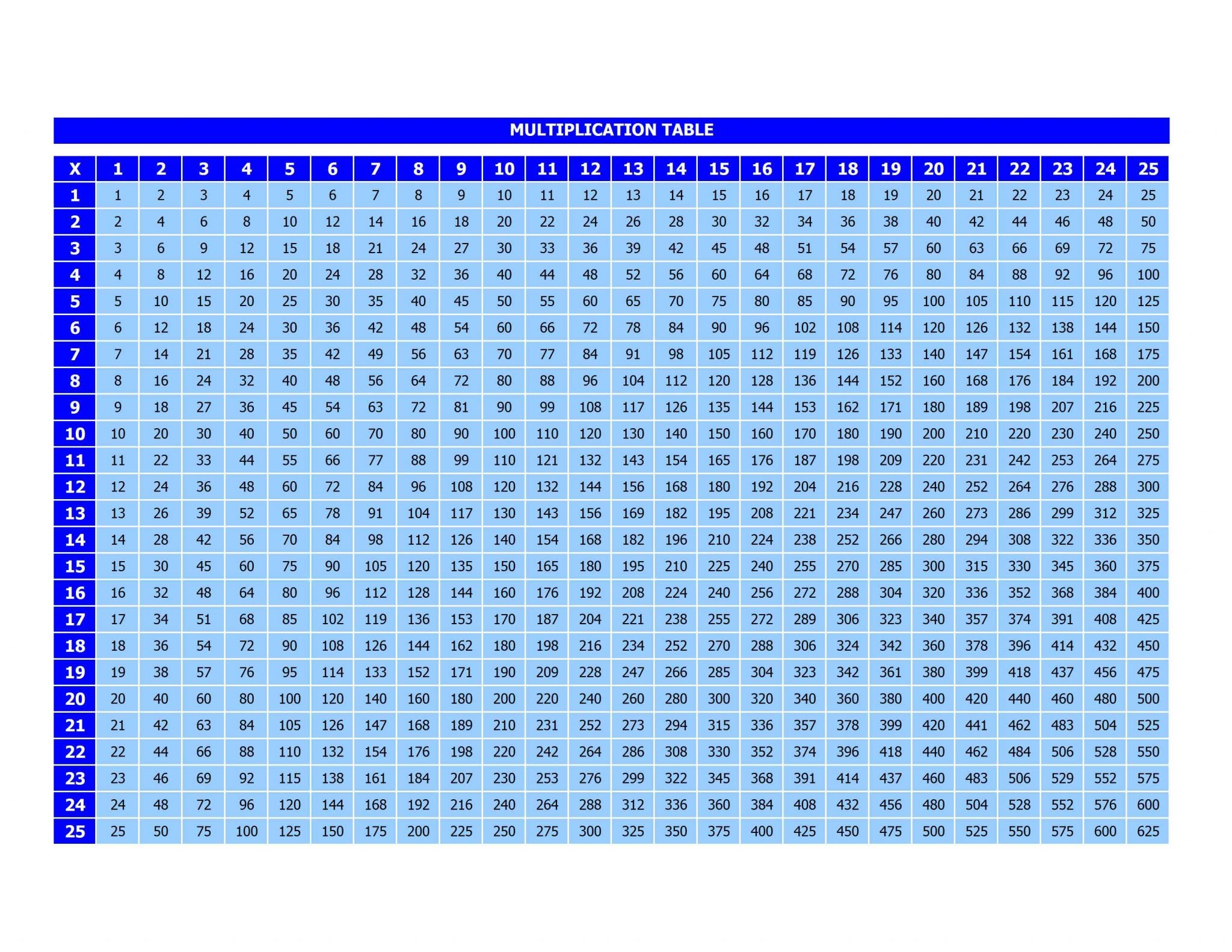
There are different versions of the times chart, but the most common format follows a grid-like structure. Each row and column represents a number, and the intersection of these rows and columns displays the product of the two numbers. For example, in the times chart 1-100, you'll find 1 x 1 = 1, 2 x 2 = 4, and so on. It's a straightforward and effective way to visualize multiplication.
Step-by-Step Guide: Reading the Table
- Identify the numbers you want to multiply. Let's say you want to find 7 x 5.
- Locate the row and column corresponding to these numbers. In this case, find row 7 and column 5.
- The product is where these rows and columns intersect. So, for 7 x 5, you'll find the answer, 35, at the intersection of row 7 and column 5.
- Repeat this process for any other multiplications you need to solve.
Common Pitfalls and How to Avoid Them
While the times chart 1-100 is user-friendly, it's important to be aware of a few potential pitfalls. One common mistake is misreading the rows and columns. Always double-check that you're following the correct sequence when locating numbers. Another pitfall is assuming that the chart covers all multiplication scenarios. Remember, this chart is a reference for basic multiplication; for more complex calculations, you might need additional tools or strategies.
Factors Affecting Accuracy and Real-World Use
The accuracy of the times chart 1-100 relies on its adherence to standard multiplication rules. While it provides a quick reference, it's essential to understand the underlying mathematical principles. For instance, the commutative property of multiplication (e.g., 3 x 4 = 4 x 3) is a key concept to keep in mind. Additionally, while the chart is a great learning tool, practicing mental math and memorizing common multiplication facts can further enhance your mathematical skills.
Hey there, I hope this guide has been helpful in understanding the times chart and its practical applications. Remember, while the basics remain the same, there might be slight variations depending on your specific needs and the context.
Don't forget to bookmark this page for future reference; it's a handy tool to have at your fingertips. You never know when you might need a quick refresh on those numbers! Feel free to explore our other guides too; we've got you covered for all your practical reference needs. Happy learning!
Related: Flute Notes Chart: A Simple Guide
You're here, perhaps with your flute in hand, seeking a simple, reliable guide to navigate the world of flute notes. A flute notes chart is your trusted companion, offering a clear and concise visual representation of the notes you can produce. This chart, a valuable tool for musicians, presents the standard flute note range and beyond, with details that can vary depending on your instrument and playing style. It's a quick reference, ensuring you stay on track and play with precision.
The Flute Notes Chart: A Visual Guide
The flute notes chart is a valuable tool for flute players, offering a visual representation of the notes produced by the instrument. It provides a quick reference for understanding the relationship between finger positions and the corresponding musical notes. This chart is an essential guide for beginners and experienced flutists alike.
Key Details and Prerequisites
Before delving into the chart, it's important to understand some basic concepts. The flute notes chart typically displays the standard flute note range, which covers the notes from the lowest to the highest pitch achievable on a flute. It uses a combination of finger positions, or flute fingering, to represent different notes. The chart often includes common flute scales and note names, providing a comprehensive overview.
Understanding and Reading the Chart: A Step-by-Step Guide
The flute notes chart usually features a grid-like structure, with finger positions represented horizontally and note names or pitches vertically. Each intersection represents a specific note.
Locate the starting point, which is often marked as "C" or "Do." This is the reference point for all other notes. From there, you can identify the finger positions required to play each note.
Pay attention to the alternate fingerings indicated on the chart. These are alternative ways to produce the same note, offering options for players to adjust their technique or achieve a desired sound.
Practice reading the chart by identifying a specific note and finding its corresponding finger position. Then, try playing that note on your flute to reinforce the connection between the visual representation and the actual sound.
As you become more familiar with the chart, you can use it to explore different scales and musical phrases. The chart serves as a roadmap, guiding you through the finger positions needed to play various melodies.
Variations and Differences: Factors to Consider
While the flute notes chart provides a standardized reference, variations can occur due to several factors:
Standard flute note range can differ slightly between different flute models or types. Always check the specific range for your flute.
The chart may not account for all possible fingerings or techniques. Some advanced players might discover unique fingerings not commonly used.
Pitch chart accuracy can be influenced by factors like flute quality, player technique, and environmental conditions.
Different regions or manufacturers might use slightly different standards for note frequencies or labels.
The chart is a guide, but practical exercises and experience are essential for mastering the flute.
Remember, the flute notes chart is a valuable tool, but it's important to verify specific details and tolerances for your flute and playing style. With practice and familiarity, it becomes an indispensable reference for your musical journey.
Flute notes are a fascinating subject, and this chart is a great tool to have in your musical arsenal. Remember, while the fundamentals remain consistent, the exact details can vary slightly depending on the standard or context. So, if you're keen to explore more, our site offers a range of guides and resources to satisfy your curiosity. Dive into the world of music theory and discover the endless possibilities!