Piano Keys Chart A4 Overview
You've likely landed on this page because you're seeking a straightforward guide to understanding and using a steak temps chart. These charts are invaluable tools, offering a quick and reliable reference for achieving the perfect steak doneness. With cooking temperatures varying by region and personal preference, a well-designed chart ensures your steak reaches the desired internal temperature, be it rare, medium, or well done.
Understanding Steak Temps Chart: A Guide to Perfect Steak Doneness
The steak temps chart is a valuable tool for any home cook or professional chef, offering a clear guide to achieving the desired doneness of a steak. This chart provides a visual representation of the internal temperature ranges that correspond to different levels of doneness, from rare to well-done. By understanding and utilizing this chart, you can ensure your steaks are cooked to perfection every time.
Key Details and Categories
The steak temps chart typically presents temperature ranges in Fahrenheit or Celsius, depending on the standard used. Common categories include rare, medium-rare, medium, medium-well, and well-done. Each category has a specific temperature range associated with it, indicating the internal temperature of the steak when it reaches that level of doneness. For example, a rare steak may have a range of 125°F to 130°F (52°C to 54°C), while a well-done steak could be 160°F and above (71°C and above). These ranges can vary slightly between different charts and sources, but they provide a reliable guide.
Reading and Applying the Steak Temps Chart
To use the steak temps chart accurately, follow these steps:
Select the desired doneness for your steak. Whether you prefer a juicy rare steak or a more well-done option, choose the category that aligns with your taste.
Check the temperature range associated with that doneness level. The chart will provide a minimum and maximum temperature, indicating the ideal internal temperature range.
Cook your steak, monitoring the internal temperature using a meat thermometer. Insert the thermometer into the thickest part of the steak, avoiding any bones or fat, to get an accurate reading.
Once the internal temperature reaches the desired range, remove the steak from the heat source. Allow it to rest for a few minutes to ensure even cooking and to retain the juices.
Slice and serve your steak, enjoying the perfect doneness you achieved using the steak temps chart.
Variations and Differences
It's important to note that variations can occur due to several factors. These include the type of steak (cut and thickness), cooking method, and personal preferences. Different cuts of steak may require slightly different cooking times and temperatures to reach the desired doneness. Additionally, factors like the heat source (grill, pan, or oven) and the cooking environment (outdoor grill vs. indoor kitchen) can influence the cooking process. It's always a good idea to refer to specific guidelines or recipes for your chosen cut of steak to ensure accurate results.
Common Mistakes and How to Avoid Them
One common mistake is relying solely on cooking time without considering the internal temperature. Cooking times can vary greatly, and using a meat thermometer is crucial for accurate doneness. Another mistake is not allowing the steak to rest properly after cooking. Resting time is essential for the steak to relax and redistribute its juices, ensuring a more tender and flavorful result. Always follow the recommended resting time for your chosen doneness level.
Practical Tips for Accurate Results
To achieve consistent results, invest in a good-quality meat thermometer. Digital thermometers offer precise readings and are easy to use. Ensure you insert the thermometer correctly, avoiding any bone or fat areas. Practice makes perfect, so experiment with different cuts and cooking methods, referring to the steak temps chart each time. This will help you develop a better understanding of how temperature and doneness relate to each other. Finally, don't be afraid to adjust your cooking technique based on the specific steak and your personal preferences.
Remember, the steak temps chart is a handy reference, but the exact values might differ slightly based on various factors, so always double-check. It's a great tool to have in your culinary arsenal, and with a bit of practice, you'll be nailing those perfect steak temps in no time!
Feel free to explore our other guides too; we've got plenty of practical tips and tricks to enhance your cooking adventures. Happy cooking, and until next time!
Related: Understand the Hair Shade Chart: A Simple Guide
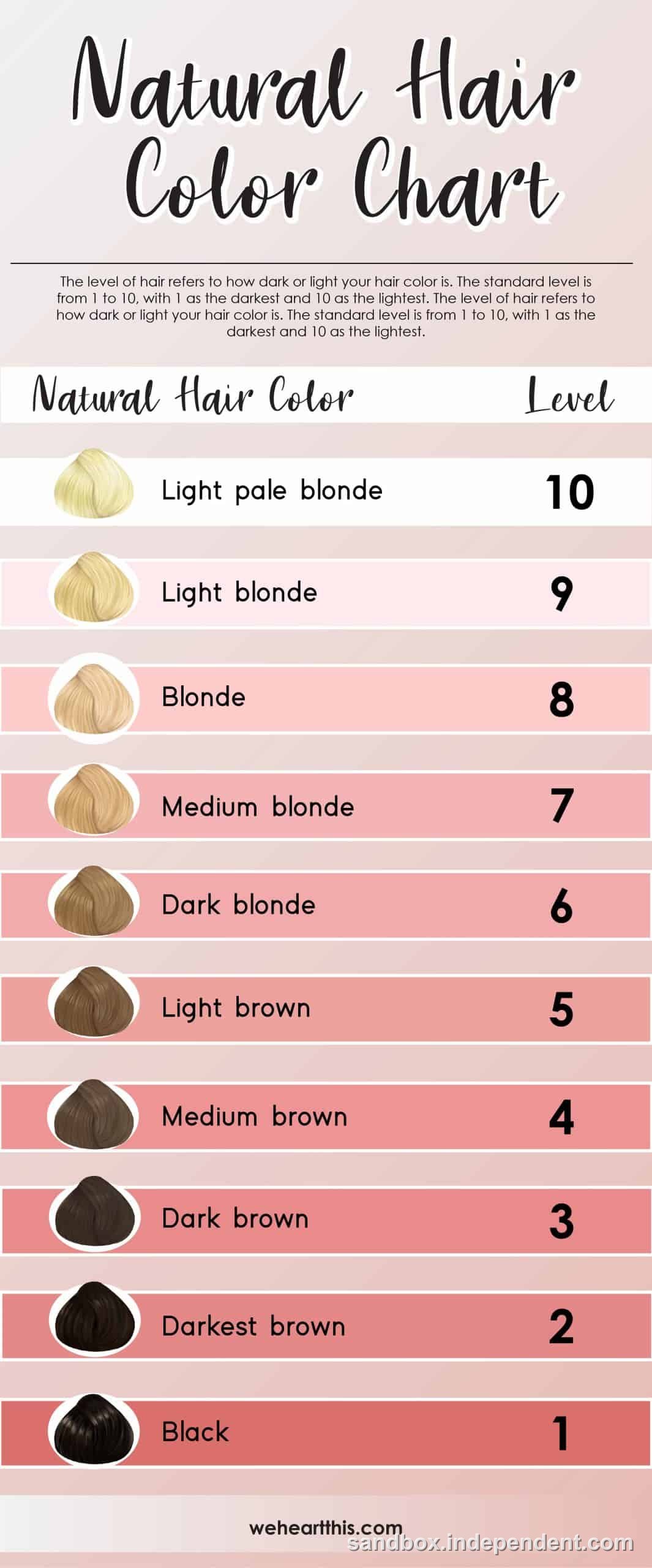
You're here because you need a quick fix, right? A simple, reliable reference for your hair color adventure. Well, the hair shade chart is your trusty guide, a visual map to navigate the world of hair colors. It's a handy tool, a quick-glance reference, offering a range of shades and tones to explore. From natural hues to bold, vibrant choices, the chart lays it all out. You'll find tone levels, hair dye shades, and even a color wheel to help you match and create your desired look.
Understanding the Hair Shade Chart: Your Guide to Hair Color
The hair shade chart is a handy tool that helps you navigate the world of hair color. It's a visual reference, often in the form of a color wheel or a detailed table, that displays a range of hair colors and their corresponding shades. This chart is your friend when you want to achieve a specific hair color or match a particular shade.
Comparing Hair Color Standards and Formats
There are different standards and formats for hair color charts, which can vary based on the region and the manufacturer. The most common ones are the hair dye shades charts, which use a numerical system to represent different tones. These charts often have a range of numbers, like 1 to 10 or 1 to 12, with each number representing a distinct shade. For instance, a level 1 might be the darkest black, while a level 10 could be a light blonde.
Using the Hair Shade Chart: A Step-by-Step Guide
Using the hair shade chart is simple once you know how. First, identify the standard or brand you're working with. This ensures you're using the right chart for your hair color products. Next, locate your current hair color on the chart. This gives you a starting point. Then, decide on your desired hair color. The chart will help you visualize the difference and choose the right shade.
For example, if you have dark brown hair (let's say a level 4) and want to go lighter, you might aim for a level 6 or 7, which could be a beautiful, warm medium brown. Always remember to consider your natural hair color and its condition. If your hair is very dark, achieving a light blonde might require multiple sessions and a professional's expertise.
Avoiding Missteps: Common Pitfalls and How to Avoid Them
One common mistake is not considering your natural hair color's base. The hair shade chart often shows the results on pre-lightened hair, so if your hair is darker, the result might be different. Always check the chart's instructions or consult a professional for guidance.
Another pitfall is not accounting for tone. The chart might show a single number for a shade, but in reality, there are often variations within that shade, like ash, golden, or warm tones. These subtle differences can make a big impact on the final result, so choose wisely!
Factors Affecting Accuracy: Key Considerations
- Hair tint: Your natural hair color and its condition play a significant role. Pre-lightened or bleached hair will react differently to dye compared to virgin hair.
- Tone levels: The tone of your desired shade matters. A warm tone, for instance, will look different on someone with cool undertones.
- Shade guide: Always refer to the specific shade guide provided by the dye manufacturer. These guides often offer more detailed information about the results on different hair types and tones.
Choosing the Right Chart: Adapting to Your Needs
There are various charts available, each with its own system and range. Some charts might use letters or even a combination of numbers and letters. It's essential to choose the right chart for your needs. If you're using a specific brand of hair dye, they often provide their own shade chart. Alternatively, you can find generic charts that offer a broader range of shades.
Keeping Your Reference Reliable for Future Use
To ensure you can rely on your hair shade chart in the future, it's important to keep it in a safe place. Consider making a digital copy or taking a photo of the chart for easy reference. This way, you can quickly access it whenever you need to choose or match a hair color. Additionally, stay updated with the latest charts and standards. Hair color trends and technologies evolve, so having the most current reference ensures accurate results.
Hey there! I hope this guide has been helpful in navigating the world of hair shade charts. Remember, these charts are a great tool, but the specifics can vary, so always double-check the source and standard you're using.
Feel free to explore other guides on our site to learn more about related topics and discover practical tips for your hair journey. We've got you covered with simple, straightforward advice!
Related: Need a coat size chart?
A coat size chart can be a tricky business, and many of us have experienced the frustration of getting it wrong. It's easy to assume that one size fits all, but that's not the case!
This simple reference tool, whether a table or diagram, is your friend and can save you time and potential sizing disasters. While the values and formats may vary depending on the brand and region, the coat size chart offers a reliable guide to ensure you find the perfect fit. It's a quick and easy way to navigate the often confusing world of garment sizing.
Understanding the Coat Size Chart: A Quick Overview
The coat size chart is your practical guide to finding the perfect fit for your coats and jackets. It's a reference tool that simplifies the process of selecting the right size, ensuring comfort and style. This chart provides a standardized way to match your body measurements with the corresponding coat size, making shopping easier and more accurate.
Comparing Standard Sizing Systems and Formats
Coat size charts can vary depending on the standard used. The most common systems are the US standard sizes and the international or metric sizes. These systems have different measurements and categories, so it's essential to know which standard the chart follows. US sizes often use alphabetical letters (e.g., S, M, L) and numerical sizes (e.g., 6, 8, 10), while international sizes typically use numerical ranges (e.g., 36, 38, 40) and may include additional letters (e.g., XS, XL).
Practical Steps to Use the Coat Size Chart Accurately
Using the coat size chart is straightforward:
- Measure your body: Take accurate measurements of your chest, waist, and hips. These are the key areas for coat sizing.
- Find your size: Locate your measurements on the chart. Match your chest measurement to the corresponding size column. If your waist and hip measurements fall within the same size range, great! If not, choose the size that best fits your chest and consider adjusting the fit with a belt or tailoring.
- Consider the style: Different coat styles may have varying fits. Some are designed to be more relaxed and loose-fitting, while others are tailored and fitted. Check the product description or consult the size guide for specific style recommendations.
- Double-check: Always refer to the product's size guide or specifications. Some brands may have slight variations in their sizing, so it's best to confirm the exact measurements and tolerances.
Common Misreadings and Pitfalls to Avoid
Here are some key factors to keep in mind to avoid sizing mistakes:
- Garment measurement standards can vary: Coats and jackets may have different fit preferences, so always check the product's specific size guide.
- International clothing sizes may differ: If you're shopping internationally, be aware of the size conversions. Some countries use different sizing systems, so a size 10 in one country might not be the same as a size 10 elsewhere.
- Body measurement guide: Ensure you measure yourself accurately. Loose or tight clothing during measurement can affect the result. Stand upright and measure snugly but comfortably.
- Consider the fabric: The stretch and drape of the fabric can impact the fit. Natural fibers like wool may have more give, while synthetic fabrics might be more structured.
- Personal preference: Sizing is not one-size-fits-all. Some people prefer a looser fit, while others like a more tailored look. Consider your personal style and comfort when choosing a size.
Hey there! We hope this coat size chart guide has been helpful in your quest for the perfect fit. Remember, while we've covered the basics, the exact values might differ slightly depending on the brand or standard you're referring to. It's always a good idea to check the specific guidelines for each item you're eyeing.
Feel free to explore our other guides on similar topics. We've got a range of practical resources to help you navigate the world of fashion and sizing with ease. Happy browsing and happy shopping!