




Pipe Fill Chart Blank Overview
Many folks might glance at a square root chart and feel daunted, assuming it's complex and only for math whizzes. But, rest assured, it's a simple, visual tool that anyone can use and understand!
The chart is a straightforward reference, offering a quick way to find square roots without complex calculations. You'll notice it's structured with a clear format, and while the specific values may vary, the concept remains the same. It's like having a handy calculator at your fingertips, especially for those perfect squares!
Understanding the Square Root Chart
The square root chart is a handy tool that simplifies the process of finding square roots for various numbers. It's like a map that guides you through the world of square roots, making it easier to understand and calculate them. This chart is a visual representation, often presented as a table, that displays the square roots of a range of numbers, typically from 1 to 100 or more.
Comparing Chart Formats and Standards
There are different formats and standards for square root charts, depending on the region and the specific use case. For instance, some charts might use the radical sign to represent square roots, while others may opt for a simpler numerical format. Additionally, the range of numbers covered and the precision of the values can vary. It's important to note that the chart's format and values should align with the standard you are working with, whether it's the metric system or another regional standard.
Step-by-Step Guide to Using the Chart
Using the square root chart is a straightforward process:
- Identify the number for which you need to find the square root.
- Locate the number on the chart. It's usually arranged in ascending order, so finding your number should be easy.
- Read the corresponding square root value from the chart. Ensure you are reading the correct column or row, depending on the chart's layout.
- If your number is not an exact match, you can estimate the square root by interpolating between the values provided. This involves finding the values above and below your number and calculating a rough estimate.
Avoiding Common Misreadings
Misreading a square root chart can lead to inaccurate results. One common mistake is confusing the square root value with the original number. Always double-check that you are reading the correct column or row, especially if the chart is complex or densely packed with information. Another pitfall is assuming that the chart provides exact values for all numbers. Remember, some numbers may not have perfect square roots, and the chart provides approximations for these cases.
Factors Affecting Accuracy
Several factors can impact the accuracy of your calculations when using a square root chart. Firstly, the precision of the chart itself matters. Some charts offer more precise values, especially for larger numbers, while others provide a general approximation. Additionally, the range of numbers covered by the chart can vary, and if your number falls outside this range, you may need to estimate or use a different method. It's also essential to consider the standard being used, as different standards may have slight variations in their square root calculations.
Adapting the Chart for Specific Needs
The square root chart can be adapted to suit specific needs and applications. If you require a more precise calculation, you might opt for a chart with a larger range of numbers and more detailed values. For simpler calculations or educational purposes, a basic chart with a limited range might be sufficient. Additionally, if you are working with a specific standard or industry, ensure you choose a chart that aligns with those requirements. Some charts might even be tailored for specific professions, like engineering or mathematics, offering specialized values and categories.
Hey there, math enthusiasts! We've covered a lot of ground with our square root chart adventure. From understanding its purpose to navigating the different formats and potential pitfalls, you're now equipped with the knowledge to tackle any square root challenge.
Remember, when it comes to accuracy and real-world applications, your specific context matters. So, take a moment to ensure you've got the right chart for your needs, and don't hesitate to adapt or create a customized version if necessary. It's all about finding the perfect fit!
Related: Understand Eye Shape Chart: A Quick Guide
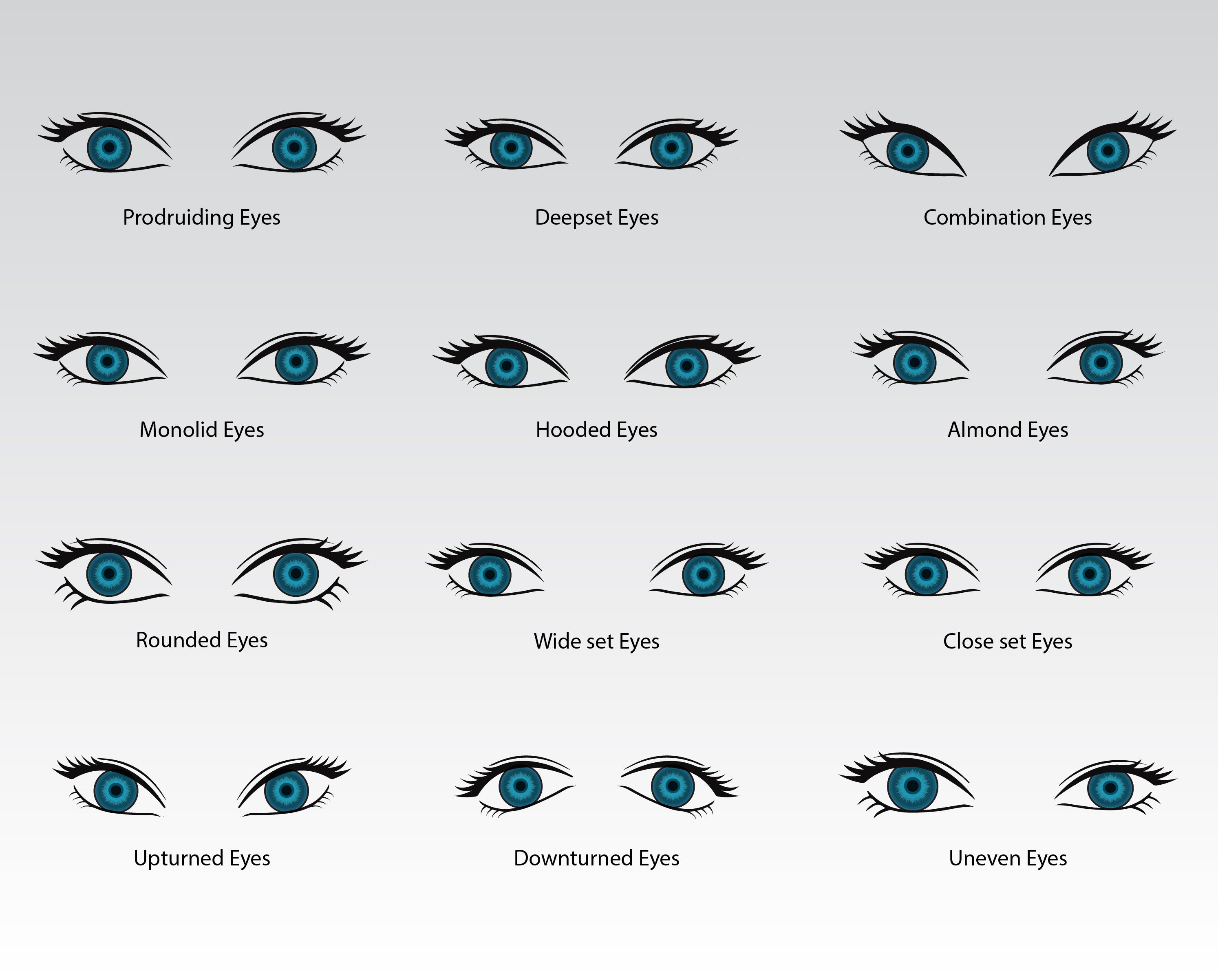
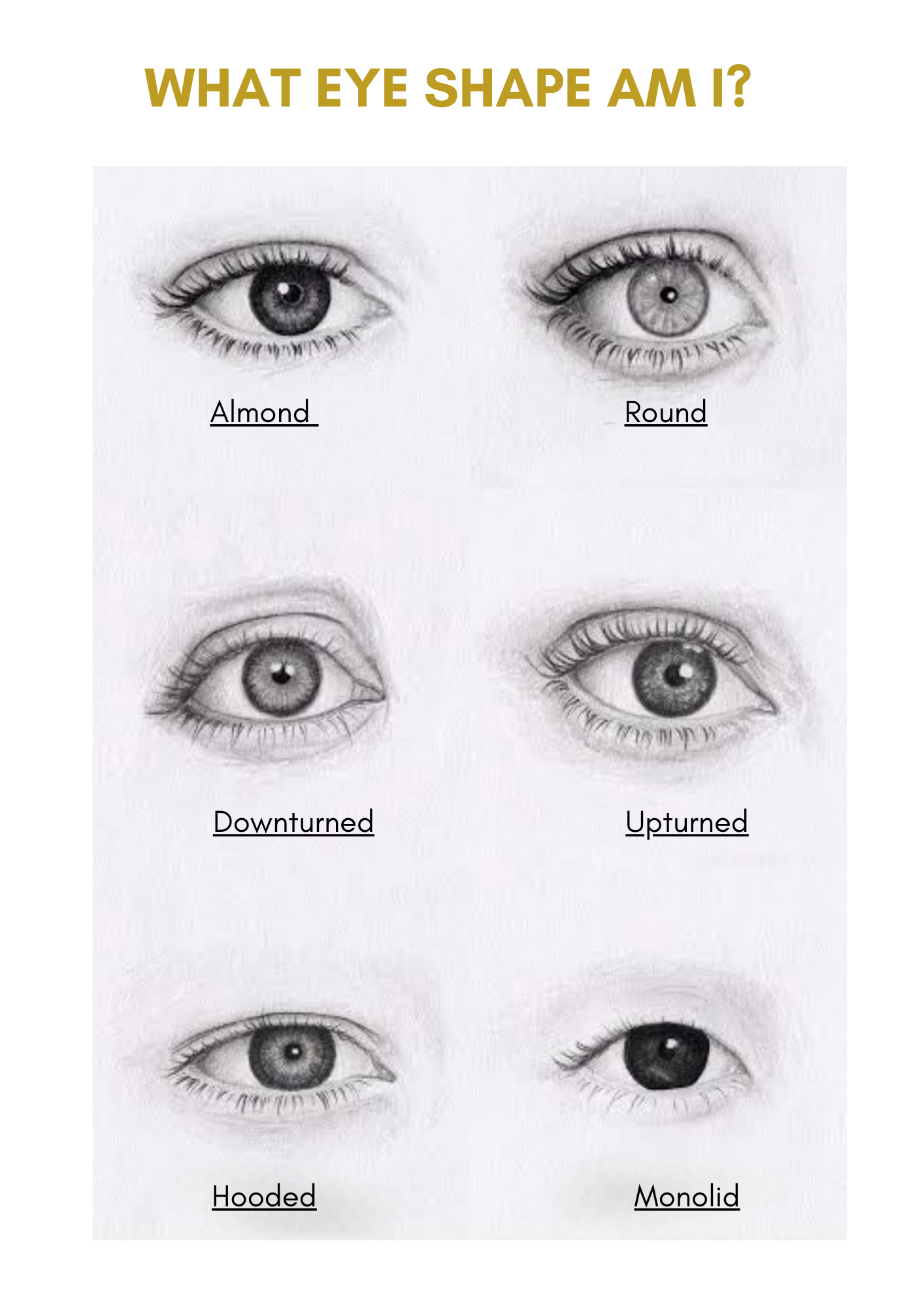
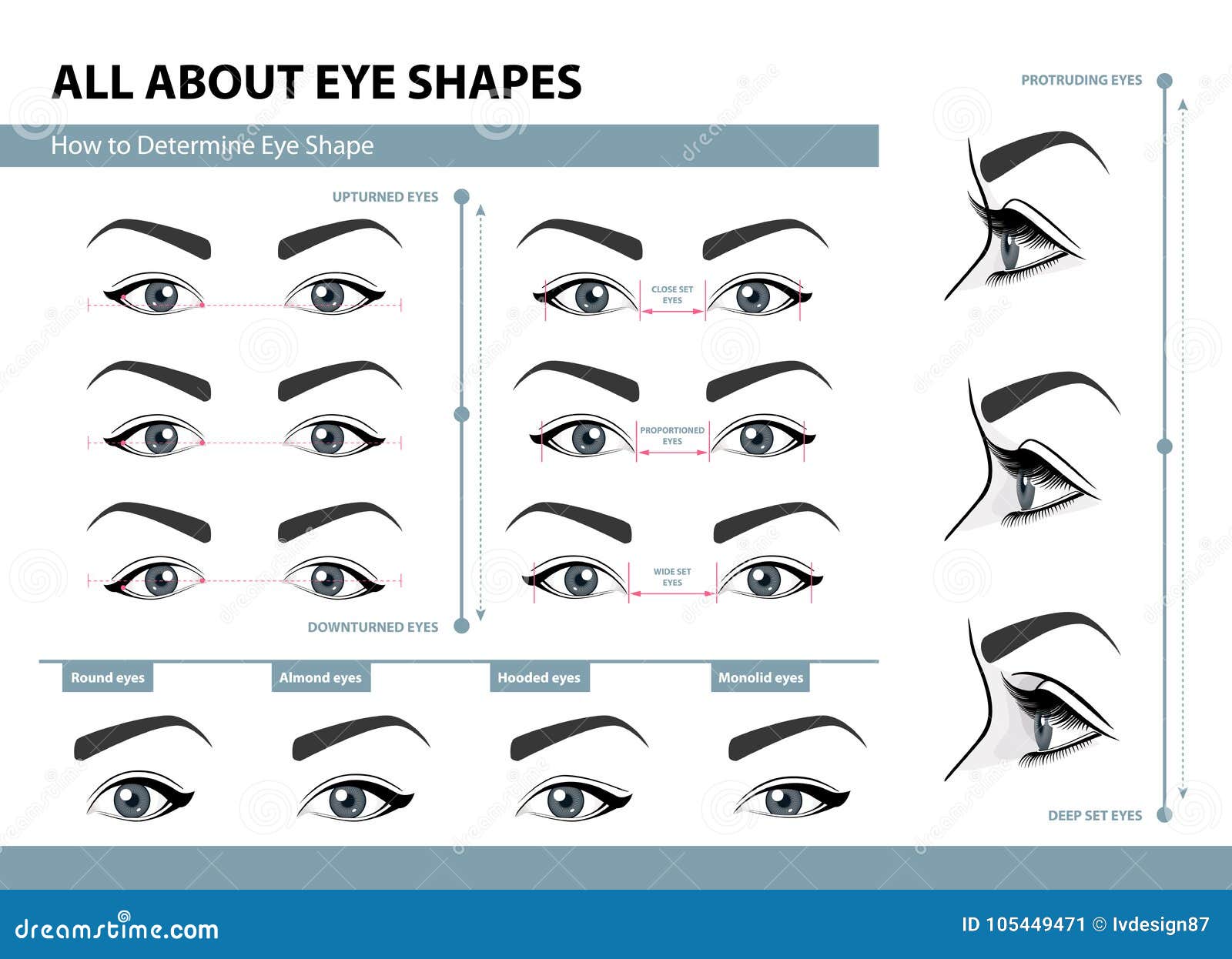
An eye shape chart is a valuable tool for understanding and identifying the various shapes and structures of the eyes. This guide aims to provide a straightforward overview, offering insights into how these charts work and their practical applications.
The chart serves as a visual reference, categorizing eye shapes and often including measurements. It can help individuals recognize their eye type and understand the associated terminology, such as monolid or hooded. While the specifics may vary depending on the source, the eye shape chart remains a reliable starting point for self-analysis and a great foundation for further exploration.
Understanding Eye Shapes: An Eye-Opening Guide
The eye shape chart is a valuable tool for anyone seeking to learn about the diverse shapes of eyelids and eyes. This guide will help you navigate this chart, offering a clear understanding of its purpose and use.
Key Details and Categories
The eye shape chart typically categorizes eye shapes based on the appearance of the eyelid and the visible portion of the eye. Common categories include monolid, hooded, almond, round, and deep-set eyes. Each category has unique characteristics, such as the presence or absence of a visible eyelid crease or the shape of the eye itself.
Reading the Eye Shape Chart: A Step-by-Step Guide
To read the eye shape chart, follow these steps:
Start by identifying the primary features of your eyes. Look for the presence of an eyelid crease, the shape of the eye opening, and the overall contour of the eyelid.
Compare your observations to the categories on the chart. Match the visible features of your eyes to the corresponding category.
Once you've identified your eye shape, you can explore the chart further to learn more about your specific eye type. The chart often provides additional information, such as common traits, makeup tips, or even optical considerations.
Variations and Differences: Why Do They Exist?
Variations in eye shapes are a natural part of human diversity. Genetic factors play a significant role, as eye shape is often inherited. Additionally, factors like age, ethnicity, and even lifestyle can influence the appearance of the eyelids and eyes. For instance, as we age, the skin around the eyes may change, affecting the shape and visibility of the eyelid crease.
Common Mistakes and How to Avoid Them
When using the eye shape chart, it's important to avoid these common mistakes:
Relying solely on the chart: While the chart is a great guide, individual variations exist. Take it as a starting point, but consider seeking professional advice or conducting further research for a more precise understanding.
Overlooking personal features: Each person's eyes are unique. Pay attention to your specific eye traits, such as the color, size, and spacing, as these can influence the overall appearance.
Ignoring context: The eye shape chart may not cover all situations. For example, certain medical conditions or previous surgeries can alter eye shape. Always consider your personal context and consult experts when needed.
Practical Tips for Accurate Results
To ensure accurate results when using the eye shape chart, consider these tips:
Lighting: Ensure you examine your eyes in natural light or good artificial lighting to get an accurate view.
Angle and Distance: Maintain a consistent angle and distance when observing your eyes to avoid distortion.
Compare and Contrast: Compare your eyes to the chart's examples, but also contrast them with other eye shapes to gain a broader understanding.
Seek Expert Advice: If you're unsure or have specific concerns, consult an optometrist or ophthalmologist for a professional opinion.
Remember, the eye shape chart is a valuable tool, but it's just one part of understanding your unique eye characteristics.
Remember, while this guide offers a comprehensive overview, the specifics of eye shape charts can differ slightly based on individual needs and contexts. Feel free to adapt and customize the chart to suit your unique requirements.
Consider bookmarking this page for future reference. Whether you're a makeup artist, a fashion enthusiast, or simply curious about eye shapes, having this guide handy will ensure you always have a reliable resource at your fingertips.
Related: Read and Understand the Round Lake Charter
You're probably here because you need a quick guide to understanding Round Lake Charter and its key elements. It's a handy tool for anyone navigating the waters, offering a snapshot of essential information. This simple reference, often a diagram or table, provides insights into lake depths, navigation aids, and more, all in one place.
What is the Round Lake Charter?
The Round Lake Charter is a detailed guide and diagram that provides essential information for navigating and understanding the unique features of Round Lake. It offers a comprehensive overview, helping boaters and outdoor enthusiasts explore the lake safely and efficiently.
Key Details and Categories
This charter includes a variety of critical data, presented in a clear and standardized format. It displays depth contours, which are lines connecting points of equal depth, helping users visualize the lake's bottom topography. Other crucial elements include navigation aids, such as buoys and markers, and important landmarks. The chart also features a legend, explaining the various symbols and abbreviations used.
Reading and Applying the Round Lake Charter
To read and interpret the Round Lake Charter, follow these steps:
- Begin by familiarizing yourself with the legend. Understand the symbols and their meanings, as they provide vital information about hazards, restrictions, and facilities.
- Observe the depth contours. These lines indicate different depth zones, helping you identify shallow areas and potential hazards.
- Note the scale of the chart. This will help you estimate distances and plan your route effectively.
- Pay attention to navigation aids and markers. They guide you and warn of potential dangers, such as restricted areas or obstacles.
- Identify landmarks and notable features. These can assist in orientation and provide reference points for your journey.
Variations and Differences
It's important to note that Round Lake Charter may vary depending on the standard or region. Depth contours, for instance, can be presented differently, with varying intervals and color codes. Additionally, symbols and abbreviations might differ slightly between charts, so it's crucial to refer to the specific legend provided.
Common Mistakes and How to Avoid Them
One common mistake is assuming that all charts follow the same conventions. Always refer to the legend and understand the unique features of each Round Lake Charter. Another pitfall is ignoring depth contours, which can lead to potential hazards. Always pay attention to these lines and plan your route accordingly. Lastly, failing to account for scale can result in inaccurate distance estimations, so always consider this factor when navigating.
Practical Tips for Accurate Results
To ensure accurate navigation, always double-check the specific details and tolerances of your Round Lake Charter. Keep in mind that charts may have limitations and exceptions, especially in dynamic environments like lakes. Regularly update your charts to access the most current information, and consider using additional resources, such as GPS or local knowledge, to complement your navigation.
Hey there! I hope this guide has given you a clear understanding of the Round Lake Charter. Remember, while the basics remain the same, the exact details can slightly differ depending on your specific context or the standard you're working with.
Feel free to explore our other guides for more practical insights and tips. And don't forget to bookmark this page for a quick refresher when you need it. Happy navigating!