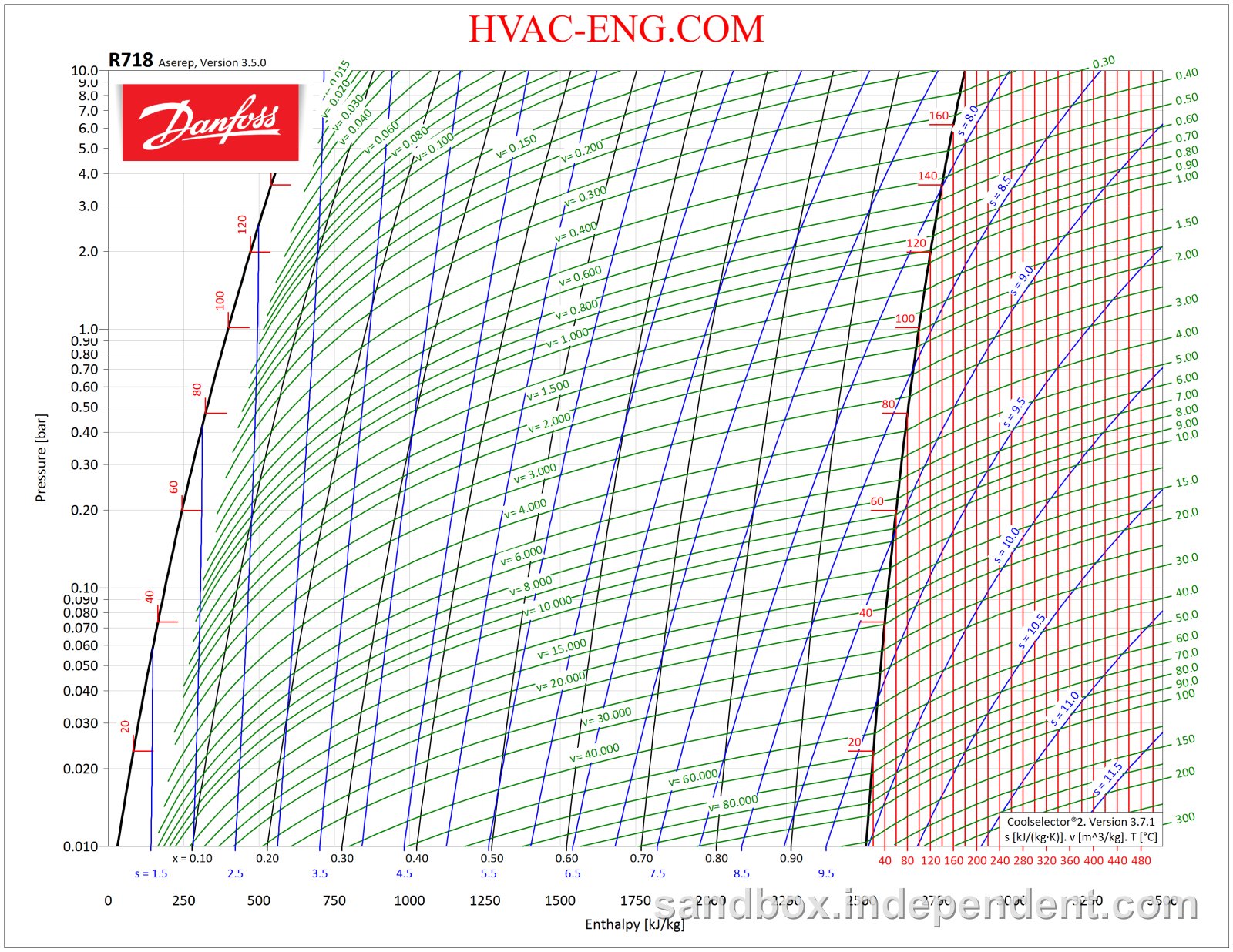
Pipe Fill Chart Free Printable Overview
A common misconception about the usmc ribbon chart is that it's solely for military personnel, but this reference tool is incredibly valuable for a wider audience. While it's true that the chart is an essential part of a Marine's uniform and awards system, it also serves as a clear and concise guide for anyone interested in understanding military awards and their significance.
The usmc ribbon chart provides a visual representation of various awards and their respective placements, offering a quick reference for accurate ribbon display. Whether you're a military enthusiast, a historian, or simply curious about the military's recognition system, this chart is an accessible way to learn and appreciate the importance of these awards.
Understanding Ribbon Order and Placement
The USMC ribbon chart is a visual reference guide that helps organize and display the various awards and decorations earned by members of the United States Marine Corps. It provides a clear and standardized way to arrange and present these ribbons, ensuring consistency and an accurate representation of an individual's achievements.
Comparing Ribbon Formats and Standards
The chart typically follows a specific order, with ribbons arranged in rows, often from left to right, and with each row representing a different category or type of award. The ribbons are usually displayed in their full-size format, with each ribbon's unique design and colors representing its specific award.
Step-by-Step Guide to Using the Ribbon Chart
- Start by identifying the different categories of awards. These may include campaign or expeditionary medals, personal decorations, unit awards, and service medals, among others. Each category will have its own unique set of ribbons.
- Within each category, ribbons are typically arranged in order of precedence, with the most senior or prestigious award at the top. This order is important to maintain when displaying ribbons, as it reflects the significance of each award.
- Pay attention to the specific placement and spacing of ribbons. Some ribbons may have unique shapes or designs that require specific positioning to ensure they are displayed correctly and visibly.
- When displaying multiple rows of ribbons, ensure that each row is aligned and evenly spaced. This creates a visually appealing and organized display, making it easier to identify and appreciate each ribbon.
Common Misreadings and How to Avoid Them
One common mistake is misinterpreting the order of precedence. It's important to refer to the official guidelines or regulations when unsure about the correct order, as this can vary depending on the specific award or the individual's service history.
Another pitfall is assuming that all ribbon charts are universal. While the USMC ribbon chart provides a standard guide, there may be variations or exceptions, especially when dealing with international awards or specialized units. Always double-check the specific requirements and guidelines for each award to ensure accurate placement and display.
Remember, the USMC ribbon chart is a valuable tool for organizing and showcasing achievements, but it requires attention to detail and an understanding of the unique characteristics of each ribbon and award.
Remember, while this chart is an excellent tool, it's always wise to cross-reference and ensure you have the most up-to-date information for your specific needs. Double-checking with official sources can save you from any potential pitfalls.
Consider bookmarking this page for future reference; it's a handy resource to have at your fingertips when you need a quick reminder or a more detailed look at the ribbon chart and its applications.
Related: How to Read a Chart Going Up
You're probably here because you need a quick answer, a simple guide to help you make sense of that chart going up you're looking at. It's a handy tool, a visual aid, and it can be a real lifesaver when you need to get a handle on things fast. Whether it's a growth chart, tracking your child's development, or any other reference table, these charts provide a snapshot of information, and they can vary depending on what you're measuring.
A Quick Overview
The chart going up is a visual representation of growth and development, often used to track an individual's progress over time. It provides a simple yet effective way to monitor changes and compare them to standard growth patterns. This chart is particularly useful for pediatricians, parents, and caregivers to ensure a child's healthy development.
Comparing Standards and Formats
There are various types of growth charts, each designed for specific age groups and purposes. The most common ones include height-weight charts and pediatric growth references. These charts typically use percentiles to indicate where an individual's measurements fall in relation to the average. For instance, a 75th percentile ranking means the individual's measurement is higher than 75% of the reference population. It's important to note that different regions and organizations may have slight variations in their charts and standards.
Step-by-Step Guide to Using the Chart
- Identify the appropriate chart for your needs. Choose between height-weight charts, pediatric growth references, or other specific charts depending on the individual's age and the aspect of growth you want to track.
- Take accurate measurements. Whether it's height, weight, or other developmental milestones, ensure precise readings to get an accurate representation on the chart.
- Locate the individual's age on the chart's horizontal axis. This axis usually represents age in months or years.
- Find the corresponding measurement value on the vertical axis. This axis will vary depending on the chart, representing height, weight, or other relevant metrics.
- Plot the point where the age and measurement intersect. This point represents the individual's current position on the growth curve.
- Compare the plotted point to the percentile curves on the chart. These curves indicate the average growth patterns for that age group. A point above the 50th percentile curve suggests the individual is growing faster than average, while a point below indicates slower growth.
Avoiding Misinterpretations and Pitfalls
Misreading chart going up can lead to unnecessary concerns or false reassurance. Here are some common mistakes to avoid:
- Confusing percentiles: Remember, a higher percentile ranking doesn't necessarily mean better growth. It simply indicates a higher measurement relative to the average.
- Ignoring individual variations: Growth charts provide a general reference, but every individual is unique. Don't panic if a child's measurements fall outside the typical range, as long as they are consistent with their personal growth curve.
- Neglecting other factors: Growth is influenced by various factors, including genetics, nutrition, and overall health. Ensure a holistic approach to growth monitoring.
Factors Affecting Accuracy and Real-World Use
Several key factors can influence the accuracy and interpretation of chart going up:
- Age-specific norms: Different charts are designed for specific age groups, and using the wrong chart can lead to inaccurate assessments.
- Regional variations: Growth patterns can vary between populations, so ensure you are using the appropriate reference chart for your region.
- Standard deviations: The percentile curves on the chart represent standard deviations from the average. Understanding these deviations can help interpret the chart more accurately.
- Individual growth patterns: Each child develops uniquely, and their growth curve may not perfectly match the average. Tracking progress over time is crucial to identify any significant deviations.
- Health and lifestyle factors: Nutritional intake, physical activity, and overall health can impact growth. Consider these factors when interpreting the chart.
- Chart updates: Growth charts are periodically updated to reflect the latest research and data. Ensure you are using the most recent version for accurate assessments.
By considering these factors and following the step-by-step guide, you can effectively utilize chart going up to track growth and development, providing valuable insights into an individual's health and well-being.
Hey there! We've covered a lot of ground today, and I hope this guide has given you a clear understanding of how to navigate the world of charts and references. Remember, while the basics remain the same, the exact details might differ slightly based on your specific needs and the context you're working in.
Feel free to explore our other guides; we've got a whole library of practical resources to help you tackle various topics. It's always great to have a go-to reference, so why not check out some more? Happy learning, and see you around!
Related: Aritzia Size Chart: Your Easy Reference Guide
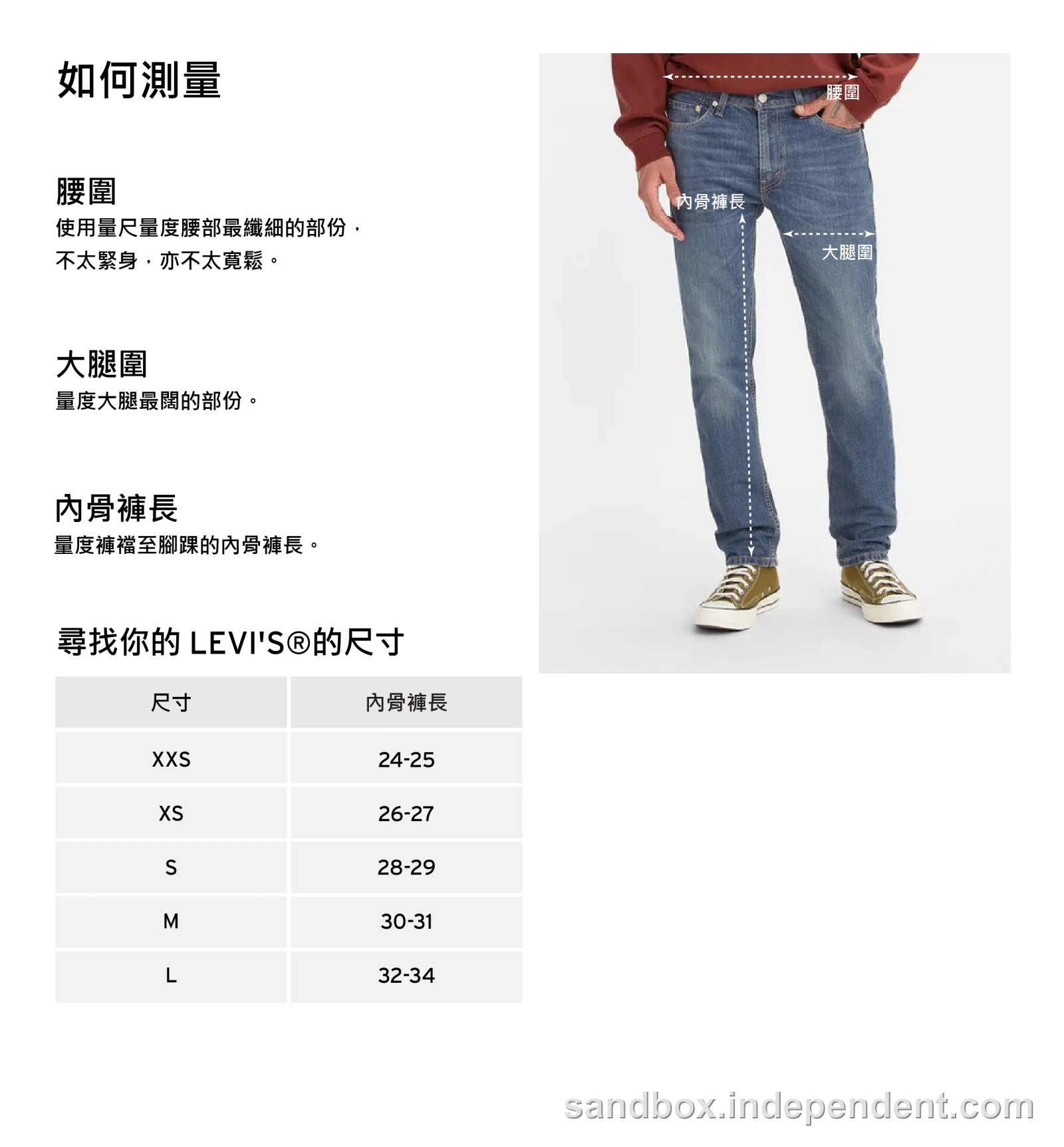
An Aritzia size chart is your go-to resource for navigating the brand's sizing with ease. This guide will show you how to use it effectively, ensuring you find the perfect fit for your favorite Aritzia pieces. From understanding the measurements to knowing the brand's unique sizing system, we'll cover it all.
Understanding the Ariztia Size Chart: Your Guide to Perfect Fit
The aritzia size chart is your go-to tool for finding the right fit in Ariztia clothing. It's a simple yet effective way to ensure you get the perfect size every time. This chart provides a clear overview of the brand's size range and helps you understand your ideal measurements.
Comparing Size Standards: US vs. International
Ariztia's size chart follows the standard US sizing system, which is commonly used in North America. However, it's important to note that clothing measurements can vary slightly between brands and regions. If you're used to international sizing, you may find a slight difference in the fit. The chart offers a size conversion guide to help you navigate these variations.
How to Use the Ariztia Size Chart: A Step-by-Step Guide
Measure yourself accurately: Take your measurements using a measuring tape. Focus on the key areas: bust, waist, and hips. These measurements are crucial for finding the right size.
Refer to the size chart: Locate your measurements on the chart. The chart provides a range of sizes, typically from XS to XXL. Find the size that aligns with your bust, waist, and hip measurements.
Consider the style: Different clothing styles may have varying fits. Some styles may run smaller or larger, so pay attention to the aritzia fit guide notes on the chart. These notes provide valuable insights into how a particular style fits and can help you make an informed choice.
Double-check the size: If you're between sizes, it's always a good idea to go up a size. Ariztia's clothing tends to fit true to size, but it's better to err on the side of comfort. Trust your measurements and the chart to guide you towards the perfect fit.
Common Misreadings and How to Avoid Them
One common pitfall is assuming that all brands follow the same sizing standards. While Ariztia's size chart is reliable, it's essential to remember that clothing measurements can vary. Always refer to the specific brand's size guide to avoid any surprises.
Additionally, pay attention to the style of the clothing. Some styles, like tailored dresses or skinny jeans, may have a different fit than you expect. The aritzia size chart provides helpful notes to guide you, but it's always a good idea to read the product description for any specific fit details.
By following these simple steps and being mindful of potential variations, you'll master the art of using the aritzia size chart to achieve a perfect fit every time you shop with Ariztia.
Well, there you have it! A handy guide to navigating the Ariztia size chart with ease. Remember, while the basics remain the same, there might be slight variations depending on the specific item and its unique fit.
Feel free to explore other guides on our site for more practical tips and tricks. We've got you covered with simple, straightforward advice to make your shopping experience a breeze!