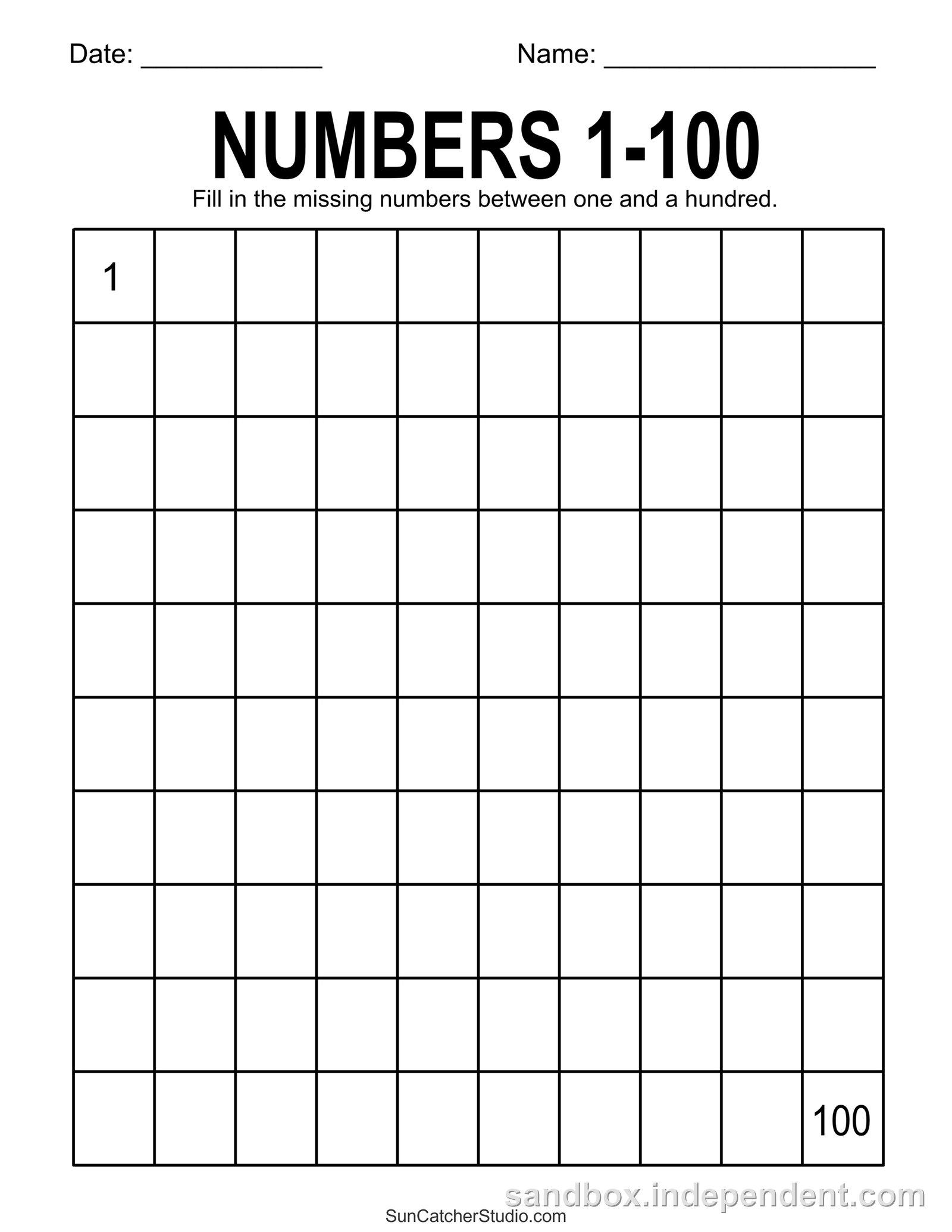
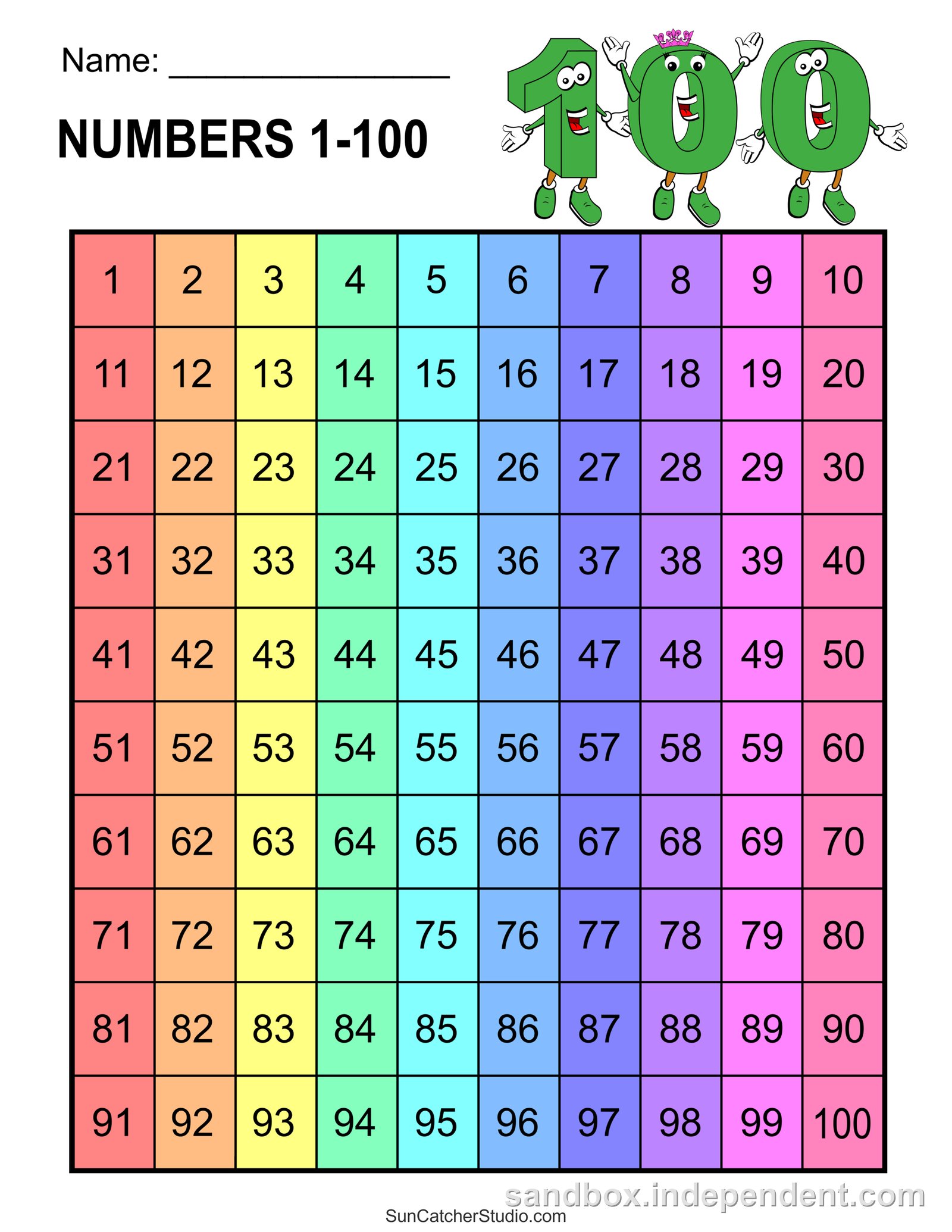
Plan Sheet Of Paper Overview
Easy paper craft for kindergarten is a fun and simple way to get creative with your little ones, and it's something I've really enjoyed doing with my kids. It's a great activity to keep them entertained and engaged, and it's so satisfying to see their little faces light up with pride when they've made something cool.
So, what is this all about? Well, it's basically a collection of craft ideas that use paper as the main material. These crafts are designed to be accessible and fun for kids, with simple steps and minimal supervision needed. It's a brilliant way to encourage their creativity and fine motor skills, and it's an affordable activity too!
You can find a whole range of ideas online, from the classic paper chain to more intricate pop-up cards. Some ideas are seasonal, like making paper snowflakes for Christmas, while others are more general and can be done anytime. The best part is that these crafts often require very few materials - paper, scissors, glue, and maybe some crayons or markers.
Getting Started
If you're new to this, I'd recommend starting with some basic folding and cutting activities. You can teach them how to make simple shapes like squares and triangles, and then use those to create fun designs. For example, folding a piece of paper into a fan shape is a great way to introduce the concept of symmetry and pattern-making.
Step It Up
Once they've got the hang of the basics, you can introduce more complex crafts. One of my favorites is making paper boats. It's a classic for a reason - it's easy, and kids love seeing their creations float in water! You can also try making paper hats, which is a fun way to encourage imagination and role-play.
The beauty of easy paper craft for kindergarten is that it's so adaptable. You can tailor the difficulty level to your child's age and abilities, and you can often use these crafts as a springboard for other activities. For instance, making a paper doll might lead to a fun dress-up game, or creating a paper city could inspire some imaginative play.
So, why not give it a go? It's a brilliant way to spend some quality time with your kids, and you might just discover a new hobby together!
Related: Decoding the r454b pt Chart: A Simple Guide
You're probably here because you need a quick guide to understanding the R454b PT chart and its applications. This handy reference tool is a go-to for many, offering a visual representation of refrigerant behavior. It's a simple yet powerful diagram, often used to interpret refrigerant temperature and pressure data. While the values and formats may vary depending on your specific needs or region, the R454b PT chart is a reliable starting point.
Understanding the r454b pt Chart
The r454b pt chart is a handy reference tool for anyone working with refrigeration and air conditioning systems. It provides a visual representation of the relationship between pressure and temperature for the refrigerant R454b. This chart is a valuable resource, offering a quick way to understand the state of the refrigerant under different conditions.
Comparing Chart Standards and Formats
There are variations in r454b pt charts, depending on the standard and region. Some charts use the metric system, while others follow the US customary units. It's essential to ensure you're using the right chart for your specific application and region. The format and layout may also differ, but the core information remains the same.
Step-by-Step Guide to Using the r454b pt Chart
Using the r454b pt chart is straightforward. First, locate the pressure value on the chart's horizontal axis. Then, move vertically to find the corresponding temperature. The intersection of these two values represents the state of the refrigerant. Here's a simple 3-step process:
- Identify the pressure.
- Find the temperature.
- Read the intersection point for the refrigerant's state.
For example, if you have a pressure of 100 psi and a temperature of 40°F, the chart will show that the refrigerant is in a liquid state.
Avoiding Misreadings and Pitfalls
Misinterpreting the r454b pt chart can lead to incorrect assumptions. Always ensure you're using the correct chart for your refrigerant and region. Pay attention to the units; some charts use psi, while others use bar or kPa. Converting units can be a simple fix but is essential for accuracy. Also, be aware that the chart represents a general guide; real-world conditions may vary slightly due to system design and other factors.
Factors Affecting Accuracy and Real-World Use
Several factors can influence the accuracy of the r454b pt chart. Firstly, the chart is a simplified representation and may not account for all variables in complex systems. Additionally, the chart assumes ideal conditions, so actual results may vary. It's crucial to consider the specific application and system design when using the chart. For instance, the presence of other gases or contaminants can affect the refrigerant's behavior. Always refer to manufacturer specifications and guidelines for precise information.
Hey there, we hope you found this guide helpful in navigating the world of R454B PT charts. Remember, while the basics remain consistent, the exact details can vary slightly, so always refer to the specific standards and sources relevant to your project.
Feel free to explore our other guides; we've got a range of practical resources to help you tackle various topics with ease. Happy learning, and keep those charts handy!
Related: Unraveling the Goku Family Chart
As you embark on your quest for a clear and concise Goku family chart, a visual guide to the intricate relationships within the Dragon Ball universe, you'll find a wealth of information at your fingertips. This chart, a comprehensive tool for fans and enthusiasts, offers a structured glimpse into the complex web of connections, providing a quick and reliable reference for those seeking to navigate the Saiyan genealogy. While the format may vary, with different versions offering unique insights, the core purpose remains: to unravel the warrior family history and present it in an accessible manner.
Understanding the Goku Family Chart
The Goku family chart is a visual representation of the intricate relationships and lineage within the iconic Dragon Ball franchise. It serves as a comprehensive guide, offering a clear overview of the extensive family tree of the Goku lineage. This chart is an essential tool for fans and enthusiasts, providing a structured way to navigate and understand the complex web of connections between characters.
Key Family Members and Notable Relations
When examining the Goku family chart, you'll encounter various categories and branches. The chart typically begins with the original saiyan warrior, Goku's grandfather, and then branches out to include his immediate family, such as his wife, Chi-Chi, and their children, Gohan and Goten. As you explore further, you'll discover extended family members, including Goku's father, Bardock, and his brother, Raditz. Each category represents a generation, with unique abilities and power levels that define the characters.
Power Levels Explained: A Step-by-Step Guide
Understanding the power dynamics within the Goku family chart is crucial. Here's a simple guide:
- Start by identifying the generation or category of the character you're interested in. This will give you a baseline understanding of their power level.
- Within each generation, characters may possess unique abilities or transformations that enhance their power. Take note of these, as they can significantly impact their overall strength.
- Compare characters across generations to grasp the evolutionary growth of power within the Goku lineage. This will help you appreciate the progression of strength and abilities over time.
- Remember, power levels can vary depending on the specific standards or formats used in the Dragon Ball universe. Always refer to the relevant sources or episodes for accurate representations.
Common Misreadings and How to Avoid Them
One common pitfall when interpreting the Goku family chart is assuming a direct correlation between power levels and family ties. While family members may share similar abilities, their individual power levels can vary significantly. It's essential to consider each character's unique journey and training to understand their true strength. Additionally, be cautious of generalizations; each character's power level may fluctuate based on various factors, including training, transformations, and even plot-specific enhancements.
Factors Affecting Accuracy and Real-World Application
The accuracy of the Goku family chart relies on several key factors. Firstly, it's important to note that the Dragon Ball franchise has evolved over time, with new characters, transformations, and power-ups introduced in different series and movies. Therefore, the chart must be regularly updated to reflect these changes accurately. Secondly, the chart's effectiveness depends on the reader's familiarity with the Dragon Ball universe. A basic understanding of the characters, their abilities, and the overall narrative is essential for a comprehensive interpretation. Finally, while the chart provides a structured overview, it's always beneficial to cross-reference with other sources, such as official guides or fan-curated databases, to ensure the most accurate and up-to-date information.
Remember, when working with the Goku family chart, it's essential to consider your unique situation and any specific requirements you may have. While this guide provides a solid foundation, variations can occur, so double-check the details that matter most to you.
Feel free to explore our other resources and guides; we've got plenty of practical information to help you navigate various topics. Take a look around and find the tools you need to stay organized and informed!