




Planner Inserts Personal Size Overview
An eye shape chart is a valuable tool for understanding and identifying the various shapes and structures of the eyes. This guide aims to provide a straightforward overview, offering insights into how these charts work and their practical applications.
The chart serves as a visual reference, categorizing eye shapes and often including measurements. It can help individuals recognize their eye type and understand the associated terminology, such as monolid or hooded. While the specifics may vary depending on the source, the eye shape chart remains a reliable starting point for self-analysis and a great foundation for further exploration.
Understanding Eye Shapes: An Eye-Opening Guide
The eye shape chart is a valuable tool for anyone seeking to learn about the diverse shapes of eyelids and eyes. This guide will help you navigate this chart, offering a clear understanding of its purpose and use.
Key Details and Categories
The eye shape chart typically categorizes eye shapes based on the appearance of the eyelid and the visible portion of the eye. Common categories include monolid, hooded, almond, round, and deep-set eyes. Each category has unique characteristics, such as the presence or absence of a visible eyelid crease or the shape of the eye itself.
Reading the Eye Shape Chart: A Step-by-Step Guide
To read the eye shape chart, follow these steps:
Start by identifying the primary features of your eyes. Look for the presence of an eyelid crease, the shape of the eye opening, and the overall contour of the eyelid.
Compare your observations to the categories on the chart. Match the visible features of your eyes to the corresponding category.
Once you've identified your eye shape, you can explore the chart further to learn more about your specific eye type. The chart often provides additional information, such as common traits, makeup tips, or even optical considerations.
Variations and Differences: Why Do They Exist?
Variations in eye shapes are a natural part of human diversity. Genetic factors play a significant role, as eye shape is often inherited. Additionally, factors like age, ethnicity, and even lifestyle can influence the appearance of the eyelids and eyes. For instance, as we age, the skin around the eyes may change, affecting the shape and visibility of the eyelid crease.
Common Mistakes and How to Avoid Them
When using the eye shape chart, it's important to avoid these common mistakes:
Relying solely on the chart: While the chart is a great guide, individual variations exist. Take it as a starting point, but consider seeking professional advice or conducting further research for a more precise understanding.
Overlooking personal features: Each person's eyes are unique. Pay attention to your specific eye traits, such as the color, size, and spacing, as these can influence the overall appearance.
Ignoring context: The eye shape chart may not cover all situations. For example, certain medical conditions or previous surgeries can alter eye shape. Always consider your personal context and consult experts when needed.
Practical Tips for Accurate Results
To ensure accurate results when using the eye shape chart, consider these tips:
Lighting: Ensure you examine your eyes in natural light or good artificial lighting to get an accurate view.
Angle and Distance: Maintain a consistent angle and distance when observing your eyes to avoid distortion.
Compare and Contrast: Compare your eyes to the chart's examples, but also contrast them with other eye shapes to gain a broader understanding.
Seek Expert Advice: If you're unsure or have specific concerns, consult an optometrist or ophthalmologist for a professional opinion.
Remember, the eye shape chart is a valuable tool, but it's just one part of understanding your unique eye characteristics.
Remember, while this guide offers a comprehensive overview, the specifics of eye shape charts can differ slightly based on individual needs and contexts. Feel free to adapt and customize the chart to suit your unique requirements.
Consider bookmarking this page for future reference. Whether you're a makeup artist, a fashion enthusiast, or simply curious about eye shapes, having this guide handy will ensure you always have a reliable resource at your fingertips.
Related: Junior Estimator Salary Essential Guide
"Wow, that construction site looks busy! I wonder how they plan and cost all these projects. It must be a lot of work, and someone has to do it. I'm curious about junior estimator salaries and what that job entails."
Estimating: The Foundation of Construction
As a building project begins, someone has to estimate the costs. That's where junior estimators come in. They play a crucial role in the early stages, helping to shape the financial plan. It's a detailed process, and their work affects the entire project. So, what does a junior estimator do, and what can you expect from this role?
Estimators gather data, analyze costs, and create detailed reports. They consider materials, labor, and any specific requirements. It's a precise job, and estimators must be accurate to avoid costly mistakes. They work with contractors, architects, and clients to ensure everyone is on the same page. The role is an important one, and it's a great starting point for a career in construction.
A Day in the Life of a Junior Estimator
A typical day might involve researching and comparing prices for materials. Estimators need to find the best deals without compromising quality. They also calculate labor costs, considering the scope of the project and the required skills. It's a balancing act, ensuring the estimate is competitive while also being realistic. Junior estimators often work with more experienced colleagues, learning the trade and developing their skills.
Finding a Junior Estimator Role
If you're interested in this field, you'll likely find opportunities with construction companies, remodeling firms, and even larger building organizations. It's a role often filled by recent graduates or those with some relevant experience. When looking for jobs, check online job boards and company websites. You might also find openings through industry connections or by approaching companies directly.
What to Expect from the Salary
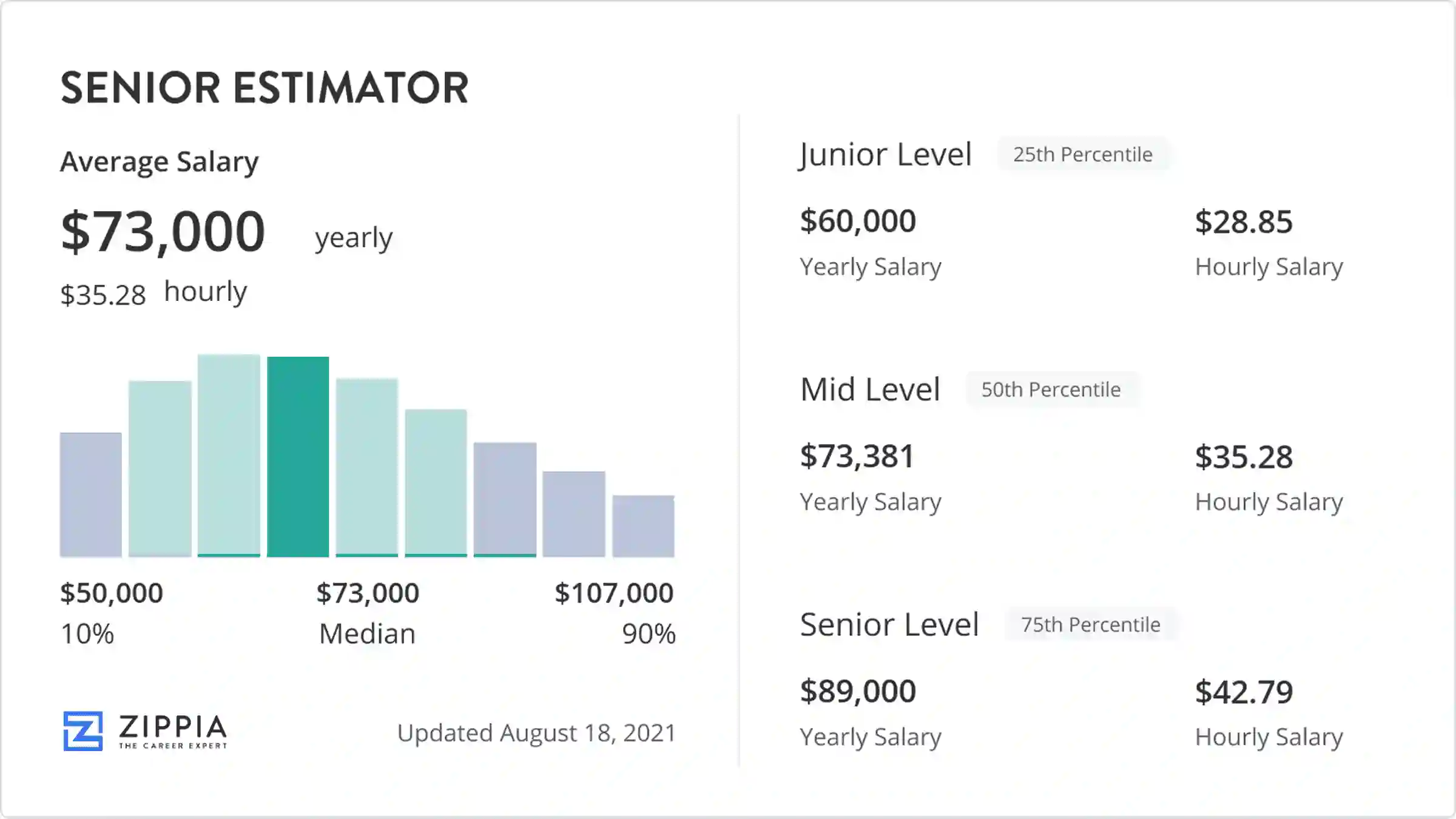
Junior estimator salaries can vary depending on the company, location, and your experience. It's a role that often comes with a set salary, rather than an hourly rate. As you gain experience, your salary is likely to increase. It's a great starting point, offering a stable income and the chance to develop valuable skills.
Building a Career in Estimating
Estimating is a specialized field, and with experience, you can progress to more senior roles. These roles often involve managing a team and taking on larger, more complex projects. You might also specialize in a particular area, such as commercial or residential construction. The skills you develop as an estimator are highly valued and can open doors to other roles in the industry.
Wrapping Up
So, there you have it! A glimpse into the world of junior estimators and their important role in construction. It's a fascinating field, and one that offers a great career path. If you're considering a role in estimating, I'd encourage you to research further and explore the opportunities. It's a rewarding career with plenty of room to grow and develop.
Related: Understand Wrist Size Chart: A Quick Guide
You're probably here because you need a quick answer, and the wrist size chart is a handy tool for just that. It's a simple yet effective way to get accurate measurements, whether you're sizing up for a new watch or jewelry. This chart, a sizing guide, provides a reliable reference, and it's worth noting that the values may vary slightly depending on your region or the brand's standards.
Understanding the Wrist Size Chart
A wrist size chart is a handy tool that helps you determine the right size for various accessories like watches, bracelets, and even medical equipment. It's a simple yet effective guide, often presented as a table or diagram, that provides a quick reference for wrist measurements.
Key Details and Units
The wrist size chart typically includes two main columns: wrist circumference and corresponding size categories. The wrist circumference is measured in centimeters (cm) or inches, depending on the standard being used. You'll find a range of values, usually from around 12 cm to 22 cm, with each value representing a specific wrist size. Alongside these measurements, you'll see size categories, often labeled with letters or numbers, which indicate the appropriate accessory size.
How to Read and Apply the Chart
Using the wrist size chart is straightforward:
Measure your wrist circumference. This is done by wrapping a flexible tape measure around your wrist at the point where you'd wear a watch or bracelet. Ensure the tape is snug but not too tight.
Locate your measurement on the chart. Find the value that matches your wrist circumference.
Determine your size category. The chart will provide a letter or number corresponding to your measurement. This is your size category.
Select the right accessory. When shopping for watches, bracelets, or other wrist-worn items, refer to the size category you've identified. Most manufacturers will provide a size guide, ensuring you choose the perfect fit.
Variations and Differences
It's important to note that wrist size charts may vary slightly depending on the standard or region. Some charts might use different units of measurement, like millimeters (mm) or even a combination of cm and inches. Additionally, certain manufacturers or brands might have their own unique sizing systems, so always double-check the specific guidelines provided by the brand you're interested in.
Common Mistakes and How to Avoid Them
When using a wrist size chart, one common mistake is measuring your wrist incorrectly. Ensure you follow the instructions precisely to get an accurate reading. Another pitfall is assuming all charts are universal. Always check the units and standards used on the chart to ensure it aligns with your needs. Additionally, be aware that some accessories, like medical equipment, might require more precise measurements, so always refer to the specific guidelines provided. Finally, remember that wrist sizes can change slightly throughout the day due to factors like temperature and activity levels, so consider measuring at different times for the most accurate result.
Hey there! I hope this guide has been helpful in understanding wrist size charts and their practical use. Remember, while the basics remain the same, exact values can vary, so always double-check your source.
Don't forget to bookmark this page for future reference. It's a handy tool to have at your fingertips, and you never know when you might need to measure a wrist or two!