Planner Stickers Download Overview
Hey there! I was just thinking about how cool batman logo clipart is and how it can be used in so many fun ways. It's like a little piece of Batman magic that you can easily add to your projects or even just for fun. So, let's explore this simple yet awesome graphic element!
Batman logo clipart is basically a digital image, a vector graphic, that represents the iconic Batman logo. You know the one—the bold, black bat silhouette against a yellow background. It's a simple design, but it's instantly recognizable and has become an iconic symbol of the Batman universe. This clipart version is a digital file that you can download and use for various purposes.
The great thing about batman logo clipart is its versatility. It's not just for die-hard Batman fans; it can be used by anyone who wants to add a touch of superhero flair to their creations. Whether you're a graphic designer, a teacher, a parent, or just a fan of Batman, this clipart can be a fun and easy way to incorporate the Dark Knight into your work or hobbies.
A Quick Guide to Using Batman Logo Clipart
Using batman logo clipart is super simple. Once you've downloaded the file, you can open it in any image editing software or even a basic word processor. From there, you can resize it, change the colors, or even add text to personalize it. It's a great way to quickly add a professional-looking logo to your designs without having to create one from scratch.
You can use it for a variety of projects. For example, if you're a teacher, you could use it to create fun worksheets or classroom decorations with a superhero theme. Parents can use it to make personalized birthday invitations or party decorations for their little Batman fans. And for designers, it can be a quick and easy way to add a unique element to your work, whether it's for a client project or just for fun.
Get Creative!
There are so many ways to get creative with batman logo clipart. You could use it to make stickers, t-shirt designs, or even just as a fun wallpaper for your devices. The possibilities are endless, and it's a great way to show your love for Batman or add a bit of superhero style to your everyday life.
So, if you're looking for a fun and easy way to incorporate Batman into your world, batman logo clipart is definitely worth checking out. It's a simple graphic that can add a whole lot of fun and a touch of superhero magic to your projects!
Related: Uncover the Hair Levels Chart: Your Styling Guide
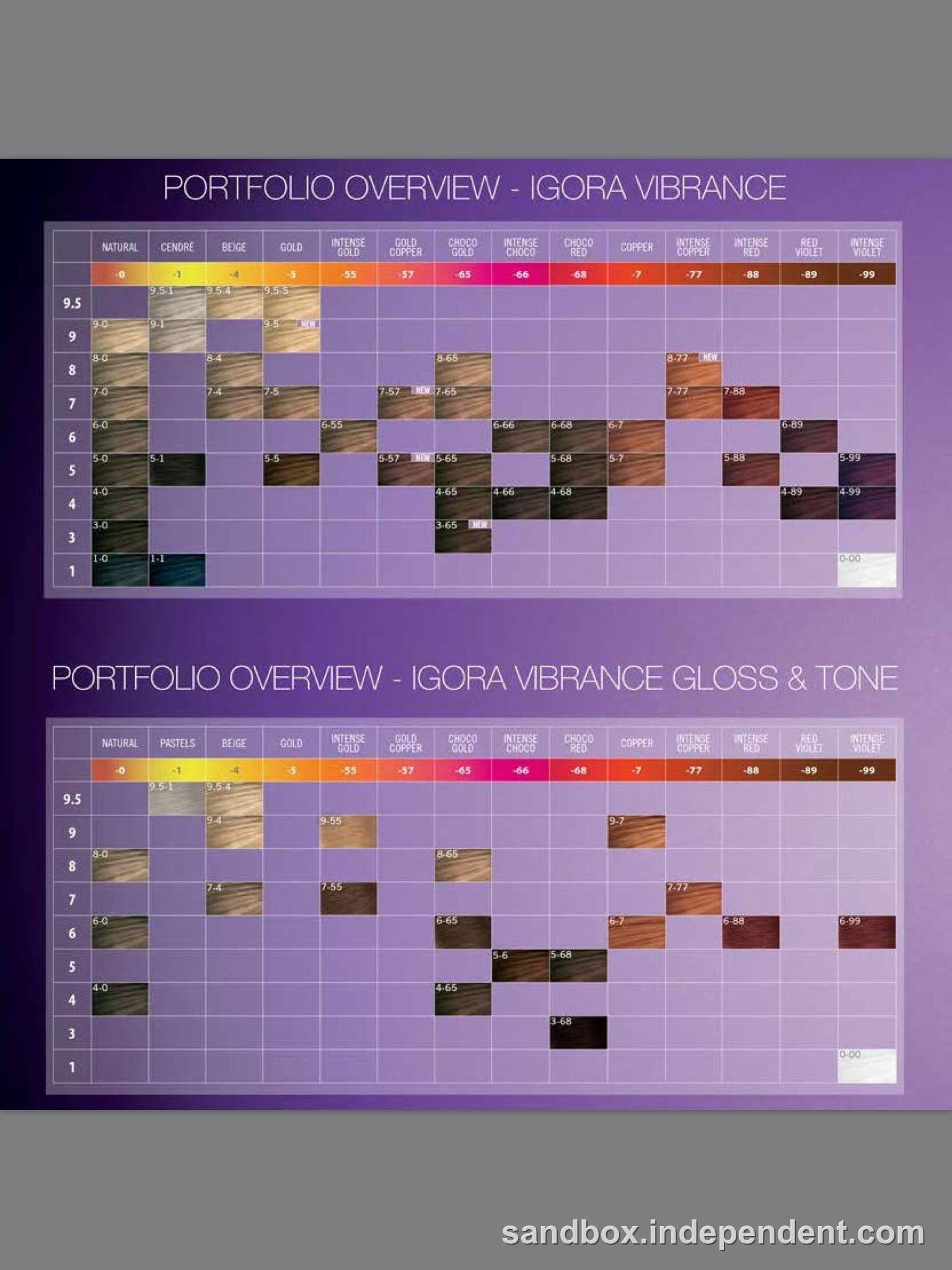
You're here, searching for a hair levels chart, a handy tool to help you understand your hair's characteristics. This chart is a simple yet effective way to visualize and assess your hair's thickness, density, and overall volume. It provides a quick reference, offering a snapshot of your hair's current state and a guide to track any changes over time. With various formats and standards, these charts offer a standardized way to measure and compare hair, ensuring an accurate and reliable assessment.
Understanding the Hair Levels Chart: Your Guide to Hair Volume
The hair levels chart is a handy tool to understand and categorize your hair's volume and thickness. It provides a simple, visual way to assess your hair's characteristics, which can be useful for styling, product selection, and even tracking hair growth progress. This chart typically uses a scale or a set of categories to describe hair volume, offering a quick reference for everyday use.
Comparing Hair Volume Standards: A Range of Options
There are various ways to categorize hair volume, and different charts may use different standards. Some common scales include a simple 1 to 10 scale, with 1 being the finest hair and 10 the thickest. Others might use a more detailed system, like a 1 to 20 scale, offering a broader range of options. Additionally, some charts might categorize hair into broad types, like "thin," "medium," and "thick," providing a more general overview.
Step-by-Step Guide: Using the Hair Levels Chart
- Start by gathering a small section of clean, dry hair, preferably from the top of your head.
- Hold the hair between your fingers and assess its thickness. Compare it to the visual representations or descriptions on your chosen hair levels chart.
- Match the thickness of your hair to the corresponding category or number on the chart. This will give you an idea of your hair's volume level.
- For a more precise assessment, you can count the number of hairs in the section you've gathered. This follicle count guide can provide additional insight into your hair's density.
Common Misconceptions and How to Avoid Them
One common mistake is assuming that the hair levels chart is a universal standard. While it provides a useful framework, it's important to note that hair characteristics can vary widely, and individual differences may not always fit neatly into these categories. Additionally, hair can change over time due to various factors, so regular assessments are beneficial. Always refer to the specific chart's instructions and consider any additional notes or explanations provided.
Factors Affecting Accuracy: Real-World Considerations
Several factors can influence the accuracy of your hair levels chart assessment. These include your hair's natural texture, whether it's curly, straight, or somewhere in between, as well as its overall health and condition. Environmental factors, such as humidity, can also temporarily affect your hair's volume and texture. It's essential to consider these variables when using the chart and to be aware that your hair's level may fluctuate. Regular assessments and a consistent approach will provide the most accurate results over time.
Hey there! We've covered a lot of ground in this post, and I hope it's given you a clear idea of how to navigate the hair levels chart and its various aspects. Remember, while the basics remain the same, there might be slight variations in the details, so always refer to the most relevant and up-to-date sources for your specific needs.
If you found this guide helpful, why not explore some of our other practical articles? We've got a range of topics that might just simplify your life, from organizing tips to handy reference guides. So, feel free to browse and discover more ways to make your daily routines a breeze!
Related: Find the Perfect Fit: Gildan Size Chart
You're likely here because you need to find the right size for a Gildan garment, and the Gildan size chart is your trusted tool for this task. This simple yet effective chart provides a quick and accurate way to determine the perfect fit, whether you're shopping for yourself or others. With various sizes and measurements, the chart offers a clear guide, ensuring you can make an informed choice. It's a handy reference, especially when considering the brand's popular unisex fit and the potential variations in sizing standards.
Understanding the Gildan Size Chart
The gildan size chart is a valuable tool for anyone looking to purchase Gildan apparel, providing a clear guide to help you choose the right size for a perfect fit. This chart is designed to offer a standardized sizing reference, ensuring consistency across their range of clothing.
Key Details and Categories
The chart typically displays a range of sizes, from extra-small to 5XL, and sometimes even larger. Each size is represented by a numerical value, such as 'S' for small or '3XL' for triple extra-large. These sizes are further categorized into specific measurements for various body parts, including chest, waist, and height. The measurements are provided in both inches and centimeters, offering a versatile reference for international customers.
Step-by-Step Guide to Reading the Chart
- Identify the type of garment you're interested in, as different apparel may have slightly different measurements. For instance, t-shirts and hoodies might have distinct fit specifications.
- Locate your body measurements on the chart. You'll typically find columns for chest, waist, and height, with corresponding rows for different sizes.
- Compare your measurements to the values on the chart. If your chest measurement falls within the range specified for a particular size, that's a good indication of the right fit.
- Consider the overall fit you prefer. If you like a looser fit, you might opt for a size larger than your exact measurements suggest. Conversely, for a more tailored look, you might choose a size slightly smaller.
Size Variations and Differences
It's important to note that size charts can vary between manufacturers and even between different Gildan product lines. This is because clothing is designed to fit differently, whether it's a relaxed, regular, or slim fit. Additionally, the intended use of the garment can influence the sizing. For example, a t-shirt designed for athletic wear might have a different fit than a casual t-shirt.
Common Mistakes and How to Avoid Them
One of the most common mistakes is assuming that all clothing brands use the same size standards. Always refer to the specific size chart for the brand and product you're interested in. Another pitfall is relying solely on your usual size without considering the fit you desire or the unique specifications of the garment. It's always a good idea to measure yourself and compare those measurements to the chart.
Practical Tips for Accurate Fitting
- When measuring yourself, ensure you're using a flexible tape measure for accurate results.
- Take measurements at the appropriate points on your body, such as the fullest part of your chest or the natural waistline.
- If you're between sizes, consider the fabric and style of the garment. Stretchy fabrics might allow for a slightly looser fit, while structured garments may require a more precise measurement.
- Don't forget to check the size chart for the specific product you're interested in, as sizing can vary even within the same brand.
- If you're still unsure, many online retailers offer size guides or customer reviews that can provide additional insights into the fit of a particular item.
Remember, while this guide provides a comprehensive overview, the specifics may shift slightly based on your unique context. Every brand and standard has its nuances, so it's essential to double-check the source for the most accurate information.
We have a range of other practical guides and resources on our site to help you navigate similar topics. Feel free to explore and discover more tips and tricks to make your sizing and fitting processes a breeze!