






Planner Stickers To Do Overview
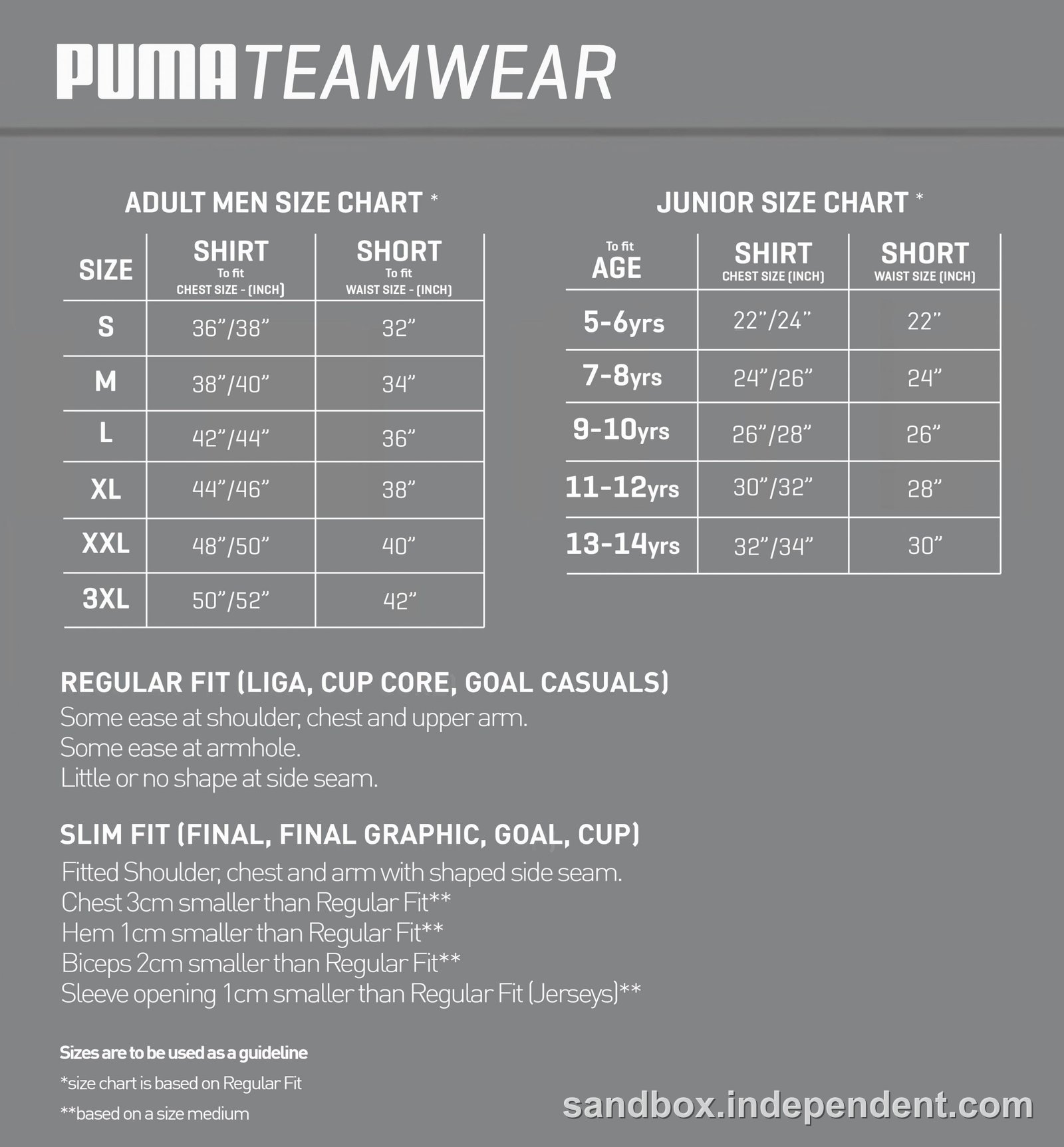
Many folks get confused by the various charts and guides out there, but the trek sizing chart is a straightforward tool to help you find your perfect bike fit. It's not as complex as some may think; this chart is a simple and effective way to ensure you get the right size for your riding style and comfort. Often, people overlook the importance of an accurate bike size, but with the right reference, you can avoid common sizing mistakes.
Choosing the Right Trek Size: A Quick Overview
The trek sizing chart is your go-to guide for selecting the perfect trek bike size. It's a simple yet effective tool that ensures you get the right fit, making your rides more enjoyable and comfortable. This chart provides a range of measurements and categories to help you find your ideal bike size.
Comparing Trek Sizing Standards and Formats
There are different standards and formats for trek size guides, depending on the region and manufacturer. The most common standards are the US and metric (international) systems. These standards use different units and measurement ranges, so it's essential to know which one applies to your trek frame size. The chart will typically indicate the standard it follows, ensuring you read the correct values.
Step-by-Step Guide to Using the Trek Sizing Chart
Using the trek sizing chart is straightforward:
- Identify the standard used in the chart. This information is usually provided at the top or in the key.
- Measure your body dimensions, including your height, inseam length, and arm reach. These measurements are crucial for an accurate fit.
- Locate your measurements on the chart. Most charts provide categories or ranges for each body part. Find the category that best matches your measurements.
- Cross-reference the categories to determine your ideal trek bike size. The chart will guide you to the appropriate frame size and other relevant specifications.
- Double-check the recommended size by considering your riding style and preferences. Some charts may offer additional notes or tips to help you fine-tune your choice.
Common Misreadings and How to Avoid Them
One common mistake is assuming that the chart provides exact measurements for your body. It's important to understand that the trek sizing chart offers a range of sizes based on average body proportions. Your unique body shape may require slight adjustments. Additionally, ensure you measure yourself accurately and consistently. Inconsistent measurements can lead to an incorrect size choice.
Factors Affecting Accuracy: Understanding Your Body and Riding Style
Several factors can influence the accuracy of the trek sizing chart for your specific needs:
- Body proportions: The chart provides averages, but your unique body shape may require adjustments. For example, if you have a longer torso, you might need a different frame size than what the chart suggests.
- Riding style: Consider your riding preferences and the type of terrain you typically ride. A more aggressive riding style may require a different frame geometry than a casual rider.
- Personal comfort: Ultimately, comfort is key. If a recommended size feels uncomfortable, don't hesitate to try a different one. Trust your instincts and listen to your body.
Choosing the Right Format: Standard vs. Customized Charts
While most trek sizing charts follow standard formats, some manufacturers offer customized charts for their specific bike models. These charts may provide more detailed information and account for unique frame geometries. If you're using a specialized trek bike, it's worth checking if a customized chart is available. It can offer a more precise fit, ensuring an optimal riding experience.
Keeping Your Setup Reliable for Future Reference
To ensure you can easily find your ideal trek bike size in the future, consider the following:
- Save your measurements: Record your body dimensions, especially if you plan to upgrade your bike or try a different model. This way, you can quickly reference your measurements and choose the right size.
- Keep the chart handy: Store the trek sizing chart in a safe place, preferably with your cycling gear or equipment. Having easy access to the chart ensures you can make informed decisions whenever needed.
- Update your measurements: As your body changes over time, especially with regular cycling, your measurements may evolve. Regularly updating your measurements ensures an accurate fit as you progress in your cycling journey.
Well, there you have it! A comprehensive guide to trek sizing charts, covering all the essential bases. We've compared the options, walked you through the process, and highlighted some common pitfalls to avoid. Remember, when it comes to sizing, accuracy is key, and your specific needs may require a tailored approach.
So, before you set off on your next adventure, take a moment to double-check your measurements and ensure you have the right setup. It's always worth taking that extra step to guarantee a comfortable and enjoyable trek. And hey, if you're keen to explore more, feel free to check out our other guides and resources. We've got plenty of practical tips to share, so keep exploring!
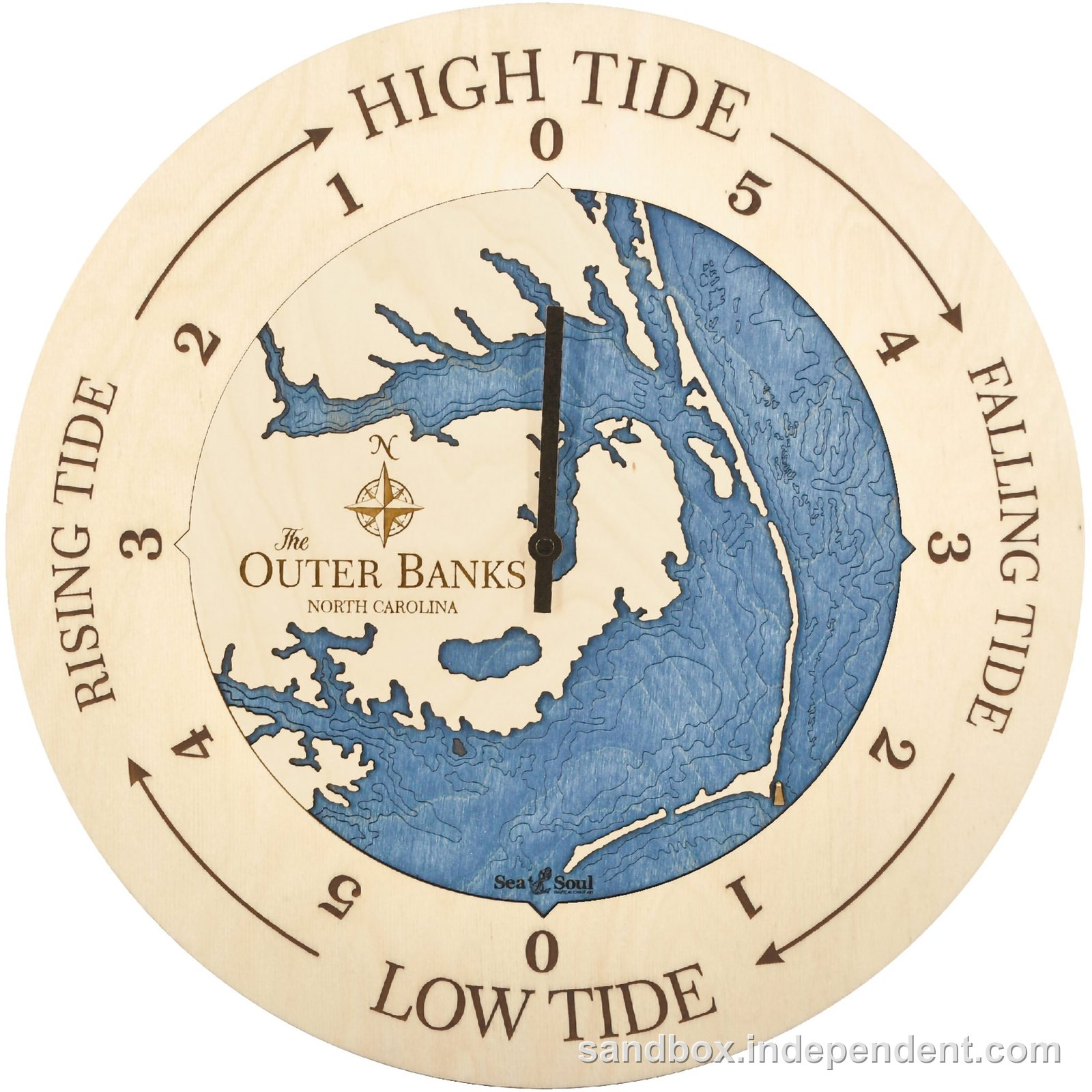
Related: Understand Sanibel Tide Chart: A Quick Guide
You're probably here because you need a quick answer, a reliable reference, or a simple guide to understanding the Sanibel tide chart. It's a handy tool, a visual aid, and a practical way to stay informed about the tides in your area. Whether you're planning a beach day, a fishing trip, or just need to know the tide levels, Sanibel Island tide times can be a helpful resource. These charts provide an easy way to visualize and predict the tide's behavior, and with various formats and standards, you'll find one that suits your needs.
Understanding Sanibel Tide Charts
A sanibel tide chart is your go-to guide for predicting tide levels and times on Sanibel Island. It's a handy tool for beachgoers, fishermen, and anyone who wants to plan their water-based activities. These charts provide a visual representation of the tides, making it easy to understand when the water will be at its highest or lowest points.
Reading Tide Data: Standard Formats
The sanibel tide chart typically displays two key pieces of information: tide height and time. You'll see the height represented in feet or meters, depending on the chart's standard. For instance, a common format might show "3.5 ft" or "1.05 m" to indicate the tide's height. The time is usually in a 24-hour clock format, so "15:00" represents 3 PM.
Step-by-Step Guide to Using a Sanibel Tide Chart
- First, identify the date and time you're interested in. This is crucial for accurate planning.
- Locate the corresponding time on the chart. It's often presented in a table format, with times listed horizontally across the top.
- Read the tide height for that time. If it's a table, the height will be in the relevant column.
- Remember, these are predictions, so actual conditions may vary slightly. Always check the current conditions before heading out.
- For a more detailed plan, you can also note the tide's direction (incoming or outgoing) and speed, which might be indicated on the chart.
Common Misreadings and How to Avoid Them
It's easy to misinterpret a sanibel tide chart, especially if you're new to reading them. One common mistake is assuming the tide will be at its highest or lowest exactly on the hour. In reality, tides transition gradually, so the extreme points often occur a few minutes before or after the hour. Another pitfall is not considering the chart's specific location. Remember, tides can vary slightly across different areas of Sanibel Island. Always double-check the location the chart refers to.
Factors Affecting Accuracy and Real-World Use
Several factors can influence the accuracy of a sanibel tide chart. Weather conditions, particularly strong winds or storms, can cause significant variations in tide levels. Additionally, the moon's phase and its proximity to Earth can impact tidal patterns. While the chart provides a reliable prediction, it's always a good idea to keep an eye on the actual conditions, especially during extreme weather events. Furthermore, the chart's accuracy relies on the data it's based on, which is usually collected over a long period. So, while it offers a great guide, it's not foolproof for every situation.
Well, there you have it! A comprehensive guide to understanding and utilizing the Sanibel tide chart. We've covered the basics, compared different formats, and walked through the process of reading and interpreting the data.
Remember, while this guide provides a solid foundation, it's always a good idea to consider your unique circumstances. Factors like your specific location, the time of year, and any local variations can impact the accuracy of your readings. So, take a moment to ensure you've got the right context before you set sail!
Feel free to explore our other guides and resources for more practical tips and insights. We've got you covered for all your coastal adventures!
Related: Small Kitchen Remodel Easy Guide
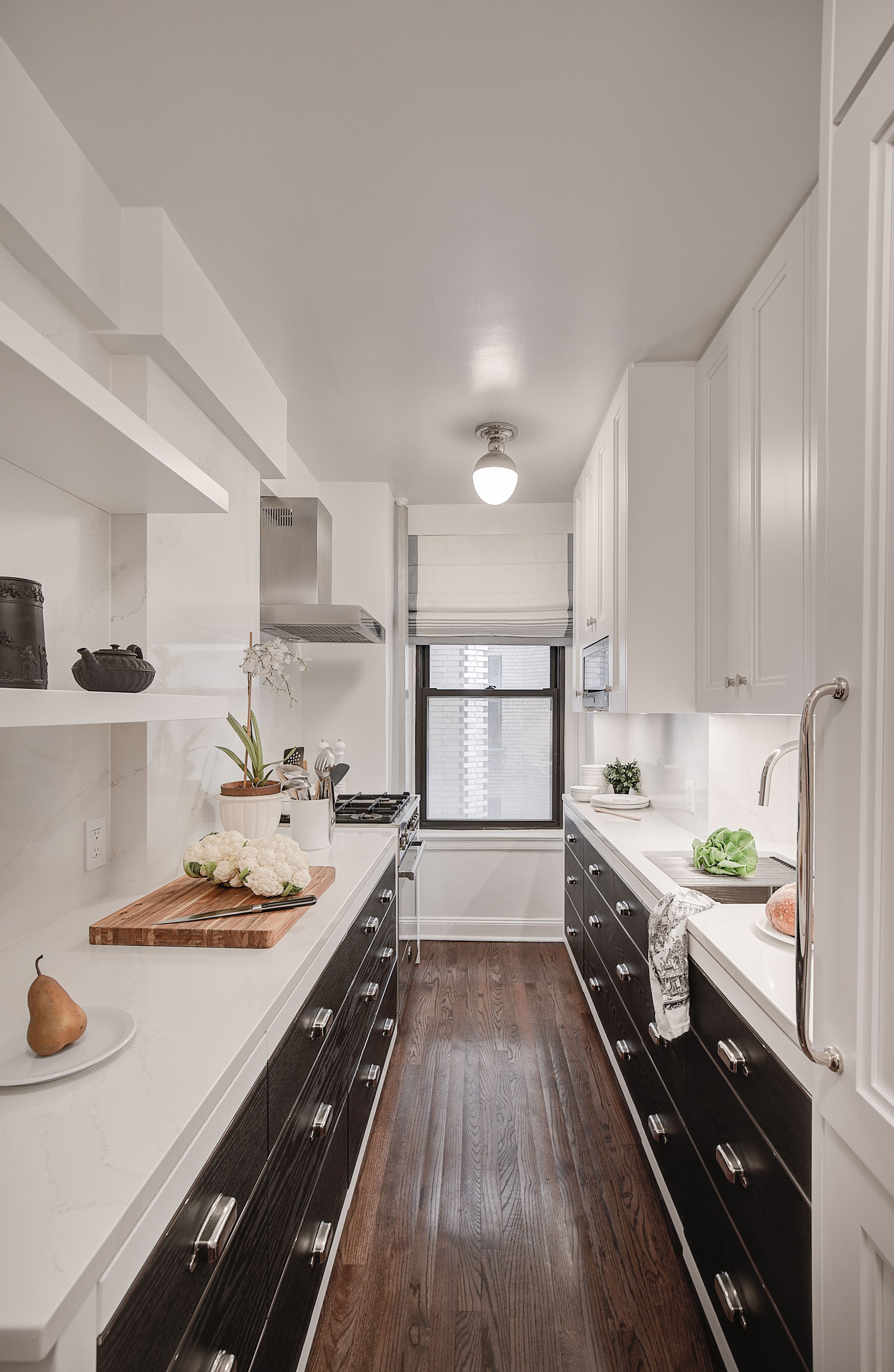
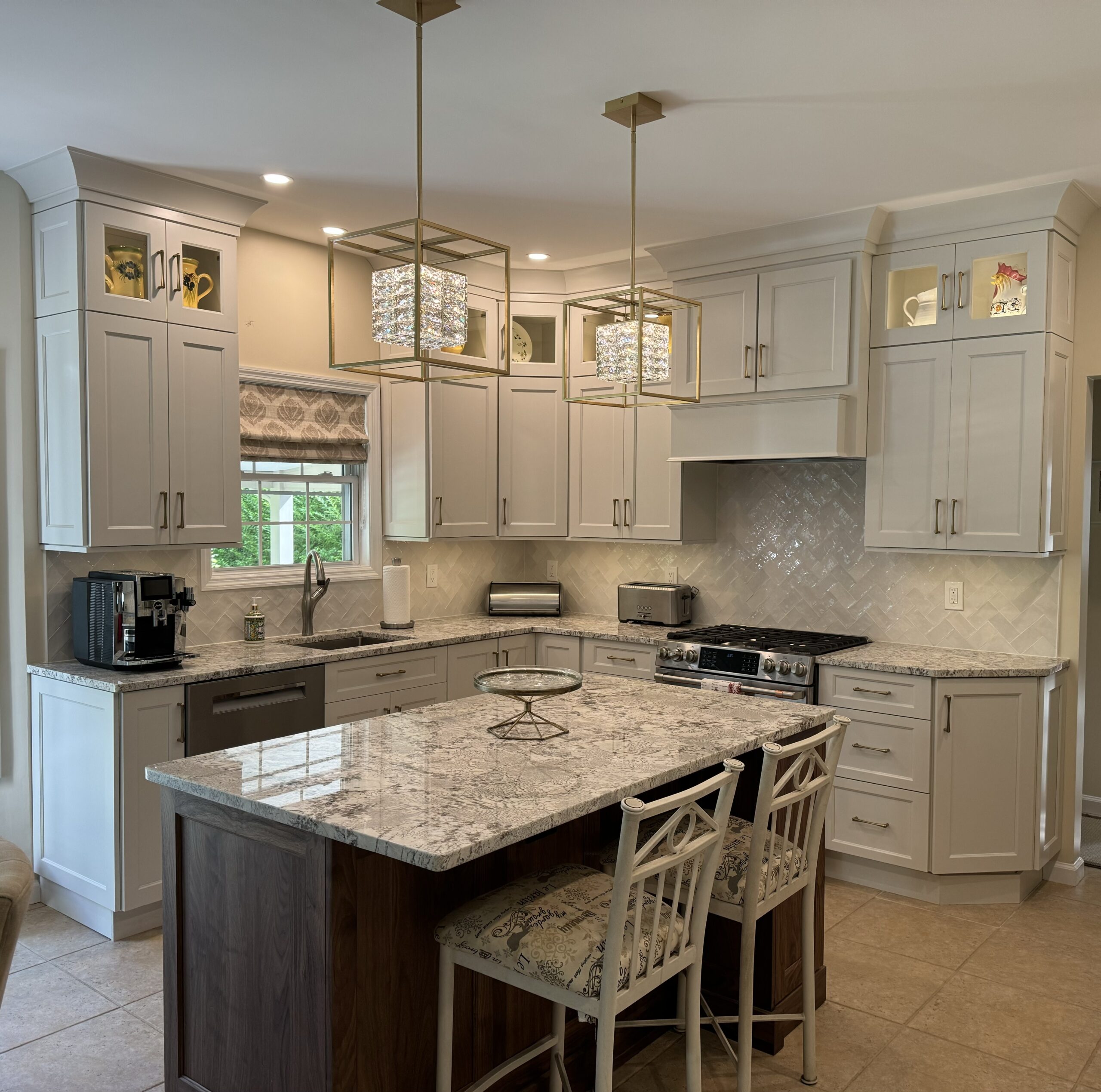
I just moved into a new place, and the kitchen is so tiny! I'm thinking about doing a small kitchen remodel to make it more functional and enjoyable to use. It's amazing how much a simple refresh can transform a space.
All About Your Small Kitchen Remodel
A small kitchen remodel is a great way to enhance your cooking and dining experience without a full-scale renovation. It focuses on improving the layout, storage, and overall functionality while keeping costs and disruption to a minimum. You can achieve a lot with some clever design and thoughtful upgrades.
First, assess your needs and budget. Decide what you want to achieve: more storage, a better workflow, or a brighter, more modern feel. Then, research materials and fixtures to find options that fit your style and price range. For example, new countertops and cabinet fronts can make a big difference, or you could consider a fresh coat of paint and some new hardware for a more affordable refresh.
When it comes to labor, you have a few options. If you're handy, you might be able to tackle some tasks yourself, like painting or installing new fixtures. But for more complex work, like plumbing or electrical, it's best to hire a professional. Look for local contractors or remodeling companies with good reviews and ask for quotes. Compare prices and ask about their experience with similar projects.
Finding the Right Contractor
Hiring a contractor is a crucial step in your small kitchen remodel. Check their licensing and insurance, and ask for references from past clients. A good contractor will listen to your vision and offer suggestions to make it a reality. They should provide a detailed quote outlining the work, materials, and expected timeline.
Get quotes from multiple contractors to compare prices and approaches. Don't just go for the cheapest option; consider their experience, reputation, and how well they understand your needs. A clear, itemized quote will help you spot any potential issues or hidden costs.
Construction and Remodeling Companies
Construction and remodeling companies come in all sizes, from sole proprietors to large firms. Smaller companies often offer more personalized service and may be more flexible with design and budget. Larger firms may have more resources and specialized teams, but they might be more rigid in their processes.
When choosing a company, consider your project's scope and complexity. For a simple refresh, a smaller local company might be ideal. But for a more extensive remodel, a larger firm with specialized departments could provide more comprehensive service.
Naming Your Business
If you're in the construction or remodeling business, your company name is key. It should be memorable, reflect your services, and stand out in a crowded market. Avoid generic names and opt for something unique and catchy. Here are a few ideas:
- Build-It-Better
- Renovate & Revive
- Home Transformation Pros
- Crafted Spaces
- Modern Makeovers
Remember to check name availability and secure the relevant local registrations and domains.
Final Thoughts
A small kitchen remodel is an exciting project that can transform your cooking space. By assessing your needs, researching options, and hiring the right help, you can create a functional and beautiful kitchen. It's a great way to add value to your home and make it a more enjoyable place to be. So, are you ready to get started?