








Planning Sheet For Non Chronological Report Overview
Many people assume that pillow sizes are a one-size-fits-all affair, but that's not the case! A pillow size chart is your go-to resource for understanding the diverse world of pillow dimensions. It's a simple yet powerful tool, offering a quick glance at the various sizes and their intended uses. From standard pillow dimensions to specialty sizes, this chart ensures you find the perfect fit for your needs.
Pillow Size Chart: A Quick Overview
A pillow size chart is a handy reference tool that provides a clear and visual guide to the various dimensions of pillows. It's like a map to help you navigate the world of pillow sizes, ensuring you get the right fit for your needs. This chart is a valuable resource for anyone looking to buy new pillows or pillowcases, as it offers a quick and easy way to understand the standard sizes available.
Comparing Standard and Custom Sizes
The beauty of a pillow size chart is that it presents both standard and custom sizes in a simple format. Standard sizes are the most common and widely used, and they often follow specific measurements and categories. These sizes are consistent across many brands and manufacturers, making it easy to find matching pillowcases or covers. On the other hand, custom sizes offer more flexibility and can accommodate unique preferences or specific requirements. Custom sizes might be necessary for specialty pillows, such as those designed for travel or medical purposes.
Step-by-Step Guide to Using the Chart
Using a pillow size chart is straightforward and can save you time and effort when shopping for pillows. Here's a simple process:
- Identify the Type: First, determine the type of pillow you need. Common types include standard, queen, king, and travel-sized pillows.
- Locate the Size: Find the corresponding size on the chart. The chart typically displays width and length measurements for each size.
- Check the Dimensions: Compare the chart's dimensions with the pillow or pillowcase you need. Ensure you match the width and length accurately.
- Consider Depth: Some charts also provide depth measurements, which is especially useful for pillows with varying thicknesses.
- Choose Your Size: Once you've found the size that matches your needs, you're ready to make an informed purchase.
Avoiding Common Misreadings
While a pillow size chart is user-friendly, it's essential to avoid a few common pitfalls:
- Unit Confusion: Always check the units of measurement. Some charts use inches, while others might use centimeters. Ensure you're comparing like with like.
- Rounding Errors: Charts often provide rounded measurements for simplicity. Be aware that actual products might have slight variations, so always check the exact specifications if precision is critical.
- Size Labels: Pay attention to size labels. For example, a "standard" size might not always be the same across different charts or regions.
Factors Affecting Accuracy
Several key factors can influence the accuracy of a pillow size chart and its real-world application:
- Regional Differences: Pillow sizes can vary between regions and countries. For instance, a "king" size in the US might differ from a "king" in Europe.
- Manufacturer Variations: Even within a region, manufacturers might have slight variations in their standard sizes. Always check the brand's specifications.
- Pillow Type: Different pillow types, like decorative or orthopedic pillows, might have unique size categories.
- Materials: The materials used can affect the overall size and shape of a pillow, especially over time as it ages and settles.
Choosing the Right Format for Your Needs
When it comes to pillow size charts, one size doesn't fit all. Here are some tips for choosing the right format:
- Standard vs. Custom: If you're looking for a quick and easy solution, a standard size chart is ideal. However, for specialized needs, a custom size chart might be more suitable.
- Online vs. Physical: Online charts are convenient, but having a physical chart or reference guide can be handy when shopping in-store.
- Visual Aids: Some charts use visual representations, like images or diagrams, to show size differences. These can be especially helpful for visual learners.
Keeping Your Reference Reliable
To ensure your pillow size chart remains a reliable reference, consider the following:
- Update Regularly: Pillow size standards can evolve over time. Periodically check for updated charts to ensure you have the latest information.
- Multiple Sources: Cross-reference charts from different sources to verify the accuracy of the measurements.
- Manufacturer Guides: Many pillow manufacturers provide their own size guides. Refer to these for specific product lines.
- Personal Notes: If you have unique pillow requirements, make a note of the sizes you need and keep them with your chart for easy reference.
So, there you have it! A handy pillow size chart can be a real game-changer for getting the perfect fit and comfort. But remember, it's always a good idea to double-check your specific needs and measurements to ensure you're getting the right size for your bed and sleeping style.
Feel free to explore our other guides and resources on similar topics. We've got plenty of practical tips and tricks to help you create a cozy and comfortable sleep space. Happy snoozing!
Related: Names For Concrete Business Essential Tips
I was thinking about starting a names for concrete business the other day, you know, something to do with construction and building. It got me wondering about the right name, something that would stand out and be memorable. So, I did some research and here's what I found...
Choosing a Name for Your Concrete Business
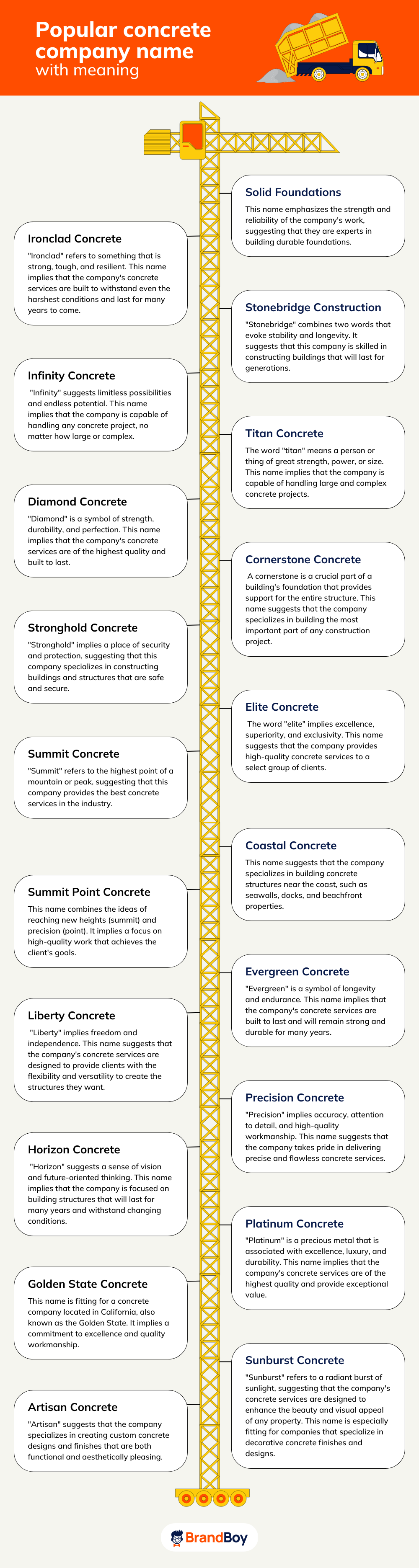
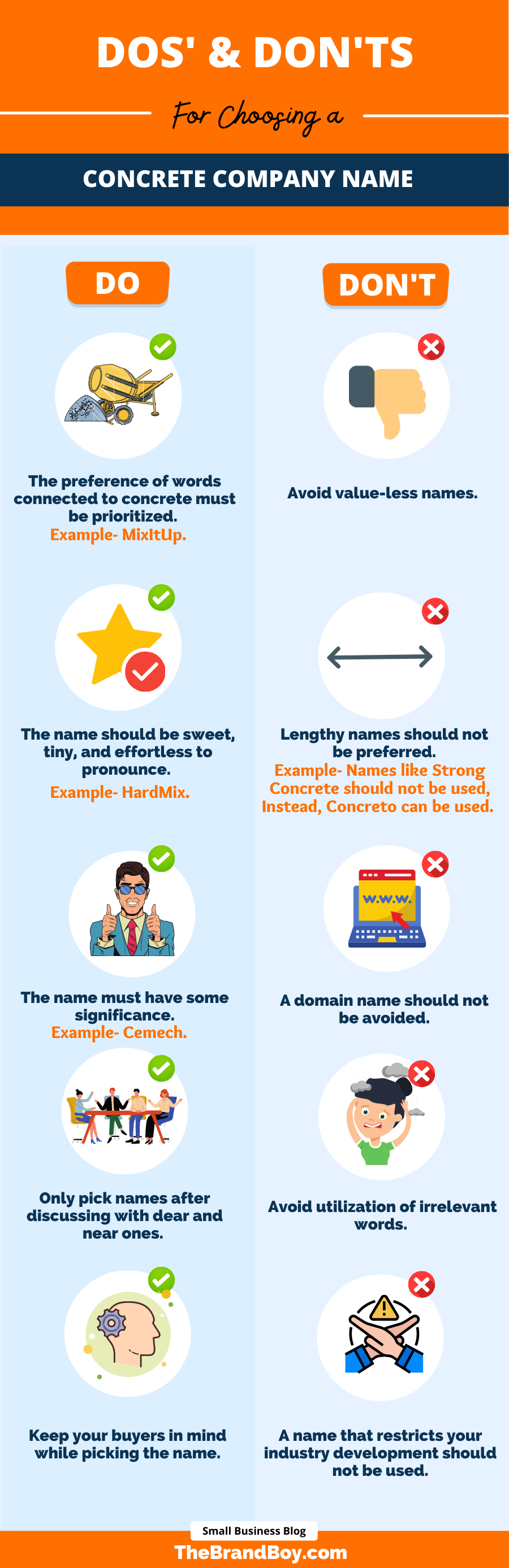
When it comes to naming your concrete business, you want something that reflects the strength and durability of the industry. A name that is catchy and easy to remember will help your business stick in people's minds. Consider words like "solid", "foundation", or "build" to convey a sense of stability and reliability.
What Makes a Good Name?
A good name for a concrete business should be unique and not too generic. Avoid common terms like "construction" or "builders" as these can be used by many different companies. Instead, focus on creating a name that is specific to your business and the services you offer. You could also consider using a play on words or a clever combination of words to make your business name memorable.
Example Names
Here are a few ideas to get you started:
- Solid Foundations
- Rock-Solid Builders
- Concrete Creations
- Build-It-Right
- Stronghold Construction
- Everlast Builders
Remember, these are just a few suggestions, and you can always get creative and come up with your own unique name.
Registering Your Business Name
Once you've settled on a name, you'll need to check its availability and register it. This process varies depending on your location, so it's best to contact your local business registration office or check their website for guidance. You'll also want to secure a domain name for your website and any social media handles to ensure your online presence is consistent.
Hiring a Contractor
If you're hiring a contractor for your project, whether it's a home renovation or a new build, it's important to do your research. Check their qualifications, experience, and references. Ask for a detailed quote, including a breakdown of costs, and compare it with other quotes to ensure you're getting a fair price. Don't be afraid to ask questions and seek clarity on any aspects of the quote you don't understand.
The Cost of Renovations
Renovation costs can vary greatly depending on the scope of the project, the materials used, and the location. It's always a good idea to get multiple quotes from different contractors to compare prices and ensure you're getting a competitive rate. Remember, the cheapest quote might not always be the best option, so consider the quality of the work and the reputation of the contractor too.
Industry Tools and Resources
There are various tools and resources available to help with construction and remodeling projects. RSMeans, for example, is a popular cost database used by professionals to estimate project costs. It provides accurate data on materials, labor, and other construction-related expenses. These tools can be beneficial for both contractors and homeowners to ensure projects stay on budget.
Construction Jobs and Salaries
The construction industry offers a range of job roles, from general contractors and estimators to specialized tradespeople. Salaries can vary depending on experience, qualifications, and the specific role. If you're looking for construction jobs, online job boards and local employment agencies are great places to start your search.
So, there you have it! A few insights into the world of names for concrete business. It's an exciting industry to be a part of, and with the right name and approach, you can build a successful business. Good luck!
Related: Find the Right Tooth Shade Chart for You
A common misconception about tooth shade charts is that they are complex and intimidating tools, reserved only for dental professionals. However, these charts are designed to be accessible and practical, offering a simple visual reference for anyone seeking to understand tooth shades accurately. The tooth shade chart, whether in the form of a guide or a scale, provides a clear and organized way to identify and match tooth colors, and it's an essential tool for various dental procedures and aesthetic treatments.
A Practical Guide to Tooth Shade Charts
Tooth shade charts are essential tools for dental professionals and technicians, offering a standardized way to assess and communicate tooth color. These charts provide a reference point for various dental procedures, ensuring accurate shade matching and aesthetic outcomes.
Comparing Standard Shade Guides
The most widely recognized tooth shade guide is the Vitapan 3D-Master Shade Guide. This guide features a systematic arrangement of shades, typically organized in a step-like structure, with each step representing a different shade range. Other popular systems include the Tabulation of Tooth Color and the Dental Shade Guide, which offer similar shade categorization but may vary in their specific numbering or labeling systems.
Practical Shade Matching Process
Using a tooth shade chart accurately involves a straightforward process:
- Prepare the teeth: Ensure the teeth are clean and dry, free from any debris or moisture.
- Lighting conditions: Standardize lighting to ensure consistent and accurate shade assessment. Natural daylight or specialized dental lighting systems are often recommended.
- Select the guide: Choose the appropriate shade guide based on the specific dental procedure and the patient's needs.
- Compare and match: Hold the guide next to the teeth and compare the shades. Look for the closest match, considering both the overall color and any subtle variations.
- Record the shade: Note the shade code or name from the guide for future reference and communication.
- Verify and confirm: Double-check the shade with the patient and ensure it aligns with their expectations and preferences.
Avoiding Misinterpretations and Pitfalls
While tooth shade charts are valuable, misinterpretations can occur. Here are some common pitfalls and how to avoid them:
- Lighting: Inconsistent lighting can lead to incorrect shade assessments. Always ensure proper lighting conditions to maintain accuracy.
- Teeth preparation: Poorly prepared teeth, with residual stains or moisture, can affect shade matching. Proper cleaning and drying are essential.
- Chart variations: Different shade guides may have slight variations in their shade ranges and labeling. Always refer to the specific guide's instructions and double-check the shade codes.
- Individual variations: Keep in mind that tooth color can vary due to factors like age, genetics, and oral health. Be mindful of these variations and communicate them clearly.
- Environmental factors: External factors like lighting conditions and the patient's overall complexion can influence shade perception. Take these into account during the matching process.
By following these guidelines and being aware of potential pitfalls, dental professionals can utilize tooth shade charts effectively, ensuring precise shade matching and enhancing the overall patient experience.
Using a tooth shade chart is a straightforward process, but it's important to remember that the exact values and shades can vary slightly, so always refer to the specific standard or source you're working with. Double-check the details and ensure you're using the right guide for your needs.
Feel free to explore our other guides and resources; we've got plenty of practical information to help you navigate various topics. It's always a good idea to expand your knowledge and stay informed!