



Plumbing Invoice Template Doc Overview
Many folks approach the opry seating chart with some confusion, assuming it's a complex maze to navigate. Rest assured, it's a straightforward tool! This chart is your guide to an enjoyable experience, offering a clear layout of the venue. With a quick glance, you'll grasp the layout, ensuring you know your spot and have an awesome view.
Understanding the Opry Seating Chart: A Quick Overview
The Grand Ole Opry seating chart is a visual guide that helps you navigate and choose your seats for an unforgettable live music experience. It provides a clear layout of the venue, showing the different sections, rows, and seat numbers. With this chart, you can easily visualize your view of the stage and make an informed decision about where to sit.
Comparing Seating Options: Best Views and Legroom
The seating chart offers a variety of options to suit different preferences. It displays sections with varying distances from the stage, providing a range of views. Some sections offer more legroom and wider seats, while others provide a more intimate and close-up experience. By comparing the chart's categories, you can decide whether you prefer a front-row view or a more spacious seating area.
How to Read and Use the Opry Seating Chart: A Step-by-Step Guide
- Start by familiarizing yourself with the chart's layout. Identify the different sections and their corresponding letters or numbers. Each section has its own unique characteristics, so pay attention to the details.
- Next, consider your personal preferences. Do you want to be close to the action or prefer a more relaxed view? The chart will help you visualize the sightlines and row visibility for each section.
- Check the seat numbers within each section. The numbers usually indicate the row and seat position, making it easy to locate your chosen spot.
- Keep in mind that some sections may have restricted views due to obstacles like pillars or sound equipment. The seating chart should provide notes or indications for these areas.
- If you require specific accommodations, such as wheelchair accessibility or extra legroom, refer to the chart's key or consult the venue's accessibility information.
Common Misreadings and How to Avoid Them
It's important to note that seating charts can sometimes be misleading if not read carefully. Here are some common pitfalls to watch out for:
- Section Visibility: Some sections may appear to offer a great view on the chart, but in reality, they might have limited sightlines due to the venue's design. Always check for any notes or reviews mentioning visibility issues.
- Row Spacing: The chart might not accurately represent the legroom between rows. It's best to research or ask for specific row measurements to ensure you have enough space.
- Seat Width: Similarly, seat widths can vary, so double-check if you require extra-wide seats for comfort.
Factors Affecting Accuracy: Real-World Considerations
The accuracy of the opry seating chart can be influenced by several factors. While the chart provides a general guide, it's essential to consider these variables:
- Venue Design: The layout and architecture of the Opry House can impact the actual views and seating arrangements. Some sections may have unique features or obstacles that affect the overall experience.
- Seat Cushions: The presence or absence of seat cushions can impact comfort and legroom. Check if the chart mentions cushion availability or consult the venue's website for details.
- Event Setup: The configuration of the stage and seating arrangement may vary depending on the event. Always refer to the specific event's seating chart for the most accurate information.
Adapting the Chart: Choosing the Right Format for Your Needs
Not all opry seating charts are created equal. Depending on your preferences and the event, you might need to adapt or choose a different format:
- Standard Seating Chart: This is the basic layout, providing a general overview of the venue. It's ideal for most events and offers a clear representation of the sections and rows.
- Detailed Seating Chart: For more specific needs, a detailed chart can provide additional information. It might include row-by-row measurements, seat widths, and even notes on visibility or accessibility.
- Interactive Seating Map: Some venues offer interactive maps that allow you to zoom in and explore different sections. This format provides a more immersive experience and can help you visualize your seating options better.
Hey there! I hope this guide has given you a clear picture of what to expect with Opry seating charts. Remember, while the basics remain the same, there might be slight variations in the details, so always double-check for your specific needs.
Feel free to bookmark this page for future reference, and if you're curious about other similar topics, explore our other guides. We've got you covered with straightforward, practical advice, so you can navigate these charts like a pro!
Related: Learn the Violin Notes Chart: A Simple Guide
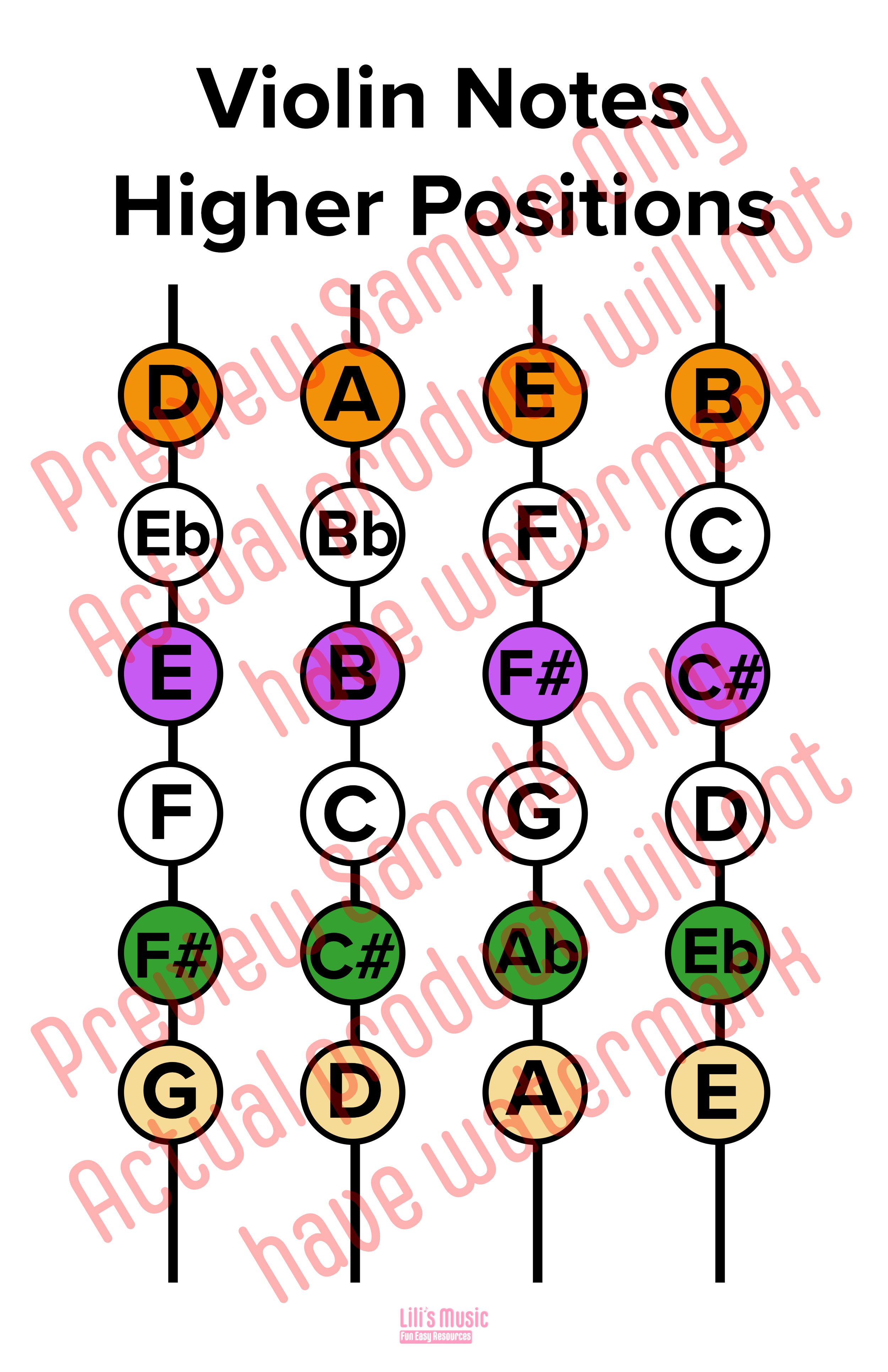
A violin notes chart is a handy tool for any violinist, offering a quick glance at the notes and their positions. This guide will cover the basics, helping you navigate and utilize this reference effectively.
The chart provides a visual representation of the violin's strings and their corresponding notes. While the standard tuning is a common reference point, it's worth noting that variations can occur, especially with different playing styles and regional traditions.
Understanding the Violin Notes Chart
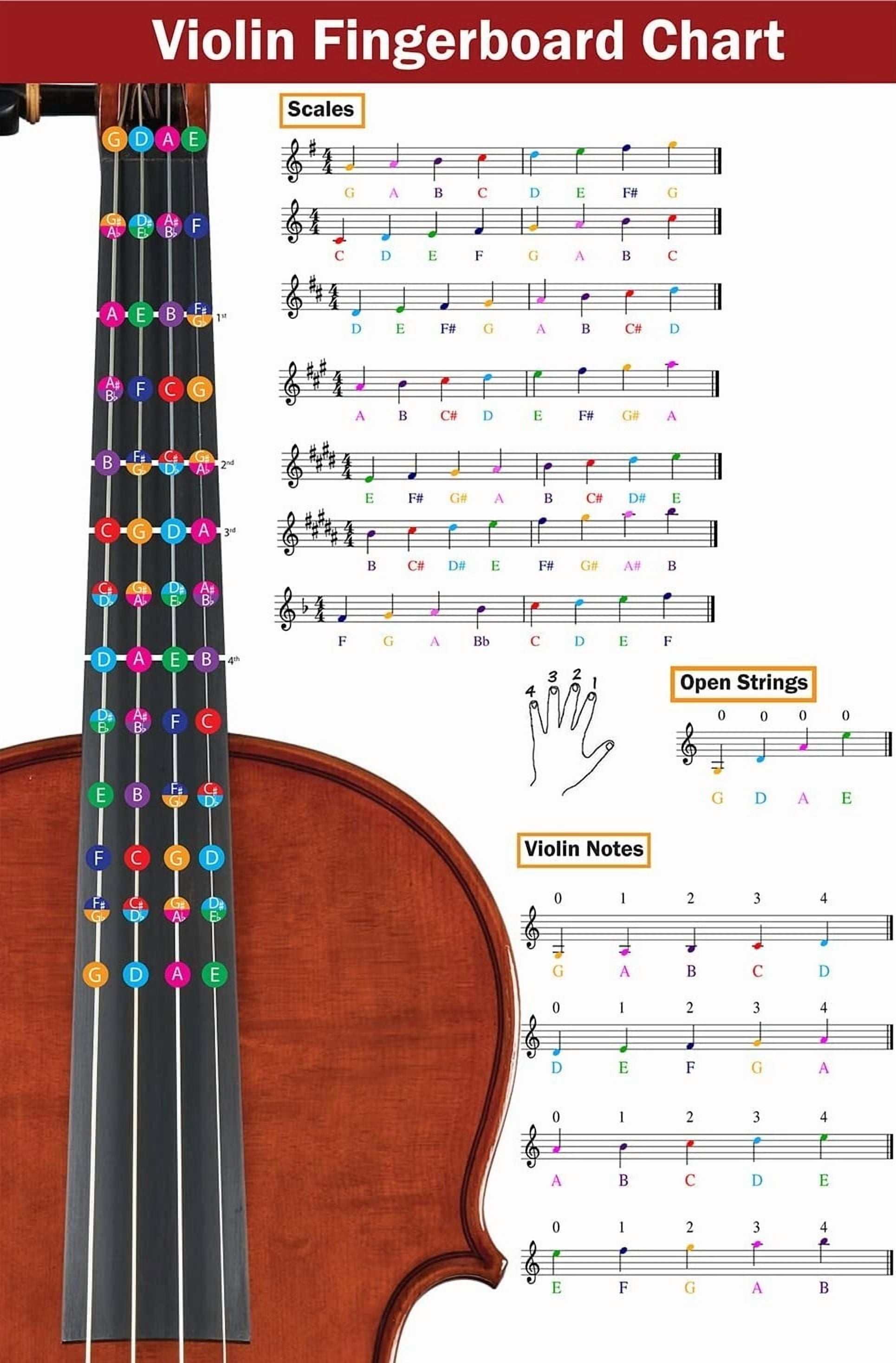
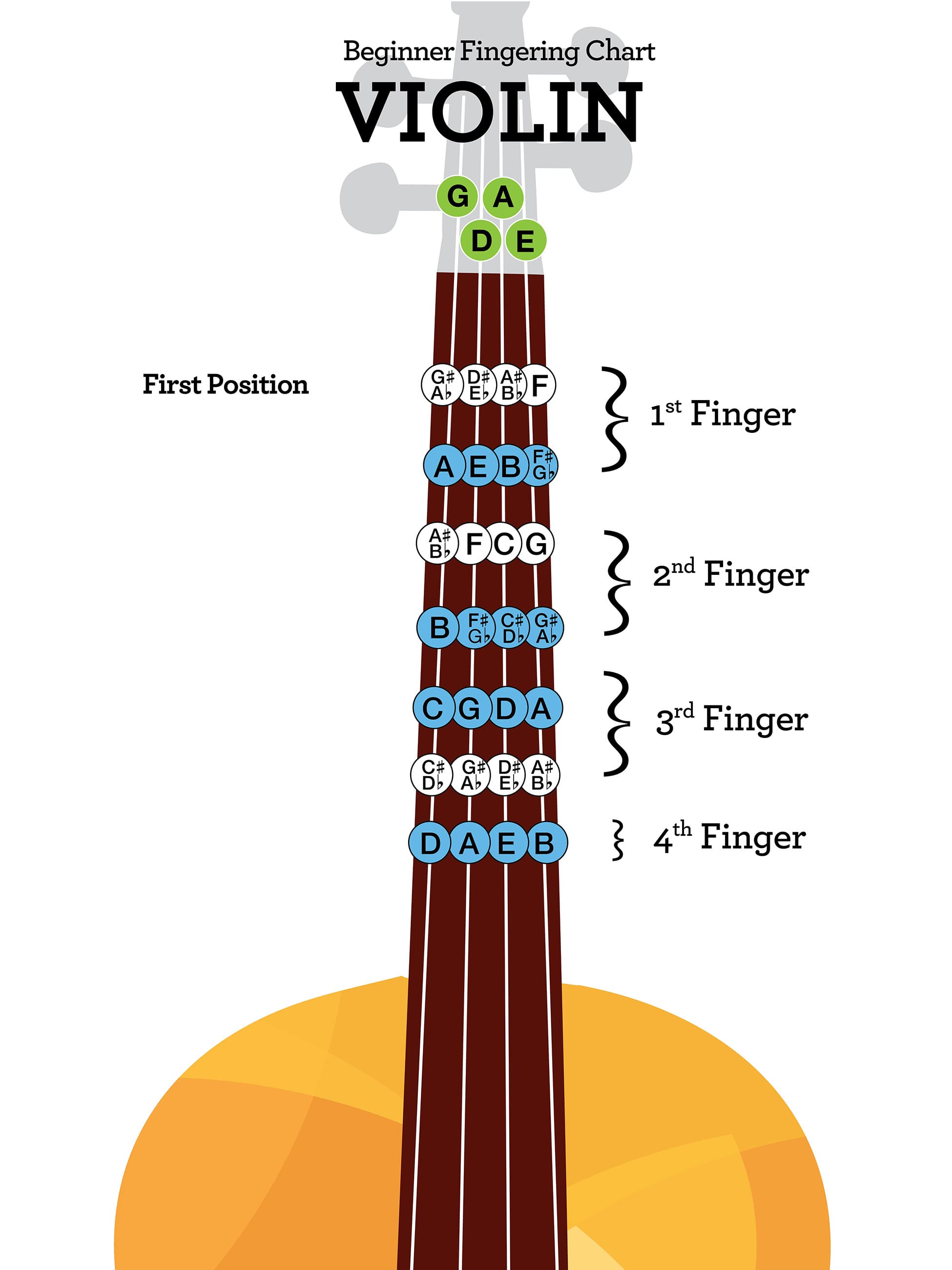
The violin notes chart is a handy tool for any violinist, offering a visual guide to the notes and their positions on the fingerboard. It's like a map, helping you navigate the strings and find the right notes with ease. This chart is especially useful for beginners, providing a clear reference point as they learn to play.
Comparing Note Patterns and Formats
There are various types of violin notes charts, but the most common format shows the fingerboard with frets or positions marked. Each fret or position corresponds to a specific note. You'll often see charts with different colors or symbols to indicate the notes on each string. Some charts also include finger placement guides, showing you where to position your fingers for each note.
Using the Chart: A Step-by-Step Guide
- First, familiarize yourself with the chart. Understand the layout and how the notes are represented. Each string has its own unique set of notes, so pay attention to the differences.
- Next, locate the open strings. These are the notes played without pressing any fingers on the fingerboard. You'll see them at the top of the chart, typically marked as G, D, A, and E.
- Now, start exploring the notes on each string. Press your finger at the indicated positions to play the corresponding notes. For example, if the chart shows a green circle at the third position on the D string, that indicates the note F#.
- Practice moving between notes smoothly. Try playing scales or simple melodies using the chart as a guide. The more you practice, the easier it will be to memorize the note positions.
- As you advance, you can explore alternative tunings and more advanced techniques. The chart can still be a valuable tool, even for experienced players, as it provides a quick reference for less familiar pieces or new styles.
Common Misreadings and How to Avoid Them
One common mistake is assuming that the chart represents the exact position of your fingers. Remember, it's a guide, and your hand size and finger length may vary. Always adjust the finger placement slightly to find the most comfortable and accurate position for your hand.
Another pitfall is ignoring the context. The chart provides a general guide, but the specific piece you're playing may require slight variations. Always refer to the sheet music or listen to the piece to understand the intended notes and their context.
Factors Affecting Accuracy and Real-World Use
The accuracy of the violin notes chart depends on several factors. Firstly, the chart's scale and size can impact its precision. A larger chart may provide more detail, but it's essential to find a balance between size and portability.
Secondly, the chart's design and formatting can affect its usability. Look for charts with clear, easy-to-read fonts and colors. Avoid overly complex designs that may distract from the main purpose of the chart.
Lastly, remember that the chart is a tool, not a substitute for practice and musical understanding. It's a guide to help you find the right notes, but the real magic happens when you internalize the music and play with expression and feeling.
Hey there! We've covered a lot of ground in this blog post, giving you a comprehensive guide to violin notes charts. Remember, these charts are a handy tool, and while the basics remain the same, you might find slight variations depending on your specific needs and the source you're using.
So, the next time you're practicing or teaching, be sure to bookmark this page for a quick reference. It's always good to have these resources at your fingertips, and we've got plenty more guides to explore, so feel free to dive in and discover more!
Related: What is the vocal ranges chart?
Many people mistakenly believe that vocal ranges charts are complex and intimidating, but in reality, they are a simple and powerful tool for singers and vocal enthusiasts. These charts, often presented as visual guides, provide a clear overview of the different voice types and their respective ranges. While the specifics may vary slightly depending on the source, the vocal ranges chart serves as an accessible reference, helping singers navigate and understand their vocal potential.
Understanding the Chart: An Overview
The vocal ranges chart is a handy reference tool for singers and vocal enthusiasts. It provides a visual representation of the different vocal ranges, helping you identify and understand your voice type and its capabilities. This chart is a great starting point for anyone wanting to explore their singing potential and improve their vocal technique.
Comparing Voice Types and Ranges
The chart typically categorizes vocal ranges into several standard types, including soprano, mezzo-soprano, alto, tenor, baritone, and bass. Each category has a specific range of notes, shown as a visual scale, that defines the voice's capabilities. For instance, a soprano voice, often associated with higher pitches, has a range that extends to the higher end of the scale.
How to Read and Use the Chart
Using the vocal ranges chart is straightforward:
- Identify your voice's general range by singing through a scale or using a pitch-detecting app.
- Locate your lowest and highest comfortable notes.
- Refer to the chart and match your range with the closest vocal type.
- Use this information to choose songs that suit your voice and explore your vocal potential.
For example, if your range aligns with the soprano category, you'll know you can comfortably sing higher-pitched songs.
Common Misconceptions and Pitfalls
One common mistake is assuming that the chart provides an exact, rigid definition of your voice type. In reality, vocal ranges can overlap, and some voices may not fit neatly into one category. It's essential to understand that the chart is a guide, and your voice may have unique characteristics that set it apart. Additionally, factors like age, training, and vocal health can influence your range, so regular assessment is beneficial.
Factors Affecting Accuracy and Real-World Use
Several key factors can impact the accuracy of the vocal ranges chart and its real-world application:
- Age and Development: Vocal ranges can change as you age, especially during puberty and early adulthood.
- Training and Practice: Consistent vocal training can expand your range and improve your technique.
- Vocal Health: Illness, strain, or damage to the vocal cords can temporarily alter your range.
- Musical Style and Genre: Different music genres may require specific vocal ranges or techniques.
Adapting the Chart for Specific Needs
While the standard vocal ranges chart is a great starting point, it might not cater to everyone's needs. For instance, some charts provide more detailed subdivisions for specific voice types, offering a more precise guide. Others might use different measurement systems or cater to non-traditional vocal styles. It's essential to choose a chart that aligns with your musical goals and preferences. If you're unsure, consulting a vocal coach or expert can provide valuable guidance.
Hey there! I hope this vocal ranges chart guide has been a helpful tool for you. Remember, these charts are a great reference, but they are not set in stone; the exact details might differ slightly based on your specific needs and the context.
Feel free to explore other guides and resources to deepen your understanding. And don't forget to bookmark this page for future reference; it's always handy to have these tools at your fingertips!