

Pnc Seating Chart A4 Overview
Many folks get overwhelmed when they first see a shades eq chart, thinking it's some complex, mysterious tool. But it's actually a simple, visual guide to hair color magic! This chart is your friend, offering a clear path to achieving those perfect hair tones.
It's a handy reference, whether you're a pro stylist or a color-curious individual. You'll find it covers various color mixing ratios and toning techniques, and while the specifics might vary slightly depending on your region or brand, the shades eq chart concept remains a reliable companion for your hair color adventures.
Understanding the Shades EQ Chart: A Simple Guide
The Shades EQ Chart is a valuable tool for hair professionals and enthusiasts, offering a visual guide to hair color mixing and toning. It simplifies the process of achieving desired hair shades and helps avoid common color mistakes.
Key Details and Categories
This chart typically features a grid-like structure, with rows and columns representing different hair color categories. The rows often indicate the base color or starting shade, while the columns represent the desired end result or tone. Each cell in the grid provides a specific mixing ratio or formula to achieve the target color.
How to Read and Apply the Chart
Reading the Shades EQ Chart is straightforward. Identify your client's current hair color on the chart, which serves as the base. Then, determine the desired new color or tone. The intersection of these two colors on the chart provides the recommended mixing ratio. For instance, if the base color is a level 6 and you aim for a warm brown tone, the chart will guide you to mix specific amounts of warm brown toner with the base color.
Variations and Differences
It's important to note that Shades EQ Chart variations exist, often due to different standards or manufacturer-specific formulas. These charts may use various color notations and mixing ratios, so always refer to the specific chart's guidelines. Additionally, hair porosity, previous color treatments, and natural hair texture can influence the final result, requiring adjustments to the standard ratios.
Common Mistakes and How to Avoid Them
A frequent error is overlooking the hair's condition and history. Always consider the client's hair health and previous color treatments. Another mistake is not following the recommended mixing ratios precisely. Accurate measurements are crucial for consistent results. Lastly, neglecting to perform a strand test before a full application can lead to unexpected outcomes.
Tips for Accurate Results
For precise color outcomes, ensure you're using the correct Shades EQ Chart for your product and standard. Always measure toners and developers accurately, and follow the recommended ratios. Conduct a strand test to preview the final result, especially with dramatic color changes. Additionally, be mindful of the hair's porosity and adjust the developer strength or processing time accordingly.
Double-Checking and Handling Exceptions
While the Shades EQ Chart is a valuable guide, it's essential to double-check the exact specifications for your product and client's hair. Some hair types may require customized formulas or additional steps. Always refer to the product manufacturer's guidelines and consider seeking professional advice for complex color corrections or unique hair conditions.
Remember, the Shades EQ Chart is a tool to simplify the hair coloring process, but it's not a one-size-fits-all solution. Adapt and customize the formulas based on individual hair needs for the best results.
Well, there you have it! A handy guide to navigating the shades eq chart with ease. Remember, these charts are a great reference, but it's always wise to double-check the specifics for your unique situation.
Consider bookmarking this page for future reference; it might just save you some time and effort the next time you need a quick reminder. Happy charting!
Related: Need a Boot Size Chart? Get Accurate Sizing Here
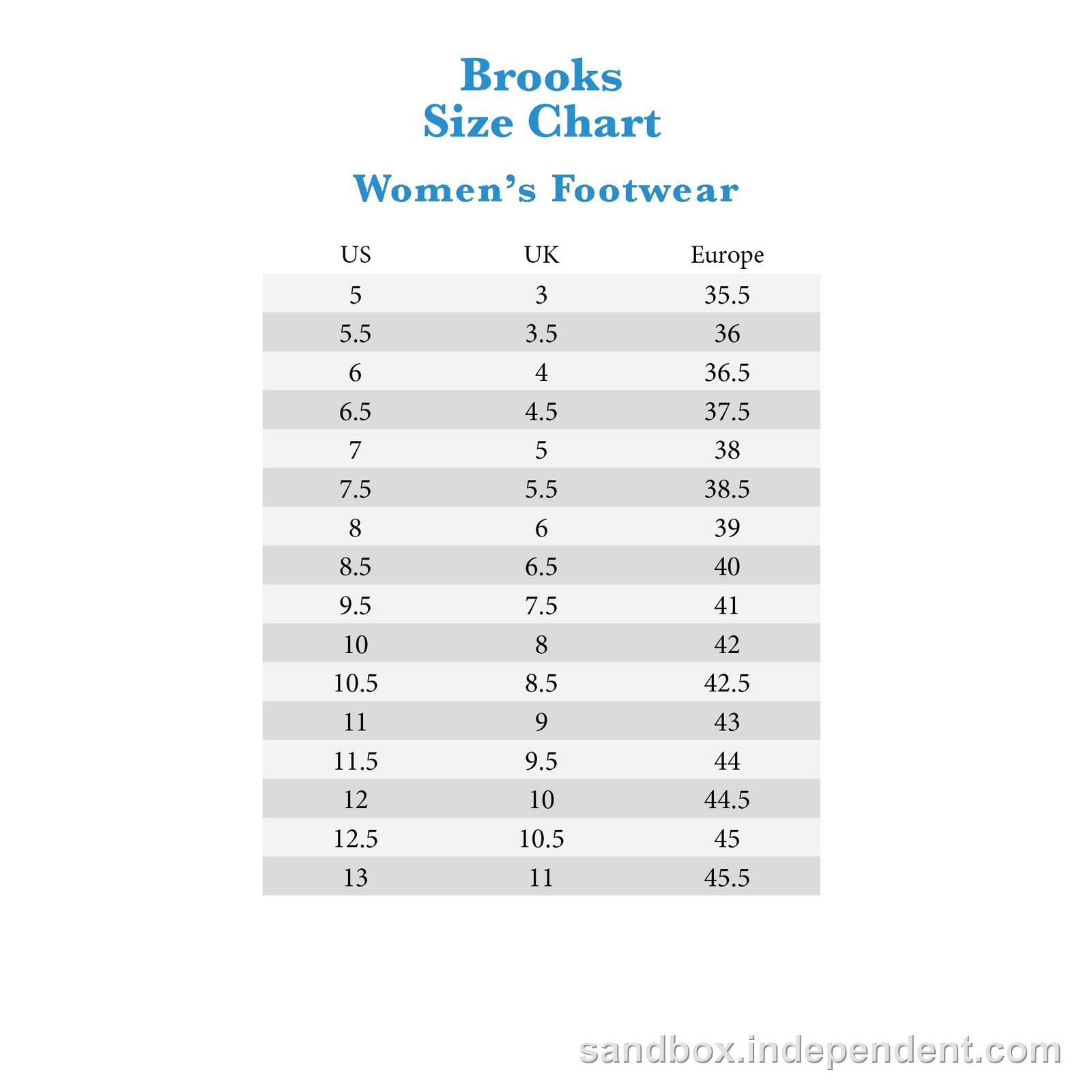
Many people overlook the importance of a simple boot size chart, assuming it's just a basic guide. But, it's a common pitfall to think that one size fits all, and this is where the chart becomes crucial. A boot size chart is your go-to tool, offering a quick and accurate way to find your perfect fit. It's not just about shoe size; it considers foot measurements and provides a reliable reference for various brands and international sizing standards.
Boot Size Chart Explained
A boot size chart is your go-to guide for finding the perfect fit for your feet. It's a handy tool that helps you understand the standard sizing systems used for boots, ensuring you get the right size every time. These charts are especially useful when shopping online or comparing different brands, as they provide a consistent reference point.
Understanding the Key Details
Before diving into the chart, let's cover some basics. Boot size charts typically display two key measurements: length and width. Length is measured in either centimeters (cm) or US sizes, and it represents the overall size of your foot. Width, on the other hand, is often indicated by letters (e.g., A, B, C) or a scale (e.g., narrow, medium, wide). It's important to note that the width scale may vary slightly between brands, so always check the specific chart for clarity.
How to Read and Use the Boot Size Chart
Using a boot size chart is straightforward:
Measure your foot length: Take an accurate measurement of your foot, following the guidelines provided on the chart. This ensures you get the right length.
Find your length category: Locate your foot length on the chart. It will typically be divided into categories, such as men's, women's, and kids' sizes, with corresponding length ranges.
Check the width: Once you've identified your length category, look for the width options available within that range. Choose the width that best suits your foot shape and comfort preferences.
Convert if needed: If the chart uses a different sizing system than you're familiar with, don't worry! Most charts provide conversion guides, allowing you to easily translate between US, UK, and EU sizes, or even cm to US size conversions.
Variations and Differences
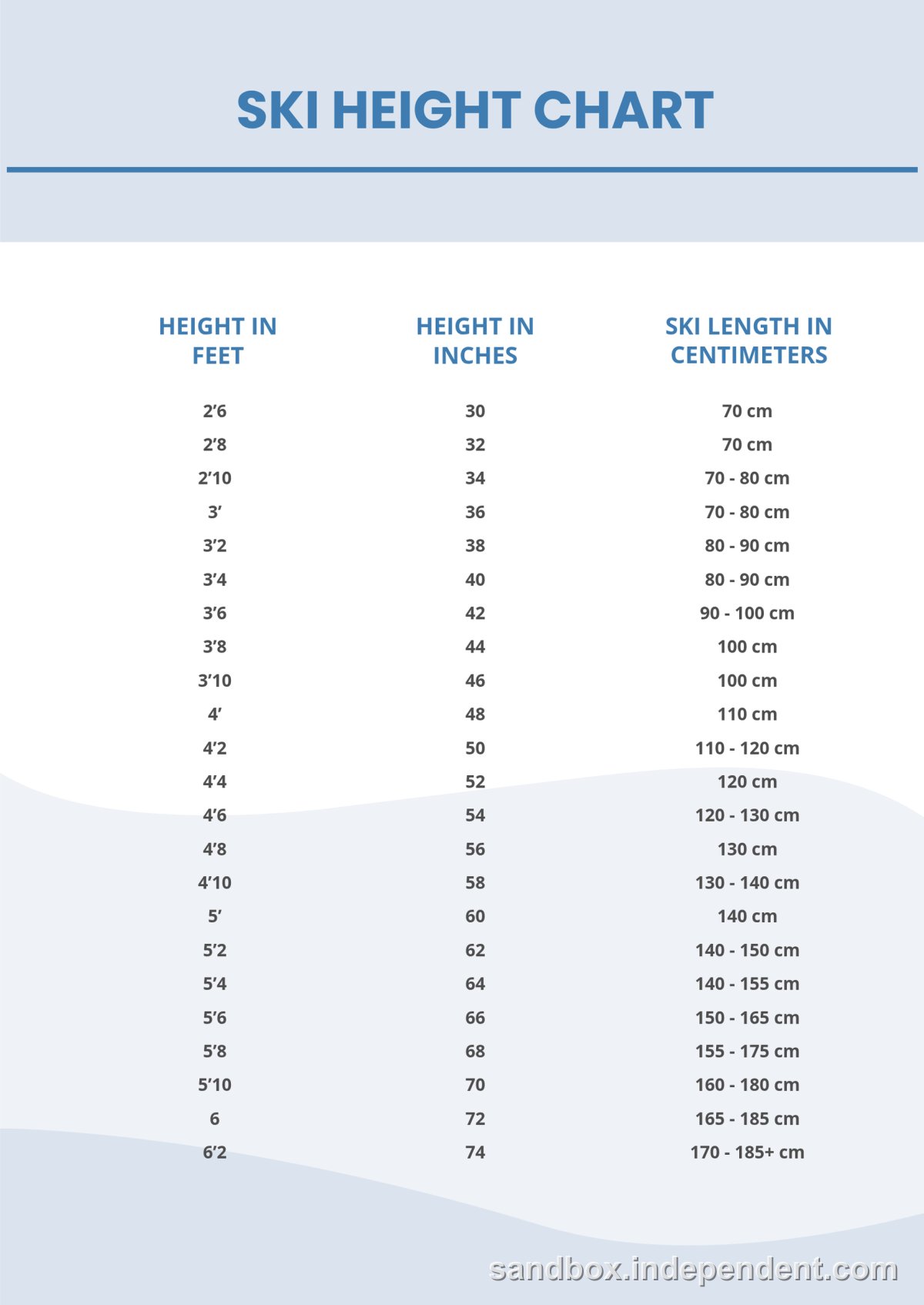
One of the challenges with boot size charts is the variation between different standards and brands. While many brands adhere to international sizing standards, some may have slightly different measurements or use unique width scales. This is especially true for specialty boots, like hiking or skiing boots, which may have unique fit requirements. Always double-check the specific brand's sizing guide to ensure an accurate fit.
Common Mistakes and How to Avoid Them
A common mistake is assuming that all boot size charts are the same. Different charts may have slight variations, so always refer to the chart provided by the brand or retailer you're purchasing from. Another pitfall is relying solely on your usual shoe size. Boot sizes can vary, so it's best to measure your foot each time to ensure an accurate fit. Lastly, don't forget to consider the width! A boot that's too narrow or wide can cause discomfort and affect your overall experience.
Tips for Accurate Measurements and Best Practices
To ensure the most accurate results when using a boot size chart, consider these tips:
Measure your foot at the end of the day when it's slightly swollen, as this is often the time when your feet are at their largest.
If you're between sizes, err on the side of a slightly larger size. A tight fit can be uncomfortable and restrict blood flow, while a slightly larger size can be adjusted with the right sock thickness.
When trying on boots, wear the same type of socks you plan to wear with them. This ensures a true representation of the fit.
Consider the type of boot and its intended use. Some boots, like work boots, may require a different fit than casual boots, so be mindful of the activity and choose accordingly.
Remember, while boot size charts are a valuable tool, they are just a guide. Always trust your comfort and fit preferences, and don't hesitate to seek advice from experts or customer support if you need further assistance. Happy shopping and happy trails!
Well, there you have it! A boot size chart is a handy tool, but remember, it's a guide, and exact values may differ slightly between standards. Always double-check your specific needs and the manufacturer's guidelines to ensure a perfect fit.
This chart is a quick reference, so bookmark this page, and you'll always have it at your fingertips when you need to find the right boot size. Happy measuring, and may your feet always be comfortable!
Related: Get the Right Rug Size: A Clear Chart Guide
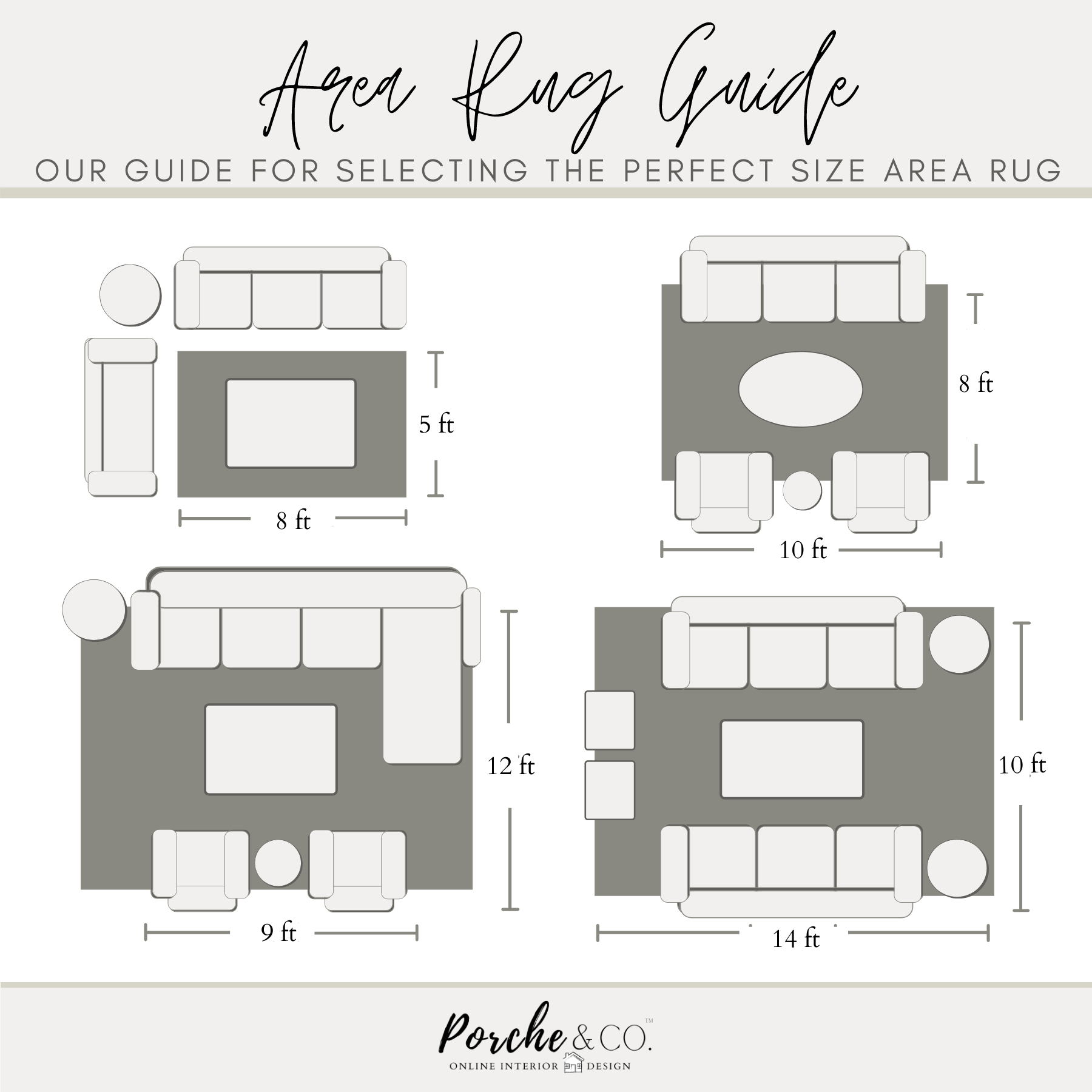
Many folks assume that a rug size chart is an exact science, with one standard size fitting all rooms. However, it's actually a flexible tool, offering a range of options to suit your space. A quick glance at this chart will show you the variety of rug sizes available, and it's an easy way to visualize how different dimensions can work in your home. Whether you're after a rug size guide, carpet dimensions, or floor covering measurements, this chart is a simple, effective starting point.
Understanding the Chart: A Quick Overview
A rug size chart is a handy tool to help you choose the right rug for your space. It provides a visual representation of standard rug sizes, making it easy to visualize and compare different dimensions. This chart is a practical guide for anyone looking to add a rug to their home, offering a simple way to ensure the rug fits the intended area perfectly.
Standard vs. Non-Standard Sizes: A Comparison
While most rugs come in standard sizes, there are also non-standard or custom-made options. The rug size chart typically covers a range of common sizes, such as 5x8, 8x10, and 9x12 feet, which are popular choices for various rooms. Non-standard sizes offer more flexibility but may require a bit more effort to find the perfect fit.
Step-by-Step Guide: Using the Chart Effectively
To use the rug size chart accurately, follow these simple steps:
- Identify the area you want to cover with the rug. Measure the length and width of this space to get an idea of the rug size you need.
- Refer to the chart and locate the closest standard size that fits your measurements. For example, if your space is 6x9 feet, a 5x8 or 8x10 rug might be suitable.
- Consider the layout and furniture arrangement. The chart provides a guide, but you may need to adjust based on your specific room setup.
- Take note of the rug's shape. Some charts also indicate whether the rug is rectangular, square, or runner-shaped, helping you choose the right fit for your space.
Common Misreadings and How to Avoid Them
One common mistake is assuming that the chart provides exact measurements for every rug. While it offers a great starting point, it's important to remember that rug sizes can vary slightly. Always double-check the exact dimensions of the rug you're interested in to ensure a perfect fit. Another potential pitfall is ignoring the scale of the room. A large rug in a small room can make the space feel cramped, so always consider the overall balance and proportion.
Key Factors Affecting Accuracy and Real-World Use
- Room Size: The size of the room plays a crucial role in choosing the right rug. A larger room can accommodate bigger rugs, while smaller spaces may require more careful consideration to avoid overcrowding.
- Furniture Arrangement: The placement of furniture can impact the rug size and shape needed. Consider leaving a border of floor space around the rug to create a balanced look.
- Rug Shape: Different shapes, like runners or round rugs, serve specific purposes and fit different spaces. The rug size chart often includes these variations to guide your selection.
- Tolerances: Rug sizes can have slight variations, so it's essential to check the manufacturer's specifications to ensure the rug meets your expectations.
Adapting the Chart: Choosing the Right Format
The rug size chart can be adapted to suit your needs. If you're looking for a specific size, some charts offer a search function or filters to narrow down options. Additionally, metric and imperial measurements are often available, catering to different regions and preferences. For unique spaces, consider using a custom rug size chart or consulting an expert to ensure a perfect fit.
Well, there you have it! A comprehensive guide to rug size charts and their practical uses. We've covered a lot of ground, from understanding the different options to avoiding common pitfalls.
Remember, when it comes to choosing the right rug size, it's essential to consider your unique space and needs. So, take a moment to double-check your measurements and specific requirements before making any final decisions. This guide should be a handy reference, but it's always good to ensure you've got the right fit for your room.
Consider bookmarking this page for future rug adventures; you never know when you might need a quick refresh on finding the perfect rug size!