




Pnc Seating Chart Sheet Overview
An NPT size chart is a valuable resource for anyone working with pipe fittings and connections. This guide will provide you with an overview of what these charts entail and how they can be utilized effectively.
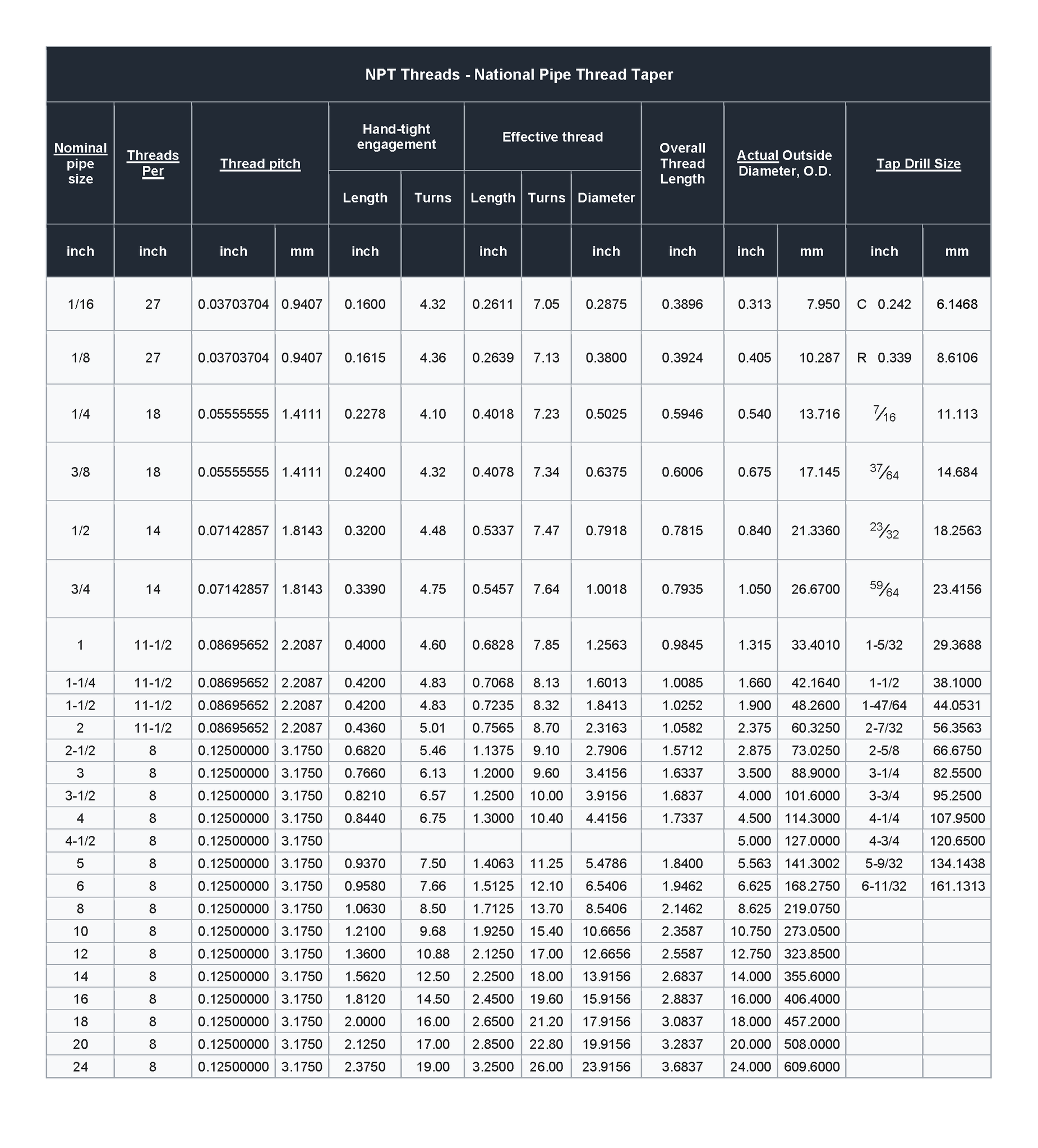
The NPT size chart offers a standardized way to identify and select the right pipe threads and fittings. It covers various dimensions, including thread sizes, tapers, and other specifications, which can vary depending on the region and application. By referring to this chart, you can ensure accurate and compatible connections, a critical aspect of any plumbing or piping project.
Understanding the NPT Size Chart
The NPT size chart is a valuable reference tool for anyone working with National Pipe Thread (NPT) fittings and connections. It provides a clear overview of the standard sizes and dimensions, ensuring accurate selections and installations.
Key Details and Categories
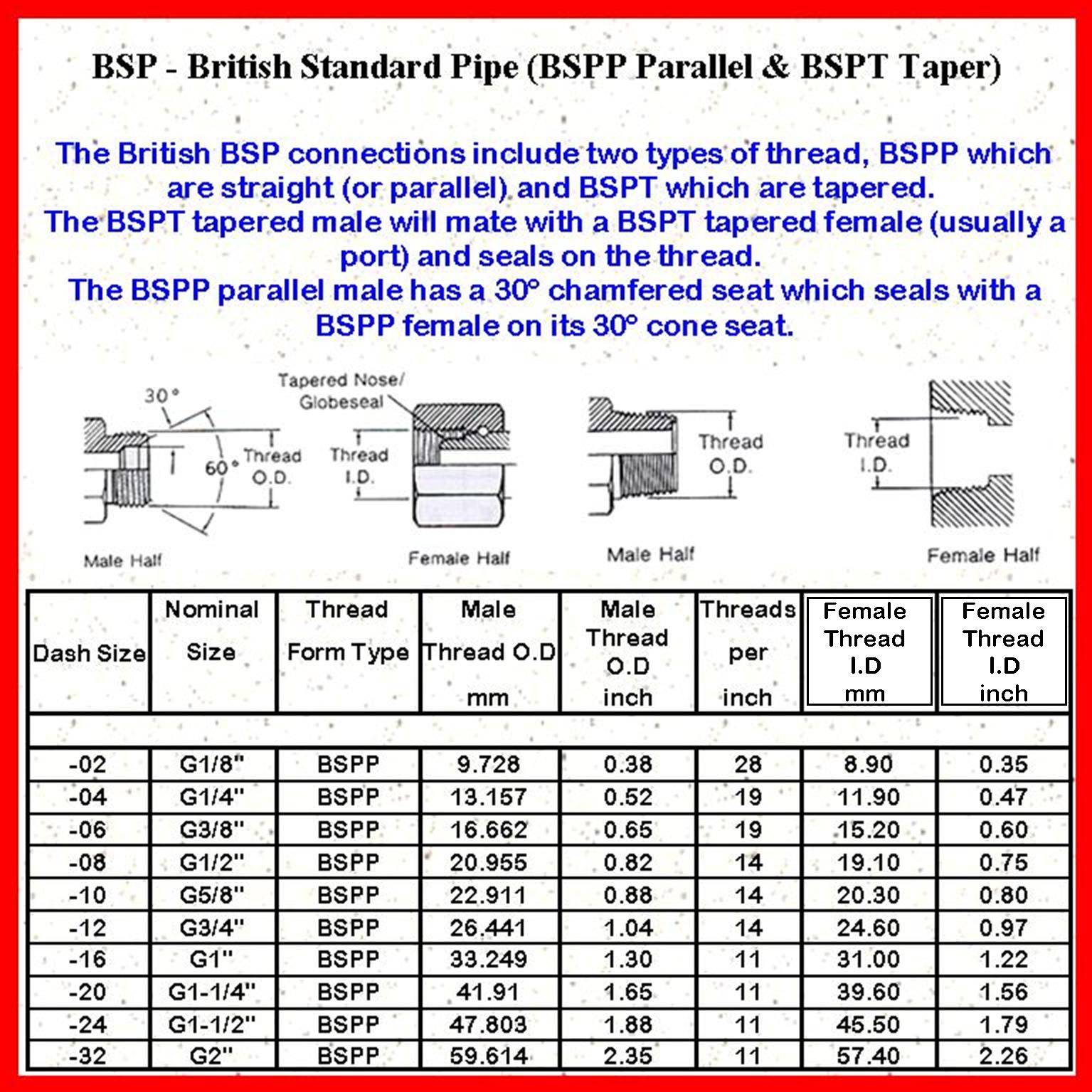
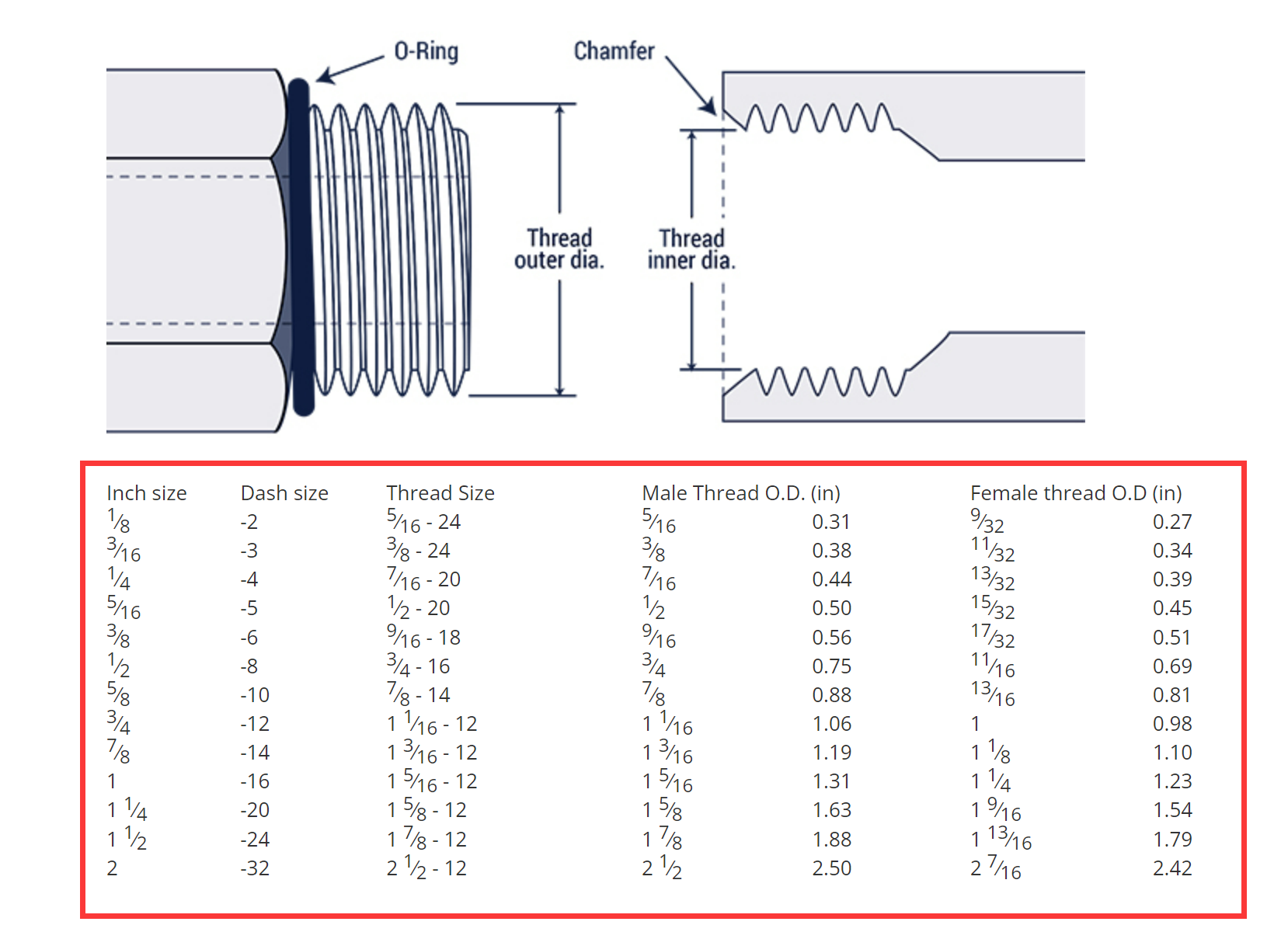
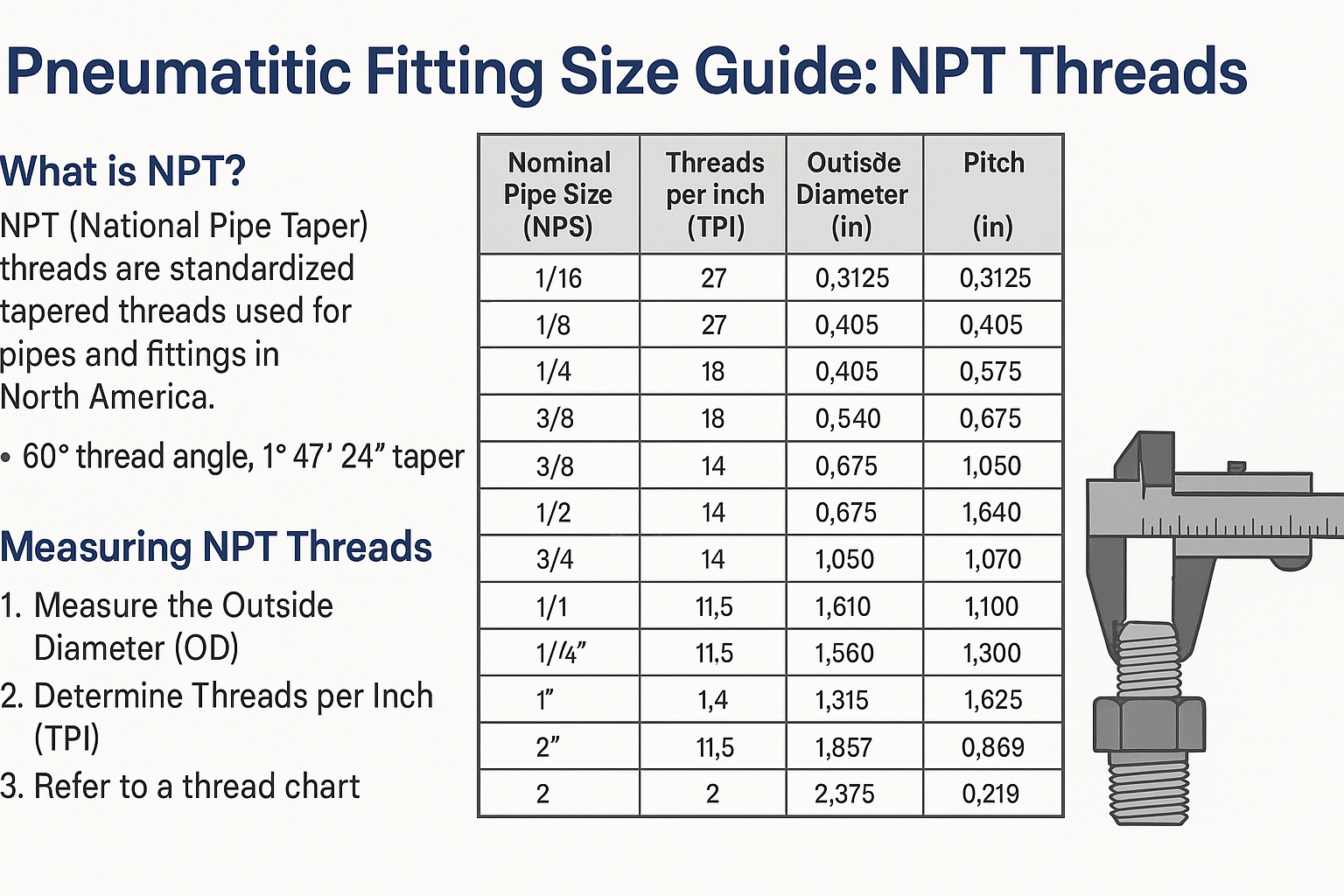
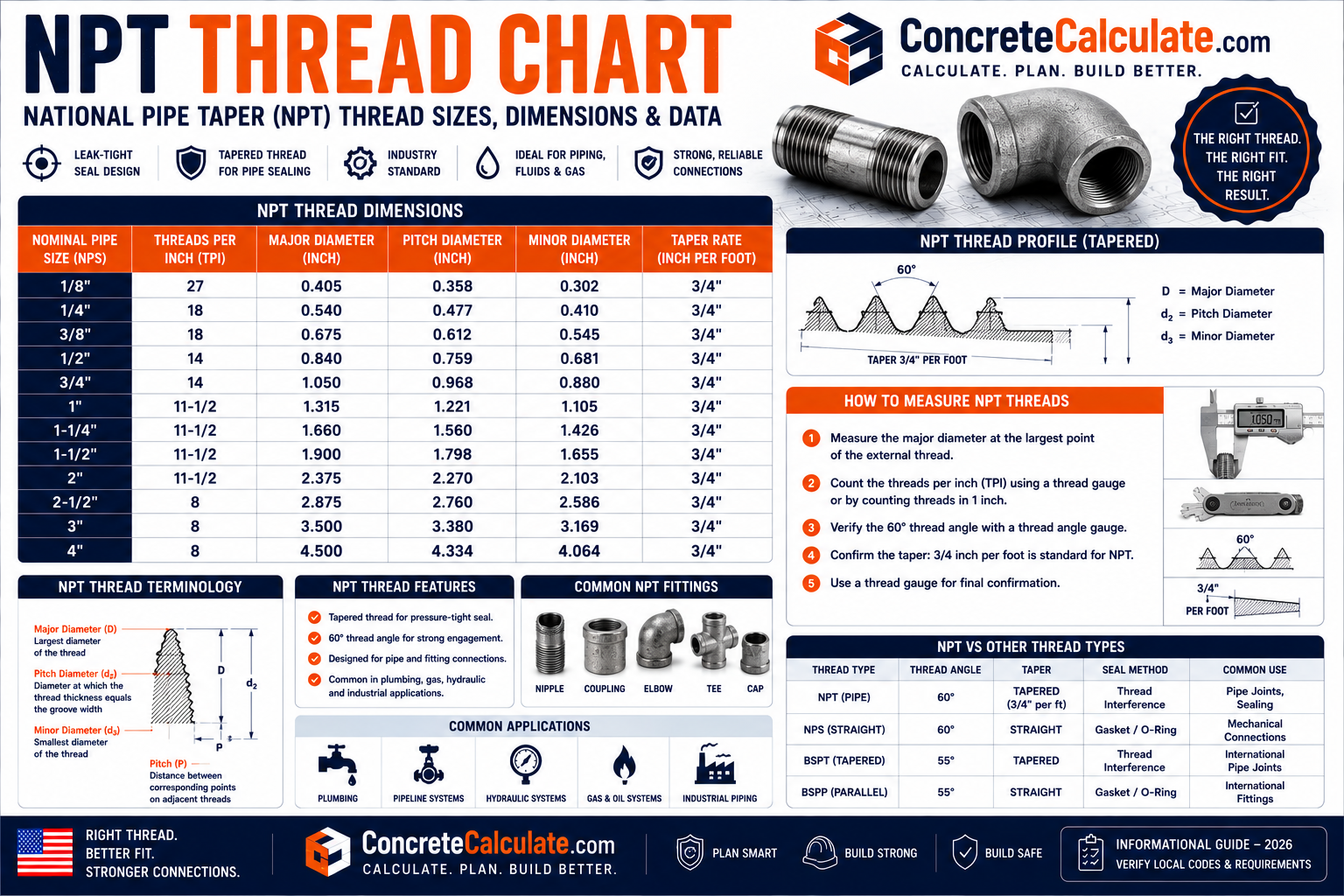
This chart outlines the various NPT thread sizes, including their outer diameter, thread pitch, and taper. It typically covers a range of sizes, from the smallest to the largest, with each size category providing specific measurements. The units used are inches, a common standard for NPT threads.
Reading the Size Chart: A Step-by-Step Guide
- Identify the size category you need. The chart will likely have a column or section dedicated to size categories, such as 1/8", 1/4", 1/2", and so on.
- Once you've identified the size, locate the specific dimensions. These will include the outer diameter (OD), which is the overall size of the pipe or fitting, and the thread pitch, which is the distance between threads.
- For a more detailed analysis, some charts may also provide information on the taper, which is the angle of the thread relative to the pipe axis. This is particularly important for ensuring a proper seal and connection.
- Finally, double-check the tolerance levels. While the chart provides standard dimensions, there may be slight variations or tolerances allowed for each size. These tolerances ensure that different NPT fittings can still connect effectively, even with minor manufacturing differences.
Common Variations and Differences
While the NPT size chart provides a standardized reference, variations can occur due to different manufacturing processes, materials, and regional standards. For instance, while the chart typically uses inch measurements, some regions may use metric units, leading to slight differences in dimensions. Additionally, while the chart provides standard sizes, some manufacturers may offer slightly modified dimensions to suit specific applications. It's essential to refer to the exact specifications provided by the manufacturer or supplier to ensure compatibility and accuracy.
Well, there you have it, a handy guide to navigating the NPT size chart. It's always a good idea to familiarize yourself with these charts and their nuances, especially when precision is key.
Remember, while this chart provides a comprehensive overview, exact values can vary slightly across different standards and sources. So, be sure to double-check your specific requirements and context before making any final decisions. Consider bookmarking this page for future reference; it might just save you some time and effort the next time you need it!
Related: Read the Nail Shape Chart: A Simple Guide
You've probably come across the nail shape chart and are keen to explore its practical uses. This handy reference tool is a great way to discover and understand the different nail shapes and their names. It's a simple yet effective guide, offering a visual representation of various nail shapes, which can be a real asset when you're looking for inspiration or wanting to communicate your nail preferences clearly. While the chart provides a great starting point, it's worth noting that nail shape names and trends can vary, so it's always fun to explore and find your favorite!
Understanding the Nail Shape Chart
The nail shape chart is a handy reference tool for anyone interested in nail care and design. It provides a visual guide to different nail shapes and lengths, offering a simple way to communicate your desired nail look to a nail technician or to achieve consistent results at home. This chart is a great starting point for nail enthusiasts and professionals alike.
Key Details and Categories
The nail shape chart typically features a range of standard nail shapes, including classic options like square, oval, and almond, as well as more unique styles like coffin, stiletto, and mountain peak. Each shape is represented by a visual icon or illustration, making it easy to identify and choose your preferred style. Additionally, the chart often includes a measurement guide, showing common nail lengths and their corresponding sizes. These measurements are usually in millimeters or inches, depending on the standard used.
How to Read and Apply the Chart
Using the nail shape chart is straightforward. First, identify the shape you desire by matching it to the visual icons on the chart. Then, refer to the measurement guide to choose the length that suits your preferences and nail type. You can either communicate these choices to your nail technician or use the chart as a guide when shaping your nails at home. If you're unsure about the best shape for your nails, the chart can also inspire new looks and help you experiment with different styles.
Variations and Differences
It's important to note that while the nail shape chart provides a great starting point, variations can occur due to different standards and personal preferences. For instance, the exact measurements for each shape and length may vary slightly between charts, especially when comparing US and international standards. Additionally, individual nail technicians might have their own unique interpretations and techniques, leading to subtle differences in the final nail shape.
Common Mistakes and How to Avoid Them
One common mistake is relying solely on the chart without considering your nail type and personal comfort. It's essential to choose a shape and length that complements your natural nail bed and overall hand shape. Additionally, be mindful of your daily activities and lifestyle; certain shapes and lengths may be more practical or comfortable for your routine. Always consider these factors to ensure you achieve a look that suits your needs and preferences.
Tips for Accurate Results
To ensure accurate results when using the nail shape chart, it's crucial to measure your nails regularly, especially if you're growing them out or maintaining a specific length. This helps you stay consistent and achieve the desired look. Additionally, invest in good-quality nail files and buffers to shape and smooth your nails effectively. Practice makes perfect, so don't be afraid to experiment and find the techniques that work best for you. Remember, the nail shape chart is a guide, and with practice, you'll develop your own nail shaping skills.
Hey there! I hope this nail shape chart has given you a clear understanding of the different options and how to achieve your desired nail look. Remember, while the basics remain the same, the exact details might vary slightly depending on the context and your personal preference.
It's always a good idea to bookmark this page for future reference, especially when you're trying out new nail shapes or designs. You'll find it's a handy tool to have on hand!
Related: How to Understand the Navajo Clan Chart?
You're here, perhaps with a Navajo clan chart in front of you, wanting a straightforward guide to understanding this unique system. These charts are an essential tool for anyone exploring Navajo culture and its intricate kinship ties. While the Navajo clan chart may seem complex at first, with its specific symbols and terms, it's a valuable resource for navigating the traditional Navajo family structure and its unique clan system diagram.
Understanding the Navajo Clan Chart
The navajo clan chart is a fascinating tool that provides insight into the traditional Navajo kinship system. It visually represents the complex web of relationships and connections within Navajo communities, offering a unique perspective on their cultural heritage.
Key Details and Categories
This chart is a reference guide to the Navajo clan system, which is based on a complex set of relationships and roles. It consists of various symbols and categories that represent different clans, their affiliations, and the associated kinship terms. The chart typically includes four main sections: clan names, kinship terms, clan affiliations, and symbols. Each section provides specific information to navigate the clan system effectively.
Reading the Chart: A Step-by-Step Guide
- Start by identifying the clan names. These are often represented by unique symbols or icons. Understanding the clan names is crucial as they form the foundation of the kinship system.
- Next, locate the kinship terms. These terms describe the relationships between individuals within the clan system. For example, there are specific terms for parents, siblings, cousins, and other extended family members.
- Clan affiliations are an essential part of the chart. They indicate the relationships between different clans and how they are interconnected. This section helps navigate the complex web of clan relationships.
- Symbols play a significant role in the navajo clan chart. Each symbol represents a specific clan or kinship term. Learning to recognize these symbols is key to understanding the chart's visual representation.
Common Variations and Differences
While the navajo clan chart provides a comprehensive overview, it's important to note that variations may exist across different Navajo communities and regions. These variations can include slight differences in kinship terms, clan names, or even the visual representation of symbols. It's essential to be aware of these potential variations when using the chart, especially when dealing with specific cultural contexts.
Avoiding Common Mistakes
One common mistake is assuming that the navajo clan chart is a universal guide applicable to all Navajo communities. While it provides a solid framework, it's crucial to respect the diversity within Navajo culture and be mindful of regional differences. Another pitfall is misinterpretation of symbols. Each symbol has a specific meaning, so it's essential to refer to reliable sources or consult with knowledgeable individuals to ensure accurate interpretation. Lastly, remember that the chart is a tool for understanding, not a strict rulebook. Flexibility and cultural sensitivity are key when applying the navajo clan chart in real-life situations.
Well, there you have it! A handy Navajo clan chart to guide you through the basics. Remember, this chart provides a general overview, so be sure to cross-reference and double-check any specific details or unique cases that may apply to your situation.
Consider bookmarking this page for future reference; it's a quick and easy way to refresh your memory on the Navajo clan system and its key components. Happy exploring!