



Pokemon Color Pages Printable Overview
You're likely here because you're seeking clarity on the Redken color chart, a valuable resource for anyone wanting to navigate hair color options effectively. This chart is your go-to guide, offering a simple yet comprehensive overview of Redken's color range. It provides an easy-to-understand visual representation, ensuring you can make informed choices about your hair color journey.
Understanding the Redken Color Chart
The Redken color chart is a comprehensive guide to their hair color range, offering a visual representation of the various shades and tones available. It provides a standardized way to choose and mix colors, ensuring consistent results. This chart is an essential tool for professionals and enthusiasts alike, offering a clear reference for achieving desired hair colors.
Standard Color Notation: Comparing Options
The Redken color chart follows a simple and intuitive system. Each color is represented by a unique code, typically a combination of letters and numbers. For example, the code "GG" represents a specific shade of golden blonde. This notation allows for easy identification and mixing of colors. The chart also displays the intensity and tone of each color, helping users choose the right shade for their desired look.
Practical Application Tips: Step-by-Step Guide
To use the Redken color chart effectively, follow these steps:
- Identify your desired color family. The chart is organized into sections, making it easy to navigate.
- Choose the specific shade within that family. Consider the natural hair color and the desired level of lift or deposit.
- Note the color code and intensity. This information is crucial for accurate mixing.
- Follow the recommended mixing ratios and application techniques provided by Redken.
- Test a small strand to ensure the desired result before full application.
Common Misreadings and Pitfalls
While the Redken color chart is straightforward, there are a few potential pitfalls to avoid:
- Ensure you are using the correct chart for your region or standard. Redken may offer different charts for various markets.
- Pay attention to the color intensity and tone. A slight variation in these can lead to significantly different results.
- Be aware of the natural hair color and its impact on the final result. Pre-lightening or pre-pigmentation may be necessary for certain shades.
- Always refer to the Redken color wheel or swatches for a more visual representation of the final color.
- Remember, practice and experience are key to mastering color application.
Remember, while this guide offers a comprehensive overview, it's always beneficial to cross-reference with your specific needs. The Redken color chart is a versatile tool, but its application may vary depending on your unique circumstances.
Feel free to explore our other guides for a deeper understanding of hair care and styling. We've got plenty of resources to help you navigate the world of hair coloring and beyond!
Related: Need a Hair Color Guide? Use Our Simple Chart
Many people approach hair colors charts with a bit of trepidation, assuming they are complex and confusing. But fear not! These charts are your friends and can be incredibly useful tools.
They provide a simple, visual way to understand and choose hair colors. While the specific values and formats may vary, the hair colors chart remains a reliable guide, offering a clear path to achieving your desired hair color. Think of it as a map, leading you to your perfect shade, with the color wheel and hair color levels acting as your compass.
Hair Colors Chart: A Visual Guide to Hair Dye Shades
The hair colors chart is a handy reference tool for anyone looking to experiment with hair dye. It's a visual representation of different hair colors, shades, and tones, helping you choose and understand the various options available. This chart is a great starting point for anyone new to hair coloring or those seeking a specific shade.
Key Details and Categories
The hair color guide typically features a range of colors, organized into sections or families. You'll often find categories like "blonde," "brunette," "red," and "black," with further subdivisions for specific shades. Each color is usually represented by a swatch or a small square, showing the exact shade. Additionally, the chart may include a color wheel or a visual representation of color theory, which helps understand the relationships between colors.
Reading and Applying the Chart
To use the hair colors chart, start by identifying the color family you're interested in. Let's say you're looking for a specific shade of brown. Locate the "brunette" section and explore the various shades within. Each shade will have a unique code or number, which represents the specific formulation of that color. These codes are essential when purchasing hair dye, as they ensure you get the exact shade you want.
Here's a step-by-step guide:
- Identify the color family.
- Locate the specific shade you desire.
- Note the corresponding code or number.
- Use this code when purchasing hair dye to ensure an accurate match.
Variations and Differences
It's important to note that hair color charts may vary depending on the brand or manufacturer. Different companies may use slightly different shades or numbering systems. Additionally, the way hair reacts to dye can vary based on individual hair types and previous coloring treatments. Here are some key factors that can cause variations:
- Tone and depth: Hair color can appear different depending on the natural tone and depth of your hair.
- Previous coloring: If your hair has been dyed before, the new color may interact with the existing dye, resulting in a unique outcome.
- Hair type: The porosity and texture of your hair can affect how it absorbs and holds color.
- Environmental factors: Sun exposure and water quality can impact the longevity and vibrancy of your hair color.
When using a hair color chart, it's always a good idea to consult with a professional stylist, especially if you're aiming for a specific look or have unique hair characteristics. They can guide you towards the best shade and provide tips for achieving and maintaining your desired hair color.
Hey there! So, we've covered a lot of ground with this hair color chart, and I hope it's given you a clear picture of what you need to know. Remember, these charts are a great starting point, but exact details can differ slightly, so it's always good to double-check.
Feel free to explore our other guides; we've got plenty of practical tips and tricks to help you navigate the world of hair care and styling. Happy coloring!
Related: Grout Color Chart: Your Quick Reference Guide
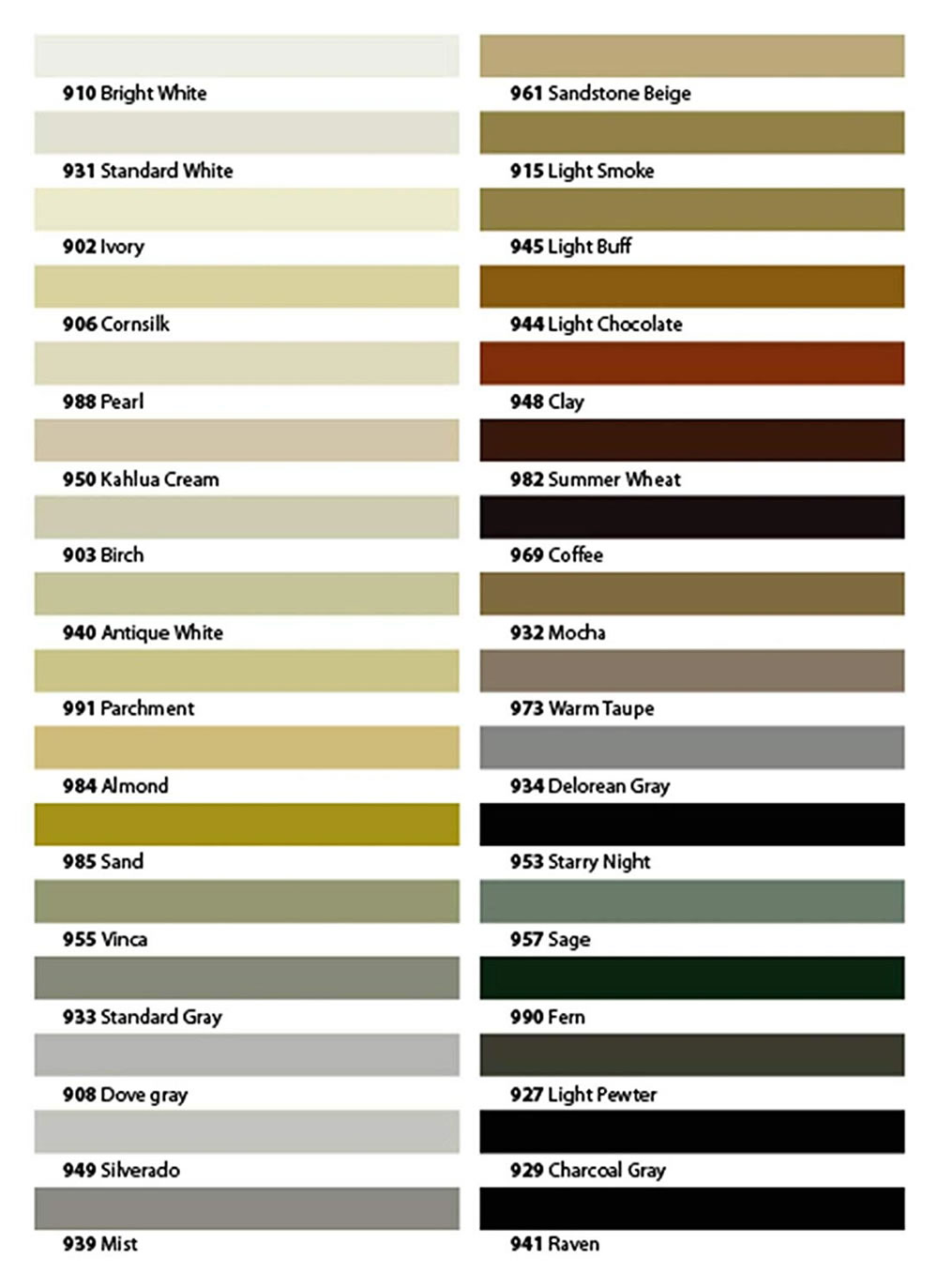
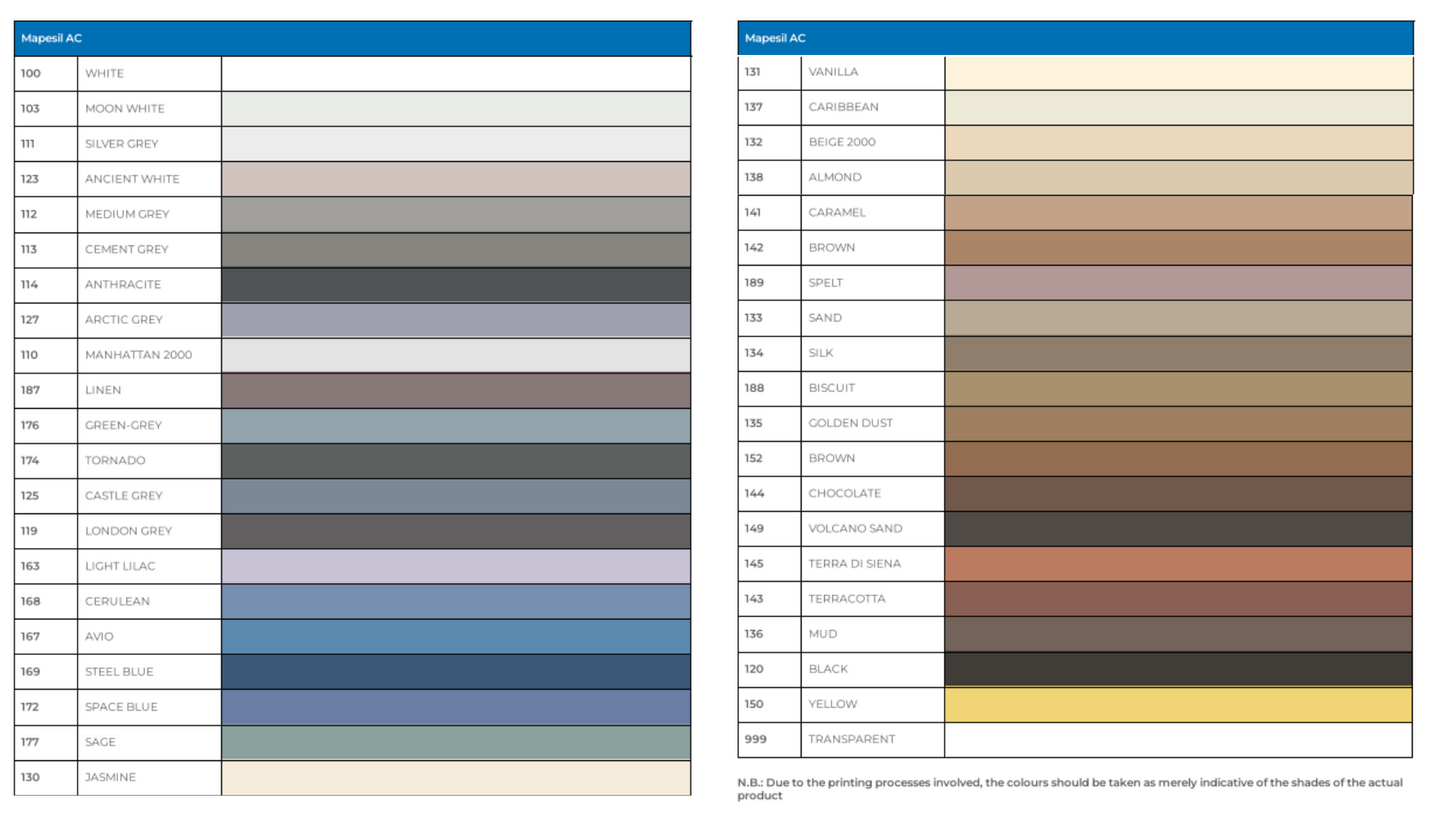
Finding the right grout color can be a tricky task, and that's where a grout color chart comes in handy. It's a simple yet effective tool, providing a quick reference to help you choose and match the perfect shade for your tiles. With various colors and shades available, this chart ensures you get it right, offering a visual guide to navigate the world of grout color options.
Grout Color Chart: A Practical Guide to Selecting the Right Shade
The grout color chart is a handy reference tool for anyone working with tiles and grout. It provides a visual guide to help you choose the perfect grout shade for your project, ensuring a cohesive and aesthetically pleasing result. This chart is a valuable resource for both professionals and DIY enthusiasts, offering a simple way to navigate the world of grout colors.
Key Details and Categories to Know
The grout color chart typically presents a range of grout shades, often organized in a grid or palette format. Each shade is assigned a name or code for easy reference. The chart may also include additional information such as the grout type, whether it's sanded or unsanded, and sometimes even the manufacturer's brand. It's important to note that the specific categories and details can vary depending on the standard or brand you're using.
Step-by-Step Guide to Reading and Using the Chart
Using the grout color chart is straightforward. First, identify the type of grout you need - sanded or unsanded - as this will narrow down your options. Then, assess the color options available for your chosen grout type. The chart will provide a visual representation of the shades, allowing you to compare and contrast. You can also refer to the color names or codes to find the perfect match for your tiles. Once you've selected your preferred shade, simply note down the corresponding code or name to ensure you get the right grout product.
Understanding Variations and Differences
Variations in grout color charts can occur due to several factors. Different manufacturers may have their own unique color palettes, so it's essential to refer to the specific brand's chart for accurate results. Additionally, the lighting conditions and surface materials can affect how grout colors appear. It's always a good idea to view grout samples in the intended lighting and against the actual tile surface to get a true representation of the shade.
Common Mistakes and How to Avoid Them
One common mistake is relying solely on the chart without considering the actual grout sample. Always request a physical sample or visit a store to see the grout in person. Another pitfall is not accounting for lighting differences. Grout colors can appear differently under various lighting conditions, so ensure you view samples in the intended lighting environment. Lastly, be mindful of the grout type - sanded vs. unsanded - as using the wrong type can affect the final outcome.
Practical Tips for Accurate Results
To ensure you achieve the desired grout color, consider these tips. Firstly, obtain multiple samples of your chosen shade to account for any variations in lighting and surface conditions. Secondly, compare the samples side by side with your tiles to ensure a harmonious match. Thirdly, if you're working with a large area, it's advisable to purchase grout from the same batch to minimize color variations. Lastly, don't be afraid to seek advice from professionals or experienced DIYers who can offer valuable insights and recommendations.
By following these guidelines and utilizing the grout color chart effectively, you'll be able to select the perfect grout shade for your project, adding the finishing touch to your tiled space. Remember, the right grout color can enhance the overall aesthetic and create a seamless, polished look.
Well, there you have it! Grout color charts are a handy tool to have in your toolkit, and while the basics are covered here, it's always worth exploring the specific details for your project. Exact colors and shades can vary, so it's a good idea to double-check and ensure you're using the right references.
Don't forget to explore our other guides for more practical tips and tricks. We've got a whole range of topics to help you with your home improvement projects, so feel free to browse and discover more!