

Pooh Bear Coloring Pages Overview
A beard length chart is a handy tool for anyone wanting to navigate the world of facial hair with precision. This guide will provide an overview of these charts, explaining their purpose and how they can assist in achieving the desired beard style.
They offer a visual representation, often with measurements, to help individuals understand and communicate their preferred beard length. Whether you're aiming for a specific beard growth stage or seeking a particular style, these charts provide a reliable reference, ensuring you get the look you want.
Understanding Beard Length Charts
A beard length chart is a valuable tool for those looking to achieve and maintain their desired facial hair style. It provides a visual guide to help you understand and measure the length of your beard, offering a practical reference for trimming and styling.
Key Details and Categories
The chart typically displays different beard lengths, often categorized into stages or styles. These categories may include terms like "stubble," "medium," and "full beard," each representing a specific range of lengths. The units used are usually inches or centimeters, depending on the standard followed. It's essential to know your preferred unit of measurement to accurately interpret the chart.
Reading and Applying the Beard Length Chart
To use the beard length chart, follow these steps:
- Identify your current beard growth stage. Examine your facial hair and determine if it falls into the stubble, short, medium, or long category.
- Measure your beard length. Use a ruler or measuring tape to get an accurate reading. Ensure you measure from the same point on your face each time for consistency.
- Compare your measurement to the chart. Find the category that matches your beard length and refer to the corresponding style or stage.
- Trim and style accordingly. Use the chart as a guide to achieve the desired length and shape. Remember, it's a reference, so adjust as needed to suit your face shape and personal preference.
Variations and Differences
It's important to note that beard length charts may vary depending on the standard or source. Common styles and categories may differ slightly, and the exact measurements can vary between charts. Additionally, individual factors like face shape, hair texture, and personal preference can influence how you interpret and apply the chart. Here are some key factors to consider:
- Beard growth stages: Everyone's facial hair grows at a different rate, so your experience may vary from the chart's timeline.
- Facial hair length guide: Some charts provide more detailed guides, offering precise measurements for various lengths.
- Standard beard lengths: These can differ between regions and cultures, so be mindful of the standard being referenced.
- Beard style chart: This can offer a more comprehensive view of different styles and their associated lengths.
- Beard growth timeline: Remember that growth rates can vary, so use the timeline as a general guide.
When using a beard length chart, always refer to the specific standard or source to ensure accuracy. While charts provide a helpful framework, they may not cover every unique situation. Trust your judgment and adjust as needed to achieve your desired look.
While the chart provides a handy reference, it's important to remember that these measurements are not set in stone. Exact details may vary slightly depending on the context and the individual's unique facial features.
Feel free to bookmark this page for future use. We have many other practical guides and charts to explore, so be sure to check them out for more helpful tips and tricks!
Related: Roof Pitch Chart: A Simple Guide to Understanding
Many people often overlook the importance of understanding a roof pitch chart and its role in roofing projects. It's a simple yet powerful tool, often underestimated, but it can make a huge difference!
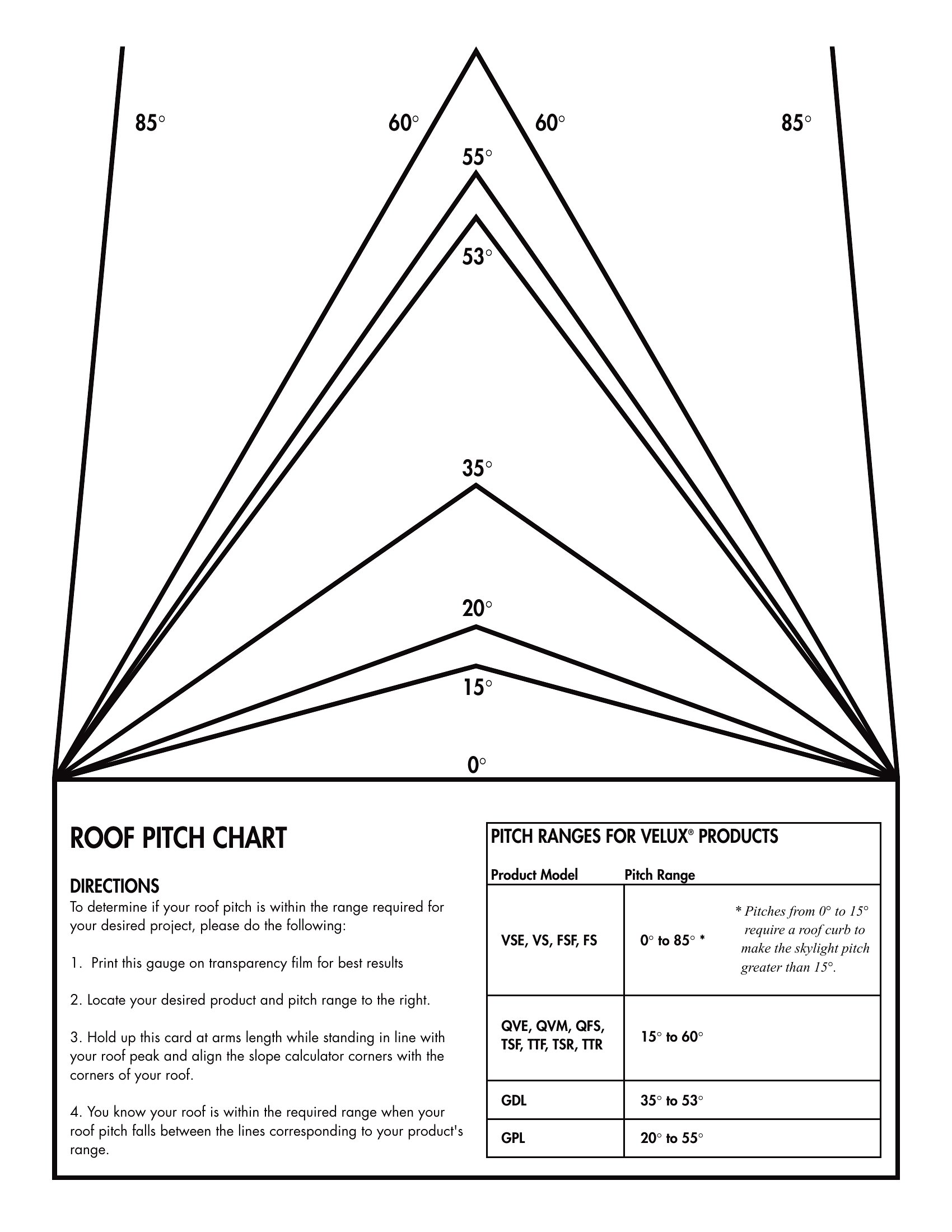
A roof pitch chart is your guide to determining the slope or incline of your roof, offering a clear visual representation. While values may vary, this chart ensures you get the right measurements, whether you're a DIY enthusiast or a professional. It's an essential step to ensure your roof is built or repaired correctly.
Understanding Roof Pitch Charts
A roof pitch chart is a handy tool that helps you visualize and understand the slope or incline of a roof. It provides a simple way to measure and categorize roof angles, which is crucial for various construction and design purposes.
Key Details and Categories
The chart typically displays roof slope values, often in degrees, along with a corresponding pitch ratio. The pitch ratio is a simple way to describe the steepness of the roof, usually given as a fraction or a ratio of rise to run. For example, a 4:12 pitch ratio means the roof rises 4 inches for every 12 inches of horizontal run.
How to Read and Apply the Chart
To use the roof pitch chart, you'll need to measure the roof's slope or angle. This can be done using a simple tool like a level or a more advanced device like a laser distance meter with an angle measurement feature. Once you have the angle, you can find it on the chart and read the corresponding pitch ratio.
Here's a step-by-step guide:
- Measure the roof angle: Place your tool on the roof surface and measure the angle relative to the horizontal plane.
- Locate the angle on the chart: Find the angle value on the chart, which often has a scale or a series of angles listed.
- Read the pitch ratio: Next to the angle, you'll see the pitch ratio, which tells you the steepness of the roof.
- Use the pitch ratio: This ratio is essential for various calculations and considerations, such as determining the amount of roofing material needed, the pitch of gutters, or the structural integrity of the roof.
Variations and Differences
It's important to note that roof pitch charts can vary depending on the standard being used. Different regions and industries may have their own conventions for measuring and categorizing roof slopes. For example, some charts may use different units or have slightly different categories. It's crucial to ensure you are using the right chart for your specific context and region.
Common Mistakes and How to Avoid Them
One common mistake is assuming all roof pitch charts are the same. Always double-check the units and categories used in the chart to ensure accuracy. Another pitfall is misinterpreting the pitch ratio. Remember, the pitch ratio is a simple representation of the roof's steepness, but it doesn't provide all the information about the roof's design.
Practical Tips for Accurate Results
When measuring roof angles, ensure you are measuring the correct surface. Some roofs may have multiple slopes or complex designs, so it's essential to measure the specific area you are interested in. Additionally, consider the roof's orientation and ensure your measurements are consistent with the chart's orientation.
Double-Checking and Handling Exceptions
While roof pitch charts are valuable, they may not cover every possible scenario. For unique or complex roof designs, it's best to consult an expert or refer to detailed specifications. Always double-check critical measurements and consider seeking professional advice for precise results, especially for safety-critical applications.
Hey there! I hope this roof pitch chart guide has been helpful and easy to follow. Remember, while the basics remain the same, the exact details might shift a bit based on your specific project and the standards you're working with.
Feel free to explore our other guides for more practical tips and tricks. We've got a range of topics to help you with all your DIY and home improvement projects. Happy building!
Related: What's the Right Socket Size Chart for Your Needs?
A common mistake when dealing with socket size charts is assuming they are universal. While these charts are incredibly useful, it's important to understand that they can vary depending on your location and the specific standards you're working with.
So, when you're tackling a project, whether it's a simple home repair or a more complex task, referring to the right socket size chart is key. These charts provide a quick and accurate way to identify the right tool for the job, ensuring you don't end up with a metric socket when you need an imperial one!
Understanding Socket Size Charts
Socket size charts are your practical guides to choosing the right socket for the job. They provide a clear, visual reference for different socket sizes, helping you select the correct tool for your needs.
Key Details and Units
These charts typically display socket sizes in either metric or imperial measurements, depending on the standard being used. The metric system is widely adopted internationally, while the imperial system is more common in certain regions like the United States. The chart will list socket sizes in these units, often in millimeters (mm) or inches (in).
Reading the Chart: A Step-by-Step Guide
- Identify the measurement system: Determine whether your chart uses metric or imperial measurements. This is crucial as it affects the size categories and conversions.
- Locate the size category: Look for the specific size you need. Socket size charts often list sizes in ascending or descending order, making it easy to find the right one.
- Note the dimensions: The chart will provide the inner and outer dimensions of the socket. These are critical for ensuring a proper fit with your fastener or tool.
- Consider the drive size: Socket size charts may also include information about the drive size, which is the size of the square hole in the socket that fits onto a ratchet or breaker bar. Ensure this matches your tool.
Variations and Differences
Socket size charts can vary depending on several factors:
- Measurement System: As mentioned, the metric and imperial systems have different units and size categories.
- Standard Organizations: Different organizations or regions may have their own standards and specifications, leading to variations in socket sizes.
- Manufacturer Preferences: Some manufacturers may use slightly different sizes or designs, especially for specialty sockets.
- Tool Type: Sockets designed for specific tools, like impact wrenches, may have unique dimensions.
Common Mistakes and How to Avoid Them
- Mixing Measurement Systems: Always ensure you're using the correct system (metric or imperial) to avoid mismatched sizes.
- Assuming Standard Sizes: Don't assume all sockets follow the same standard. Double-check the exact specifications, especially for specialty sockets or tools.
- Neglecting Drive Size: The drive size is crucial for a proper fit with your ratchet or bar. Always check this specification.
- Forgetting Tolerances: Sockets have tolerance ranges. Ensure your fastener falls within the socket's tolerance range for a secure fit.
Remember, while socket size charts are invaluable tools, they are just guides. Always refer to the specific tool's or manufacturer's instructions for exact specifications.
Hey there, I hope this socket size chart has been a handy reference for you! Remember, while these charts provide a solid framework, the exact details can vary slightly depending on the specific context or standard you're working with. It's always a good idea to double-check the relevant specs for your project.
Feel free to explore our other guides on similar topics. We've got a whole collection of practical resources to help you tackle various DIY and technical challenges. Happy learning and keep those tools organized!