



Preschool Worksheet Games Overview
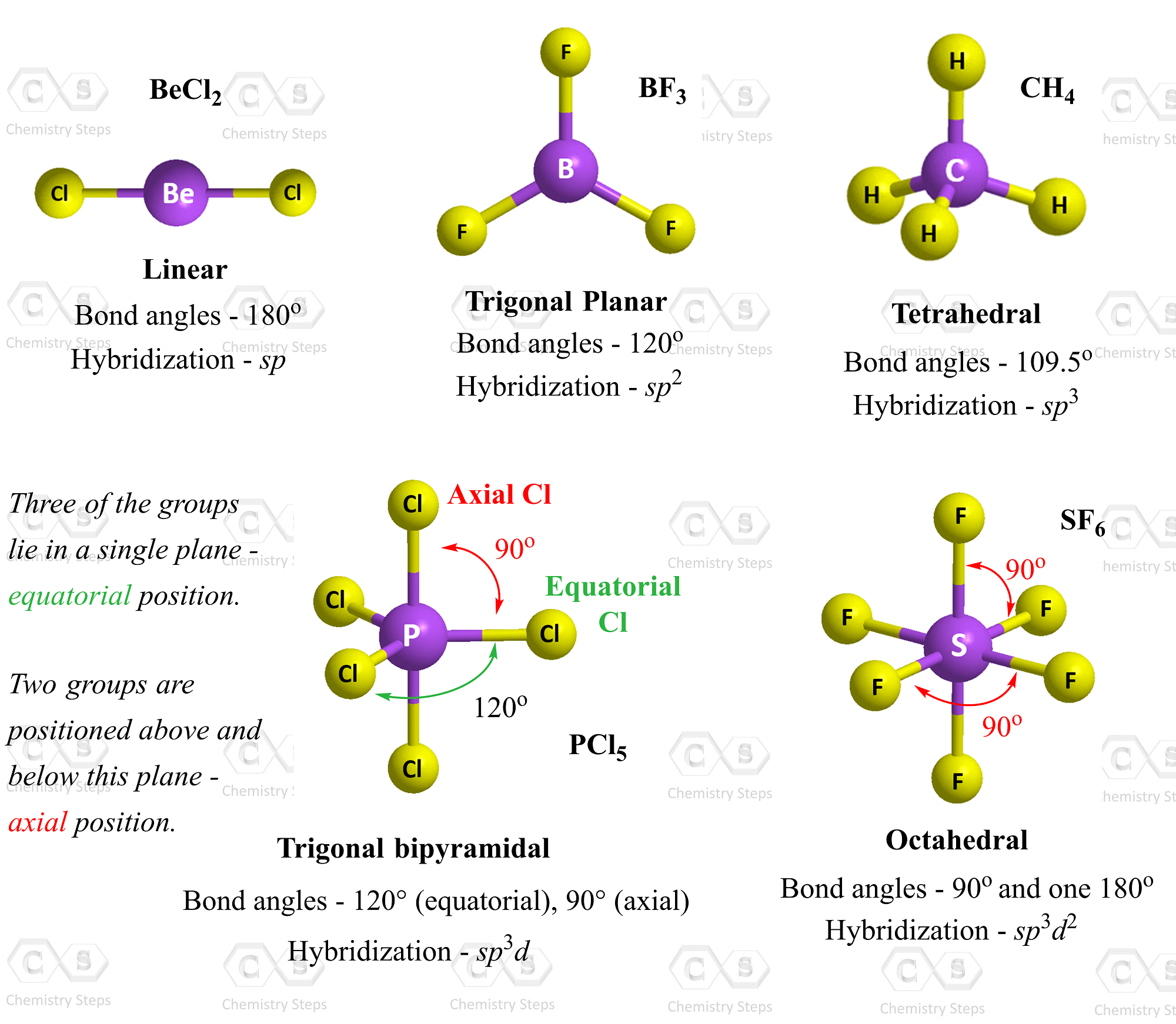
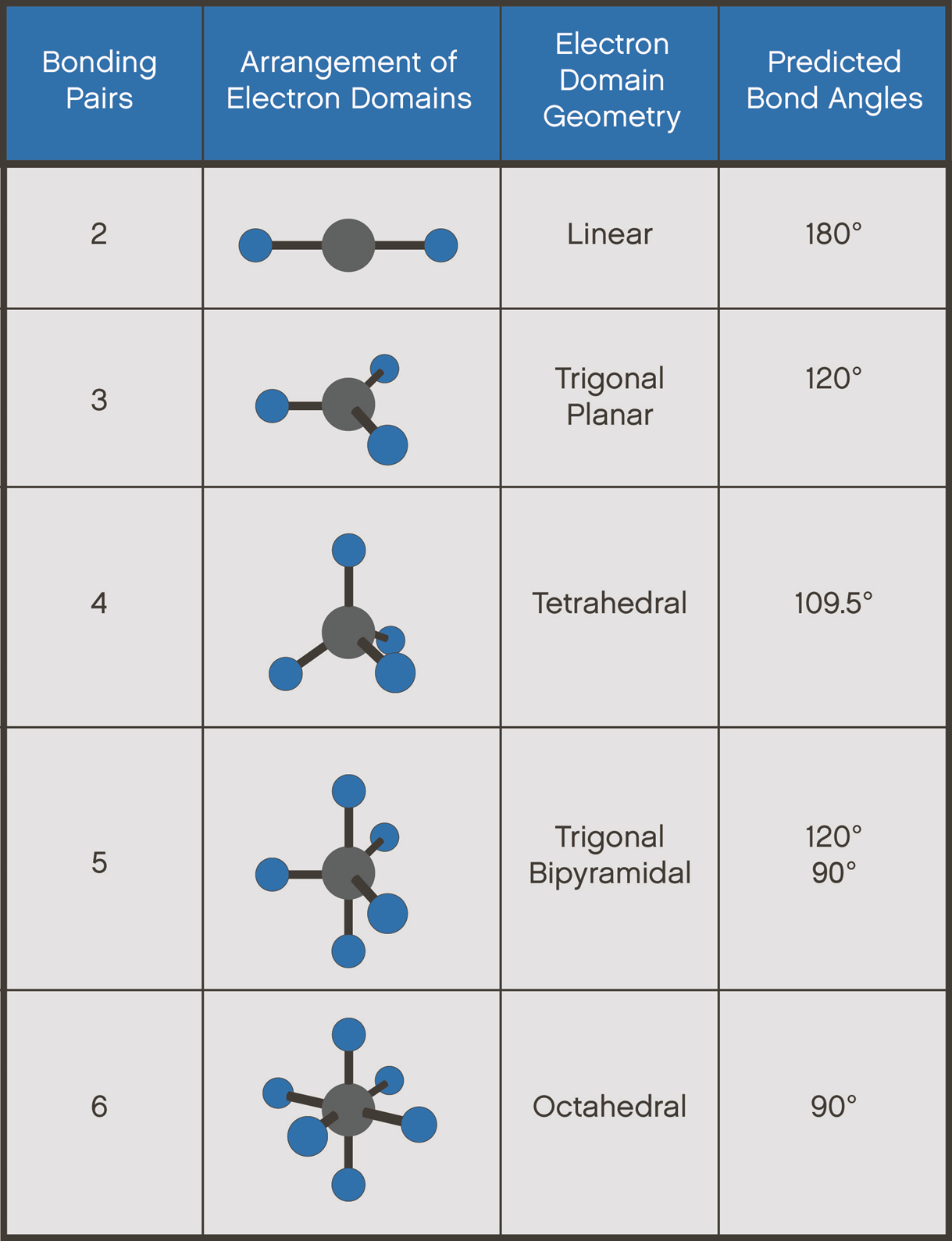
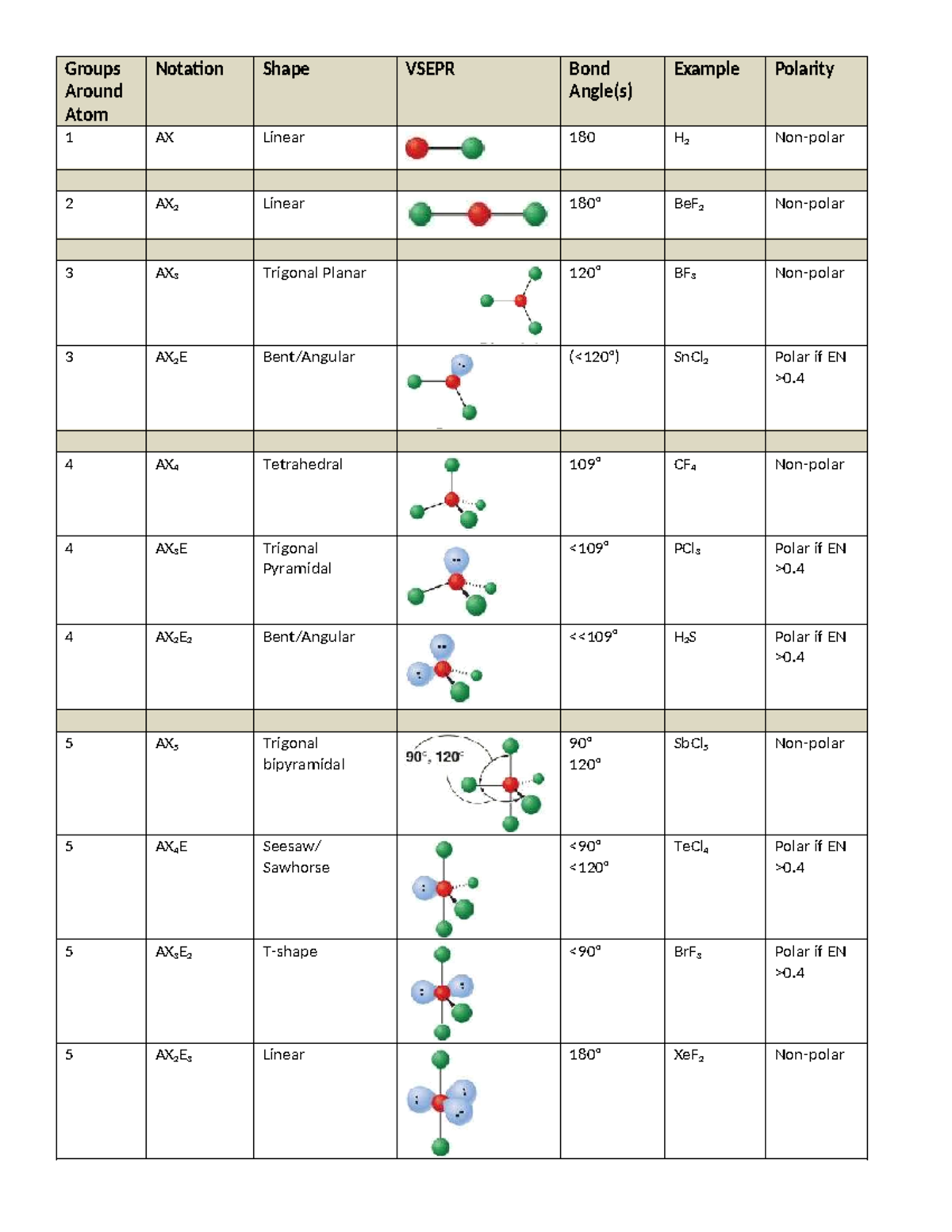
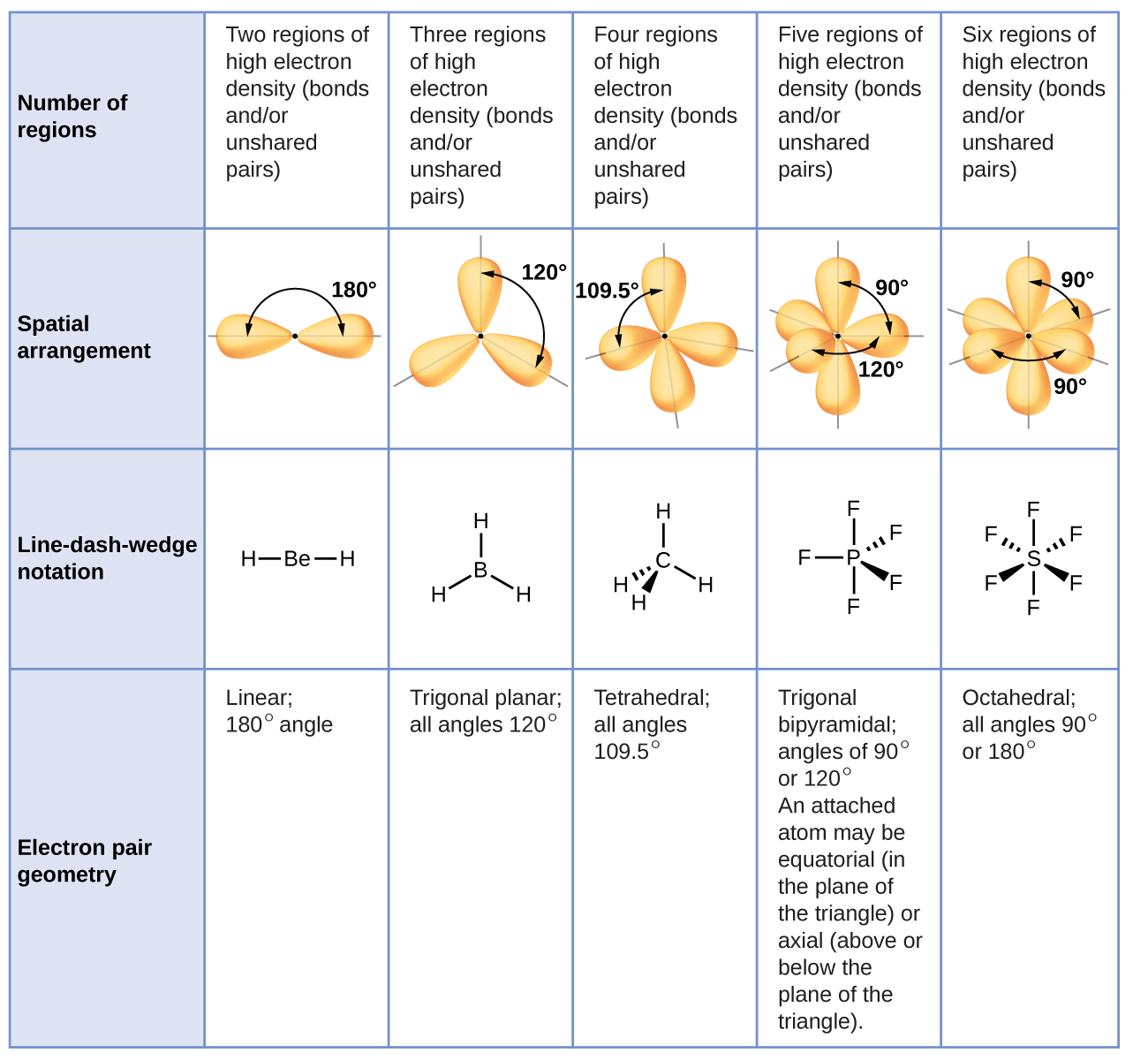
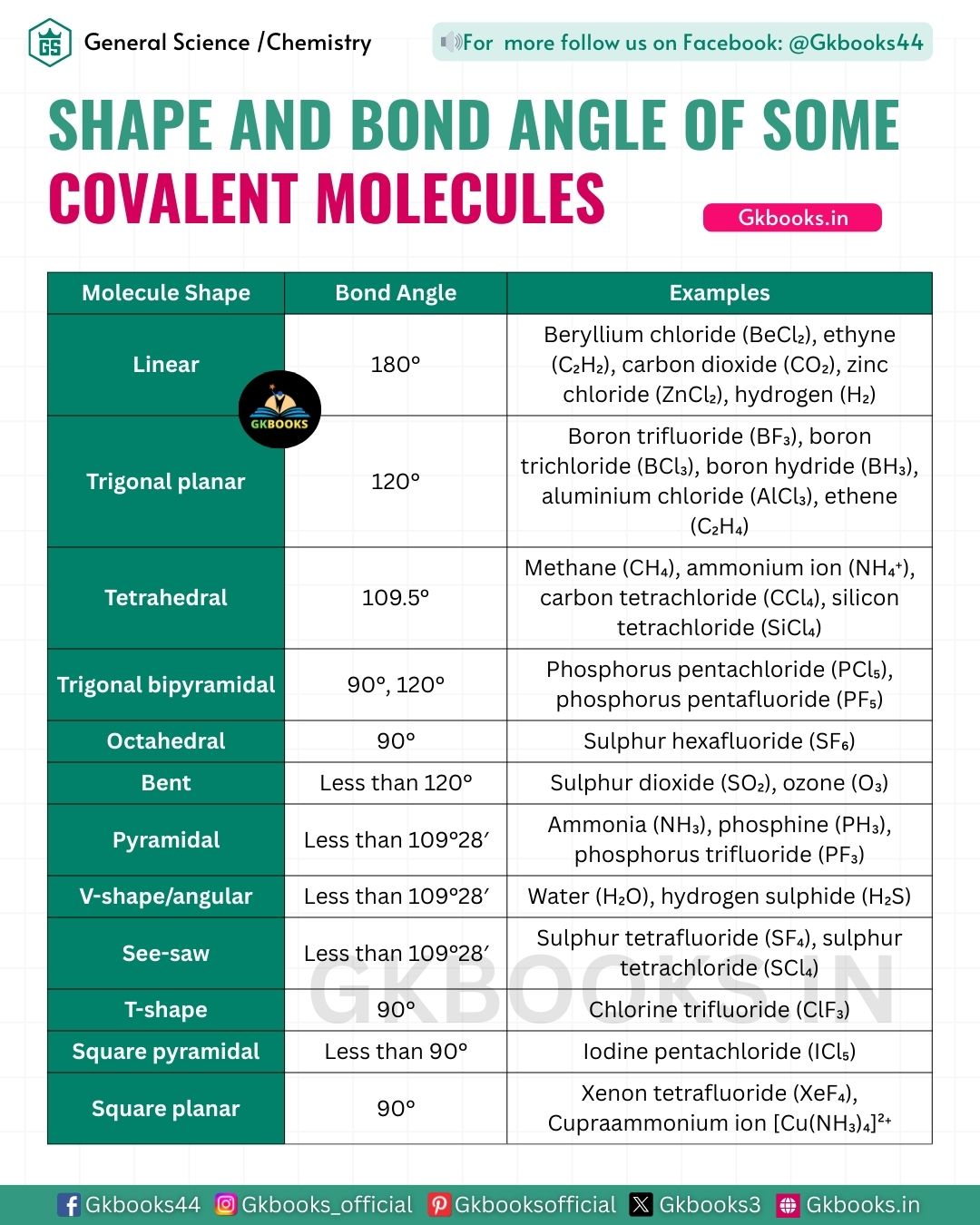
A bond angle chart is a handy tool for anyone delving into the world of molecular geometry. It's a simple yet powerful visual guide, offering a quick reference to those crucial bond angles.
This guide will show you how to read and interpret these charts, ensuring you can apply the information accurately. While there may be some variation in values and formats, depending on the context, the core principles remain the same. So, let's explore the world of bond angle charts and unlock their potential!
Bond Angle Chart: A Quick Overview
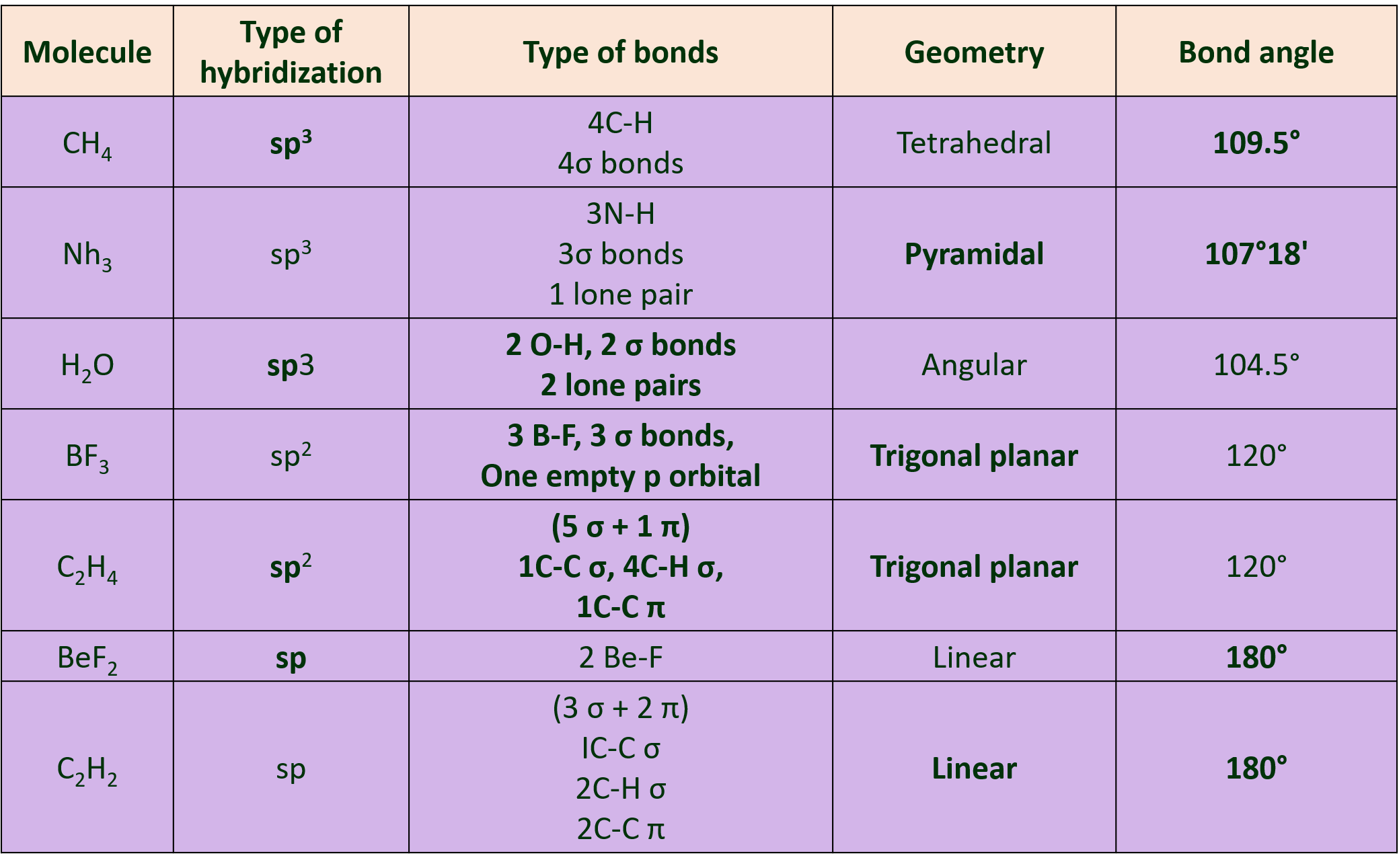
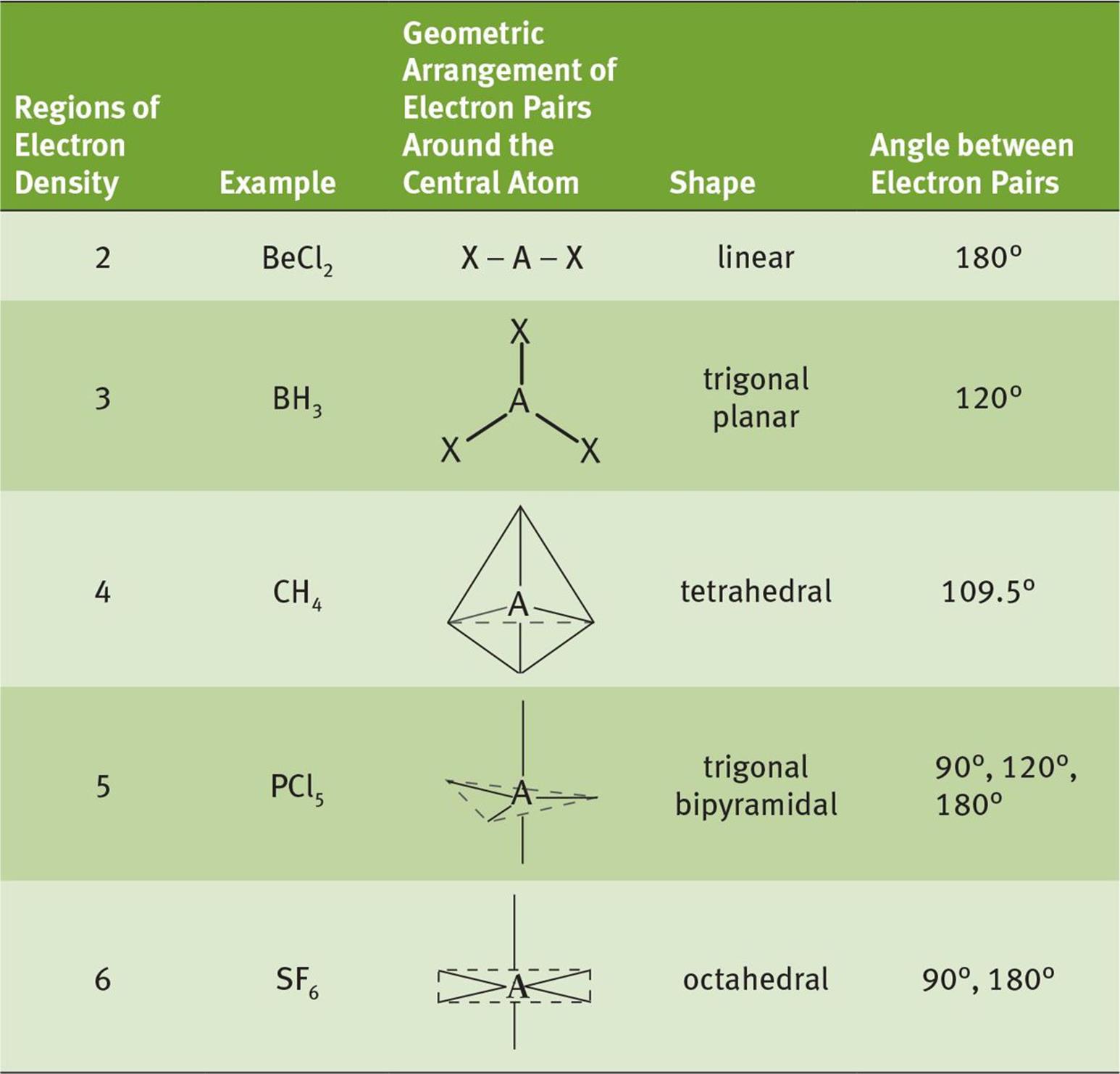
The bond angle chart is a valuable tool for anyone working with molecular structures and chemical bonds. It provides a visual representation of the typical bond angles found in various molecular geometries. This chart serves as a quick reference guide, offering a snapshot of the expected angles between atoms in different molecules. By using this chart, you can easily compare and identify the bond angles in your molecular models or diagrams.
Comparing Chart Formats and Standards
There are a few variations in the presentation of bond angle charts, primarily due to different standards and conventions. Some charts use degrees (°) as the unit of measurement, while others may opt for radians. Additionally, the layout and organization of the charts can differ. Common formats include tables with columns for bond types and their corresponding angles, or diagrams with visual representations of molecular structures and their associated angles. It's essential to ensure you are using the correct chart for your specific needs and region.
Step-by-Step Guide: Using the Bond Angle Chart
Here's a simple process to utilize the bond angle chart:
Identify the type of bond you are working with. This could be a single bond, double bond, or a specific functional group.
Locate the relevant section on the chart that corresponds to your bond type.
Find the specific molecule or compound you are interested in. Charts often organize molecules by their molecular formula or common name.
Read the bond angle value associated with the molecule. This value represents the typical angle between the atoms in that bond.
Use this information to verify or estimate the bond angle in your molecular models or calculations.
Common Misreadings and How to Avoid Them
While the bond angle chart is a useful tool, it's important to be aware of potential pitfalls. One common mistake is assuming that the chart provides exact values for every molecule. In reality, bond angles can vary slightly due to factors like molecular environment and specific conditions. Treat the chart as a general guide, and be prepared to make adjustments based on your specific scenario. Another pitfall is using the wrong chart for your region or standard. Always double-check the units and ensure you are using a chart that aligns with your measurement system.
Factors Affecting Accuracy and Real-World Use
Several factors can influence the accuracy of the bond angle chart and its practical application:
Molecular Environment: The surrounding atoms and their arrangement can impact bond angles. For instance, a molecule in a crowded environment may have slightly different bond angles compared to an isolated molecule.
Bond Type and Hybridization: Different bond types, such as single, double, or triple bonds, often exhibit distinct bond angles. Additionally, the hybridization of the central atom (e.g., sp, sp2, sp3) can affect the overall molecular geometry and, consequently, the bond angles.
Standard Deviation: While the chart provides typical bond angles, there can be variations. Standard deviation represents the range of values within which most bond angles fall. Understanding this deviation is crucial for interpreting the data accurately.
Choosing the Right Format for Your Needs
When selecting a bond angle chart, consider your specific requirements and preferences:
Visual vs. Tabular: Some individuals may find visual diagrams more intuitive, while others prefer the simplicity of a tabular format. Choose the style that best suits your learning style and the nature of your work.
Level of Detail: Depending on your expertise and the complexity of your work, you might opt for a more detailed chart that includes a wider range of molecules and bond types. Beginners may benefit from a simpler chart focused on common molecules and basic bond angles.
Standard and Region: Ensure the chart you choose aligns with the standard and region you are working in. This ensures the units and values are consistent with your measurements and calculations.
Well, that's a wrap on our bond angle chart adventure! We've covered a lot of ground, from understanding the basics to mastering the art of accurate readings. Remember, it's always a good idea to double-check your specific needs and context. The exact values might differ slightly, so stay alert and adapt to your unique situation.
Feel free to explore our other guides and resources. We've got a bunch of practical tips and tricks to offer, so take a look and keep learning! It's all about finding the right tools for the job, and we're here to help you on that path.
Related: Find Your Perfect Steak: A Cook's Guide
A common misconception about the steak cook chart is that it's a rigid, one-size-fits-all guide, which can lead to over-complicating a simple cooking process. However, this chart is a versatile tool, offering a clear and concise way to achieve your desired steak doneness. It provides a straightforward reference for cooking temperatures and times, ensuring your steak is cooked to perfection every time. With the steak cook chart, you can easily navigate the different stages of doneness, from rare to well done, and understand the internal temperature guidelines.
Understanding Doneness: A Guide to Steak Cook Charts
Steak cook charts are a valuable tool for any cook, offering a visual guide to achieving the perfect steak doneness. These charts provide a simple yet effective way to understand and control the cooking process, ensuring your steak turns out just how you like it. Let's explore what these charts offer and how to use them effectively.
Comparing Cook Chart Standards and Formats
Steak cook charts typically present a range of doneness options, from rare to well done, and provide corresponding temperature ranges or times. These charts can vary slightly depending on the standard or region they follow. For instance, some charts may use Fahrenheit temperatures, while others opt for Celsius. It's essential to be aware of these variations and ensure you're using the right chart for your needs.
Step-by-Step Guide: Using a Steak Cook Chart
Using a steak cook chart is straightforward and can greatly improve your cooking accuracy. Here's a simple process to follow:
Choose the Right Chart: Select a chart that aligns with your cooking method and desired doneness. Different charts may cater to grilling, pan-frying, or even sous vide cooking.
Understand the Doneness Levels: Familiarize yourself with the doneness options on the chart. These often include terms like rare, medium-rare, medium, and well done, each with its temperature or time range.
Prepare Your Steak: Ensure your steak is at room temperature before cooking. This simple step can significantly impact the cooking process and final result.
Cook and Monitor: Follow your chosen cooking method and refer to the chart for guidance. Regularly check the internal temperature of your steak using a meat thermometer. This ensures you achieve the desired doneness without overcooking.
Rest and Serve: After cooking, allow your steak to rest for a few minutes. This resting period is crucial as it allows the juices to redistribute, ensuring a juicy and flavorful steak.
Avoiding Misreadings and Pitfalls
While steak cook charts are a fantastic tool, there are a few potential pitfalls to avoid:
Internal Temperature: Always use a reliable meat thermometer to check the internal temperature. Don't rely solely on the chart's time estimates, as cooking times can vary based on steak thickness and other factors.
Resting Times: Don't skip the resting step! It's a critical part of the process and can make a significant difference in the final doneness and juiciness of your steak.
Thickness and Size: Be aware that thicker steaks may require adjustments to cooking times or temperatures. Always consider the size and thickness of your steak when using a cook chart.
Key Factors for Accurate Results
Several factors can influence the accuracy of your steak cook chart readings:
Cooking Method: Different cooking methods, such as grilling or pan-frying, can impact doneness. Ensure your chart aligns with your chosen method.
Steak Thickness: Thicker steaks may require longer cooking times or higher temperatures to achieve the desired doneness.
Room Temperature: Allowing your steak to reach room temperature before cooking can ensure more consistent and accurate results.
Resting Times: As mentioned, resting times are crucial. A well-rested steak will be juicier and more flavorful.
Personal Preference: Remember, these charts provide a guide, but your personal preference is key. Adjust temperatures or times slightly to find your perfect steak doneness.
By understanding these factors and following the simple steps outlined, you'll be well on your way to achieving the perfect steak every time, using the steak cook chart as your trusted guide.
Your steak cook chart is a valuable tool, a quick reference guide to ensure delicious results every time. It offers a clear path to cooking perfection, and with its step-by-step guidance, you'll soon master the art of steak cooking.
Remember, while this chart provides a solid framework, your personal preferences and the specific steak you're cooking may require some adjustments. So, keep an eye on your steak, trust your instincts, and don't be afraid to make those subtle tweaks to get the doneness just right. It's all about finding that perfect balance!
Related: Need a Hair Color Guide? Use Our Simple Chart
Many people approach hair colors charts with a bit of trepidation, assuming they are complex and confusing. But fear not! These charts are your friends and can be incredibly useful tools.
They provide a simple, visual way to understand and choose hair colors. While the specific values and formats may vary, the hair colors chart remains a reliable guide, offering a clear path to achieving your desired hair color. Think of it as a map, leading you to your perfect shade, with the color wheel and hair color levels acting as your compass.
Hair Colors Chart: A Visual Guide to Hair Dye Shades
The hair colors chart is a handy reference tool for anyone looking to experiment with hair dye. It's a visual representation of different hair colors, shades, and tones, helping you choose and understand the various options available. This chart is a great starting point for anyone new to hair coloring or those seeking a specific shade.
Key Details and Categories
The hair color guide typically features a range of colors, organized into sections or families. You'll often find categories like "blonde," "brunette," "red," and "black," with further subdivisions for specific shades. Each color is usually represented by a swatch or a small square, showing the exact shade. Additionally, the chart may include a color wheel or a visual representation of color theory, which helps understand the relationships between colors.
Reading and Applying the Chart
To use the hair colors chart, start by identifying the color family you're interested in. Let's say you're looking for a specific shade of brown. Locate the "brunette" section and explore the various shades within. Each shade will have a unique code or number, which represents the specific formulation of that color. These codes are essential when purchasing hair dye, as they ensure you get the exact shade you want.
Here's a step-by-step guide:
- Identify the color family.
- Locate the specific shade you desire.
- Note the corresponding code or number.
- Use this code when purchasing hair dye to ensure an accurate match.
Variations and Differences
It's important to note that hair color charts may vary depending on the brand or manufacturer. Different companies may use slightly different shades or numbering systems. Additionally, the way hair reacts to dye can vary based on individual hair types and previous coloring treatments. Here are some key factors that can cause variations:
- Tone and depth: Hair color can appear different depending on the natural tone and depth of your hair.
- Previous coloring: If your hair has been dyed before, the new color may interact with the existing dye, resulting in a unique outcome.
- Hair type: The porosity and texture of your hair can affect how it absorbs and holds color.
- Environmental factors: Sun exposure and water quality can impact the longevity and vibrancy of your hair color.
When using a hair color chart, it's always a good idea to consult with a professional stylist, especially if you're aiming for a specific look or have unique hair characteristics. They can guide you towards the best shade and provide tips for achieving and maintaining your desired hair color.
Hey there! So, we've covered a lot of ground with this hair color chart, and I hope it's given you a clear picture of what you need to know. Remember, these charts are a great starting point, but exact details can differ slightly, so it's always good to double-check.
Feel free to explore our other guides; we've got plenty of practical tips and tricks to help you navigate the world of hair care and styling. Happy coloring!