

Preschool Worksheets Letter K Overview
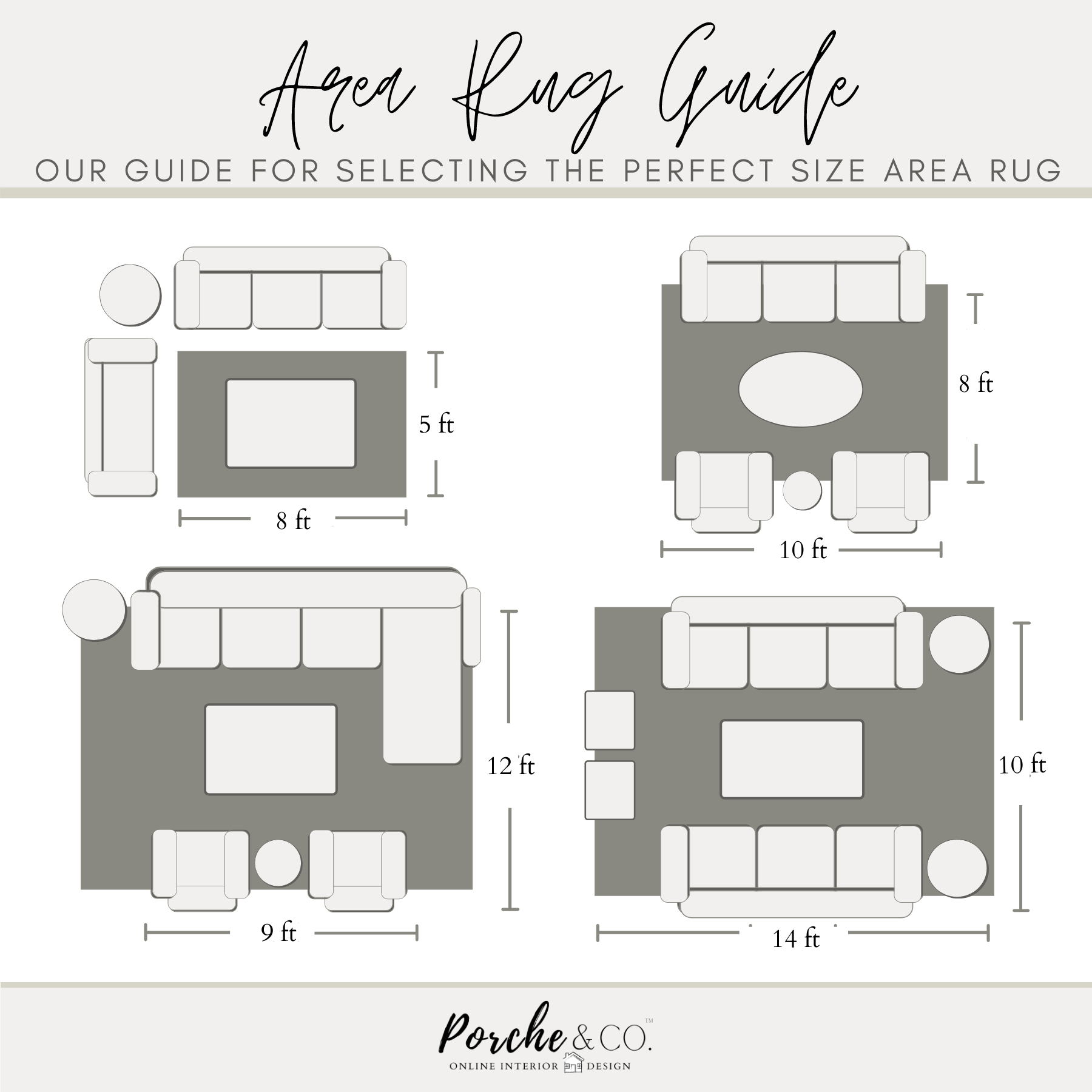
Many folks assume that a rug size chart is an exact science, with one standard size fitting all rooms. However, it's actually a flexible tool, offering a range of options to suit your space. A quick glance at this chart will show you the variety of rug sizes available, and it's an easy way to visualize how different dimensions can work in your home. Whether you're after a rug size guide, carpet dimensions, or floor covering measurements, this chart is a simple, effective starting point.
Understanding the Chart: A Quick Overview
A rug size chart is a handy tool to help you choose the right rug for your space. It provides a visual representation of standard rug sizes, making it easy to visualize and compare different dimensions. This chart is a practical guide for anyone looking to add a rug to their home, offering a simple way to ensure the rug fits the intended area perfectly.
Standard vs. Non-Standard Sizes: A Comparison
While most rugs come in standard sizes, there are also non-standard or custom-made options. The rug size chart typically covers a range of common sizes, such as 5x8, 8x10, and 9x12 feet, which are popular choices for various rooms. Non-standard sizes offer more flexibility but may require a bit more effort to find the perfect fit.
Step-by-Step Guide: Using the Chart Effectively
To use the rug size chart accurately, follow these simple steps:
- Identify the area you want to cover with the rug. Measure the length and width of this space to get an idea of the rug size you need.
- Refer to the chart and locate the closest standard size that fits your measurements. For example, if your space is 6x9 feet, a 5x8 or 8x10 rug might be suitable.
- Consider the layout and furniture arrangement. The chart provides a guide, but you may need to adjust based on your specific room setup.
- Take note of the rug's shape. Some charts also indicate whether the rug is rectangular, square, or runner-shaped, helping you choose the right fit for your space.
Common Misreadings and How to Avoid Them
One common mistake is assuming that the chart provides exact measurements for every rug. While it offers a great starting point, it's important to remember that rug sizes can vary slightly. Always double-check the exact dimensions of the rug you're interested in to ensure a perfect fit. Another potential pitfall is ignoring the scale of the room. A large rug in a small room can make the space feel cramped, so always consider the overall balance and proportion.
Key Factors Affecting Accuracy and Real-World Use
- Room Size: The size of the room plays a crucial role in choosing the right rug. A larger room can accommodate bigger rugs, while smaller spaces may require more careful consideration to avoid overcrowding.
- Furniture Arrangement: The placement of furniture can impact the rug size and shape needed. Consider leaving a border of floor space around the rug to create a balanced look.
- Rug Shape: Different shapes, like runners or round rugs, serve specific purposes and fit different spaces. The rug size chart often includes these variations to guide your selection.
- Tolerances: Rug sizes can have slight variations, so it's essential to check the manufacturer's specifications to ensure the rug meets your expectations.
Adapting the Chart: Choosing the Right Format
The rug size chart can be adapted to suit your needs. If you're looking for a specific size, some charts offer a search function or filters to narrow down options. Additionally, metric and imperial measurements are often available, catering to different regions and preferences. For unique spaces, consider using a custom rug size chart or consulting an expert to ensure a perfect fit.
Well, there you have it! A comprehensive guide to rug size charts and their practical uses. We've covered a lot of ground, from understanding the different options to avoiding common pitfalls.
Remember, when it comes to choosing the right rug size, it's essential to consider your unique space and needs. So, take a moment to double-check your measurements and specific requirements before making any final decisions. This guide should be a handy reference, but it's always good to ensure you've got the right fit for your room.
Consider bookmarking this page for future rug adventures; you never know when you might need a quick refresh on finding the perfect rug size!
Related: Unraveling the Piano Keys Chart: A Simple Guide
If you're here, you're likely seeking a piano keys chart to quickly reference or understand better. Whether it's for a music project, a performance, or simply to enhance your piano skills, having a reliable chart at hand is essential. The piano keys chart offers a clear and organized layout, providing an overview of the keyboard's layout and the notes it produces. It serves as a practical tool, especially when you need precise information about piano key lengths, standard layouts, or even the note frequencies. While the values and formats may vary slightly depending on the source, the chart's purpose remains the same: to guide and assist musicians and enthusiasts alike.
Understanding the Piano Keys Chart
The piano keys chart is a valuable tool for musicians and piano enthusiasts, offering a visual representation of the keyboard layout and its corresponding notes. This chart provides an organized overview, making it easier to identify and understand the relationship between keys, octaves, and musical notes.
Key Details and Prerequisites
Before delving into the chart, it's essential to grasp some fundamental concepts. A standard piano keyboard consists of 88 keys, with a repeating pattern of seven white keys and five black keys. These keys are organized into groups of twelve, forming an octave. Each key represents a specific note, and their arrangement follows a logical sequence. The chart typically displays the keys and their corresponding notes, often using a color-coded system for clarity.
Reading the Measurements and Layout
To read the piano keys chart, follow these steps:
Identify the Key Labels: The chart will display the names of the keys, usually in alphabetical order, with corresponding note names. Common labels include C, D, E, F, G, A, and B, along with their sharps and flats.
Understand the Octave System: Octaves are groups of twelve keys, and the chart will often highlight these divisions. Each octave starts with a C note, followed by the remaining eleven notes in sequence.
Recognize the Key Colors: Many charts use colors to differentiate between white and black keys. White keys are typically represented by a light shade, while black keys might be darker or shaded differently.
Note Frequencies: Some charts include information about the frequency of each note, measured in Hertz (Hz). This data provides insight into the pitch and can be useful for tuning and understanding the piano's range.
Key Dimensions: The chart may also provide measurements for key lengths and widths, especially for those interested in piano construction or repair.
Common Keyboard Variations and Standards
While the standard piano keyboard layout is consistent, there can be variations and differences:
Piano Key Lengths: The length of piano keys can vary slightly between manufacturers and models. Some older pianos might have slightly shorter or longer keys.
Note Frequency Chart: The frequency of notes can differ based on the tuning standard. Common standards include A440 (440 Hz for the A above middle C) and A442, with variations used in different regions and musical genres.
Octave Measurements: The exact length of an octave can vary, especially in older pianos. Modern pianos typically have a standardized octave length, but older instruments might have slight deviations.
Avoiding Common Mistakes
To ensure accurate use of the piano keys chart:
Double-check the standard being used, especially for note frequencies and octave measurements.
Be aware of potential variations in key lengths and dimensions, especially when working with older pianos.
Understand the context and purpose of the chart. For example, a chart designed for tuning might focus on note frequencies, while a construction guide might emphasize key dimensions.
Always refer to reliable sources and official specifications when dealing with specific piano models or unique situations.
By following these guidelines and understanding the layout and measurements, you can effectively utilize the piano keys chart as a practical tool for exploring the piano's vast musical potential.
Well, there you have it! A comprehensive guide to understanding piano keys and their chart. With this knowledge, you can now navigate the keyboard with ease and precision.
Remember, when it comes to applying this chart, it's essential to consider your specific needs and the context in which you'll be using it. Exact values may differ slightly, so always double-check the standard or source you're working with. It's a good idea to bookmark this page for future reference; you never know when you might need a quick reminder!
Related: What is the "kilo chart to lbs"?
You're probably here because you need a quick conversion reference, and the kilo chart to lbs is a handy tool for just that. It's a simple yet effective way to get accurate weight conversions from kilograms to pounds, and it's great for those who need a reliable, visual guide. This chart, or weight conversion table, is a practical solution, especially when you're in a hurry and need a straightforward answer.
Understanding the Kilo Chart to Lbs
The kilo chart to lbs is a simple yet effective tool for converting weights between the metric and imperial systems. It provides a quick and easy reference for those who need to make weight conversions, especially when dealing with kilograms and pounds. This chart is a handy guide, offering a visual representation of the relationship between these two common units of measurement.
Comparing Metric to Imperial Weight Standards
The chart typically displays a range of weights in kilograms on one axis and the corresponding values in pounds on the other. It's a straightforward way to visualize and understand the conversion process. You'll often find these charts with clear labels and color-coding, making it easy to identify the relevant values. For instance, a common format might show weights in kilograms on the left, with the equivalent pound values increasing rightwards.
Step-by-Step: Using the Kilo Chart to Lbs
To use the chart, simply locate the weight you wish to convert on the kilogram scale. Follow the row or column to find the corresponding value in pounds. It's as simple as that! For example, if you want to know how many pounds are in 5 kilograms, just find the 5 kg mark on the chart and read the value it aligns with on the pound scale. This method is quick and accurate, perfect for on-the-go conversions.
- Identify the weight in kilograms.
- Locate this value on the chart.
- Follow the row or column to the corresponding pound value.
- Read the value to get your conversion.
Common Measurement Mistakes and How to Avoid Them
While the kilo chart to lbs is a great tool, it's important to be aware of potential variations. Different standards and regions may have slight differences in their conversion factors. Always double-check the specific standard or region you're working with to ensure accuracy. Here are some key factors to consider:
- Imperial units can vary slightly depending on the context and region.
- Metric system conversions may have small differences due to rounding or specific application needs.
- Always check the chart's legend or key to understand any specific symbols or color codes.
- Be mindful of any additional factors, like the weight of packaging, which might affect the final result.
So, there you have it, a handy kilo-to-pound conversion chart to keep at your fingertips. With this simple guide, you can easily navigate between the two measurement systems and avoid any potential confusion.
Remember, while this chart provides a quick and practical solution, exact values can vary slightly depending on the specific standard or source you're working with. So, it's always a good idea to double-check your context and requirements before making any final calculations. Bookmark this page for a handy reference, and you'll be a conversion pro in no time!