





Princess Toadstool Coloring Pages Overview
A trumpet note chart is a handy tool for any trumpeter, offering a quick glance at the notes and their corresponding fingerings. This guide will take you through the basics, ensuring you can read and use the chart with ease.
It's a simple reference, but an essential one, as it covers the standard range and common scales. While the exact values may vary slightly, the chart provides a solid foundation for understanding note names and their pitch frequencies.
Understanding the Trumpet Note Chart
The trumpet note chart is a valuable tool for any trumpeter, offering a visual representation of the notes and their corresponding fingerings. It's like a map, guiding you through the world of trumpet playing. This chart simplifies the process of learning and mastering different notes, making it an essential resource for beginners and experienced players alike.
Key Details and Categories
Before diving into the chart, it's crucial to understand some basics. The chart typically covers the standard range of a trumpet, which includes both the natural notes and those produced using valve combinations. You'll find notes organized by their pitch frequency, from low to high. Each note is represented by a specific fingering, often shown as a combination of valve positions. Additionally, some charts may include alternate fingerings, offering options for different playing styles or instruments.
Reading the Notation and Applying It
Using the trumpet note chart is straightforward. Start by identifying the note you want to play. Then, locate it on the chart, which will show you the correct fingering. For example, if you want to play a C note, you'll see a specific valve combination indicated. Follow this fingering, and you'll produce the desired note. It's as simple as that! Practice reading the chart and applying the fingerings to become more comfortable with it. Over time, you'll develop muscle memory, making note transitions seamless.
Variations and Differences
While the trumpet note chart provides a solid foundation, it's important to note that variations exist. Different standards, such as US or international, may have slight differences in note names or fingerings. Additionally, some charts might focus on specific scales or playing techniques. Always double-check the exact specifications for your instrument and playing style. Here are some common factors that can cause variations:
- Standard range variations: Some charts may extend beyond the standard range, offering additional notes.
- Instrument type: Different trumpet models might have slight variations in fingering.
- Playing style: Certain charts cater to specific genres or techniques, like jazz or classical.
- Alternate fingerings: These provide options for achieving the same note with different finger combinations.
Remember, the trumpet note chart is a versatile tool, but it's essential to adapt it to your specific needs and context. With practice and familiarity, you'll navigate the chart with ease, unlocking the full potential of your trumpet playing.
Well, there you have it! A handy trumpet note chart can be a great tool to have in your musical arsenal. Remember, these charts provide a solid foundation, but exact values might differ slightly across different standards or resources.
So, before you put your new knowledge into practice, take a moment to ensure you're using the right chart for your specific needs. And don't forget to explore our other guides; there's plenty more musical magic to discover!
Related: Understand Sanibel Tide Chart: A Quick Guide
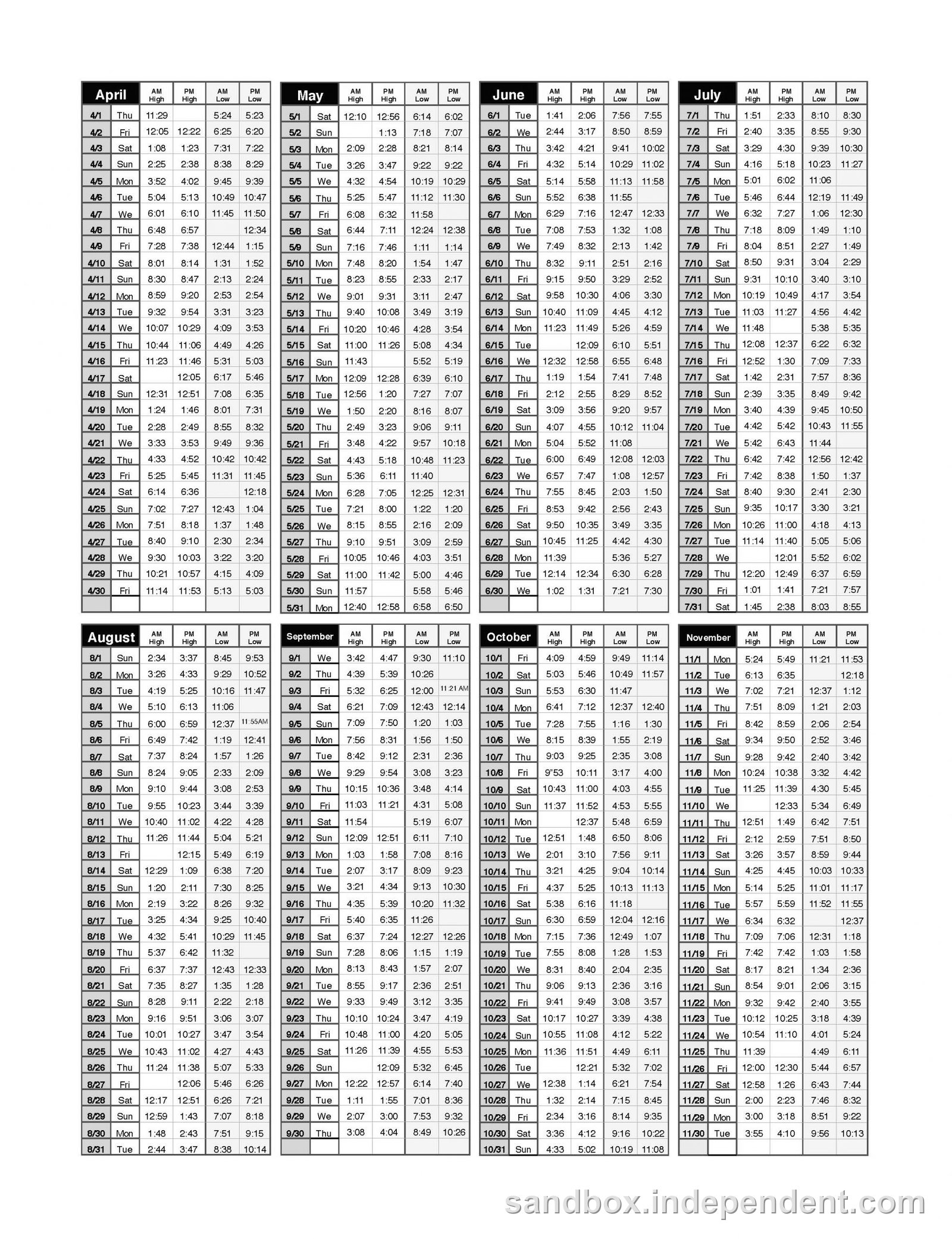
You're probably here because you need a quick answer, a reliable reference, or a simple guide to understanding the Sanibel tide chart. It's a handy tool, a visual aid, and a practical way to stay informed about the tides in your area. Whether you're planning a beach day, a fishing trip, or just need to know the tide levels, Sanibel Island tide times can be a helpful resource. These charts provide an easy way to visualize and predict the tide's behavior, and with various formats and standards, you'll find one that suits your needs.
Understanding Sanibel Tide Charts
A sanibel tide chart is your go-to guide for predicting tide levels and times on Sanibel Island. It's a handy tool for beachgoers, fishermen, and anyone who wants to plan their water-based activities. These charts provide a visual representation of the tides, making it easy to understand when the water will be at its highest or lowest points.
Reading Tide Data: Standard Formats
The sanibel tide chart typically displays two key pieces of information: tide height and time. You'll see the height represented in feet or meters, depending on the chart's standard. For instance, a common format might show "3.5 ft" or "1.05 m" to indicate the tide's height. The time is usually in a 24-hour clock format, so "15:00" represents 3 PM.
Step-by-Step Guide to Using a Sanibel Tide Chart
- First, identify the date and time you're interested in. This is crucial for accurate planning.
- Locate the corresponding time on the chart. It's often presented in a table format, with times listed horizontally across the top.
- Read the tide height for that time. If it's a table, the height will be in the relevant column.
- Remember, these are predictions, so actual conditions may vary slightly. Always check the current conditions before heading out.
- For a more detailed plan, you can also note the tide's direction (incoming or outgoing) and speed, which might be indicated on the chart.
Common Misreadings and How to Avoid Them
It's easy to misinterpret a sanibel tide chart, especially if you're new to reading them. One common mistake is assuming the tide will be at its highest or lowest exactly on the hour. In reality, tides transition gradually, so the extreme points often occur a few minutes before or after the hour. Another pitfall is not considering the chart's specific location. Remember, tides can vary slightly across different areas of Sanibel Island. Always double-check the location the chart refers to.
Factors Affecting Accuracy and Real-World Use
Several factors can influence the accuracy of a sanibel tide chart. Weather conditions, particularly strong winds or storms, can cause significant variations in tide levels. Additionally, the moon's phase and its proximity to Earth can impact tidal patterns. While the chart provides a reliable prediction, it's always a good idea to keep an eye on the actual conditions, especially during extreme weather events. Furthermore, the chart's accuracy relies on the data it's based on, which is usually collected over a long period. So, while it offers a great guide, it's not foolproof for every situation.
Well, there you have it! A comprehensive guide to understanding and utilizing the Sanibel tide chart. We've covered the basics, compared different formats, and walked through the process of reading and interpreting the data.
Remember, while this guide provides a solid foundation, it's always a good idea to consider your unique circumstances. Factors like your specific location, the time of year, and any local variations can impact the accuracy of your readings. So, take a moment to ensure you've got the right context before you set sail!
Feel free to explore our other guides and resources for more practical tips and insights. We've got you covered for all your coastal adventures!
Related: What is a bolt sizes chart and how to use it?
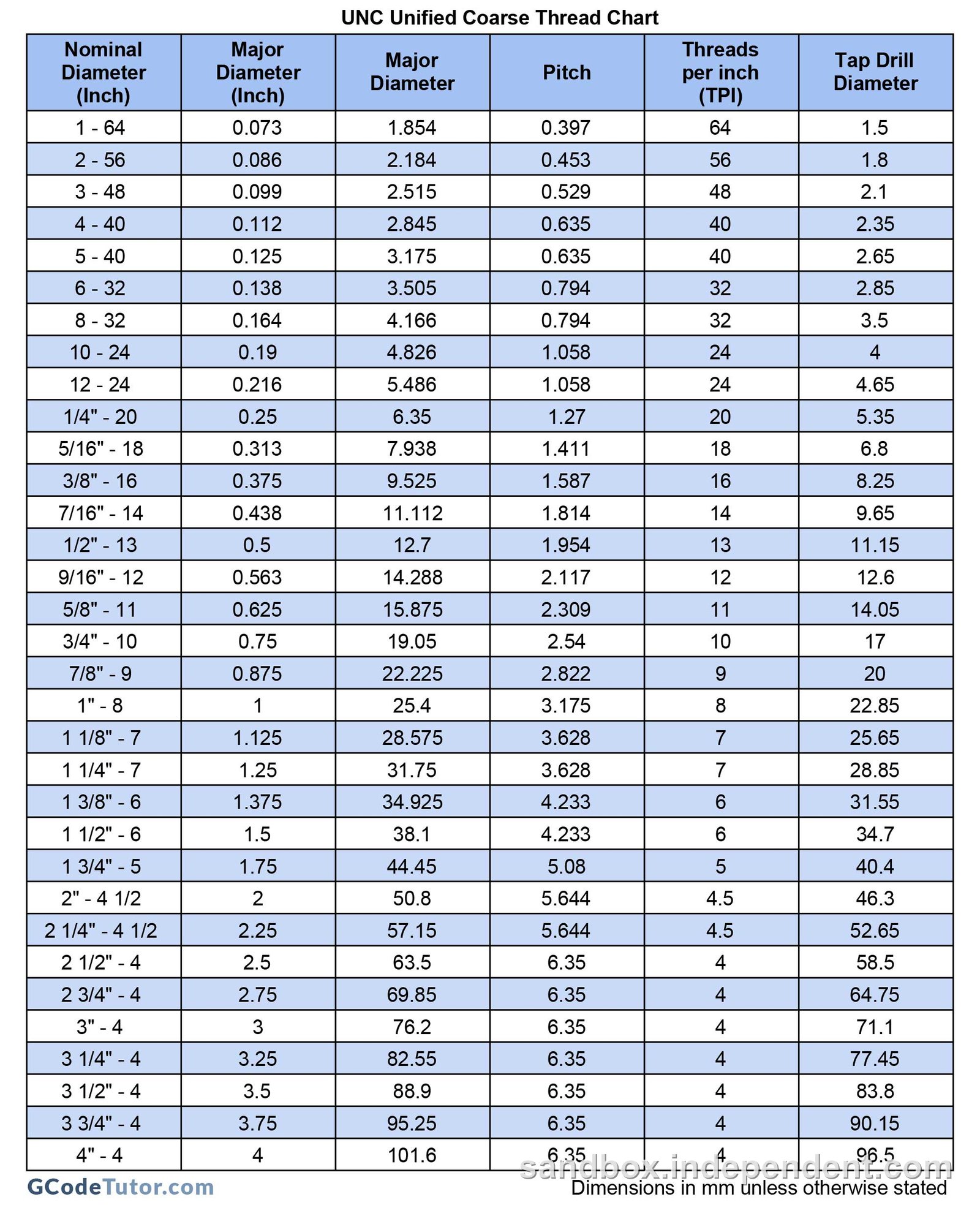
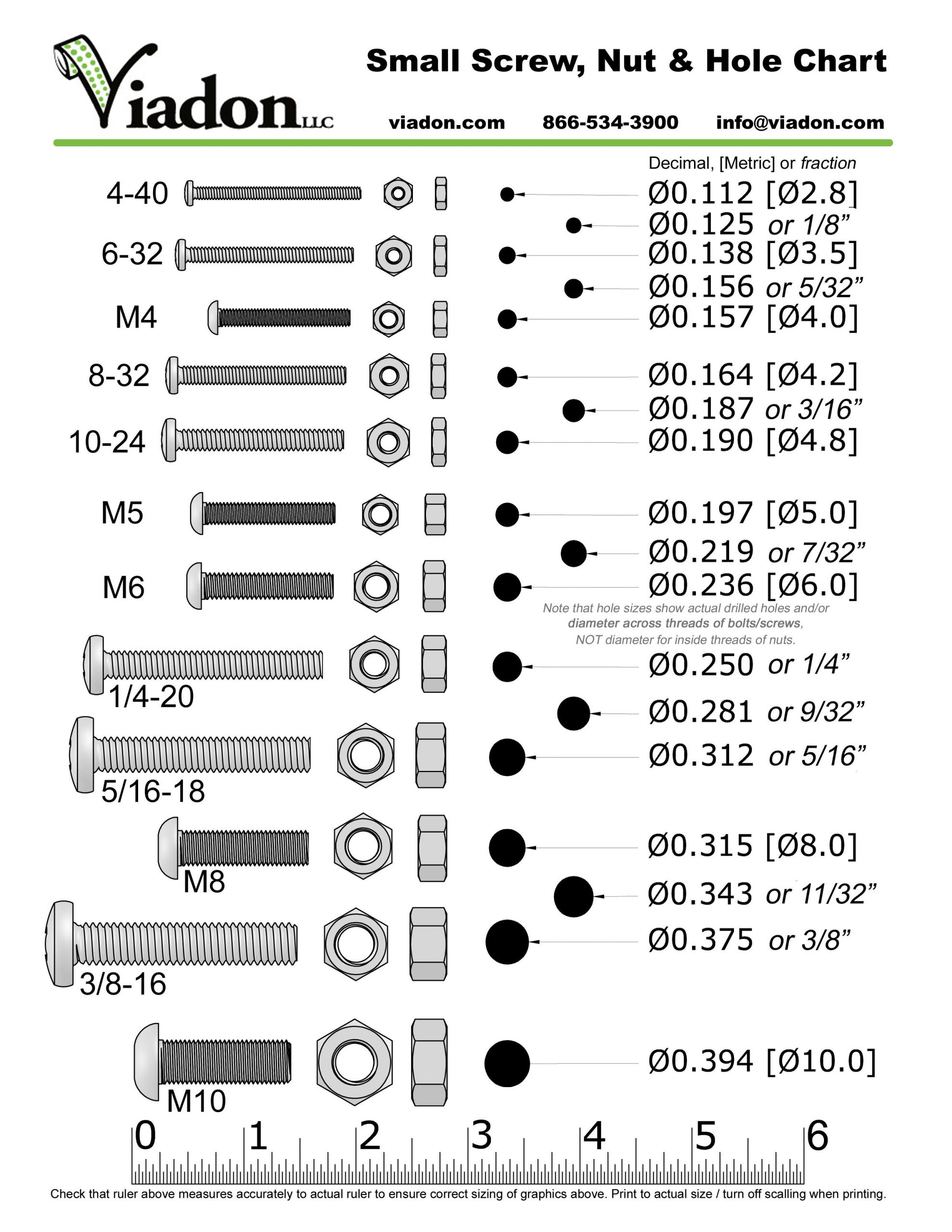
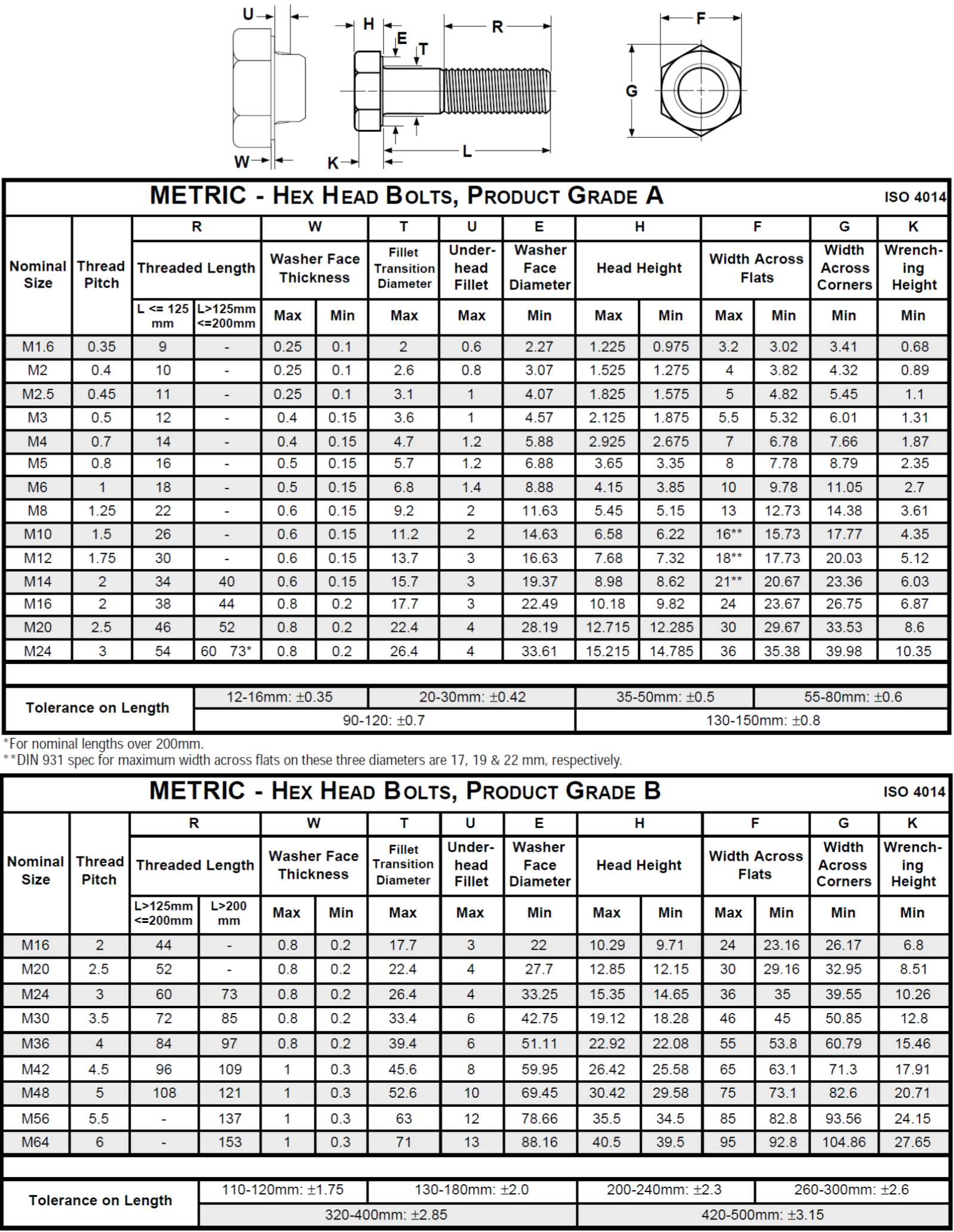
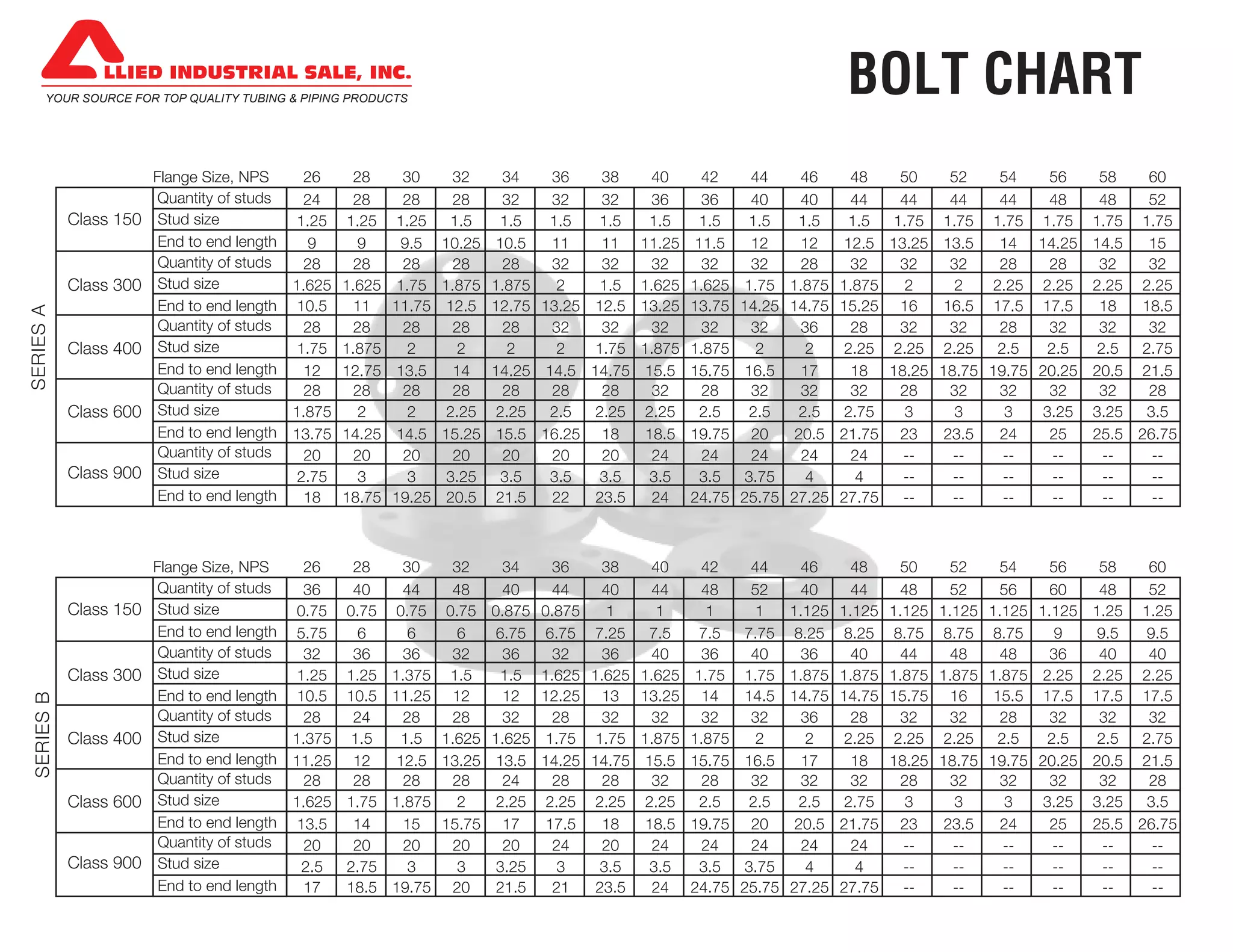
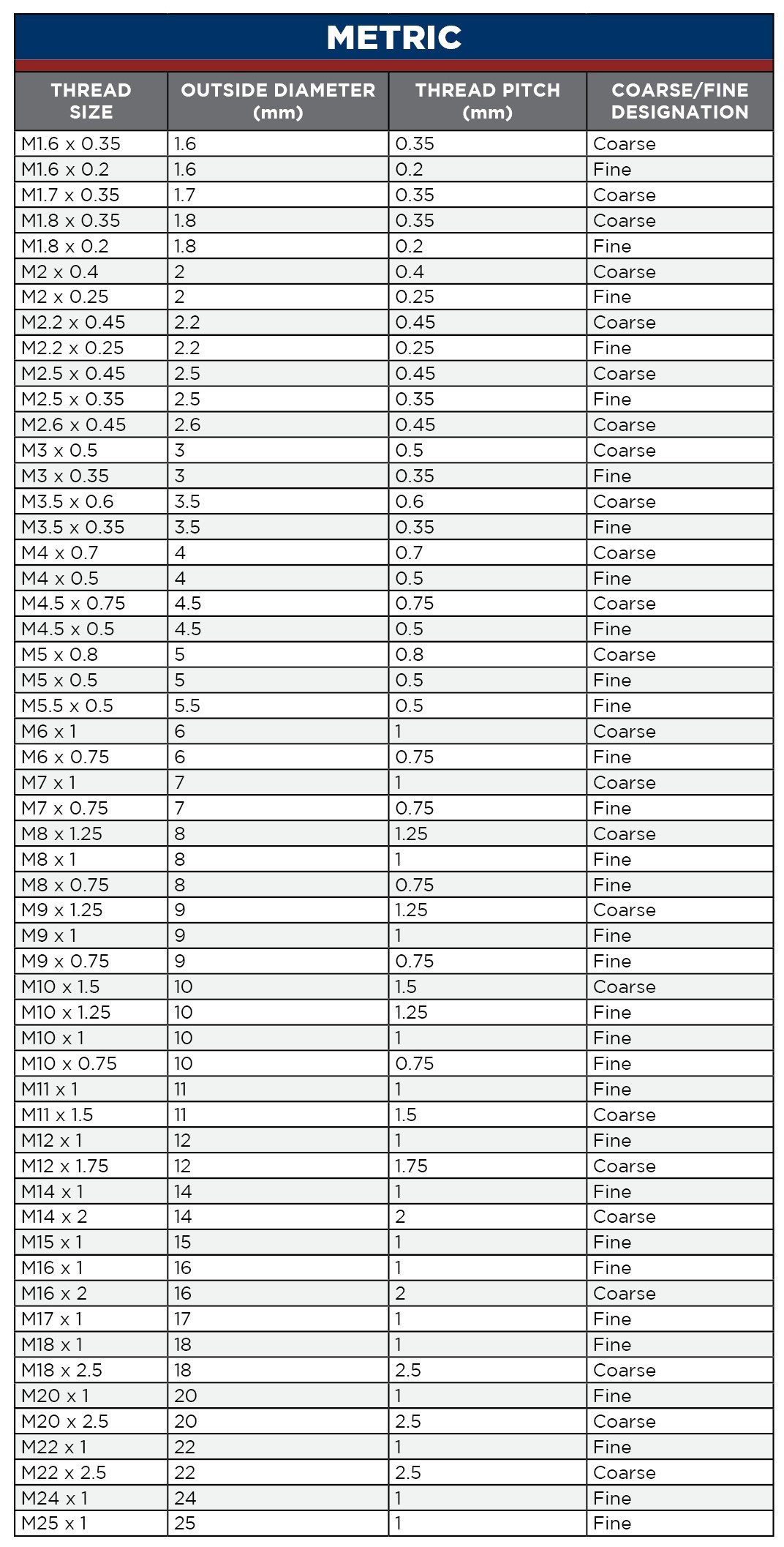
A bolt sizes chart is a handy tool for anyone seeking precise information about bolt dimensions. This guide aims to provide a clear overview, offering a quick reference for those who need to interpret and utilize such charts effectively.
The chart presents a visual representation of bolt sizes, typically including details like length, diameter, and thread pitch. While the values may vary depending on the standard or region, this guide will help you navigate and understand the key measurements, ensuring you can make accurate comparisons and selections.
Understanding the Bolt Sizes Chart
The bolt sizes chart is a comprehensive guide that provides a standardized overview of various bolt dimensions. It offers a quick reference for engineers, builders, and DIY enthusiasts to select the right bolt for their projects. This chart simplifies the process of identifying and specifying bolts, ensuring accurate and compatible fastening solutions.
Key Details and Units
The chart typically includes columns for bolt diameter, length, thread pitch, and sometimes head style. Diameter is measured across the threads, while length refers to the overall length of the bolt, excluding the head. Thread pitch represents the distance between threads and is crucial for compatibility with nuts and threaded holes. The units used in the chart depend on the standard followed, such as inches or millimeters.
Reading Bolt Specs: A Step-by-Step Guide
To use the bolt sizes chart, follow these steps:
- Identify the required bolt diameter. This is often determined by the size of the hole or the object being fastened.
- Determine the necessary bolt length. Consider the thickness of the materials being joined and any additional space needed for the nut.
- Select the appropriate thread pitch. This ensures compatibility with existing threads or the intended application.
- Cross-reference the chosen diameter, length, and thread pitch on the chart to find the corresponding bolt size.
- Verify the head style if needed. Some charts include this information, offering a complete specification.
Variations and Differences
While the bolt sizes chart provides a standardized reference, variations exist due to different standards and contexts. For instance, metric and imperial systems have distinct units and measurements. Additionally, specific industries or applications may require non-standard bolt sizes or unique head styles. It's essential to consult the relevant standard or specification for your project to ensure accuracy.
Common Mistakes and How to Avoid Them
- Failing to consider the thread pitch can lead to incompatible connections. Always check the thread pitch, especially when working with existing threads.
- Neglecting to account for head style may result in poor fit or functionality. Some bolts have unique head designs for specific purposes.
- Relying solely on the chart without considering the project's specific requirements can lead to oversights. Always double-check the exact specifications and tolerances for your application.
- Not verifying the standard being followed can cause confusion. Ensure you are using the correct chart for your region or industry.
Remember, while the bolt sizes chart is a valuable tool, it is essential to cross-reference and verify the information with the relevant standards and specifications for your project.
While the information provided in this guide offers a solid foundation, it's important to remember that bolt sizes and standards can vary slightly between different industries and applications. Exact values may differ based on the specific context and source you're working with.
Feel free to explore our other guides for more detailed insights and practical tips. We've got a range of resources to help you navigate various aspects of construction and engineering, so take a look and find what works best for your projects!