



Printable Calendar For Specific Dates Overview
A common misconception about gravel size charts is that they are solely for professionals or experts in the field. However, these charts are an accessible and valuable tool for anyone seeking accurate information on gravel sizing. The gravel size chart, often a simple table or diagram, provides a clear reference for understanding the various sizes and grades of gravel. It ensures you can make informed decisions, whether for landscaping, construction, or any project requiring specific gravel specifications.
Understanding the Gravel Size Chart: A Practical Guide
The gravel size chart is a valuable tool for anyone working with aggregates, offering a standardized way to categorize and understand the size distribution of gravel particles. This chart provides a visual representation of gravel sizes, making it easier to select the right type for various applications.
Comparing Standards and Formats
There are different standards and formats for gravel size charts, primarily based on the measurement system used. The most common are the US standard sizes and the metric system. US charts typically use inches or fractions of an inch, while metric charts employ millimeters. These charts also vary based on the specific application, such as construction, landscaping, or horticulture.
Step-by-Step Guide to Using the Gravel Size Chart
To accurately use a gravel size chart, follow these steps:
Identify the Standard: Determine whether you are working with a US or metric chart. This is crucial as the size categories and measurements differ significantly between the two systems.
Select the Right Chart: Choose a chart specific to your application. For instance, if you are landscaping, you might need a different chart than someone working on a construction project.
Understand the Categories: Familiarize yourself with the size categories on the chart. These categories often have specific names or codes, such as "pea gravel" or "2A Modified."
Measure and Compare: Take accurate measurements of the gravel you are working with. Compare these measurements to the categories on the chart to identify the closest match.
Consider Particle Distribution: Remember that gravel is a natural material, and its size distribution can vary. The chart provides a general guide, but actual samples may have some variation.
Convert if Needed: If you are working with a chart in a different system, you may need to convert the measurements. For instance, converting from inches to millimeters or vice versa.
Avoiding Common Misreadings and Pitfalls
Misinterpreting a gravel size chart can lead to incorrect selections. Here are some common mistakes to avoid:
Assuming Direct Equivalence: Gravel size charts provide a range of particle sizes, not exact measurements. Avoid selecting gravel based on a single number or assuming a direct match.
Ignoring Tolerances: Natural variations in gravel mean that the actual size distribution may differ slightly from the chart. Always consider the tolerance range when making selections.
Mixing Standards: Be cautious when working with charts from different standards. Converting measurements accurately is essential to avoid errors.
Factors Affecting Accuracy and Real-World Use
Several factors can influence the accuracy of a gravel size chart and its real-world application:
Source and Origin: Gravel from different sources or regions may have varying size distributions, even within the same category.
Processing and Screening: The method of processing and screening gravel can affect its size distribution. Different techniques may result in slightly different outcomes.
Environmental Factors: Weather conditions and erosion can impact the size and shape of gravel over time, especially in natural settings.
Application-Specific Requirements: Different projects have unique needs. Construction, for example, may require more precise size control than landscaping.
Adapting the Chart for Specific Needs
While gravel size charts provide a standardized guide, they may not cover every specific need. In such cases, you can adapt the chart or seek more detailed specifications:
Custom Size Categories: If your project requires a specific size not covered by standard charts, you can create custom categories based on your measurements.
Detailed Specifications: For precise projects, consult with experts or refer to detailed specifications provided by gravel suppliers or manufacturers.
On-Site Testing: In some cases, conducting on-site testing and analysis, such as sieve analysis, can provide more accurate data for your specific gravel source.
Well, I hope this gravel size chart and its accompanying guide have given you a clear and concise reference for your projects. Remember, while this chart provides a solid foundation, it's always a good idea to verify the specific requirements and standards relevant to your region or industry. Exact values can vary, so double-check to ensure you're using the right measurements for your context.
Consider bookmarking this page for future reference; it might come in handy when you least expect it! Until next time, happy measuring and stay organized.
Related: Bat Sizes Chart: A Clear Guide for Selection
A bat sizes chart is a handy tool for anyone looking to find the perfect bat size, and it's a great starting point for your sporting equipment journey. This guide will cover the basics, showing you how to read and use these charts effectively, whether you're a baseball or softball enthusiast.
These charts provide a quick reference, offering standard bat measurements and sizes, which can vary depending on your sport and age group. It's an easy way to ensure you're on the right track when choosing equipment, and we'll explore the key factors to consider.
Understanding Bat Sizes Chart
A bat sizes chart is a helpful tool for anyone looking to choose the right bat for their needs. It provides a visual guide to help you determine the ideal length and weight of a bat based on factors like age, height, and the sport you play. This chart is a great starting point, offering a quick reference to ensure you select a bat that suits your physical attributes and playing style.
Key Details and Categories
The bat sizes chart typically displays two main categories: length and weight. Length is usually measured in inches, with common sizes ranging from 24 to 34 inches. Weight is often shown in ounces, with a variety of options available. The chart may also include age and height recommendations to guide your selection. Remember, these charts are designed as a general guide, so it's important to consider individual preferences and playing experience.
How to Read and Apply the Chart
Using the bat sizes chart is straightforward. First, identify your age group or height range. Then, find the corresponding recommended length and weight ranges. For example, if you're an adult, the chart might suggest a longer and heavier bat, while youth players may need shorter and lighter options. It's essential to consider your comfort and swing speed when choosing. If you prefer a faster swing, a lighter bat might be best, even if the chart suggests a heavier one for your age.
Bat Size Variations and Differences
Bat sizes charts can vary depending on the sport and the standards used. For instance, baseball bat size charts and softball bat sizing guides may have different length and weight recommendations. Additionally, manufacturers might offer slightly different measurements or weight distributions. It's crucial to check the specific sport and brand guidelines to ensure you get the right bat for your needs. Regional variations also exist, with some countries using metric measurements, which can impact the chart's values.
Common Mistakes and How to Avoid Them
One common mistake is relying solely on the chart without considering personal preferences. Always try out a few bats to find the one that feels comfortable in your hands and allows for a smooth swing. Another pitfall is neglecting to check the latest standards and regulations, especially for competitive play. These can change over time, so it's essential to stay updated. Lastly, don't forget to measure your bat properly. Incorrect measurements can lead to an ill-fitting bat, affecting your performance. Always double-check your measurements against the chart's specifications.
Hey there, I hope this bat size chart has been helpful and easy to navigate. Remember, when it comes to choosing the right bat, it's all about finding the perfect fit for your game.
While this guide provides a solid foundation, it's always a good idea to double-check the specific requirements or regulations for your league or competition. Exact values can vary, so it's best to be prepared and ensure you're covered.
Feel free to explore more of our sports equipment guides and resources. We've got plenty of practical tips and insights to share, so stick around and discover more!
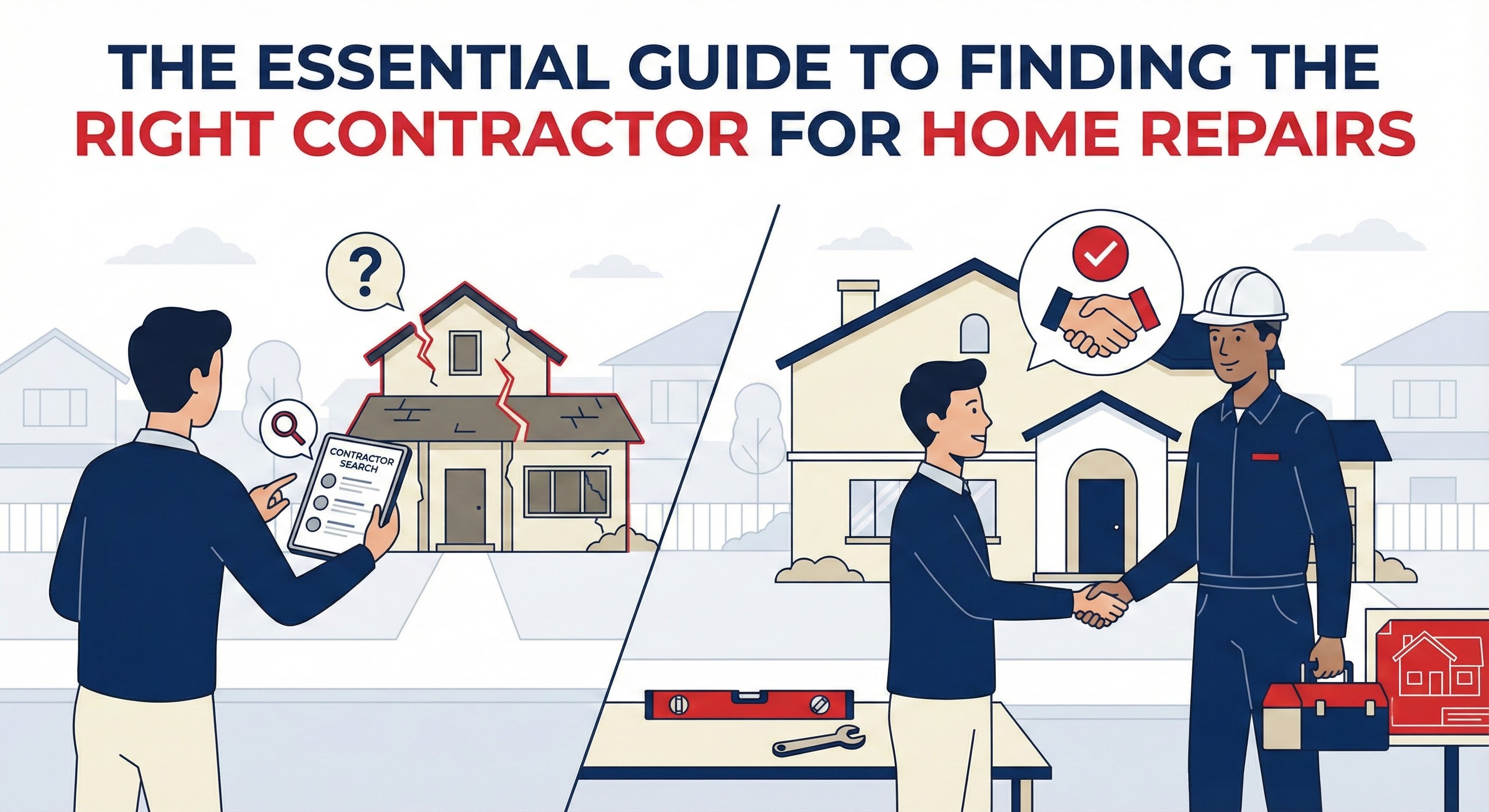
Related: Contractor for House Repair Essential Guide
"I've been putting off those house repairs for too long, but I really need to get them done. Time to find a contractor for house repair!"
All About Hiring a Contractor
So, you've got some home repairs or renovations on your to-do list, and you're thinking about hiring a contractor to get the job done. It's a big step, and there's a lot to consider. A contractor for house repair can handle all sorts of jobs, from small fixes to major overhauls. They're the experts in construction and remodeling, and they'll have the skills and tools to get your project completed.
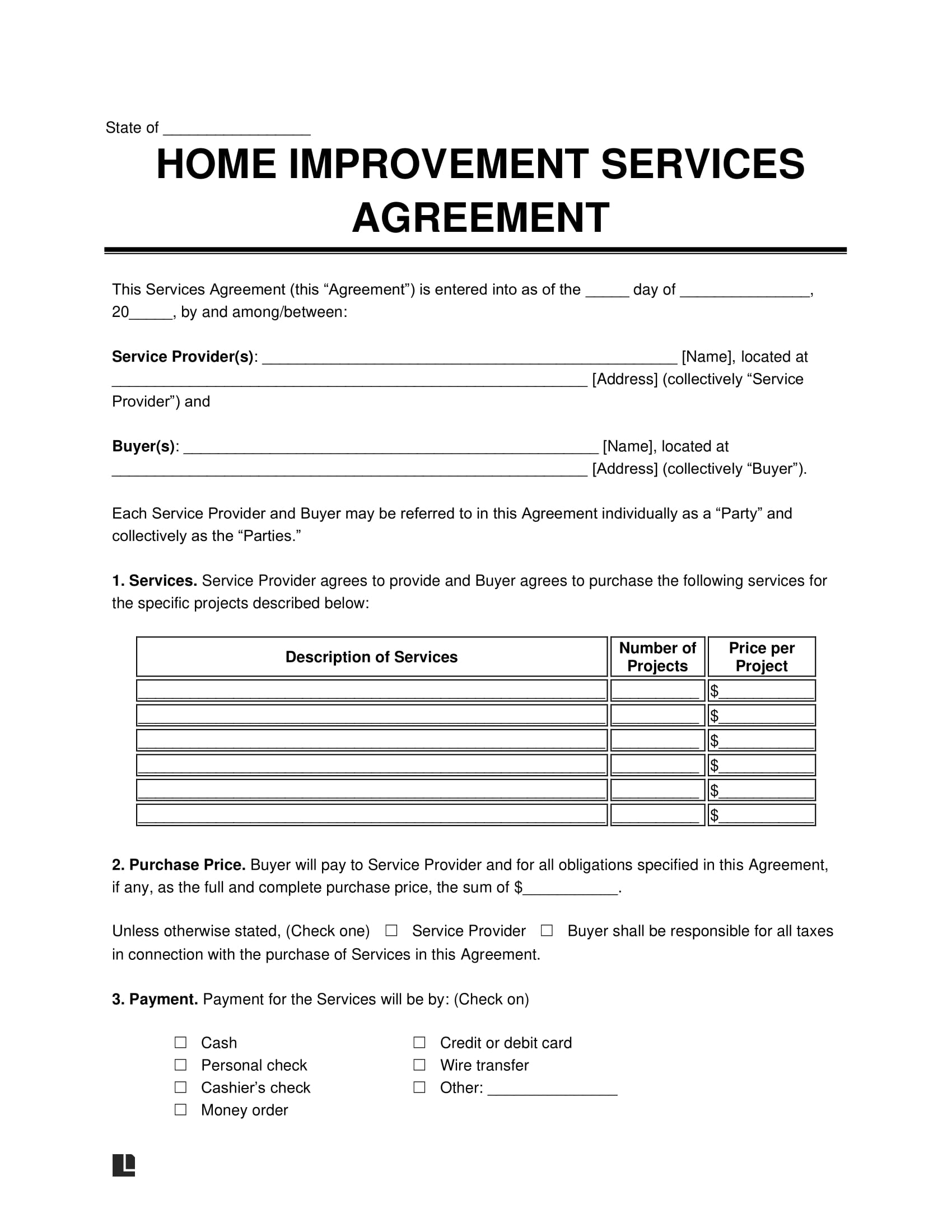
When it comes to costs, it's tricky to give an exact figure as it depends on so many factors. The size of the job, the materials needed, and the labor involved will all impact the price. It's a good idea to get quotes from a few different contractors to compare. Look for detailed quotes that break down the costs, so you can see what you're paying for. Don't just go for the cheapest option; consider the quality of the work and the contractor's reputation too.
Finding and Choosing the Right Contractor
There are lots of contractors and building companies out there, so how do you find the right one? Word of mouth is a great way to start - ask friends or family for recommendations. You can also search online for local contractors and read reviews to get an idea of their work. When you've found a few potential contractors, give them a call or send an email to ask some initial questions.
Find out about their experience and the types of projects they typically work on. Ask about their availability and how long they estimate the job will take. It's also worth asking about any potential extra costs or unexpected issues that might arise during the work. A good contractor will be transparent and give you an honest assessment.
Naming Your Construction Business
If you're thinking of starting your own construction business, you'll need a great name. The name should be memorable and reflect the nature of your work. It might include words like 'build', 'repair', 'remodel', or 'renovate'. It could also be a play on your own name or a unique combination of words. Here are a few ideas:
- Build-It-Better
- Renovate Right
- Fix-It-Fast
- Home Remedy
- Construction Solutions
- The Repair Crew
Remember to check the availability of the name you choose. You'll need to register it locally and secure the domain name for your website.
The Construction Industry and You
The construction industry offers a range of jobs, from general contractors and estimators to specialized roles like plumbers, electricians, and carpenters. If you're looking for work, these roles are often advertised online or through local recruitment agencies. The industry is always in need of skilled workers, so it's a great field to get into.
Estimators, for example, play a crucial role in construction. They use tools like RSMeans to calculate the costs of materials and labor for a project. It's a detailed and important job, and estimators are in high demand.
Big Companies and the Industry Outlook
The construction industry is made up of a mix of small, medium, and large companies. The bigger firms often have more resources and can take on larger, more complex projects. They might have a wider range of specialized staff and more advanced tools and equipment.
However, smaller companies can offer a more personalized service and often have a strong local reputation. It's a competitive industry, and companies of all sizes are always looking for ways to stand out and offer the best service.
So, there you have it! A contractor for house repair is a great option for getting those home improvements done. It's an exciting step, and with the right contractor, you'll be enjoying your renovated space in no time.