



Printable Days Of The Week Worksheets Overview
Many people struggle with understanding wig length charts, often assuming they are complex and intimidating. But fear not, they are actually a simple and handy tool!
The wig length chart is your friend, providing a clear visual guide to help you choose the right wig length. It's a straightforward reference, offering a quick solution to ensure you get the perfect fit and style. While the values might vary slightly, the chart's purpose remains the same: to make your wig journey an easy and enjoyable one!
Wig Length Chart: Unlocking the Perfect Fit
Wig length charts are your secret weapon to finding the ideal wig. These charts provide a visual guide to help you understand and choose the right wig length based on your preferences and head shape. It's like having a personal stylist at your fingertips!
Key Details and Categories
The wig length chart typically displays different wig lengths, often categorized into short, medium, and long. These categories are further divided into sub-lengths, offering a more precise selection. You'll find measurements in inches or centimeters, depending on the standard used. For instance, a short wig might range from 8 to 14 inches, while a long wig could go beyond 20 inches.
Reading and Applying the Chart
Using the wig length chart is simple:
- Identify your preferred wig length. Are you aiming for a chic bob or a flowing, Rapunzel-inspired look?
- Check the chart for the corresponding category. Short, medium, or long?
- Within each category, find the specific length that matches your vision.
- If you're between sizes, consider your face shape and personal style. A little adjustment can make a big difference!
Variations and Differences
It's important to note that wig length charts may vary slightly across different manufacturers and standards. Some brands might offer more detailed sub-lengths, while others keep it simple. Additionally, the chart's categories and measurements can differ between human hair wigs and synthetic ones. Always double-check the specific chart for the wig you're interested in to ensure an accurate fit.
Common Mistakes to Avoid
A common pitfall is relying solely on the chart without considering your head size and shape. Remember, wig lengths are just one aspect; the overall fit is crucial. Another mistake is ignoring the hair density and style. Thicker hair might require a slightly larger wig cap for comfort. Always measure your head accurately and refer to a wig cap size chart for guidance.
Practical Tips for Accurate Results
To ensure the best fit, measure your head circumference at the widest point, usually just above the ears. This measurement will help you choose the right wig cap size. When trying on wigs, adjust the straps or combs for a comfortable, secure fit. If you're between sizes, consider going up a size for a more relaxed feel.
Double-Checking and Edge Cases
While the wig length chart is a valuable tool, it's not an exact science. Individual head shapes and preferences can vary greatly. If you're unsure, consult a professional stylist or wig expert. They can provide personalized advice and help you find the perfect wig length and style to complement your features.
In conclusion, the wig length chart is a fantastic resource for finding your ideal wig. By understanding the categories, reading the chart accurately, and considering your unique features, you'll be well on your way to a confident and comfortable wig experience. Happy wig hunting!
Well, there you have it! A handy wig length chart that will be your go-to resource for all things wig-related. Remember, while this chart provides a great starting point, it's always wise to double-check the specific requirements or standards relevant to your project or context.
Consider bookmarking this page for future reference; it's a simple yet effective tool that will save you time and effort. Happy wig adventures!
Related: What's the Right Bat Size for You?
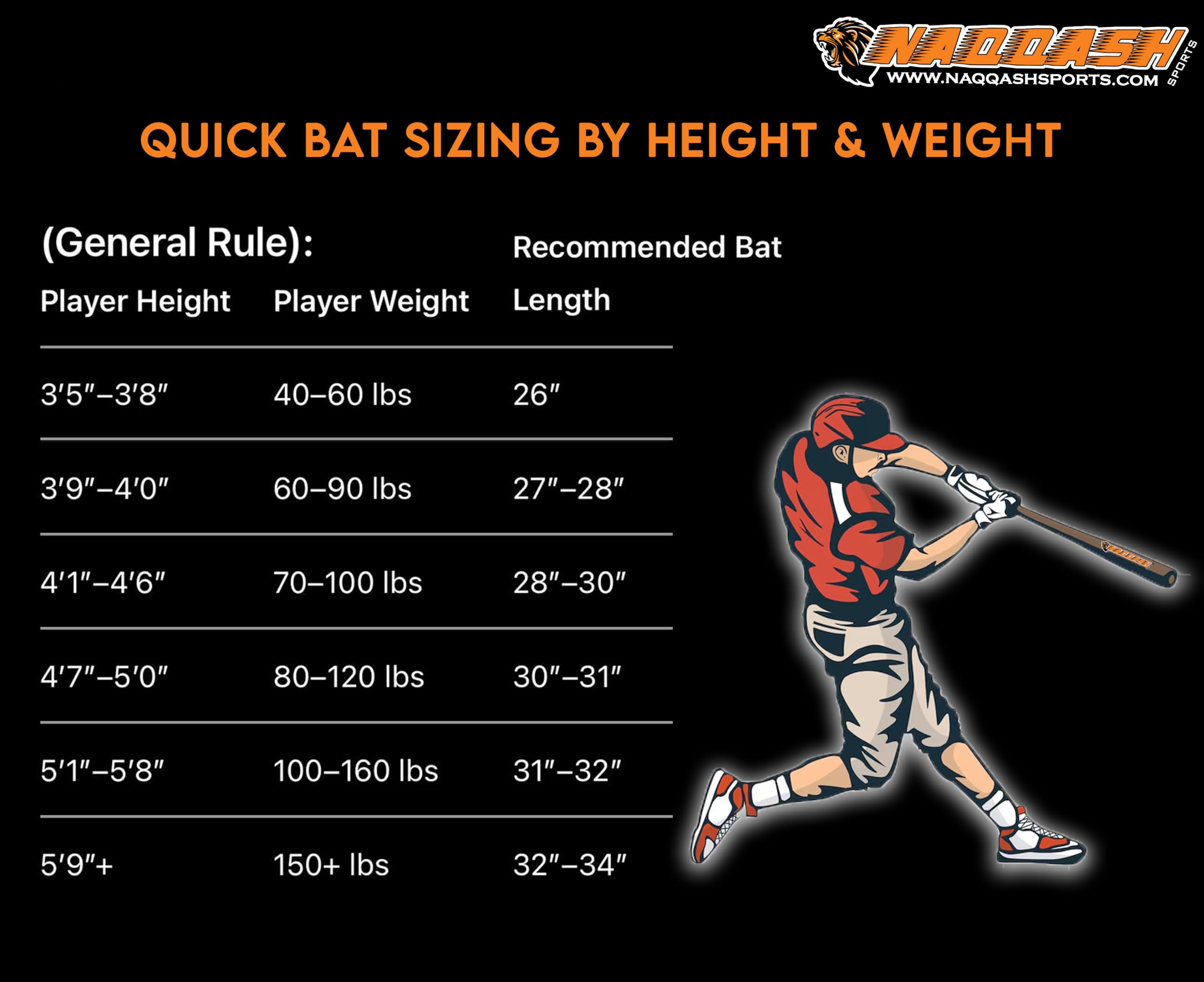
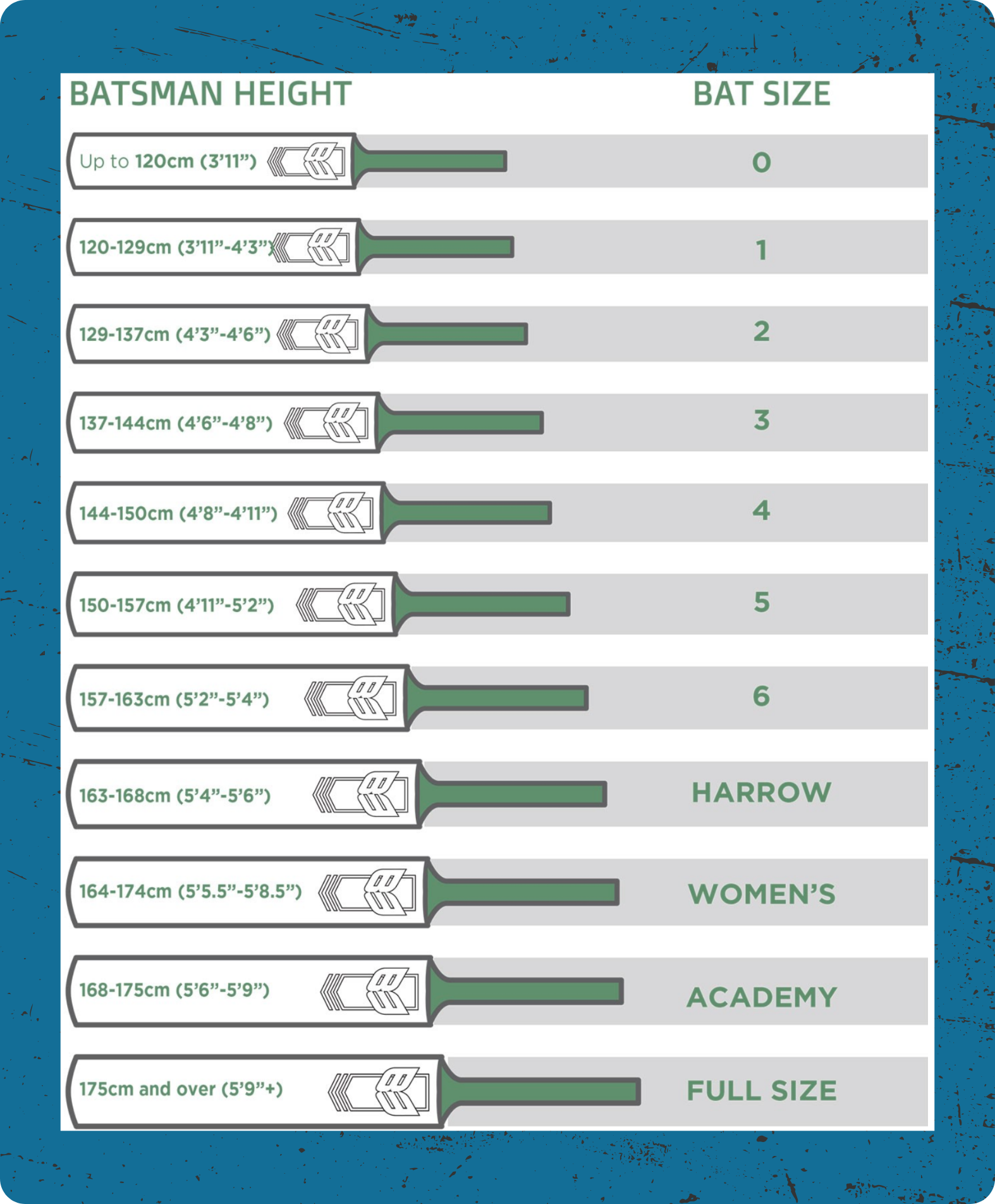
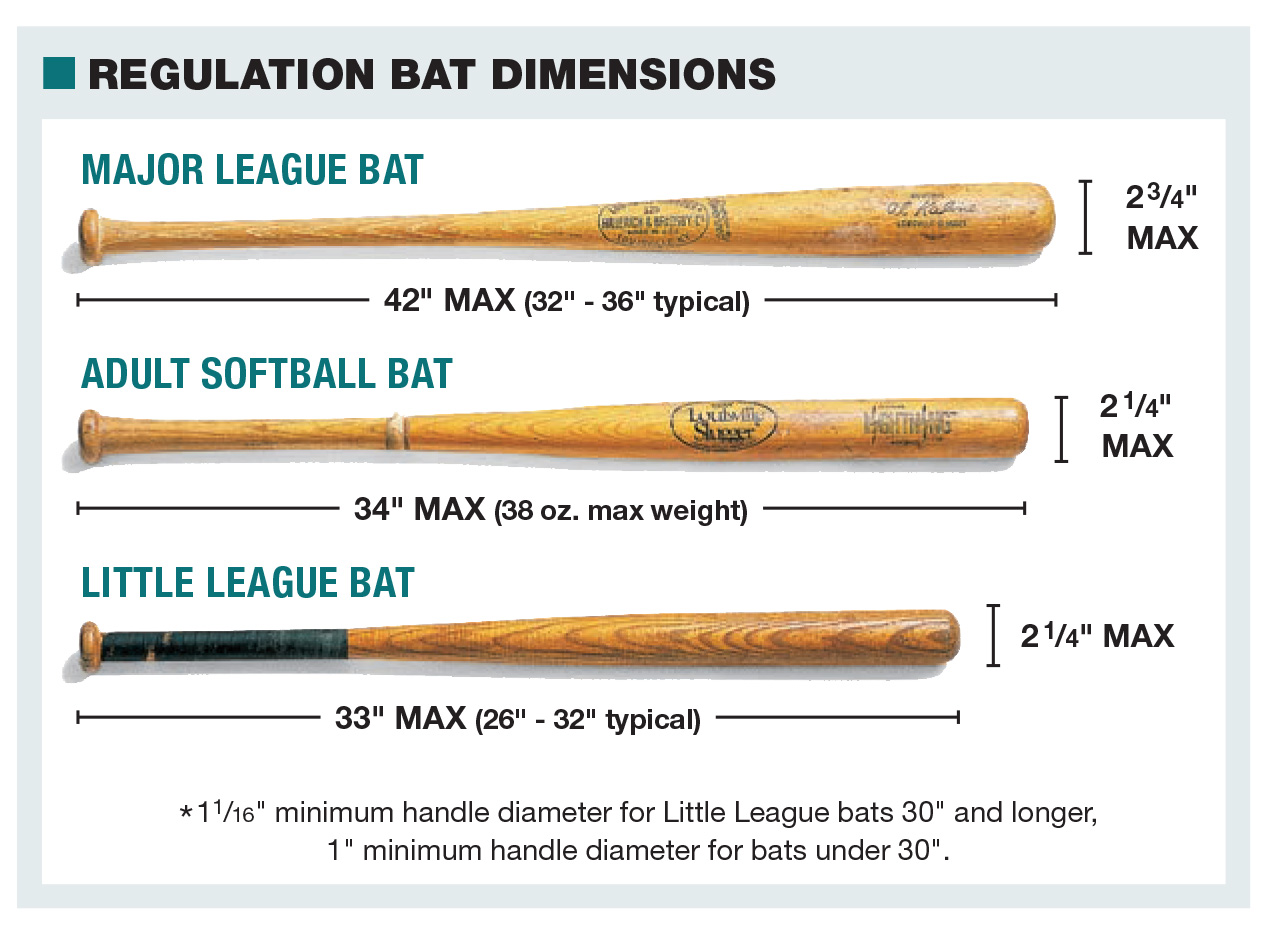
Many people assume that a bat size chart is solely about the length of a bat, but it's actually a comprehensive guide covering various dimensions and specifications. While length is an essential factor, a bat size chart also provides insights into other critical aspects, ensuring you choose the right equipment. This simple yet effective tool offers a quick reference, guiding you through the process of selecting the perfect bat size, whether for yourself or a young player.
Understanding the Bat Size Chart: A Quick Overview
The bat size chart is an essential tool for anyone involved in baseball or softball, offering a simple yet effective way to determine the appropriate bat size for players of all ages and skill levels. This chart acts as a reference guide, providing measurements and recommendations to ensure players have the right equipment for their physical attributes and playing style.
Comparing Bat Size Standards and Formats
Bat size charts can vary depending on the sport and the specific standards or regulations followed. For instance, baseball and softball often have different size charts, and even within these sports, there might be variations for youth leagues, adult recreational play, or professional leagues. These charts typically cover bat length and weight, with some also including additional factors like drop weight (the difference between bat length and weight) and barrel diameter.
Measuring for the Right Bat Size: A Step-by-Step Guide
To use a bat size chart accurately, follow these steps:
- Identify the relevant chart for your sport and league.
- Measure the player's height and, if applicable, their weight.
- Refer to the chart to find the recommended bat length based on the player's height and weight.
- Consider the player's age and skill level, as these can influence the ideal bat weight and drop.
- Select a bat within the recommended range, keeping in mind that personal preference and comfort are also important factors.
Common Size Variations and How to Avoid Misreadings
While bat size charts provide a great starting point, there can be variations due to several factors:
- Height and weight are just two of many physical attributes that can influence bat size. Hand size, arm length, and overall strength can also play a role.
- Age and skill level are often used as general guidelines, but individual player development and experience can vary widely.
- Manufacturer variations can occur, as different brands might have slightly different size recommendations or use unique sizing systems.
To ensure a perfect fit, it's essential to consider these factors and not solely rely on the chart. Always allow for some flexibility and personal preference, as the ultimate goal is to find a bat that feels comfortable and performs well for the individual player.
Before you put this guide to use, remember to cross-check your specific needs and requirements. While the chart offers a comprehensive overview, exact values can vary, so it's essential to ensure you're referring to the right standard or source for your context.
Consider bookmarking this page for future reference; it's a handy tool to have at your fingertips when you need a quick reminder of bat sizes. Stay organized, and happy batting!
Related: Understanding the Tattoo Hurt Chart
A tattoo hurt chart is a valuable resource for anyone considering body art, offering a visual representation of the potential pain levels associated with different tattoo placements. This guide aims to demystify the process, providing an overview of how these charts work and what they can tell you.
The tattoo hurt chart is a simple yet effective tool, often presented as a table or diagram, which rates various body parts based on their pain sensitivity during the tattooing process. While the exact values may vary, depending on individual pain tolerance and the artist's technique, it serves as a useful reference point, helping you make an informed decision about your tattoo journey.
A Guide to Tattoo Pain: Understanding the Hurt Chart
The tattoo hurt chart is a valuable tool for anyone considering body art, providing an insight into the relative pain levels associated with different tattoo placements. This chart serves as a reference, offering a visual representation of pain intensity to help individuals make informed decisions about their tattoo journey.
Comparing Pain Levels: The Tattoo Pain Index
The tattoo pain index is a standardized scale that rates the pain associated with various body parts. It categorizes pain levels from mild to severe, considering factors such as skin sensitivity and nerve density. The chart typically uses a numerical scale, with higher numbers indicating greater pain. For example, a rating of 5 might represent moderate pain, while a 10 signifies an intense, uncomfortable experience.
How to Use the Tattoo Hurt Chart: A Step-by-Step Guide
Identify the Body Part: Start by locating the specific area on your body where you plan to get tattooed. Different body parts have varying pain thresholds due to their unique anatomical characteristics.
Consult the Chart: Refer to the tattoo hurt chart to find the corresponding body part. Each body part is assigned a pain rating, providing an indication of the expected discomfort.
Interpret the Scale: Understand the scale's range and what each number signifies. A rating of 3 might indicate a mild discomfort, suitable for those new to tattoos, while a 7 could suggest a more challenging experience.
Consider Personal Factors: Remember that pain perception is subjective. Your personal pain threshold and tolerance play a significant role. Some individuals may find a certain rating more bearable than others.
Discuss with Your Artist: Share your concerns and expectations with your tattoo artist. They can offer insights based on their experience and provide techniques to manage pain effectively during the process.
Common Misconceptions and Pitfalls
While the tattoo hurt chart is a valuable guide, it's essential to be aware of potential misconceptions. Firstly, pain perception varies greatly among individuals, so the chart should be used as a general reference rather than an absolute indicator. Additionally, the chart may not account for all variables, such as the complexity of the design or the artist's technique. It's crucial to have open communication with your artist to ensure a comfortable and enjoyable tattoo experience.
In summary, the tattoo hurt chart is a practical tool to navigate the pain associated with different tattoo placements. By understanding the scale, considering personal factors, and seeking professional advice, you can make informed decisions and embrace the tattoo journey with confidence.
Tattooing is an art, and like any art form, it comes with its own set of considerations. Remember that every experience is unique, and the pain threshold can vary from person to person. The chart provides a general guide, but your personal journey may differ slightly.
Feel free to explore other guides on our site to deepen your understanding and make informed choices. We've got you covered with various resources to ensure your tattoo experience is as enjoyable and comfortable as possible. Happy inking!