




Printable Flowers To Color Overview
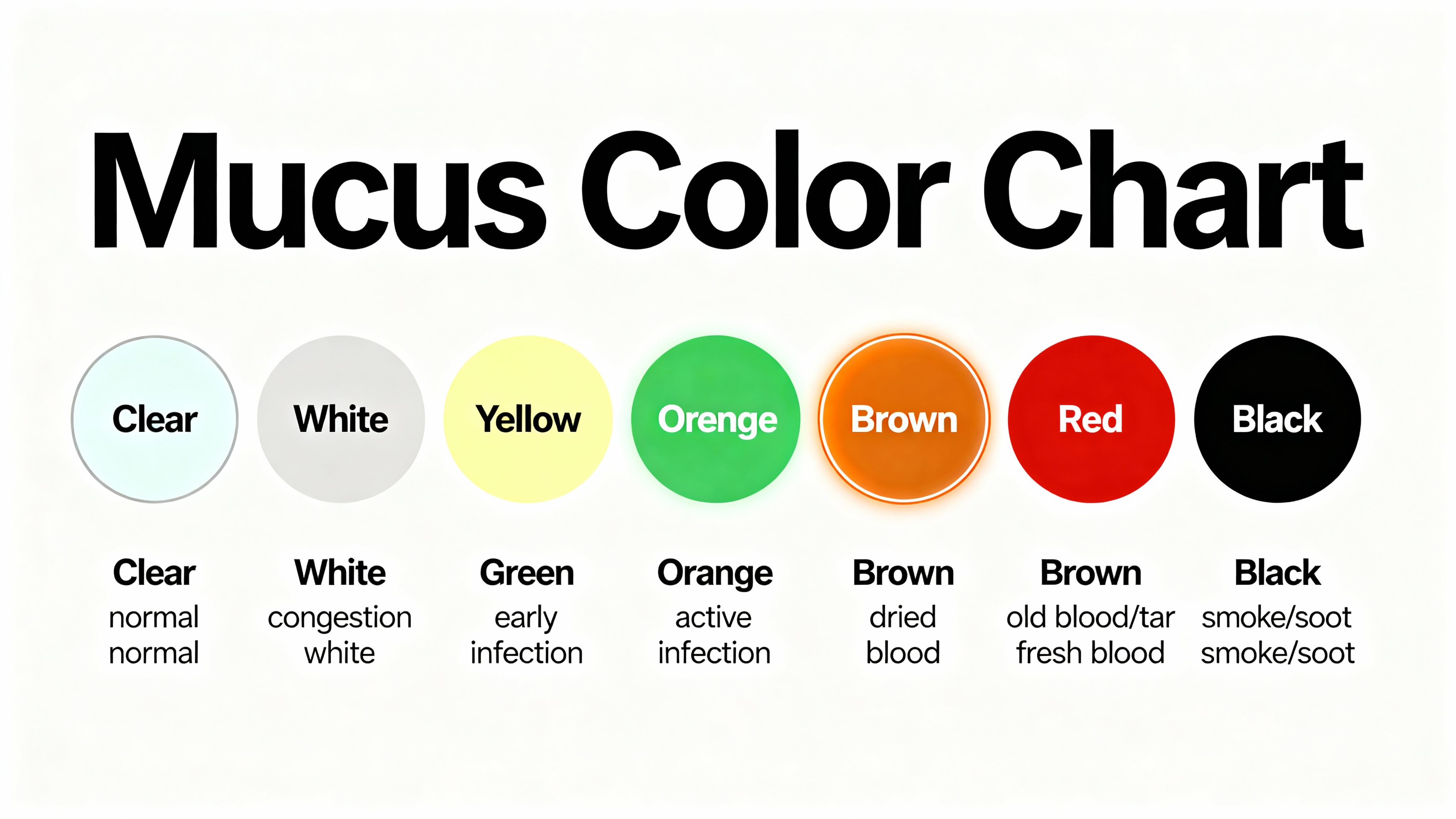
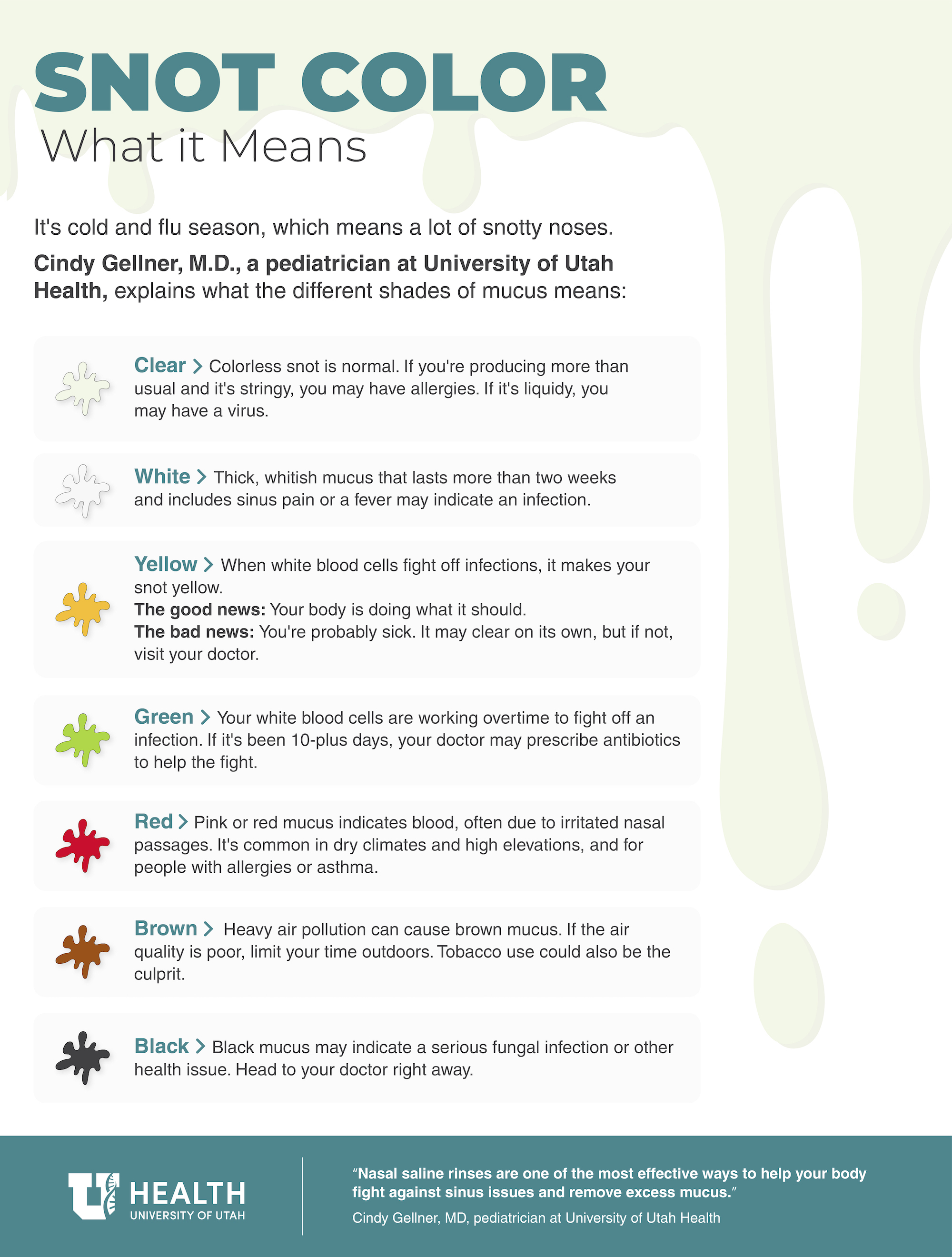
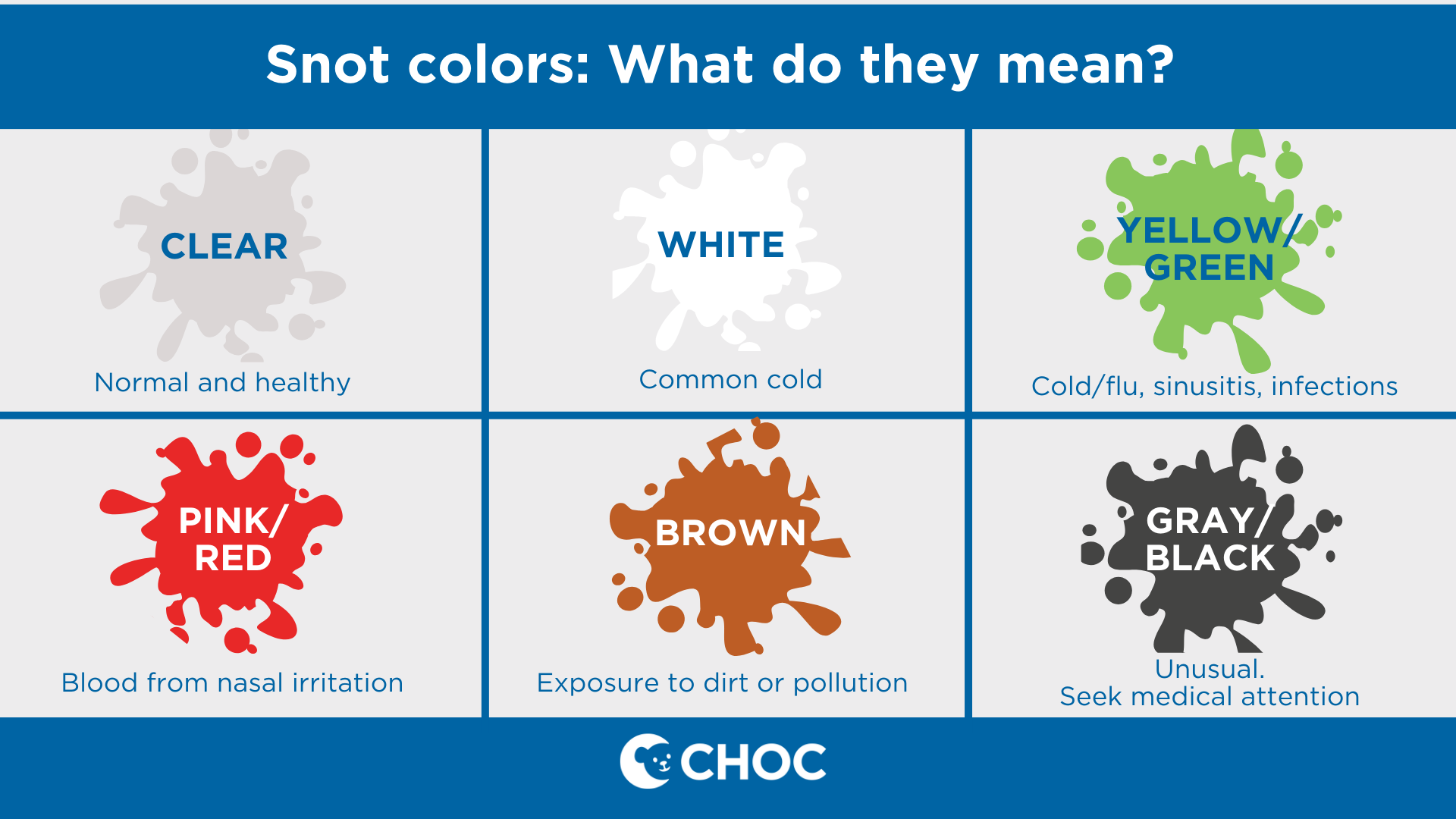
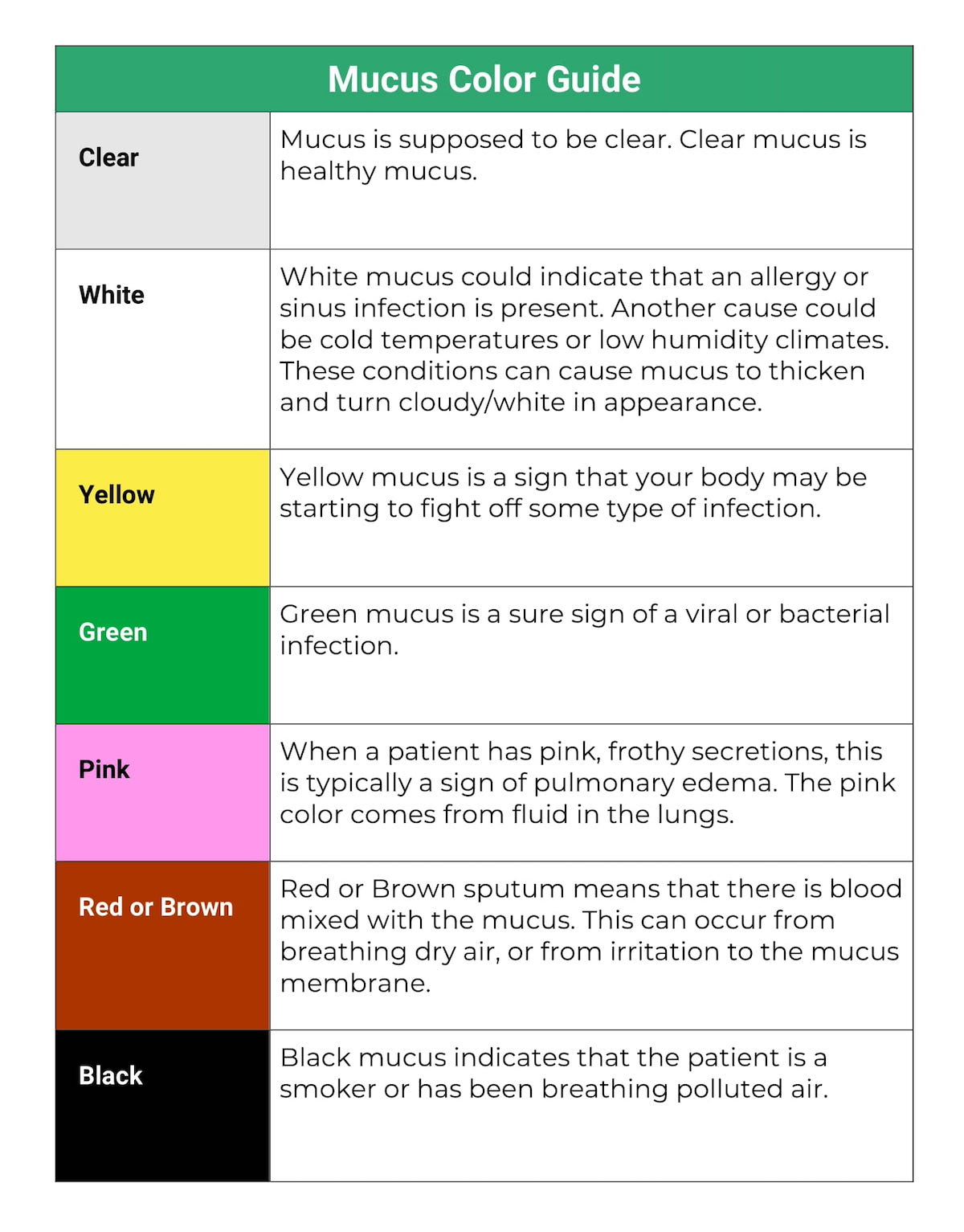
You're probably here because you're curious about the snot color chart or need a quick reminder of what those colors mean. It's a simple yet effective tool, a reference guide to help us understand the story our nasal discharge is telling. Think of it as a visual key to unlocking the secrets of your snot!
The chart is a handy resource, offering a quick way to check and interpret the colors and textures of your mucus. While the specific details might vary slightly depending on where you are in the world, the basic principles remain the same, and they're worth knowing.
A Quick Guide to the Mucus Color Chart
The snot color chart is a handy reference tool that can help you understand what your nasal discharge is telling you. It's a simple visual guide, often presented as a table or diagram, that shows the different colors of mucus and what they might indicate about your health. This chart is a great way to quickly assess any changes in your mucus and take appropriate action.
Comparing the Chart's Standards and Categories
The snot color chart typically follows a standard color-coding system, making it easy to interpret. The colors are usually represented as shades or a range of hues, with each color category having its own distinct meaning. For example, you might see a spectrum from light yellow to dark green, with each shade indicating a different level of severity or cause.
How to Use the Snot Color Chart: A Step-by-Step Guide
First, identify the dominant color of your mucus. Is it clear, white, yellow, green, brown, or even black? Each color has its own implications.
Next, refer to the chart. It will provide a detailed explanation of what each color could mean. For instance, clear mucus often indicates good health, while yellow or green might suggest an infection.
Remember, the chart is a guide, and the context matters. Consider other symptoms you might be experiencing alongside the change in mucus color. This will help you get a more accurate understanding of your health status.
Avoiding Misreadings and Pitfalls
While the snot color chart is a useful tool, it's important to be aware of potential misreadings. Colors can sometimes appear differently due to lighting or other environmental factors. Always trust your judgment and seek further advice if you're unsure. Additionally, remember that the chart provides a general guide; individual experiences may vary, and other symptoms should be considered.
Factors Affecting Accuracy and Real-World Use
The accuracy of the snot color chart can be influenced by various factors. For example, the consistency and texture of your mucus can provide additional clues. Thicker, stickier mucus might indicate different issues compared to runny, watery discharge. Additionally, your diet and hydration levels can affect mucus color and consistency. Always consider these factors when interpreting the chart and trust your instincts. If in doubt, consult a healthcare professional for a more detailed assessment.
Hey there, fellow snot color chart enthusiasts! We've covered a lot of ground, and I hope this guide has given you a clear and practical understanding of this topic. Remember, while the basics remain the same, the exact details might shift a bit based on your specific needs and the standards you follow.
So, the next time you find yourself in a snot-related conundrum, feel free to bookmark this page for a quick and easy reference. It's always good to have these tools at hand, and you never know when they might come in handy!
Related: Understand the Wire Color Chart: A Quick Guide
You've likely found yourself here because you're seeking a simple, reliable guide to understanding wire color charts and their applications. Whether you're an electrician, a DIY enthusiast, or simply tackling a home wiring project, these charts are an essential tool for accurate identification and safe electrical work. While the values and formats may vary depending on your region and the specific standards followed, the wire color chart remains a universal reference, offering a clear and consistent way to identify wire functions and characteristics.
Understanding the Wire Color Chart: A Practical Guide
The wire color chart is an essential tool for anyone working with electrical wiring, providing a quick reference to identify and understand the purpose of different wire colors. This chart serves as a visual guide, offering a simple yet effective way to navigate the complex world of electrical systems.
Comparing Color Patterns and Standards
Various color patterns and standards exist, and it's crucial to know which one applies to your specific context. The most common standard is the wire color code, which is widely used in North America. This standard assigns colors to indicate the function of each wire, such as hot, neutral, and ground. Other regions may follow different conventions, so it's important to be aware of these variations.
Step-by-Step Guide to Using the Chart
Here's a simple process to utilize the wire color chart effectively:
- Identify the standard or region-specific chart that applies to your wiring system. This ensures accuracy and safety.
- Locate the specific wire you want to identify on the chart. Look for the color and, if available, any additional markings or stripes.
- Refer to the chart's legend or key to interpret the color's meaning. It will provide information about the wire's function, such as voltage level or conductor type.
- Cross-reference the chart with any additional information or specifications provided by the manufacturer or relevant standards. This step ensures you have a complete understanding of the wire's purpose and any specific requirements.
Troubleshooting Misreadings and Pitfalls
Misinterpreting wire colors can lead to serious safety hazards. Always double-check your readings and consider these common pitfalls:
- Faded or discolored wires: Over time, exposure to elements can cause wires to change color. Ensure you are referring to the current and accurate color of the wire.
- Multiple standards: Be aware of different standards and their variations. For example, the voltage color code may differ between countries or regions.
- Manufacturer-specific codes: Some manufacturers use unique color codes for specific applications. Always refer to the relevant documentation or consult an expert if needed.
Factors Affecting Accuracy and Real-World Use
Several factors can influence the accuracy of the wire color chart and its practical application:
- Age and condition of wiring: Older wiring may have faded or damaged insulation, making color identification challenging.
- Custom installations: In some cases, wires may be custom-colored or marked, especially in specialized industrial applications.
- International variations: As mentioned, different countries and regions have their own standards and color codes. Always verify the applicable standard for your location.
- Safety considerations: Always prioritize safety when working with electrical systems. If in doubt, consult a qualified electrician or refer to official guidelines.
Adapting the Chart for Specific Needs
The wire color chart can be adapted to suit various needs and applications. Here are some considerations:
- Custom charts: If you work with specialized wiring or have unique requirements, creating a custom chart or color-coding system can be beneficial. Ensure it is well-documented and shared with relevant personnel.
- Color-coding consistency: Maintain consistency in your color-coding practices to avoid confusion. This is especially important in large-scale projects or when multiple teams are involved.
- Refer to industry guidelines: For specific industries or applications, there may be established guidelines or best practices for wire color-coding. Follow these recommendations to ensure compliance and safety.
While the wire color chart is a valuable tool, it's important to remember that variations exist. Exact details may differ slightly between different standards or sources, so it's always a good idea to double-check and ensure you're using the right reference for your specific needs.
Feel free to explore our other guides for more practical tips and insights. We've got a range of topics covered, so you can find the information you need to tackle any project with confidence.
Related: Need a Hair Color Guide? Use Our Simple Chart
Many people approach hair colors charts with a bit of trepidation, assuming they are complex and confusing. But fear not! These charts are your friends and can be incredibly useful tools.
They provide a simple, visual way to understand and choose hair colors. While the specific values and formats may vary, the hair colors chart remains a reliable guide, offering a clear path to achieving your desired hair color. Think of it as a map, leading you to your perfect shade, with the color wheel and hair color levels acting as your compass.
Hair Colors Chart: A Visual Guide to Hair Dye Shades
The hair colors chart is a handy reference tool for anyone looking to experiment with hair dye. It's a visual representation of different hair colors, shades, and tones, helping you choose and understand the various options available. This chart is a great starting point for anyone new to hair coloring or those seeking a specific shade.
Key Details and Categories
The hair color guide typically features a range of colors, organized into sections or families. You'll often find categories like "blonde," "brunette," "red," and "black," with further subdivisions for specific shades. Each color is usually represented by a swatch or a small square, showing the exact shade. Additionally, the chart may include a color wheel or a visual representation of color theory, which helps understand the relationships between colors.
Reading and Applying the Chart
To use the hair colors chart, start by identifying the color family you're interested in. Let's say you're looking for a specific shade of brown. Locate the "brunette" section and explore the various shades within. Each shade will have a unique code or number, which represents the specific formulation of that color. These codes are essential when purchasing hair dye, as they ensure you get the exact shade you want.
Here's a step-by-step guide:
- Identify the color family.
- Locate the specific shade you desire.
- Note the corresponding code or number.
- Use this code when purchasing hair dye to ensure an accurate match.
Variations and Differences
It's important to note that hair color charts may vary depending on the brand or manufacturer. Different companies may use slightly different shades or numbering systems. Additionally, the way hair reacts to dye can vary based on individual hair types and previous coloring treatments. Here are some key factors that can cause variations:
- Tone and depth: Hair color can appear different depending on the natural tone and depth of your hair.
- Previous coloring: If your hair has been dyed before, the new color may interact with the existing dye, resulting in a unique outcome.
- Hair type: The porosity and texture of your hair can affect how it absorbs and holds color.
- Environmental factors: Sun exposure and water quality can impact the longevity and vibrancy of your hair color.
When using a hair color chart, it's always a good idea to consult with a professional stylist, especially if you're aiming for a specific look or have unique hair characteristics. They can guide you towards the best shade and provide tips for achieving and maintaining your desired hair color.
Hey there! So, we've covered a lot of ground with this hair color chart, and I hope it's given you a clear picture of what you need to know. Remember, these charts are a great starting point, but exact details can differ slightly, so it's always good to double-check.
Feel free to explore our other guides; we've got plenty of practical tips and tricks to help you navigate the world of hair care and styling. Happy coloring!